Back
Back











































How The Peach Truck Ships 250,000 Boxes of Peaches a Season with ShipStation Automation Rules


A ripe peach should taste sweet enough to make you close your eyes.
That’s not what Stephen Rose kept finding on grocery store shelves after he left Peach County, Georgia, for Nashville. Every peach he tried there was pale and mealy, picked too soon and shipped too far to ripen right.
So Rose and his wife did something about it. They drove a pickup truck to a family farm back in Georgia, filled the bed with peaches, and drove north to sell them straight out of the truck in Nashville. The name stuck. So did the standard.
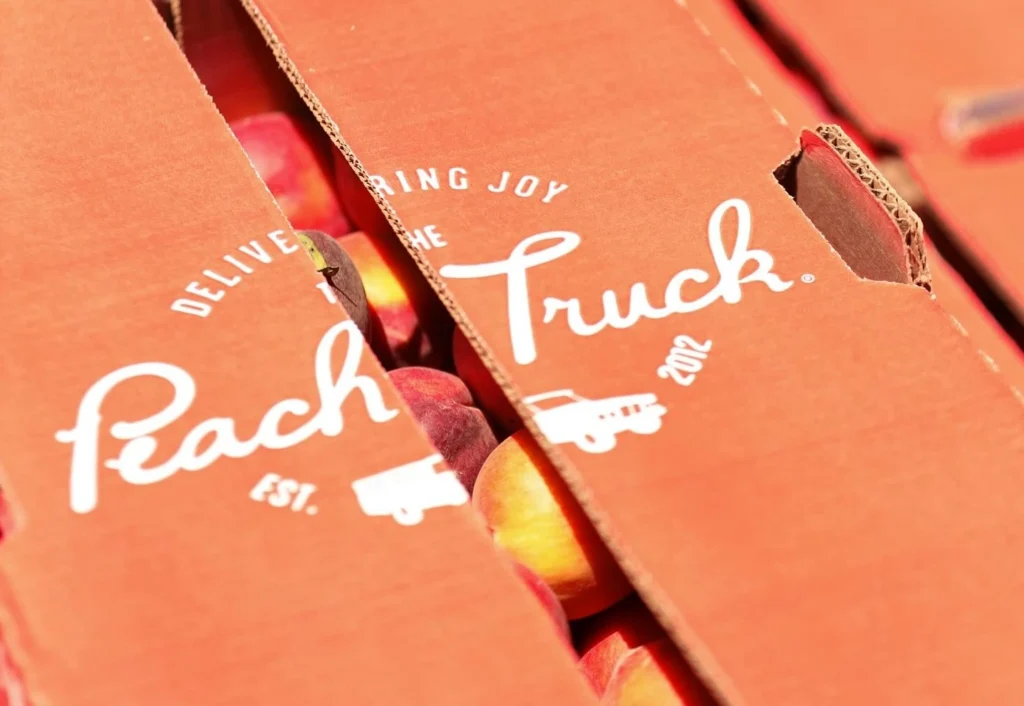
A peach problem turned into a full-blown operation
Edison Black is The Peach Truck‘s head of product now, and she’s still holding that standard: peaches picked, packed, and delivered to a customer’s door in two to three days, wherever that customer lives.
She was skeptical the first time she heard the pitch, wondering how good a peach could really be. Then she tried one.
“I ate my first one. I was like, ‘Oh, I get it now. I totally get it,’” Black said.
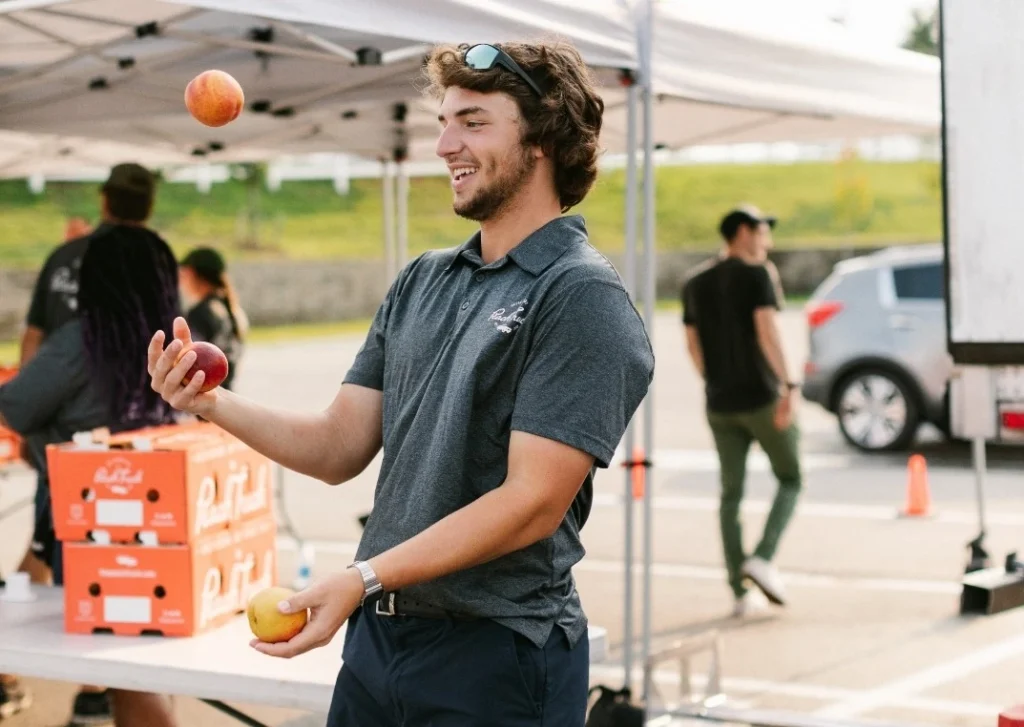
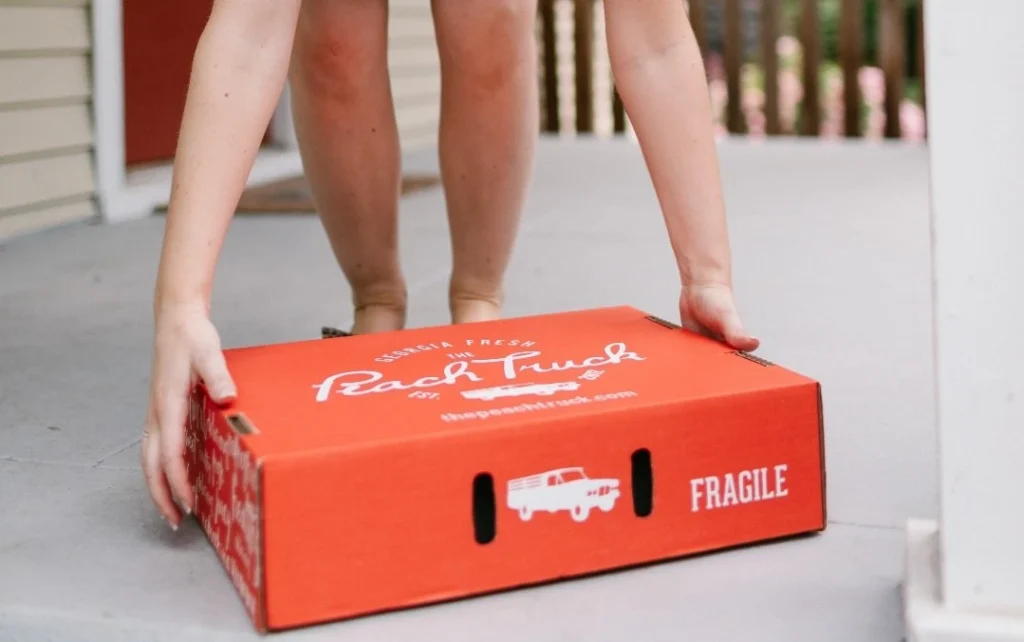
The Peach Truck sells peaches two ways. Local pickup means meeting the truck in person as it tours the country. Home delivery means peaches ship straight from the Georgia farm to a customer’s door.
The Peach Truck is headquartered in Nashville, but its fruit never is. And the business keeps growing. Home delivery orders are up about 40% since Black joined in 2024.
This year’s peak week alone moved more than 37,000 boxes. The full eight-week season added up to over 250,000.
Freshness on a deadline
A grocery store peach is usually picked more than a week before it reaches a shelf. It finishes ripening off the tree, during transport, which is the opposite of how a peach is supposed to work.
Instead, The Peach Truck’s peaches travel from tree to a customer’s doorstep in two to three days. That means the fruit stays on the branch longer and actually tastes the way a peach should. Keeping that promise nationwide, during a compressed eight-week season, leaves no room for guesswork.
Black’s team learned that the hard way. Last year, The Peach Truck piloted a different fulfillment partner, one that didn’t run on ShipStation.
“The biggest thing we lost was that visibility. It was a lot of picking up the phone and saying, ‘Hey, what’s going on?’ One person had to walk down on the floor just to see what was happening. It just wasn’t an effective way to run a business,” Black explained. “It was very painful to send off information and then have it be crickets until there was an issue. We weren’t able to get ahead of anything.”
The team came back to ShipStation the following season.
Shipping automation rules do the heavy lifting
Every order needs a shipping service matched to how far it’s traveling.
“If somebody in, let’s say, Indianapolis, Indiana, orders a home delivery Peach Box, that transit time is a lot less than somebody out in Oregon, right?” Black said.
A box headed to Indianapolis can move on two-day ground and still land in the window. A box headed to Oregon needs something faster.
Black’s team sets that logic once, and ShipStation’s automation rules carry it out on every order after that, reading each order’s destination and assigning the right carrier service before anyone touches it.
That way we can just print the labels. With ShipStation’s automation rules, we don’t even have to think about it.
Edison Black — Head of Product
The Peach Truck
The same automation rules sort single-box and double-box orders into separate lists for the packing crew, so nobody on the floor has to second-guess which label goes on which box.
Black estimates that doing the transit-time assignment by hand would take one person six to eight hours a day, done relentlessly, just to keep up.
“We’re all about automating the right shipping service for each customer,” Black said.
That’s the philosophy the rules are built to carry out.
One shared screen for a team split across two states
Orders start in The Peach Truck’s Shopify storefront. From there, they flow into Subscription Manager, a tool the team built in-house to handle prepaid, multi-week subscriptions, including cancellations, address changes, and gifted boxes.
Every Friday, that tool batch-imports the week’s confirmed orders into ShipStation.
From there, ShipStation becomes the shared source of truth. The product team can see exactly how many peaches to order from the farm. Customer service can see whether a label has printed, catch an address validation issue, or reroute a box for a customer whose plans changed at the last minute.
And the crew running the Georgia facility sees the same screen as headquarters in Nashville. Nobody needs to be on-site every week of the summer just to know what’s happening.
“We’re all looking at the same screens, the same views, and the same data within ShipStation to be able to coordinate across state lines,” Black said.
The proof is in the boxes
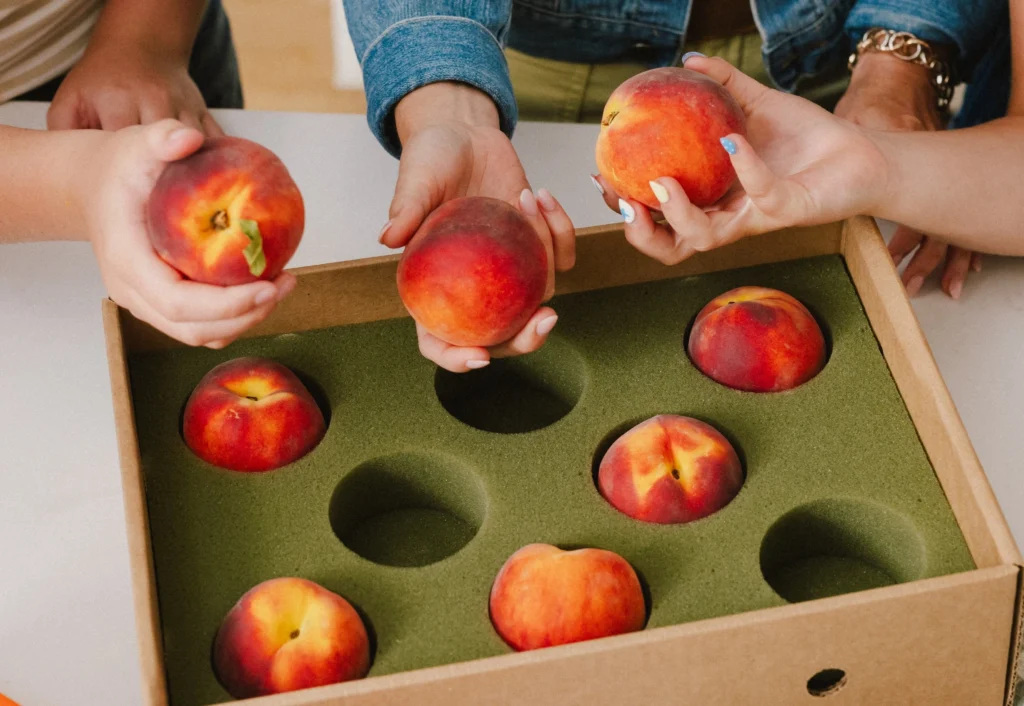
The Peach Truck shipped 250,000 boxes in eight weeks. More than 37,000 of them in a single peak week. And almost no complaints along the way.
Out of those 250,000 boxes, we only had 2,400 shipping-related questions from our customers this year.
Edison Black — Head of Product
The Peach Truck
The largest share of those tickets were carrier handling issues, not shipping or label errors.
“No news is good news as far as a customer goes,” Black said.
Since returning to ShipStation, “where’s my order” tickets have dropped by about 30%.
The Peach Truck’s order volume kept climbing this year, and ShipStation scaled right alongside it. The team didn’t need to rebuild its process or add headcount to manage the surge.
What’s next for The Peach Truck
Pecan season arrives every October, giving the team a second, shorter season to prepare for before peaches roll back around next summer.
Whatever comes next, Black isn’t second-guessing the decision to come back to ShipStation.
We are glad to be back. Let me tell you that.
Edison Black — Head of Product
The Peach Truck
Every one of those 250,000 boxes carries the same promise the founder started with in the back of his truck: a peach sweet enough to close your eyes over, landing on a doorstep somewhere across the country just two to three days after it left the tree.
If your shipping promise depends on a handful of unforgiving weeks each year, see what ShipStation’s automation rules can do before your next peak season hits, and start simplifying peak season today.