Back
Back











































Less Than Truckload Freight 101
What Is LTL Shipping? Your Complete Guide
In this guide
AT A GLANCE
Less than truckload (LTL) shipping in brief
Introduction: The LTL shipping guide
Businesses are always looking for ways to make shipping more efficient. That could mean reducing costs, saving time, simplifying operations, or finding a better way to move products as shipping needs change. Less-than-truckload (LTL) shipping can be part of that strategy. It gives businesses another way to move freight through LTL freight carriers, with service and delivery options that differ from those you’ll find with parcel or full-truckload shipping. For the right shipments, those options can make LTL shipping a valuable addition to your transportation mix.
But LTL freight has its nuances. Freight class, carrier networks, accessorial charges, bills of lading, packaging requirements, and even how you measure your freight can affect how a shipment moves and what you ultimately pay.
The good news? LTL gets a lot easier once you understand how the pieces fit together. This LTL guide will help you make sense of the terminology, requirements, costs, and options so you can make better LTL shipping decisions from the start.
What is LTL freight shipping?
LTL shipping is a freight transportation option in which shipments from multiple businesses share space on the same trailer. Instead of paying for a dedicated truck, each shipper pays to move freight as part of a larger consolidated load.
That makes LTL a useful option for freight that’s too large, heavy, or otherwise unsuitable for parcel shipping but doesn’t require the capacity of an entire trailer.
Breakdown of Parcel vs. LTL vs. FTL
These weight ranges are useful guidelines, not universal rules. Shipment dimensions, carrier requirements, service needs, and other factors can also influence which mode makes the most sense.
Where does partial truckload fit?
Partial truckload (PTL) shipping fills the gap between traditional LTL and full-truckload shipping. Like LTL, multiple shipments can share space on the same trailer. But PTL typically moves more like truckload freight, with fewer transfers and less handling through carrier terminals.
That can make PTL worth considering for larger shipments that don’t require an entire trailer, particularly when reducing handling is important. There isn’t a universal weight or pallet count that determines when PTL is the right choice, so compare your options based on the freight, lane, service requirements, and total cost.
The three players in an LTL shipment

Shipper
The person or business sending the goods.
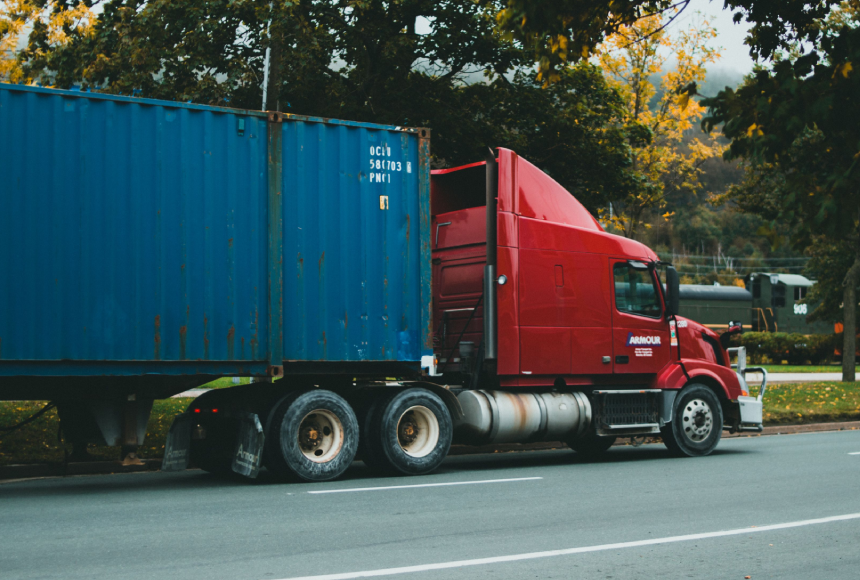
Carrier
The transportation provider physically moving the freight.

Consignee
The person or business designated to receive the shipment.
The consignee isn’t necessarily the buyer or end user. The term refers specifically to the receiving party identified for the shipment, which is why consignee information appears on shipping documentation.
What makes a shipment a good fit for LTL freight?
There isn’t a universal weight range that determines whether a shipment must move by LTL. While shipments between roughly 150 and 15,000 pounds are commonly associated with LTL, the right mode depends on more than weight.
LTL may make sense when a shipment:
The need for LTL can also develop naturally as a business grows. An order that once consisted of two or three packages might eventually become 10, 15, or 20 boxes for the same commercial customer. A manufacturer may begin selling equipment that exceeds parcel carrier limits. A retailer may start replenishing stores by the pallet rather than by the package.
None of those situations automatically means LTL is the right choice. But they’re good reasons to compare shipping modes rather than assume parcel is still the best option. Shipment size, weight, destination, delivery requirements, timing, and total cost can all help determine which mode makes sense.
LTL freight terms worth knowing
A little freight vocabulary makes the rest of the process much easier to understand:
You’ll see many of these terms throughout the LTL shipping process.
The benefits of LTL shipping
A major advantage of LTL is flexibility. Businesses can move freight without paying for an entire trailer when they don’t need one.
Other potential benefits include:
A bridge between parcel and FTL
Move freight that has outgrown parcel without jumping directly to full truckload.
The trade-off is that LTL can be more complex than parcel shipping. Accurate shipment information, proper packaging, freight classification, and additional service requirements can all affect your final cost.
How does LTL shipping work?
Understanding how LTL freight moves helps explain both its cost advantages and some of its operational differences. The basic model is consolidation.
Instead of dedicating an entire trailer to one shipment, LTL carriers combine freight from multiple shippers moving through their networks. That allows the available trailer capacity to be used more efficiently. It also means an LTL shipment may be handled and transferred at terminals as it travels from origin to destination.
How LTL truck freight moves: step by step
The exact journey varies by carrier, lane, and service. Some shipments may require more transfers than others, but the sequence above is typical of how LTL freight moves.
Why all the handling matters
The LTL network is one reason packaging deserves so much attention. Freight may be loaded and unloaded several times as it moves through terminals, across docks, and onto different trailers on its way to the destination.
The 2026 Merchant Insights Report
Those additional handling points make secure packaging especially important. A pallet that looks secure sitting on a warehouse floor also needs to remain stable as it moves through terminals and travels alongside other freight.
Good packaging starts before pickup because there’s little you can do to strengthen or reconfigure a shipment once it enters the carrier network.
Why LTL transit times can vary
Because freight may move through multiple terminals rather than directly from pickup to delivery, LTL transit times can differ considerably by lane and carrier.
Published transit times can help you compare services, but they aren’t always guaranteed. If a shipment has a firm delivery deadline, look closely at the quoted service and whether the carrier offers an expedited or guaranteed option.
That distinction is particularly important when setting expectations with your own customers. A realistic delivery window is more useful than assuming every LTL shipment will move at the same speed.
Additional and speciality LTL freight services
Not every LTL shipment fits a standard pickup-and-delivery process. Some freight requires additional equipment, handling, delivery arrangements, or service options based on the shipment or the locations involved.
Depending on the carrier and shipment, additional and specialty LTL services may include:
Service availability, requirements, and charges vary by carrier. Providing accurate shipment and location details when requesting a quote can help identify the services you need and produce a more accurate expected cost.
Preparing an LTL shipment
Proper LTL preparation starts before the carrier arrives. Accurate measurements help support a reliable quote, while appropriate packaging and labeling help protect and identify the freight as it moves through the carrier network.
Measure and weigh
Carriers may reweigh or remeasure freight. If their measurements differ from the information used to quote the shipment, the final charges may change.
One important distinction is that carriers care about the dimensions of the prepared shipment, not simply the dimensions of the product. A 40-inch-wide product can become a 48-inch-wide shipment once it’s placed on a pallet, protected, wrapped, and prepared for transportation.
That final footprint is what occupies trailer space, so measure after the freight is fully packaged whenever possible.
Package and secure the freight
Pallet overhang deserves particular attention. Freight that extends beyond the edges of a pallet can be more vulnerable to contact with other freight or material-handling equipment. It can also increase the shipment’s dimensions and affect how efficiently it can be loaded.
Stackability can matter, too. Freight that can safely support other freight above it may give the carrier more options when loading the trailer. However, whether freight can or should be stacked depends on the commodity, packaging, and carrier requirements. Don’t mark freight as stackable unless the packaging can actually support it.
Pallet vs. skid vs. crate
Choosing how to secure your freight starts with what you’re shipping. Pallets, skids, and crates each offer a different way to support and protect freight in transit.
The best choice comes down to the freight itself: how large and heavy it is, how it will be handled, and how much protection it needs.
Label it clearly
The goal is simple: make it easy for the carrier to identify, handle, and route the freight correctly.
What to expect at LTL pickup and delivery
LTL pickup and delivery can look different from parcel shipping because freight may require a loading dock, forklift, liftgate, appointment, or other arrangements. Preparing for those requirements ahead of time can help keep the shipment moving and reduce the chance of unexpected charges or delays.
Preparing for LTL pickup
Before the carrier arrives, make sure the freight is packaged, secured, labeled, and ready to move. Confirm the shipment’s weight, dimensions, freight classification, and other information, and have the required shipping documents ready.
At pickup, the driver will typically collect the freight and confirm the shipment information needed to move it through the carrier network. The shipper may also receive a signed copy of the BOL or other pickup confirmation, depending on the carrier and process.
The 2026 Merchant Insights Report
The carrier also needs accurate information about the pickup location. For example, a facility without a loading dock may require liftgate service, while some locations may have access restrictions or specific pickup procedures.
What happens at LTL delivery?
When freight arrives, the consignee should inspect the shipment for visible loss or damage and compare it with the shipment documentation. Note visible loss or damage on the delivery receipt when appropriate, take photos, and retain relevant documentation in case a claim needs to be filed.
LTL freight documentation
Accurate LTL freight documentation communicates important shipment information to carriers, consignees, and other parties involved in transportation. The exact documents you need depend on what you’re shipping, where it’s going, and any regulatory or carrier requirements.
The bill of lading (BOL)
The BOL is one of the most important documents associated with an LTL shipment. It provides key information about the freight, documents the transportation arrangement, and can serve as a receipt upon the carrier’s acceptance of the shipment.
A BOL commonly includes:
Incorrect or incomplete information can result in delays, billing adjustments, reclassification, or other issues, so review the BOL carefully before tendering the freight.
The packing list
A packing list provides a more detailed account of the goods contained in the shipment. While it serves a different purpose than the BOL, it can help the consignee verify what was shipped and identify any shortages or discrepancies when the freight arrives.
BOL vs. packing list: What’s the difference?
It helps to think of these documents as answering two different questions. The BOL provides the carrier with key information about the shipment and its transportation. The packing list provides more detail about what’s contained within the shipment.
For example, a BOL might identify three pallets of a particular commodity, along with their total weight and freight classification. The packing list could identify the individual products, quantities, part numbers, or purchase-order information contained on those pallets.
They complement each other, but one doesn’t replace the other.
Depending on the shipment, additional documentation may include:
Hazardous materials shipments have specific federal requirements for shipping papers, marking, labeling, placarding, and other forms of hazard communication. Make sure the shipment meets all applicable requirements before tendering it to a carrier.
Make documentation part of shipment prep
Many documentation problems begin with inaccurate shipment information.
Instead of relying on old product specifications or previous shipment details, verify the current freight before booking. Changes to packaging, pallet configuration, weight, or dimensions can affect the information required for the shipment and potentially its final cost.
A quick documentation review before pickup can prevent a much more time-consuming correction later.
LTL freight classification
Freight class is an important part of LTL shipping because it can directly affect how a shipment is rated and priced. The National Motor Freight Classification (NMFC), maintained by the National Motor Freight Traffic Association (NMFTA), provides a standardized system for classifying commodities moving by LTL. The system includes 18 freight classes ranging from 50 to 500.
How is LTL freight class determined?
Freight classification considers four transportation characteristics: density, handling, stowability, and liability. Under the current NMFC, density is the primary classification factor for many commodities, while handling, stowability, and liability can also affect the applicable class.
Generally, denser freight that is easier to handle and stow is associated with lower freight classes. Less-dense freight or freight that is more difficult to handle or stow may receive a higher class. Liability characteristics can also affect classification.
Density is an important factor in freight classification, but you shouldn’t determine freight class based on density alone. The correct classification depends on the commodity and the applicable NMFC requirements.
How to calculate freight density
The result is the shipment’s density in pounds per cubic foot.
Example: A pallet measuring 48″ × 40″ × 48″ occupies approximately 53.3 cubic feet. If the complete handling unit weighs 500 pounds, its density is approximately 9.4 pounds per cubic foot.
Knowing the density is an important starting point, but it doesn’t automatically tell you the correct freight class. Freight class depends on the applicable NMFC provisions for the commodity you’re shipping. Use the NMFTA’s current classification resources or work with your carrier or shipping provider to confirm the correct class before booking.
Why accurate freight classification matters
Using the wrong freight class can affect the rate you were quoted and what you’re ultimately charged. Misclassified freight can result in reclassification charges, billing adjustments, delays, and other shipping issues.
Accurate information on commodity, weight, dimensions, and packaging can help reduce these problems. Because the NMFC is updated periodically, it’s also important to use current information when determining freight class.
Did you know? DIM weight and freight density aren’t the same
That’s the fundamental distinction: DIM weight is calculated from dimensions, not actual weight. Freight density is calculated from both dimensions and actual weight and tells you how many pounds of freight there are per cubic foot.
LTL shipping rates: pricing and cost factors
LTL pricing is influenced by several variables rather than a single shipment characteristic. Understanding those variables makes it easier to compare LTL shipping rates and identify why the final cost of one shipment may differ from another.
Here are some of the cost-factor variables that often come into play:
Why similar shipments can have different rates
Two shipments can look almost identical and still receive different quotes.
Imagine two 500-pound pallets with the same dimensions. One moves between major commercial areas that a carrier serves every day. The other is headed to a destination outside that carrier’s core network and requires a delivery appointment and liftgate.
The 2026 Merchant Insights Report
The freight itself may be nearly identical, but the transportation requirements aren’t.
Carrier networks matter, too. One carrier may have regular capacity and a strong network on a particular lane, while another may move that freight differently through its network. That’s one reason the same LTL shipment can produce a range of rates from different LTL freight carriers.
A quote ultimately reflects both the freight and what it takes a particular carrier to move it.
Accessorial charges to understand
An accessorial is an additional charge associated with a service or circumstance beyond standard transportation.
Several of the additional and specialty services covered earlier may result in accessorial charges, including liftgate service, residential pickup or delivery, inside pickup or delivery, limited-access service, and delivery appointments. Other accessorials can include certain types of storage, detention, or redelivery.
The exact charges and definitions vary by carrier. Identifying these needs when you quote and book a shipment can help produce a more accurate expected cost.
Fuel surcharges may also apply to LTL shipments, although they’re generally treated as a separate component of the freight rate rather than an accessorial charge.
Ways to manage LTL shipping costs
You can’t control every factor that affects freight pricing, but you can control many of the inputs.
Consider these practices to optimize costs:
Compare more than the rate
The lowest quote isn’t necessarily the best shipping option. When comparing LTL carriers, consider:
A slightly higher rate may be worthwhile when another carrier is better suited to the lane or shipment requirements.
How to read an LTL freight quote
An LTL freight quote gives you more than a price. It can also help you compare carriers, services, estimated transit times, and other details that may affect the shipment.
While quotes vary by carrier and provider, here are some of the details you may encounter:
The information used to create the quote matters. Changes to the shipment’s weight, dimensions, freight classification, pickup or delivery requirements, or other details can affect the final charges.
Price matters, but it shouldn’t be the only consideration. Comparing carrier service, transit time, coverage, shipment requirements, and total expected cost can help you choose the option that best fits the shipment.
LTL freight insurance
Even with careful packaging and handling, freight can sometimes be lost or damaged in transit. When that happens, the financial protection available to you can depend on how the shipment is covered.
That makes it important to understand the difference between carrier liability and freight insurance. Although both can come into play when freight is lost or damaged, they provide different types of protection and aren’t interchangeable.
Carrier liability vs. freight insurance
It’s important to understand both before shipping high-value or particularly sensitive freight.
Types of freight insurance varies by insurer and policy
Neither term means every possible loss is covered. Policies contain terms, conditions, exclusions, limits, and claim requirements that should be reviewed before purchasing coverage.
When to consider LTL freight insurance
Additional cargo insurance may be worth considering when:
The decision should be based on the value and risk associated with the individual shipment rather than an assumption that carrier liability automatically provides full-value protection.
If freight is lost or damaged
Claims procedures vary depending on whether you’re pursuing a carrier cargo claim or an insurance claim, but good documentation is important in either case.
Don’t assume the carrier claim process and an insurance claim process are identical. The requirements, coverage, and outcomes can be different.
How does LTL tracking differ from parcel tracking?
If you’re accustomed to parcel shipping, LTL tracking may look a little different.
Parcel packages typically move through highly standardized networks and may receive scans at multiple points along the journey. LTL freight moves through a different transportation network, often traveling between terminals as part of consolidated loads with freight from other shippers.
What is a PRO number?
LTL shipments are commonly assigned a PRO number, a carrier tracking number used to identify and track the freight. Depending on the carrier and technology you use, entering the PRO number into a tracking system can provide visibility into the shipment as it moves from pickup to delivery.
Tracking capabilities vary by carrier, so the amount, type, and terminology of the information available may differ from one LTL shipment to another.
Common LTL shipping mistakes and how to avoid them
Successful LTL shipping depends on more than getting freight from point A to point B. Small errors in shipment information, packaging, or planning can lead to additional charges, delays, or freight claims.
Here are some common shipping mistakes to watch for:
Using inaccurate weight or dimensions
LTL pricing and freight classification can depend on shipment weight and dimensions. Measure the complete shipment, including the pallet and packaging, and use accurate shipment weight when requesting a quote.
Using the wrong freight classification
An incorrect freight class can affect the quoted rate and may result in reclassification and billing adjustments. Provide accurate commodity information and use current NMFC information to determine the appropriate classification.
Underestimating packaging requirements
LTL freight may be handled multiple times as it moves through terminals. Appropriate packaging and pallets can help protect freight during that journey. Secure palletized freight so it can remain stable during handling and transit.
Leaving required services out of the quote
Liftgate service, residential delivery, limited-access locations, inside delivery, and other requirements can affect the cost and handling of an LTL shipment. Identify the additional services you need when requesting the quote rather than waiting until pickup or delivery.
Providing incomplete shipment information
Incorrect addresses, contact information, commodity descriptions, or pickup and delivery details can create problems later in the shipment. Review the information before booking and make sure the shipping documents accurately reflect the freight.
Not inspecting freight at delivery
The condition of the freight at delivery can become important if a claim is necessary. Inspect the shipment for visible loss or damage, document issues on the delivery receipt when appropriate, and take photos before the freight is moved or unpacked.
How to choose an LTL freight carrier
There isn’t one LTL carrier that’s best for every shipment. LTL freight carriers differ in their networks, pricing, capabilities, service levels, and performance. The goal is to find the right fit for the freight you’re moving.
What to look at when evaluating an LTL carrier
The right carrier may change from one shipment to another based on the lane, freight characteristics, service requirements, and other shipment-specific factors.
Carrier size and geographic reach are also worth considering because a carrier’s network can affect how well it serves a particular lane.
Regional vs. national carriers
One type of LTL carrier isn’t inherently better than the other. A business shipping from Texas to New York has different carrier needs than one moving freight between Dallas and Houston. The best option depends on the lane, service requirements, pricing, and carrier network.
Having access to both national and regional carriers gives shippers more ways to match a shipment with a carrier whose network fits the move.
One carrier or several?
Some businesses prefer a smaller core group of carriers because it simplifies transportation management and helps build consistency. Others benefit from having access to a broader network.
Multiple carrier options can be especially valuable when:
The important thing isn’t having the largest possible carrier list. It’s having enough appropriate options to match each shipment with the service it needs.
The role of LTL shipping technology
Managing LTL manually can quickly become complicated, particularly when you’re comparing several carriers or shipping regularly. Transportation technology can bring many of those processes together.
What does a TMS do?
A transportation management system (TMS) helps businesses manage transportation activities through a centralized platform.
Depending on the system and provider, capabilities may include:
Instead of moving between spreadsheets, emails, carrier websites, and other disconnected systems, shippers can manage more of the process in one place.
How a TMS can help
Bringing these capabilities into one system can reduce the manual work involved in managing LTL shipments and give shippers a clearer view of their transportation activity. With shipment information and data in one place, businesses can work more efficiently and identify patterns in carrier performance, lanes, services, and spending.
The 2026 Merchant Insights Report
For businesses that ship both parcel and LTL, a platform that supports multiple transportation modes can provide another advantage. Rather than treating freight as a completely separate operation, businesses can manage parcel and LTL as parts of the same broader shipping strategy.
Working with a 3PL or shipping partner
Managing LTL can require carrier relationships, technology, freight expertise, and ongoing shipment support. Businesses that don’t want to manage all of those resources internally may choose to work with a third-party logistics provider (3PL) or other shipping partner.
What can a 3PL or shipping partner provide?
Services vary considerably by provider, but may include:
That can be especially useful for small and midsized businesses that want broader transportation capabilities without building a large logistics operation internally.
Carrier vs. 3PL
Neither approach is automatically better. The right choice depends on your shipping volume, internal resources, carrier relationships, and how much of the transportation process you want to manage yourself.
What to look for in a shipping partner
If you choose to work with a 3PL or shipping partner, consider:
Why your shipping partner’s technology matters
The technology a shipping partner provides can be just as important as its carrier relationships and freight expertise. The right platform can give you the tools to compare carrier options, book and track shipments, manage documentation, review shipping activity, and maintain visibility across your LTL operations.
If you ship through multiple transportation modes, consider whether the partner’s technology can support those needs as well. A platform that brings parcel and LTL shipping together can reduce the need to manage separate systems and give you a more connected view of your shipping activity.
A strong shipping partner can combine that technology with carrier access, transportation expertise, and support, giving you both the tools to manage shipments and additional help when you need it.
LTL freight FAQs
Can I ship LTL freight without a pallet?
What counts as hazardous materials in LTL shipping?
How far in advance should I schedule an LTL pickup?
What happens if my LTL shipment gets reclassified?
Is LTL freight insurance included automatically?
How is LTL pricing different from parcel or truckload pricing?
What's one of the biggest mistakes new LTL shippers make?
Build an LTL shipping strategy with more options
The right shipping mode can change from one shipment to the next. What matters is having the options to make the right call without adding more systems, providers, or complexity to your operation.
With parcel and LTL freight in ShipStation, you can compare rates and services, choose the right mode for each shipment, and manage more of your shipping in one place. Whether you’re sending individual packages or palletized freight, you have the carrier options, technology, and support to keep shipments moving as your business grows.
Want to learn more? Log in or sign up for a free trial today.
Related Resources

Merchants Are Running Separate Shipping Operations for Parcel and LTL Freight
Modern Shipping is More Than Parcel

LTL Freight Accessorial Fees

Freight Optimization

Choosing a Shipping Mode