Back
Back































































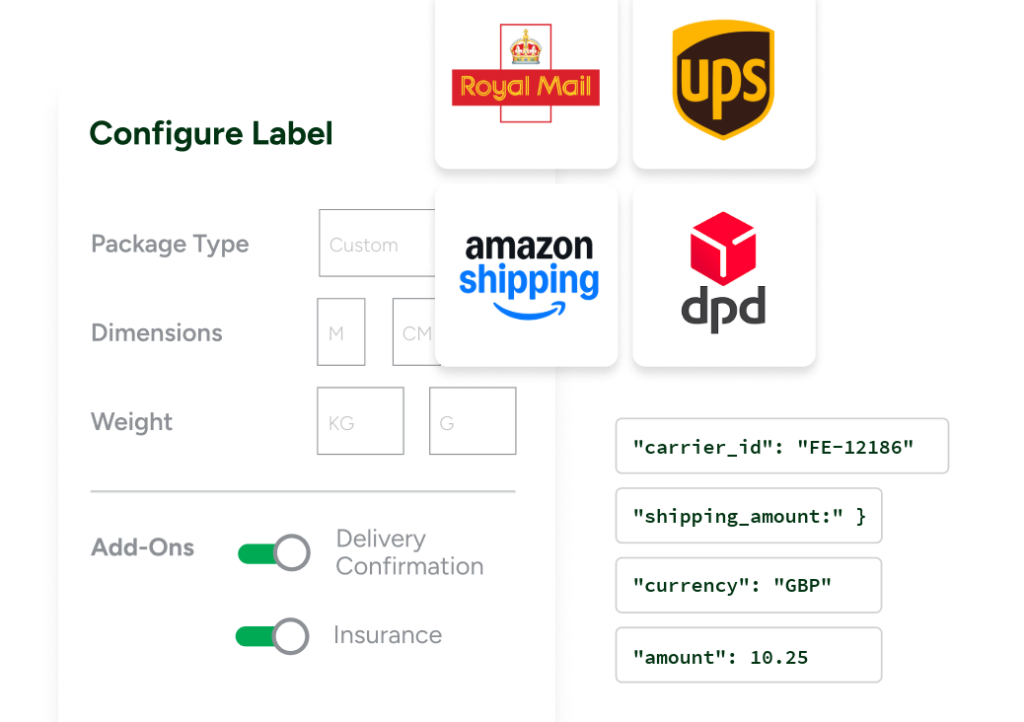

Fulfillment automation API that moves orders from cart to carrier faster
With our fulfillment automation API, push shipping decisions into code, not spreadsheets. Pull orders in, validate addresses, shop rates, and print labels in bulk, all on your terms. Use the ShipStation® API to keep every shipment consistent, even when volume spikes across Shopify, Amazon, eBay, and more.
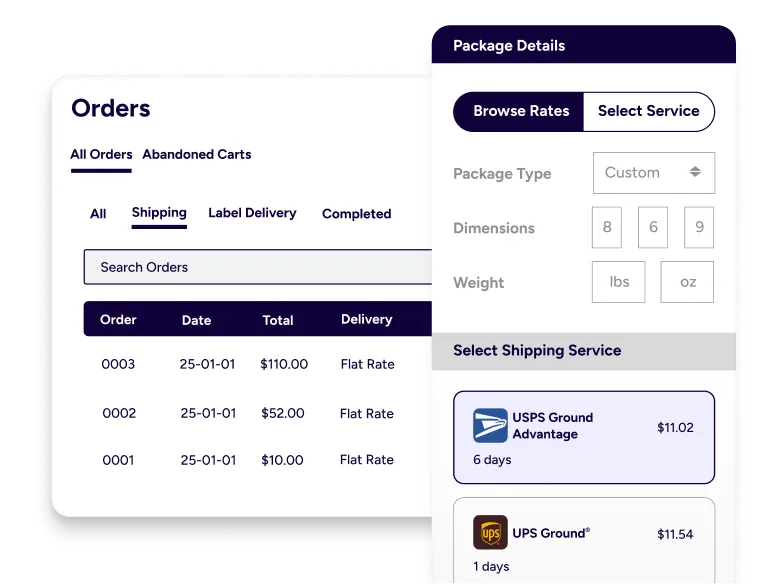
Ship fast, stay accurate, and scale without extra clicks
Build repeatable workflows that don’t depend on who’s at the packing table. Set the logic once, then let automated order processing handle the busy work from import through tracking updates.

Control shipping spend with rate logic you can enforce
Rate choices shouldn’t change by shift. With fulfillment automation software backed by API calls, evaluate services the same way every time. Compare UPS®, USPS®, FedEx®, DHL Express®, and GlobalPost™ options side-by-side, then apply “cheapest,” “fastest,” or “best value” rules before buying labels. Your team ships what your logic approves.

Cut manual touchpoints across the whole fulfillment cycle
Turn your order queue into an order automation system that runs with fewer handoffs. Use real-time events to trigger downstream actions the moment a shipment is created or a status changes. Fewer exports, less manual follow-up. Your shipping workflow automation keeps orders moving from paid to packed without the back-and-forth.

Stop errors before they become returns or surcharges
Bad addresses and missing package data cause costly surprises. With ecommerce fulfillment automation, validate destination info during the request and apply product defaults for weights and dimensions by SKU. Your warehouse automation workflows stay clean, and your labels match what carriers expect, so rework and “return to sender” headaches stay off the table.
Rated #1 by Industry Leaders






Fulfillment automation API capabilities you can plug into your stack
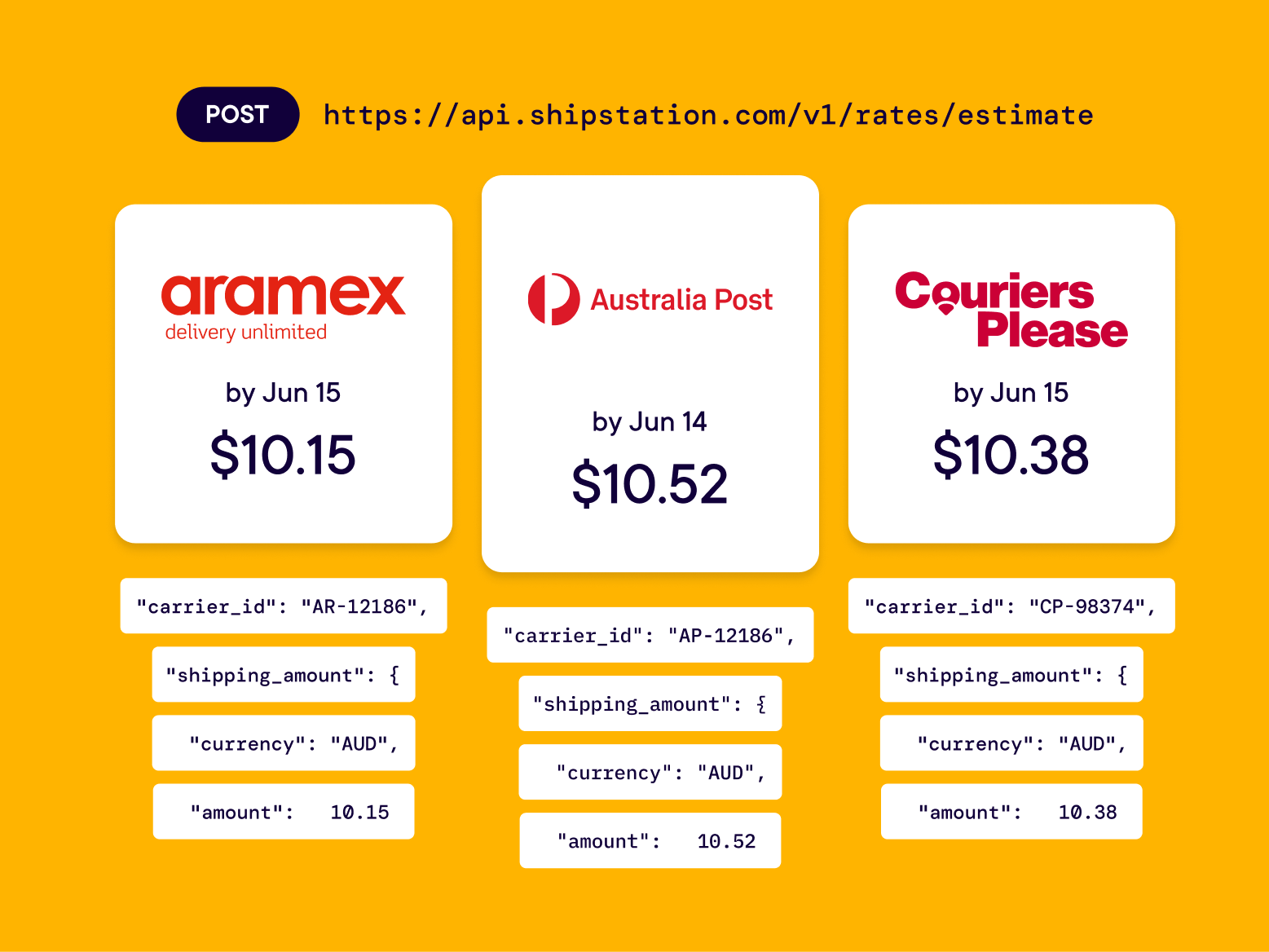
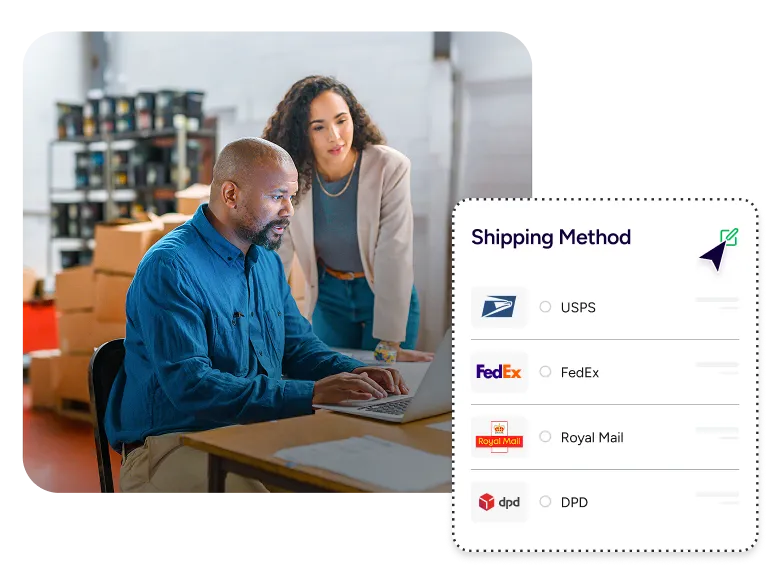
Shipping automation API for programmatic rate selection
Make rate selection automatic, not personal. Using endpoints like rate_shopper or rates, your system requests options based on each order’s ship-to, package, and service needs. Then set the rule: lowest cost, fastest delivery, or a balanced option. The logic runs the same on every order, every day—whether that’s 50 shipments or 50,000.
Order automation API for real-time order syncing and tags
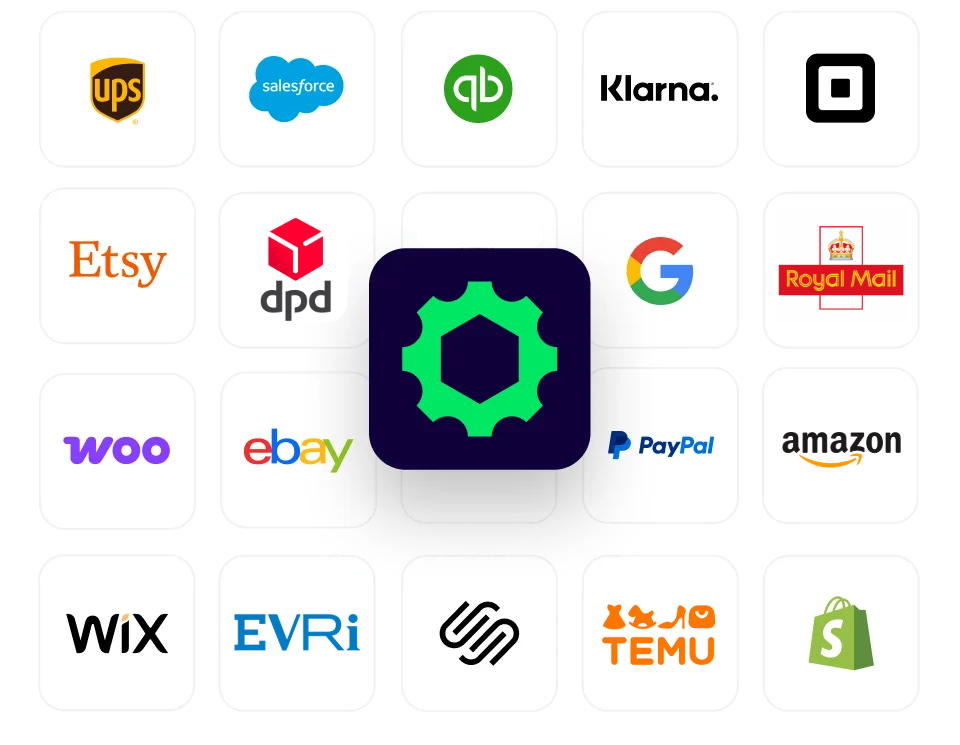
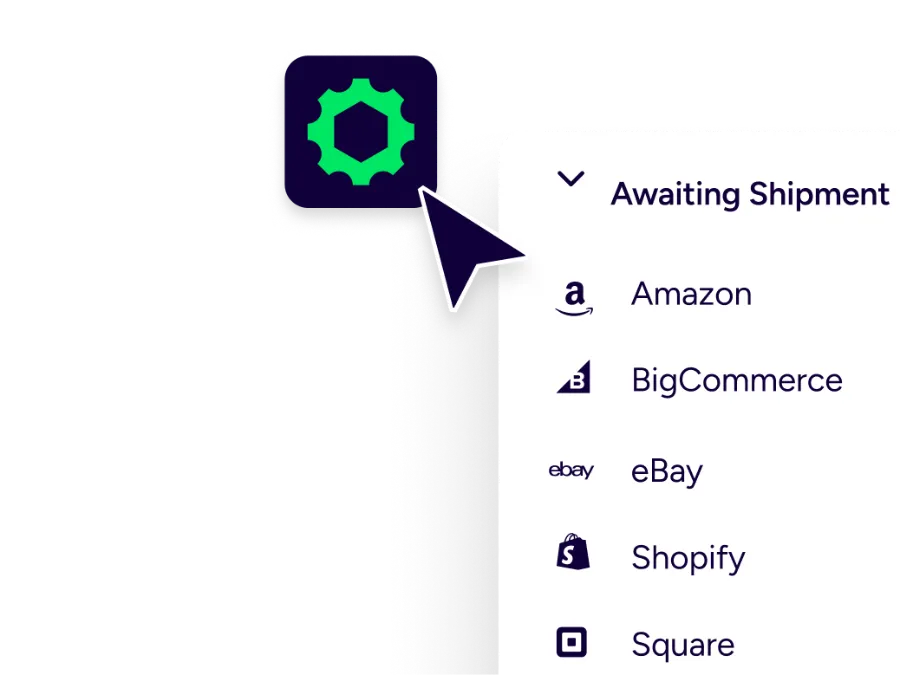
When orders arrive from Shopify, Amazon, Etsy, eBay, Walmart, BigCommerce, or WooCommerce, route them with metadata instead of manual sorting. This supports multi channel fulfillment automation without tab switching. Add tags at import, split flows by channel, and keep teams focused on packing. Real-time order syncing keeps your internal systems in step with what’s shipping now.
Fulfillment API integration that triggers rules inside ShipStation
Some logic is easier to manage as rules your ops team can adjust. Pass tags or key fields through the API, then let ShipStation automation rules apply actions like service selection, ship-from location, or fulfillment provider routing. Rules automatically send fulfillment requests when orders import, so the right orders move into a pending fulfillment record without extra clicks. B2B and enterprise teams use this to keep logistics consistent across every location. No manual routing. No one-off decisions that break the pattern.
Bulk label printing automation for high-volume days
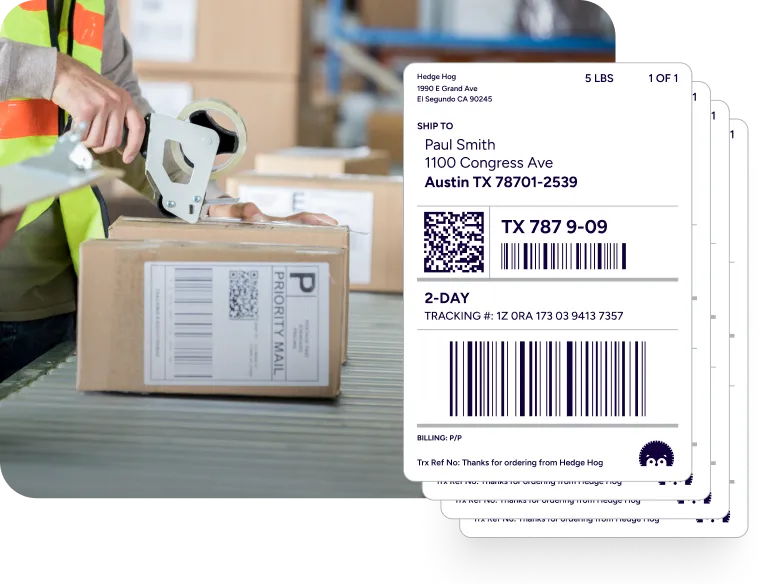
High volume fails when printing becomes the bottleneck. Queue shipments and generate labels in batches, so your team can print a stack of labels in one click and keep pick-pack-ship moving. For many teams, bulk label printing automation is the simplest way to increase throughput without changing the floor layout. It also keeps the workflow predictable for new staff during peak season.
Logistics automation platform signals with webhooks and shipment events
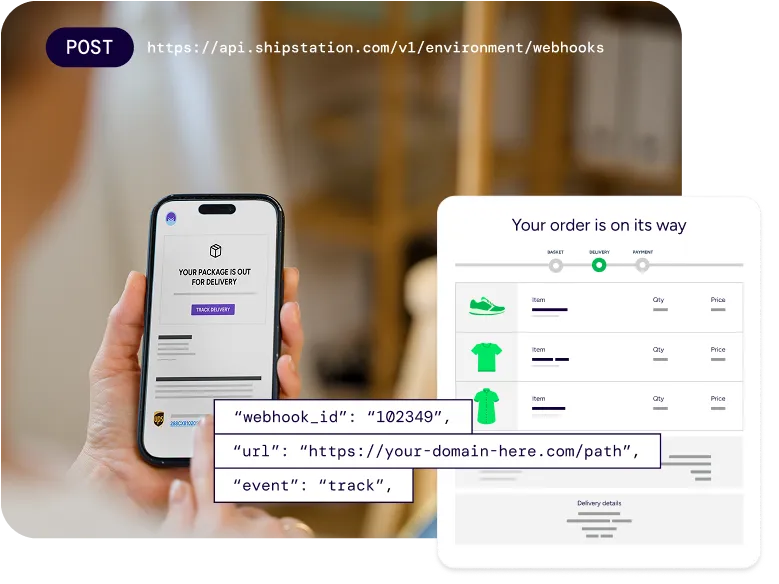
Polling for updates wastes time. Use Webhooks to get real-time pushes for shipment and order events, then trigger what comes next in your systems, like inventory updates or customer notifications. That’s how automated shipping workflows run on API-driven events, not manual checks. When a shipment hits SHIP_NOTIFY, your integration reacts right away and keeps data aligned across tools.