


























































Omnichannel fulfilment that keeps orders moving—across every channel

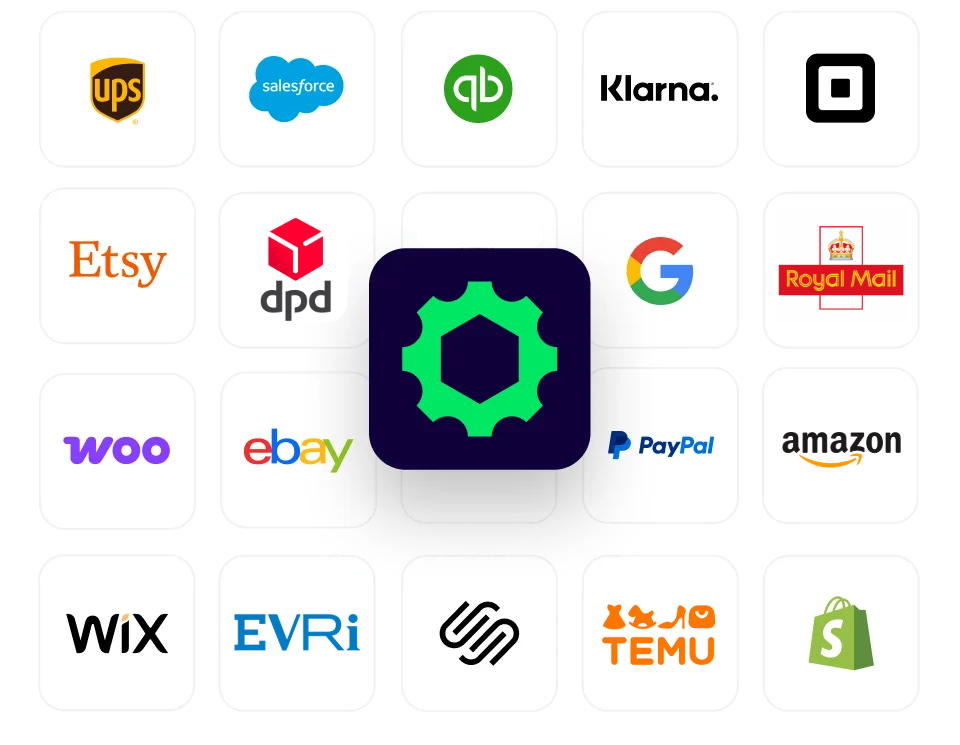
Streamline fulfilment across all your sales channels with ShipStation. Pull in orders from carts, marketplaces, and custom platforms, then ship through hundreds of top carriers using over 400 integrations. All from a single, centralised login.

driving fulfilment for the uk's small and medium size businesses

  • THE GREAT BRITISH CHEESE COMPANY LOGO
  • Shropshire Petals Logo
  • Minimum World Logo
  • THE CHEEKY PANDA LOGO
  • BOOKISHLY LOGO
  • POSH TOTTY LOGO
  • BOTHAMS OF WHITBY LOGO
  • STICKERS 4 WALLS LOGO
  • BULLY BILLOWS LOGO

Create better shopping experiences

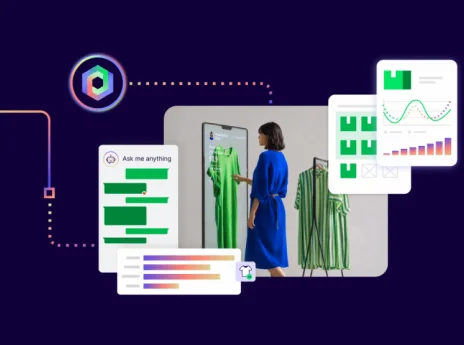
Connect every online store, social selling channel, and fulfilment centre to one order hub. Centralizing your orders keeps fulfilment fast, accurate, and consistent for your team. This builds customer loyalty and creates a seamless shopping experience.

See every order in one place

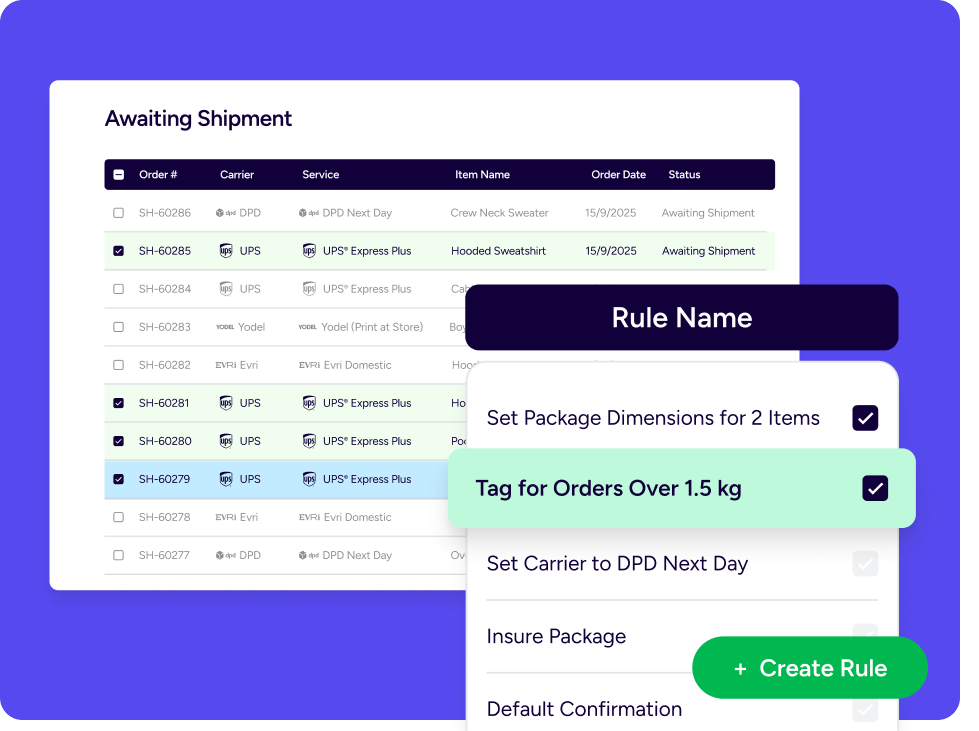
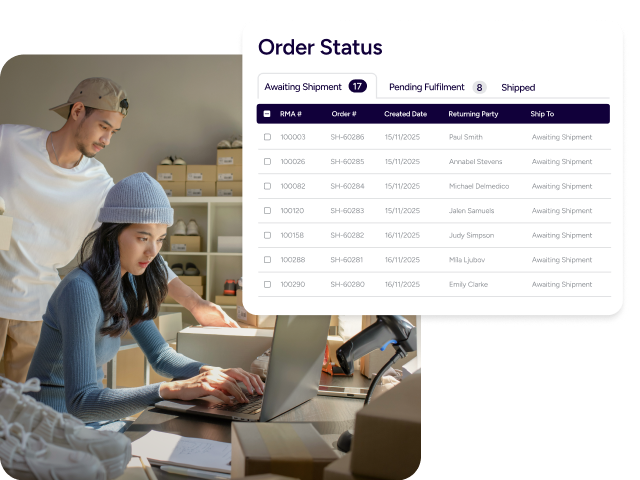
Stop switching between dashboards for each sales channel. Pull orders from carts, marketplaces, and ERPs into a central ShipStation view. From a single grid, you can manage statuses, apply filters, and run workflows. Your team can search, sort, and prioritise orders without logging in and out of multiple tools.

Offer flexible ways to buy and fulfill

Support omnichannel scenarios such as buy online, pick up in store, ship from store, or fulfil through dedicated fulfilment centres. ShipStation helps you route and process orders across locations. This ensures your fulfilment strategy matches the way your customers actually shop.

Grow without added complexity

Omnichannel fulfilment simplifies scaling. Add new marketplaces, social selling channels, or eCommerce carts without creating extra silos. ShipStation’s extensive integrations and automation tools let you batch orders, compare rates, and print labels at scale, so growth never overwhelms your fulfilment operations.

Manage everywhere you ship in one workflow

ShipStation brings together order imports, status tracking, automation, and multi-carrier shipping in one console. Keep operations running smoothly without relying on disconnected tools.

Import every order from one place

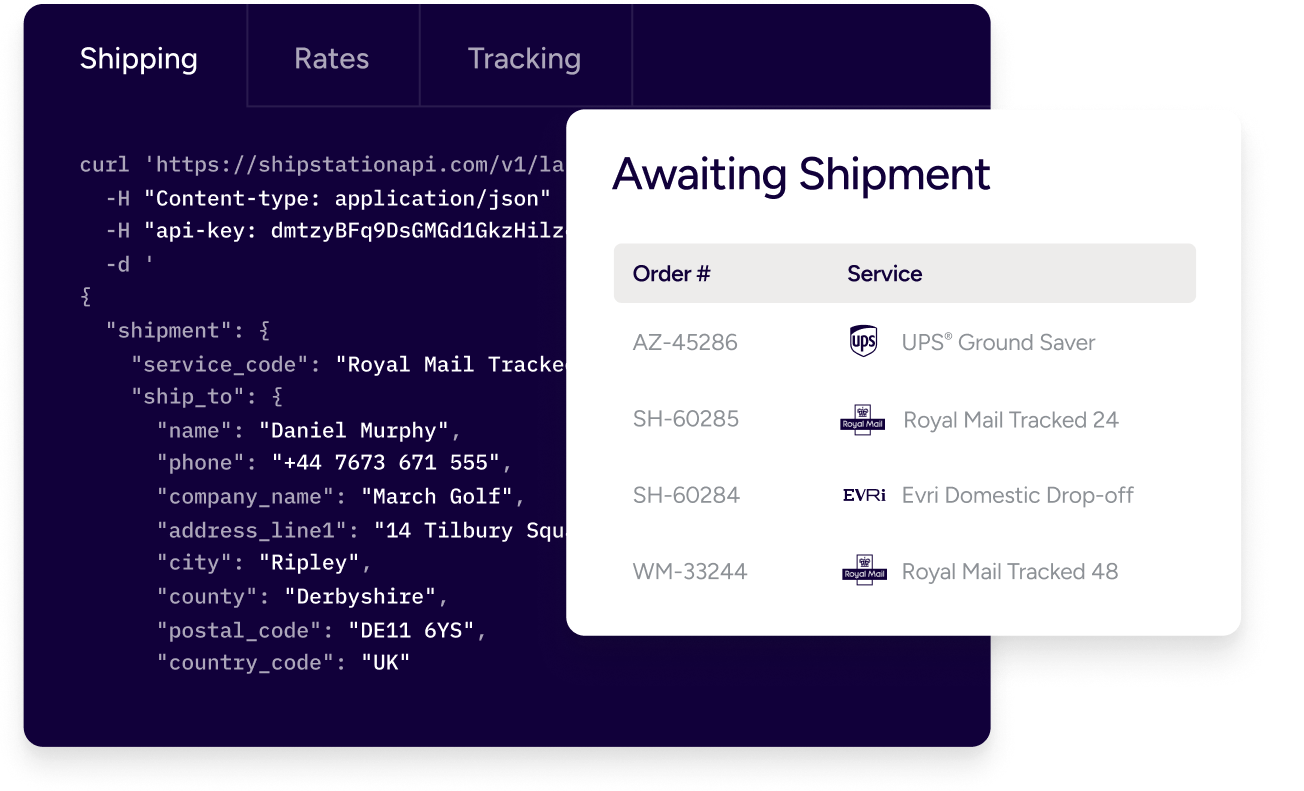
Centralise all online purchases. ShipStation pulls orders from connected stores like Shopify and Amazon, custom platforms, and manual or CSV uploads. Use the API to send data from custom-built systems. Automatic imports run in the background, keeping new sales flowing in without manual intervention.

Improve your fulfillment process

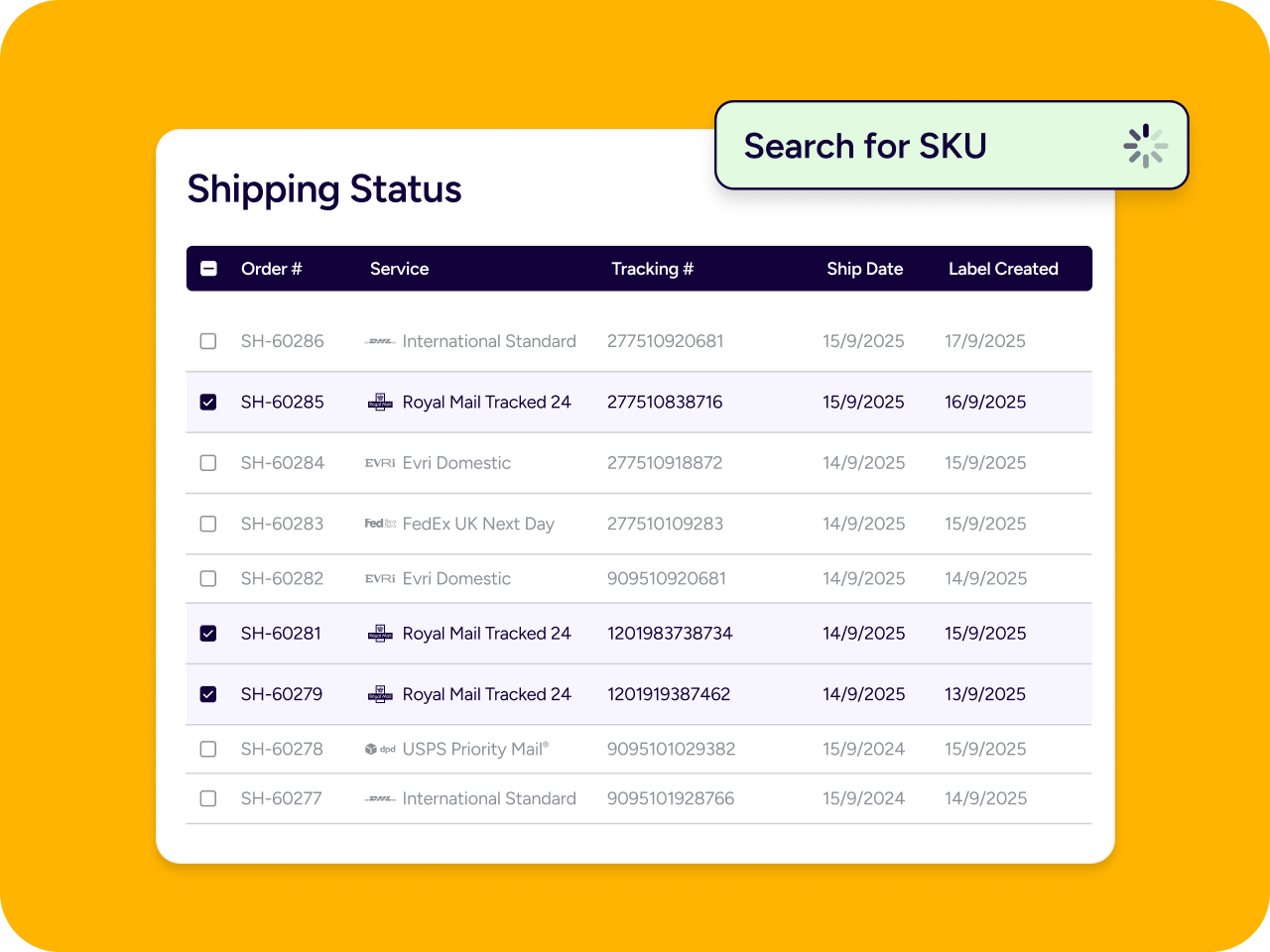
Standardise how you view orders with statuses like Awaiting Payment, On Hold, Awaiting Shipment, Pending Fulfillment, Shipped, and Cancelled. ShipStation maps store-specific statuses into this shared model so your team always knows which orders are ready to fulfil, which are already shipped, and which need attention all in one dashboard, regardless of where the original online order came from.

Ship with the world’s best carriers

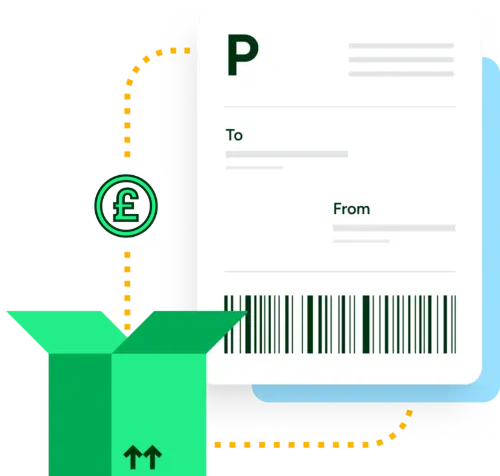
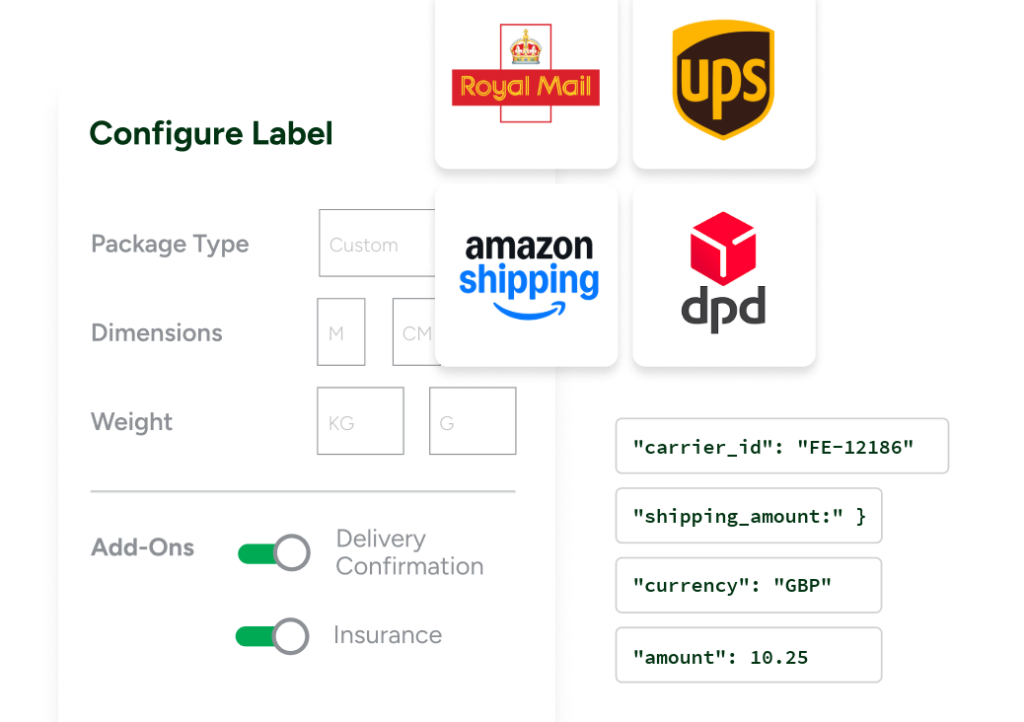
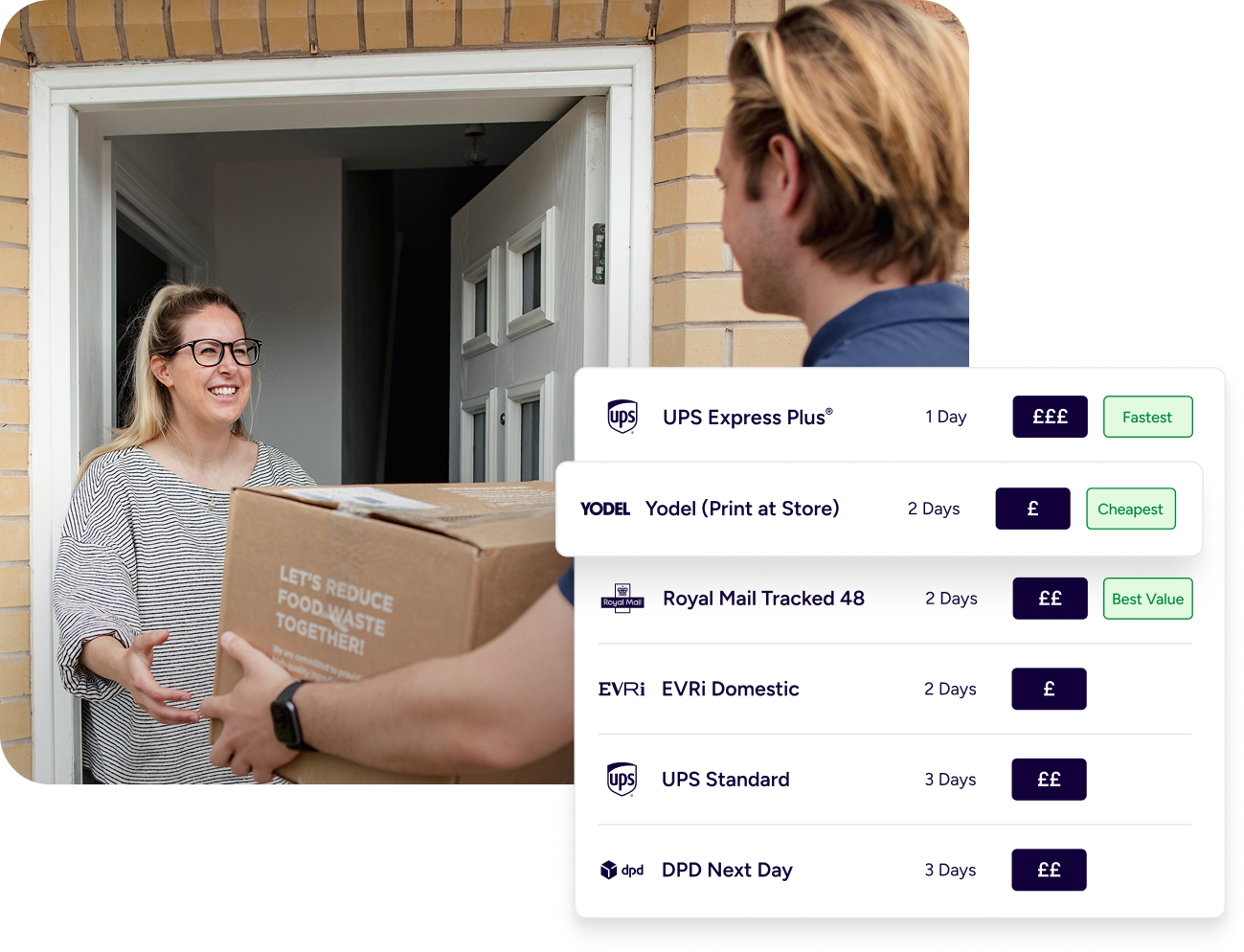
Convert purchases into labeled shipments in just a few clicks. Compare rates and services from hundreds of global and regional carriers. Print labels in batches to save time while maintaining the flexibility to select the best service for each order.

Support store fulfillment and buy online pick up in store (BOPIS)

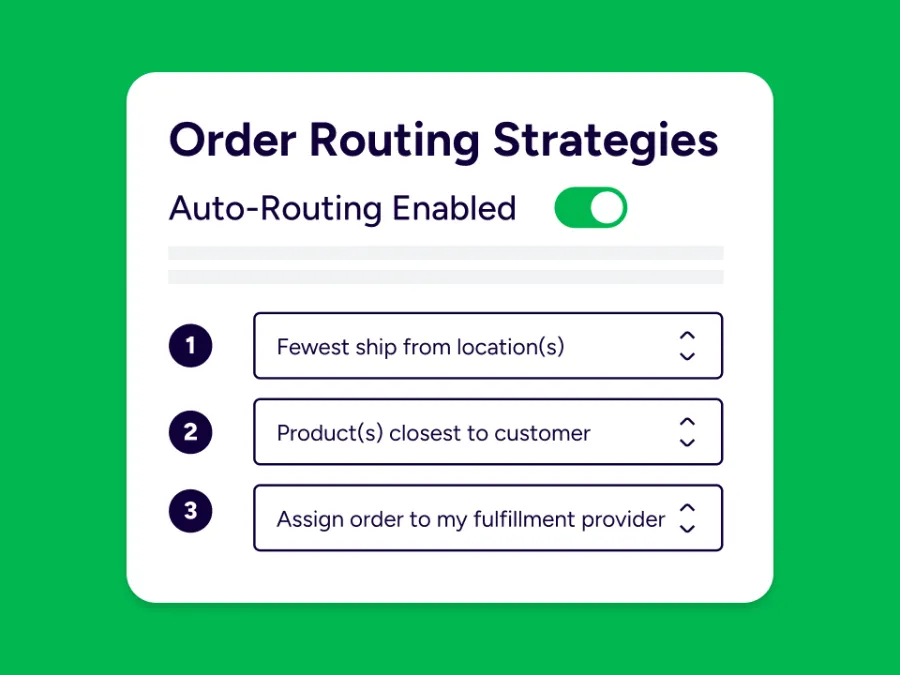
ShipStation helps you route orders to the right store or warehouse with automation rules and multi-location logic. Auto-Routing selects the best location based on inventory and distance. Auto-Split divides a single purchase into multiple shipments when items are in different locations. Fulfil from stores or offer BOPIS without adding manual steps.

Real-time cross-channel visibility

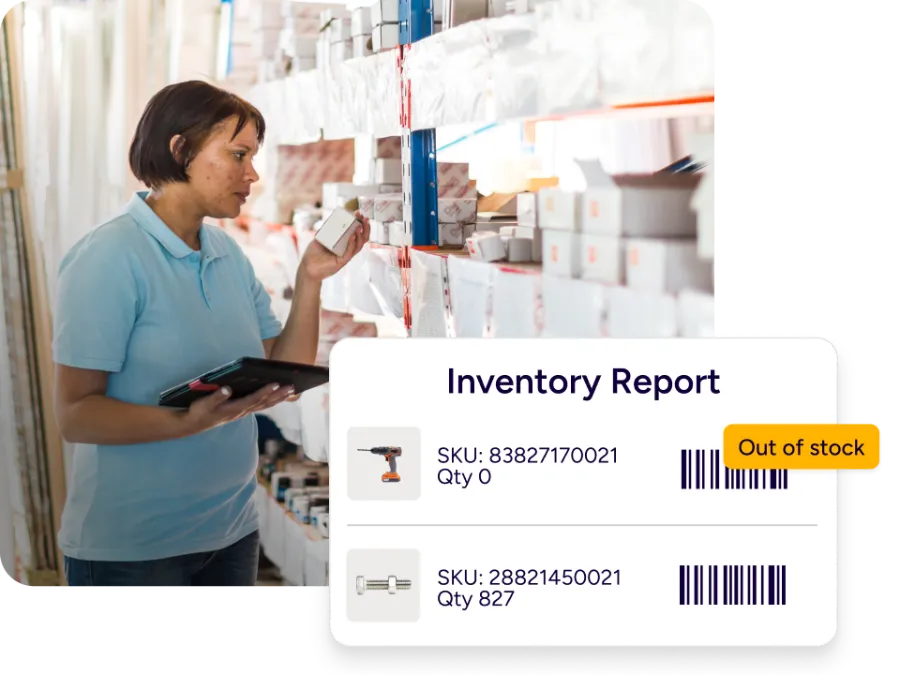
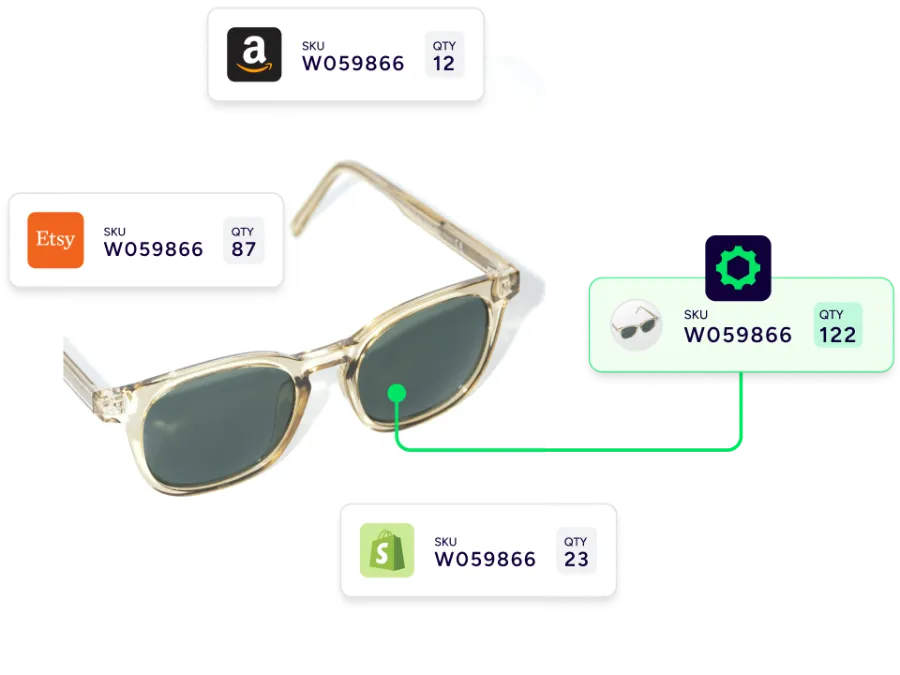
Keep operations grounded in accurate inventory. With ShipStation’s internal inventory tools, you can track stock levels and synchronise counts across key selling channels like Shopify, Amazon, and WooCommerce. This helps prevent overselling, supports better order processing decisions, and keeps every channel aligned with what is actually on the shelf.

Automate fulfillment and scale effortlessly

Scale without adding clicks. ShipStation automations can select shipping services and package types, set weights and dimensions, split orders into multiple shipments, assign orders to warehouses, and send them to connected fulfillment providers. Configure your strategies once with product settings, service mapping, and automation rules—then let the system handle repetitive tasks for every new order.

Built-in customer service tools

Give support teams a complete view of all orders. Use Quicksearch for fast lookups by name, SKU, order number, or tracking. Use Advanced Search to filter by status, store, SKU, or date range. Agents can quickly locate any purchase, check its status, and decide whether to hold, reship, or cancel. Never leave customers guessing again.

Connect ERPs and warehouse systems

Extend ShipStation across your tech stack. Integrate with ERPs and warehouse management systems through connected stores, inventory partners, or the ShipStation API. Work seamlessly with 3PL partners that share stock counts and fulfilment data. Stay in control even when inventory and warehouse operations live in specialised platforms.

Track inventory and performance

Know how your operations perform. Run low-stock, out-of-stock, and audit reports to stay ahead of demand, while order status and shipment data give you insight into processing times and shipping performance across channels. Use these insights to help you refine your omnichannel strategies.

Related Content

Helpful Shipping Resources

Browse additional articles, guides, and insights related to shipping and fulfilment. These resources provide practical advice and best practices to support your day-to-day operations.

How to Compare International Shipping Quotes and Calculate Global Carrier Delivery Costs

Here’s a practical guide for comparing international shipping quotes and choosing the right carrier.

Solved: The 5 Biggest Shipping Challenges Facing British Ecommerce Businesses Today

Running a successful ecommerce business in Britain today is a constant balancing act. See how ShipStation solves the biggest challenges.

Shipstation’s On-Demand UK Masterclasses

From printing your first labels with carriers like Royal Mail and DPD to advanced automations, learn how to scale your Domestic and International shipping operation. Join our local team for a series of deep dives into the ShipStation platform, specifically for UK based ShipStation users.

Try us free

What you can look forward to in your 30-day free trial:

  • check-dark-green    Get instant access to all of our features


  • check-dark-green    Connect to over 400 integrations
  • check-dark-green    See how much our rates can save you on shipping

G2 Award - Best ROI Spring 2026

G2 Award - Highest User Adoption Spring 2026

G2 Award - Momentum Leader Spring 2026

G2 Award - Ecommerce Leader

Award 1

Award 3

Award 4

Award 5

Award 6

Omnichannel fulfillment FAQs

Omnichannel fulfillment is the process of managing inventory, orders, and shipping across multiple selling channels. This includes marketplaces, branded carts, and physical locations. ShipStation centralizes order import, status tracking, and multi-carrier shipping, so your team can fulfill orders from a single system rather than juggling separate workflows for each channel.

Yes. ShipStation can route orders to specific locations, support multi-location workflows, and split orders when products ship from different places. This makes it easier to fulfill BOPIS and ship-from-store scenarios as part of a broader omnichannel fulfillment strategy instead of managing them by hand.

ShipStation offers internal inventory tracking, committed inventory visibility, and Inventory Sync to help businesses keep stock counts accurate at all times. When used alongside external inventory platforms, it can also display stock counts from partners. With ShipStation’s real time inventory tracking, you always know when it’s time to fulfill orders.

Absolutely. ShipStation imports orders from connected stores like Shopify and Amazon, as well as manual entries, CSV uploads, and API-driven custom stores. Once in ShipStation, all orders follow the same omnichannel processing and shipping workflows, no matter where they originated.

ShipStation connects with ERPs and warehouse management systems through direct integrations, inventory partners, or custom API connections. Your ERP or WMS handles purchasing, financials, and warehouse operations. ShipStation manages order routing, shipping, and inventory visibility. Together, they form a complete omnichannel fulfillment solution.

ShipStation provides order and shipment data alongside inventory reports like low stock, out-of-stock, and audit reports. These tools help you understand which channels are driving demand, how efficiently you fulfill orders, and where to refine inventory and fulfillment operations to better support omnichannel retail.

Yes. ShipStation lets you create automation rules to route orders, assign carriers, apply tags, and split shipments, reducing manual work and ensuring consistent fulfillment workflows.