Back
Back
































































 LTL Shipping


Shipping isn’t just a cost—it’s a crucial part of your business strategy. Whether you’re sending products across the country or around the world, knowing how to calculate shipping costs accurately ensures you stay competitive, profitable, and transparent with your customers.
In this guide, we’ll walk you through everything from calculating shipping for USPS, FedEx, and UPS to how to charge for shipping on eBay, Etsy, Amazon, and your own website.
When you’re trying to calculate shipping costs for your online store, it’s easy to feel overwhelmed. Rates vary not only between carriers like USPS, UPS, and FedEx, but also by size, weight, destination, and timing. If you’re a small business owner or just starting to sell online, getting a clear understanding of these cost drivers is key to protecting your margins and keeping your customers happy.
Let’s walk through the main factors you’ll want to consider when figuring out how to calculate shipping costs—no spreadsheets or guesswork needed.
This one seems obvious, but it’s where most shipping calculations start. A package’s total weight—including the box, any inserts, and packing materials—has a direct impact on the final cost.
Whether you’re trying to calculate shipping cost USPS, FedEx, or UPS, every extra pound can push you into a higher rate tier. For small businesses, especially, shaving off a few ounces can make a big difference across hundreds of shipments.
Tip: Use a reliable digital scale to weigh your shipments consistently and avoid billing surprises.
Beyond just weight, carriers also take into account how much space your package occupies. This is known as dimensional weight (or DIM weight), and it’s especially important when your item is large but lightweight—think pillows, pet beds, or yoga mats.
Learning how to calculate shipping costs using dimensions is essential if you sell oversized or oddly shaped items.
Shipping zones reflect how far your package has to travel from its origin to the customer. The higher the zone (ranging from Zone 1 to Zone 9 for domestic U.S. shipments), the more you’ll generally pay.
Knowing your average customer location—and using the right carrier for that region—can make a big difference over time.
Once you’ve nailed the basics of weight, size, and zone, you’ll still want to factor in the extra fees many carriers apply. These surcharges can include:
While USPS typically includes most charges upfront, FedEx and UPS often post-bill these costs after the label is printed.
Delivery speed is often the biggest trade-off between cost and customer satisfaction. Offering 2-day or next-day delivery is great for conversions, but it comes at a premium. Ground shipping is usually the most affordable, while overnight or express services can cost 2–3x more—especially for long distances or heavier packages.
When you’re figuring out how to calculate shipping costs for small business growth, consider offering multiple delivery speeds and letting customers choose. That way, you’re not absorbing premium rates unless it’s truly needed.
Use ShipStation’s tools to automate shipping cost calculations, compare live carrier rates, and charge customers the right way—every time.
Start a Free TrialEach carrier treats dimensions, weight, and surcharges differently. Here’s a breakdown to help you calculate UPS, FedEx, and USPS shipping costs more accurately.
USPS has more restrictive size and weight limits compared to private carriers, but its rates are predictable and typically include all fees up front.
No surcharges for residential or Saturday delivery make it a simpler option for many shippers.
FedEx offers generous size limits, but exceeding them comes at a cost—and many surcharges are applied after delivery.
Dimensional weight pricing and post-billed surcharges (like fuel or residential) can significantly raise total cost.
UPS allows the same size and weight maximums as FedEx, but charges even higher oversize penalties.
Extra charges apply for residential, extended area, or Saturday deliveries unless you’re using a discounted business account.
Shipping carriers don’t always charge by actual weight. Depending on your package size, you might save money with cubic pricing—or pay more due to dimensional weight.
Here’s how both models work so you can choose the most cost-effective option.
Cubic pricing is a great way to save money when shipping small, dense packages. Instead of being charged by weight alone, carriers like USPS offer special rates based on package volume.
ShipStation offers access to discounted cubic rates via our integration with Stamps.com.
Dimensional (DIM) weight works in the opposite direction—it penalizes large, lightweight items by charging for the space they take up.
| Carrier | Domestic Dimensional Formula |
| UPS | (L x W x H)/ 139 |
| FedEx | (L x W x H)/ 139 |
| USPS | (L x W x H)/ 166 |
Each carrier approaches pricing a bit differently. Knowing what to expect can help you calculate shipping costs more accurately—and avoid surprise charges on your invoices.
USPS offers simple, upfront pricing—ideal for merchants who want transparency. There are no residential or Saturday surcharges, and you’re charged at the time you create the label. This makes it easier to estimate final shipping costs, especially for flat-rate and regional-rate options.
FedEx pricing is more complex. The rate shown at label creation may not include all surcharges—like fuel, residential delivery, or extended area fees. To control costs for home deliveries, consider using FedEx Home®, which includes Saturday delivery at no extra charge.
UPS provides reliable service for domestic and international shipments but often includes surcharges for residential, remote areas, or additional handling. However, with ShipStation, you gain access to pre-negotiated discounted UPS rates, which can significantly reduce your total shipping costs and eliminate many common fees.
Finding the right way to charge for shipping is all about balancing cost recovery with customer expectations. Charge too much, and customers may abandon their carts. Charge too little, and your margins take a hit. Here are three proven approaches:
To save on shipping your parcels as well as everything else, sign up for ShipStation to see how cheap shipping can be.
Flat-fee shipping charge one standard rate (e.g., $4.99) for every order, regardless of weight or destination.
Works well for stores with consistent product sizes or when shipping domestically.
Offer free shipping on orders above a certain value, like $75. This strategy encourages higher cart totals.
This is one of the most effective ways to reduce cart abandonment and increase conversions.
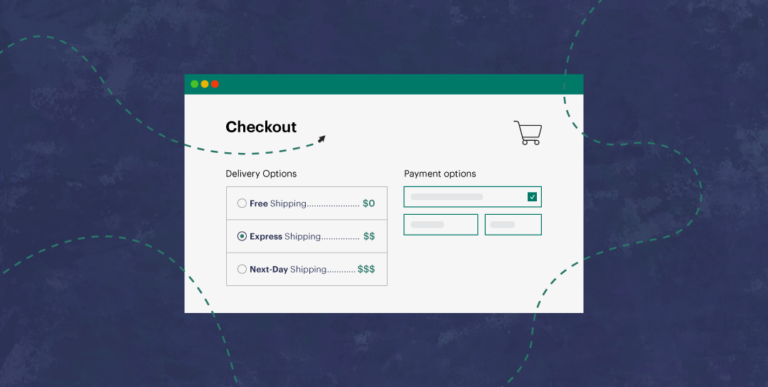
Use real-time carrier rates at checkout to show customers exactly what it costs to ship their order.
To soften the impact, consider partially subsidizing shipping or offering free shipping for certain zones.
Tip: Use ShipStation’s rate comparison tool to choose the most cost-effective shipping method per order.
Each eCommerce platform has its own quirks when it comes to shipping—and your strategy should reflect that.
Etsy encourages free shipping on orders over $35 through its free shipping guarantee. To stay competitive:
Amazon heavily favors listings with free and fast shipping—especially for Prime sellers or those competing for the Buy Box.
eBay requires all shipments to include tracking and arrive within the promised timeframe.
If you’re selling on your own store, you have full control over how you present shipping.
Did you know? 78% of shoppers say they’re more likely to buy from small, independent brands now than before COVID-19. Clear shipping costs and fast delivery help convert that intent into sales.
To start saving on shipping costs, sign up for a free ShipStation trial today!
Shipping within your own country is usually more predictable, while international orders introduce extra complexity. Knowing the key differences helps you charge accurately and protect your margins.
Domestic shipping is generally straightforward and easier to manage. You can choose flat-rate, real-time, or threshold-based pricing depending on your goals.
Automation and multi-carrier options (like those in ShipStation) make it easy to adapt rates per shipment type.
International shipping involves more variables—especially taxes, duties, and returns. When you calculate international shipping costs, make sure to include:
Rejected or undeliverable items can become costly. You may need to choose between having them returned (and paying again) or marking them as abandoned. Either way, it’s essential to set expectations and price accordingly at checkout.
When you’re running a growing eCommerce business, every dollar—and every delivery—counts. Learning how to calculate shipping costs accurately can mean the difference between profit and lost margin.
Here’s where to focus your efforts:
Understanding your shipping costs helps you price more confidently, delight your customers, and scale more efficiently.
ShipStation makes it easier to cut costs and deliver faster—without sacrificing customer satisfaction. With ShipStation, you can:
Use ShipStation’s tools to automate shipping cost calculations, compare live carrier rates, and charge customers the right way—every time.
Start a Free TrialThe biggest drivers of shipping cost are weight, dimensions (DIM), destination zone, speed, and any added surcharges like residential delivery or fuel charges.
USPS uses flat and cubic pricing with upfront charges. FedEx and UPS use DIM pricing and often add fees like fuel or delivery surcharges after the label is printed.
ShipStation compares real-time rates, automates shipping rule logic, and gives access to deeply discounted rates from USPS, UPS, and FedEx—helping users save time and money.