Back
Back
































































 Ecommerce Growth


Most ecommerce sellers treat returns as something to manage when they happen—not something to design in advance. But sellers who stayed small rarely use ecommerce returns management. Sellers who grew? Nearly twice as likely to have it in place.
Here’s what the data shows—and what it means for your business.
Early in a customer relationship, every interaction is a test. A clunky, slow return experience doesn’t just close the door on that order. It closes the door on that customer.
A fast, frictionless return tells a different story. It proves your brand is reliable even when things go wrong. That’s the experience customers talk about—and come back for.
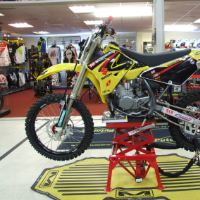
Guardian Sports experienced this firsthand. After building a proper ecommerce returns management process, they cut returns processing time in half and converted refunds into exchanges. Customer retention climbed between 30% and 45%. That’s not a minor operational tweak. That’s a growth lever built into the post-purchase experience.
“The returns portal has been phenomenal for us. It’s super easy for our customers to log in, track their order, go ahead and start a return process. And the exchange process has been phenomenal as well—that way we’re not losing money on a return, but we can actually get the customer exactly what they want.”
Jake Hanson, Chief Operating Officer, Guardian Sports
The return isn’t the end of the sale. How you handle it is.
According to ShipStation customer data, the adoption gap is striking. Only 1.5% of small ecommerce sellers use returns processing. Among large sellers, it’s 21.8%—a 14x difference. Of every feature measured, ecommerce returns management shows the widest gap between small and large sellers. Larger than automation. Larger than multi-carrier shipping.
The growth breakdown tells the same story.
Among sellers who started small and grew to higher tiers, 61% had used returns management along the way. Sellers who remained on starter plans and didn’t grow, only 32% had. Returns usage tracks with growth—not just scale. The sellers building returns processes early aren’t large companies with big budgets. They’re small sellers who grew into large ones—because they decided not to wait.
Most sellers assume they’ll set up a proper returns process once they need it. The problem: manual returns don’t send warning signals. You’ll process returns manually for months without a problem, and then one volume spike turns it into a crisis.
By the time you feel it, you’ve already lost customers. The cost of building a returns system late isn’t just operational. It’s the repeat purchases that didn’t happen. The customer who had one frustrating experience and never came back. Those losses don’t show up on an invoice. They show up in your growth curve.
The same pattern shows up across ecommerce operation decisions. The sellers who scaled fastest built infrastructure before volume forced them to—and the volume followed. Ecommerce returns management works the same way. Build the system before you feel the pressure, so the pressure is much easier to handle.
Done right, a returns process has four things most sellers don’t expect.
A clear ecommerce returns management process means customers get faster resolution and your team spends less time processing returns. Speed builds trust. Customers remember how easy it was—not that the return happened.
When returns are easy, customers choose exchanges over refunds more often. That’s money that stays in the business instead of going out as a refund. Customers who can return easily tend to buy again. That shows up in your repeat purchase rate.
A well-run returns process tells you what’s coming back, why it’s coming back, and which products carry return rates worth a closer look. That information makes your buying decisions, product descriptions, and customer communication better over time.
Your team isn’t firefighting. You’re not making manual calls on every incoming return. The process runs, and you focus on growing instead of managing the backlog.
The sellers who grow fastest don’t treat returns as an afterthought. They treat them as an opportunity—and they build for it early.
Ready to grow? Build your returns process today with ShipStation.