































Small BusinessesStart small, think big. Elevate your small-business shipping today.
Start Shipping in MinuitesStart shipping instantly with a simple setup. Buy and print labels in minutes with no training needed and no unnecessary steps.
Automate and ScaleSave time with rules that batch, route, and print labels automatically so your shipping keeps up as orders grow.
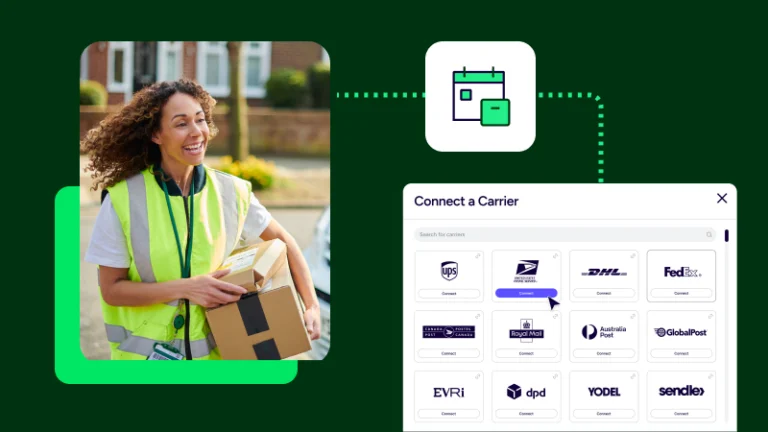
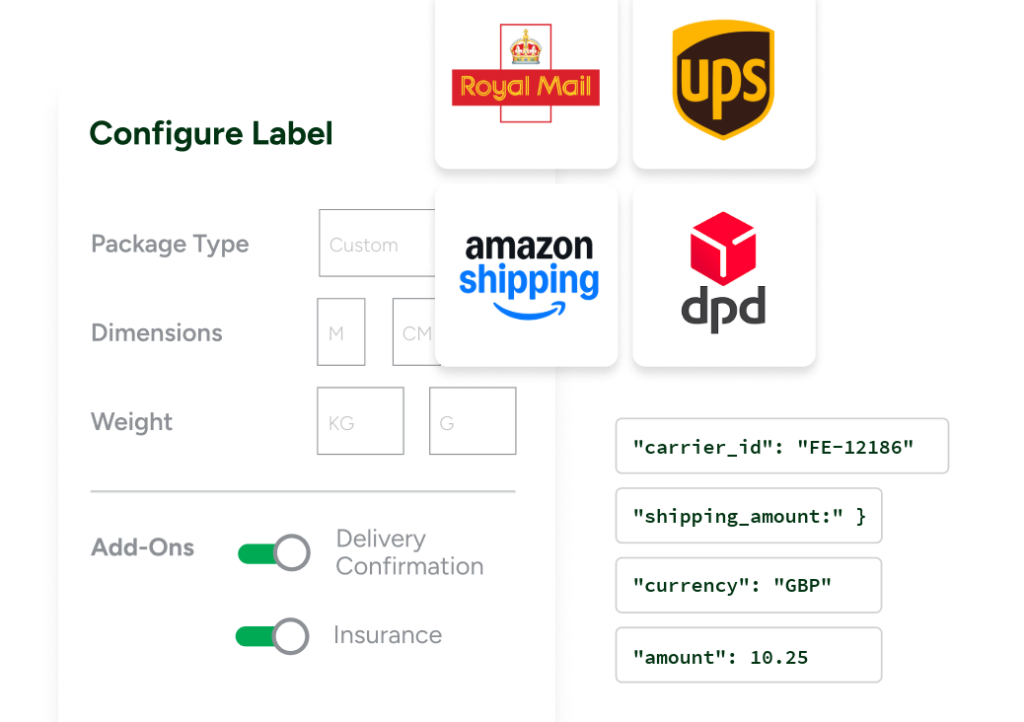
Access every major UK CarrierBuy labels directly from every major UK carrier and cut costs on every label, no matter where you ship.
Connect and CustomisePlug into hundreds of stores, marketplaces, and carriers, or extend ShipStation with custom API tegrations built for your business.
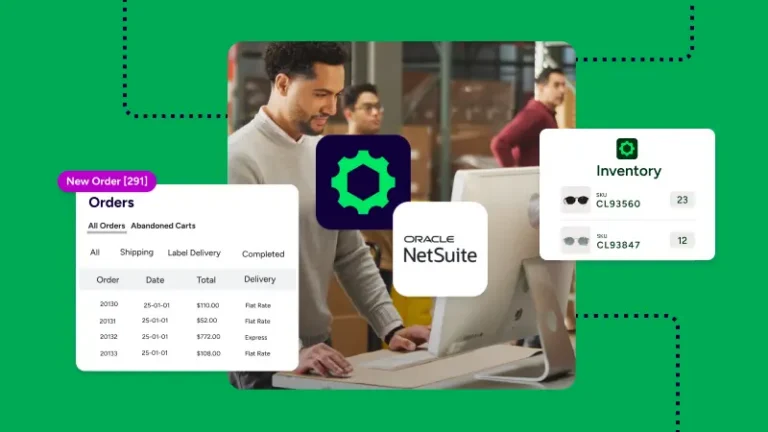
Manage Everything in One PlaceManage shipping, inventory, warehouse, tracking, and returns for all your stores and marketplaces in one simple platform.
Simplify ReturnsManage returns in one platform with prepaid labels and self-serve features that keep the process fast and frustration-free.
Medium and GrowingShip smarter, grow faster. Scale your fulfilment with ease.
Save on Shipping as you ScaleAutomate rate shopping across 200+ carriers, bring your own carrier accounts, and unlock deep volume discounts that grow with you.
Unlock Shipping InsightsAnalyse sales trends, shipping costs, and delivery times in one platform to identify savings, improve efficiency, and keep fulfillment running smoothly.
Centralise Omnichannel FulfilmentManage orders, shipping, inventory, warehouse operations, tracking, returns, and analytics across online stores and marketplaces with one platform.
Automate Order ManagementCombine Al intelligence with rule-based workflows to speed up fulfillment, streamline operations, and eliminate bottlenecks.
Scale With our APIsExtend your setup using our developer-friendly API for custom automated workflows and insights.
Start with Guided OnboardingOur experts walk you through setup, training, and workflows so your team feels confident and ready to ship quickly.
EnterpriseGlobal scale, local precision. Master shipping at every level.
Lower Shipping Costs at Global ScaleReduce global shipping expenses with real-time rate shopping and discounted carrier rates, helping your enterprise control costs and ship efficiently at scale.
International Shipping Made SimpleEasily manage customs forms, duties, taxes, and tracking while accessing global carrier options from one platform built for cross-border shipping.
Fulfilment APIsCustomize workflows at scale with APls for consolidating orders across channels, comparing shipping rates, validating addresses, tracking, analytics, and more.
Multi-Location FulfilmentManage inventory, orders, and shipping across multiple warehouses and stores with one platform built for multi-location fulfilment.
Advanced Shipping IntelligenceAccess powerful analytics that reveal trends, track spend, and measure performance to unlock global fulfilment efficiencies.
Dedicated Guidance and SupportCount on 24x7 support plus dedicated onboarding guidance so your enterprise shipping runs reliably from day one and beyond.
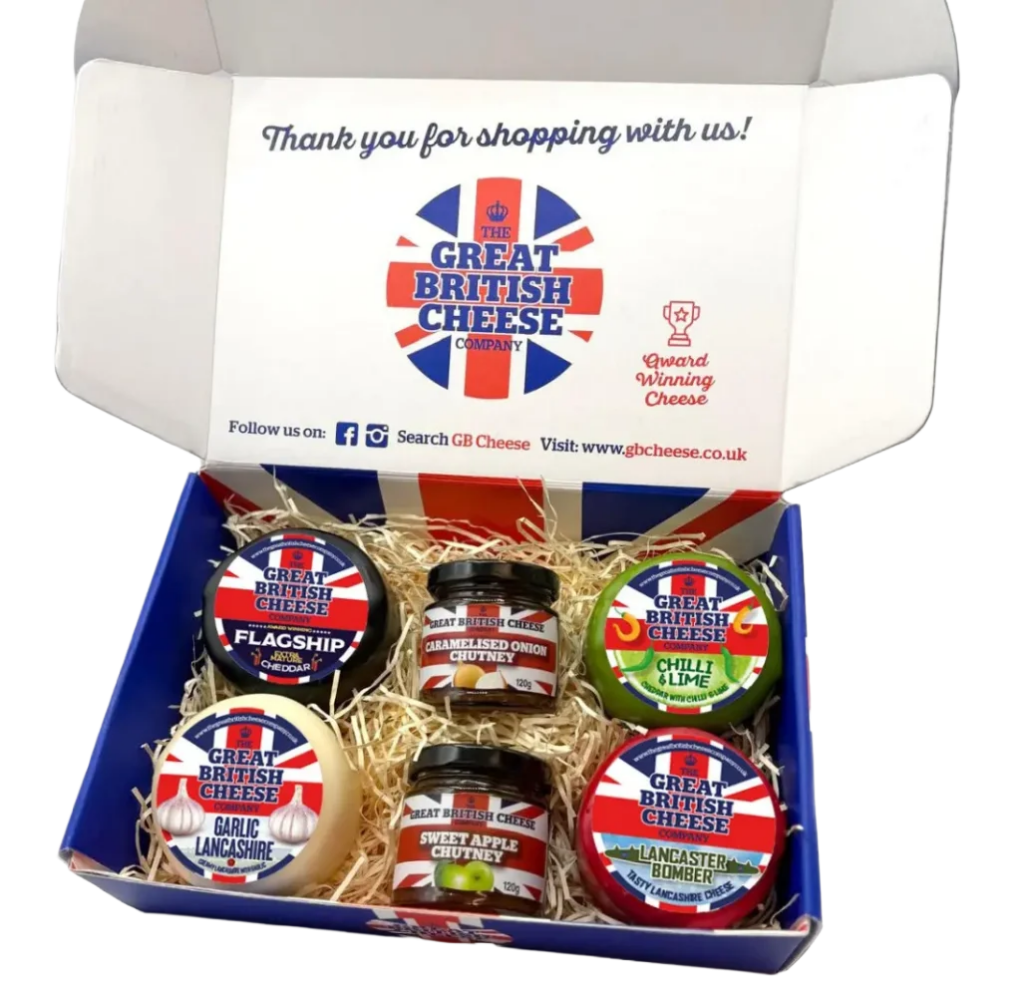
How The Great British Cheese Company Mastered a 6x Seasonal Shipping Surge With ShipStation
This family-run UK cheese company went from chaotic, manual seasonal peak fulfilment to processing 6x normal order volume with ShipStation—without doubling the team.
How The Great British Cheese Company Mastered a 6x Seasonal Shipping Surge With ShipStation
This family-run UK cheese company went from chaotic, manual seasonal peak fulfilment to processing 6x normal order volume with ShipStation—without doubling the team.
The conclusion is clear: AI is already influencing demand, competition, and delivery performance—and retailers that fail to adapt risk being excluded from AI-led shopping journeys altogether.
How to Set Up Bidding and Campaigns for Facebook Ads
After you’ve determined the goal of your advertising program, identified your target audience, set up a budget and designed your first Facebook ad, it’s time to consider how best to structure your payments to Facebook. For instance, you could pay for total impressions – how many users saw your add – or for each click on a link that takes the users right to your website.
Facebook advertising specialists like AdEspresso and Jon Loomer can guide you through the varied payment choices you make when setting up bids (how much you will pay) and ad campaigns. But one way or another, you need to understand your options in order to make the best decisions for your online store.
First, let’s take a brief refresher on Facebook’s three-level advertising platform, starting with the “Ad Campaign.” This is the big picture level, where you decide the objective of your program. If you want to drive users to your website, you would set up one ad campaign. But if you also want to increase your audience by asking users to “like” your store, you would have to create a second campaign for that purpose.
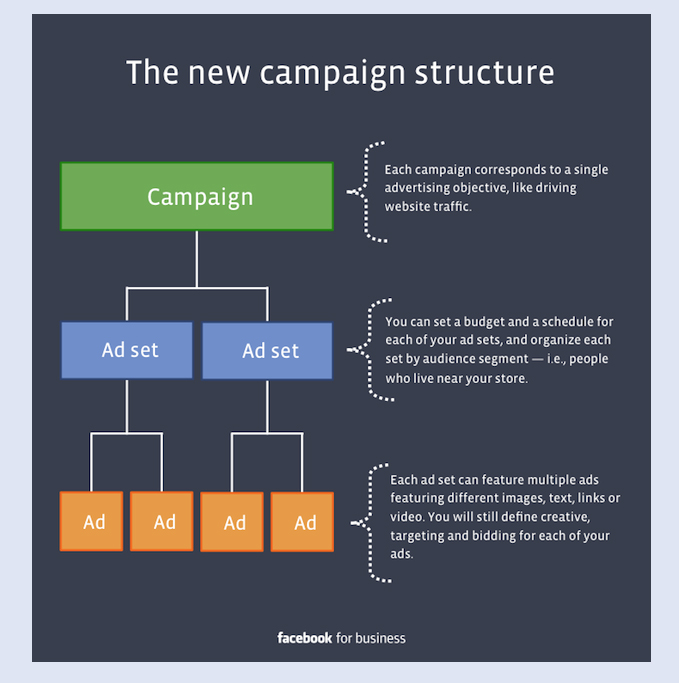
On the “Ad” level of Facebook’s platform are the specific advertisements you have designed for your campaign. That includes the type of ad (video, photo, text, etc.) and where those ads will appear on the page (right column, newsfeed, etc.)
In between the campaign and the ads is the “Ad Set” level. This is where you make choices for a group of your ads, including the budgeting for each ad set, when they would start running on Facebook and when they would end. For instance, you might want one ad set to run for 10 days, followed by a different ad set for the next 10 days.
While that’s pretty straightforward, the financial choices available on the ad set level can be a bit confusing, because you don’t pay Facebook a fixed amount for running your ads each day or week. Instead, your payments will vary depending on how you structure your budget.
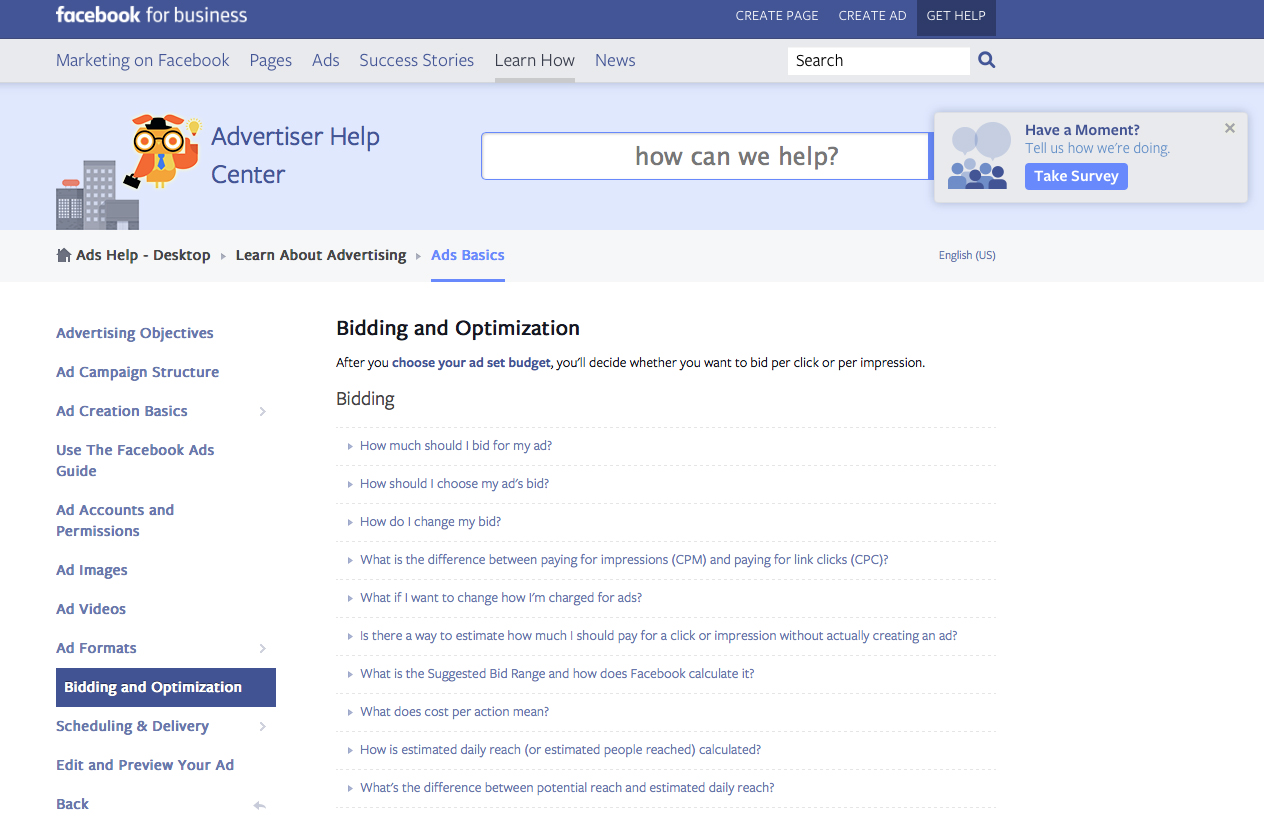
One of the major choices is whether you want to place a “bid per click” or “bid per impression.” That means thinking about the value of a user’s actions once he or she looks at your ad. Typically, a click that brings a user to your online store to make a possible purchase is more valuable than a click on the “like” button, since that lead requires more time and energy to turn into a sale.
With the first approach, which is called optimizing for clicks, you might decide to bid $2 for every click on the link to your website. The other second approach is optimizing per 1,000 impressions (CPM). If you bid a $1 CPM, you would then pay Facebook $1 for every 1,000 users who saw your ad.
If you’re new to Facebook, the experts agree that the automatic bidding and optimization program is the best choice. As the company says, “We optimize your bid so that your ads reach the maximum number of people likely to take the action that will help your achieve your goal without going over your budget.”
Once you have some experience with Facebook advertising, you can try different bidding strategies and amounts to see what delivers the best results. Because Facebook makes it easy to create new ad sets with different parameters, you can test almost every variable in your campaign, enabling you to use your marketing dollars most effectively.
Maria Fagerland
Maria is a multifaceted writer and editor who is passionate about creating content that helps businesses succeed. When she's not writing, Maria can often be found in her garden tending to her plants.