Back
Back





















































 Shipping & Fulfillment


“Easy to use” shows up on more shipping software homepages than almost any other phrase in ecommerce. Every platform claims it. Few actually prove it.
Every platform says its shipping software is easy to use, but that claim gets tested the moment you’re setting it up, not during the sales call. Here’s what actually makes onboarding simple, in the words of four sellers who lived through it.
The sales page is the easy part. It’s built to be. The real test comes after you sign up: connecting your store, setting up a carrier account, and deciding what to do with the automation rules you already built elsewhere. That’s the moment “easy to use” either holds up or falls apart.
Most sellers don’t abandon a new platform because the dashboard looks complicated. They abandon it because nobody showed them where to start. The gap between an easy shipping software demo and an easy shipping software rollout is where many switches quietly die—not from a bad product, but from a confusing first week.
If you’ve ever put off switching platforms because you dreaded the setup more than you disliked what you were already using, you already know this. The software was rarely the real obstacle. The onboarding was.
That’s true whether you’re running one store or several. Migrating existing shipping automation rules, reconnecting a warehouse team’s shortcut keys, making sure shipping tracking still syncs to every channel—none of it is complicated in the abstract. It just adds up fast when nobody’s walking you through the order to do it in.
Simplicity isn’t just clean design. It’s three things working together: a product that doesn’t need a manual, a plan that tells you what to do first, and a real person to ask when something doesn’t make sense.
The first one is table stakes. Every shipping platform claims an intuitive interface. The second and third are where most fall short. A seller signing up on a Tuesday doesn’t need a knowledge base with 400 articles. They need a sequence: connect this, set up that, print your first label.
That’s part of why guided onboarding exists at all—a dedicated point of contact who builds a plan around your timeline instead of handing you a login and a help center link. It’s also why live sessions matter. ShipStation runs a free, weekly Get Started webinar built for sellers who haven’t printed their first label yet, walking through account setup, carrier connections, and a first shipment in real time.
Neither approach is the only right one. Some sellers would rather work through setup on their own screen, at their own pace, and never talk to a person at all. Others want someone to confirm they’re not missing a step before they commit real orders to a new system. Having both options on the table, free and open to any new merchant rather than gated behind a plan tier, is often what separates “we’ll get to it eventually” from “we shipped our first order this week.” That’s the second ingredient of easy shipping software: not just a good product, but a good path through it.
None of this matters if it doesn’t hold up once real sellers are the ones setting it up. Four ShipStation customers, across four very different businesses, described onboarding the same way: fast, and surprisingly painless.

Dos Pistolos
Kenny Crenshaw invented a niche spray gun for right-of-way herbicide crews—and openly dislikes working on computers. Shipping through WooCommerce and eBay used to mean fumbling through separate carrier sites for every order.
“From the perspective of a guy who doesn’t like to do work on computers, ShipStation is pretty straightforward. It’s just easy to use compared to what I was doing before.”
— Kenny Crenshaw, Founder, Dos Pistolos
Wilderness Poets
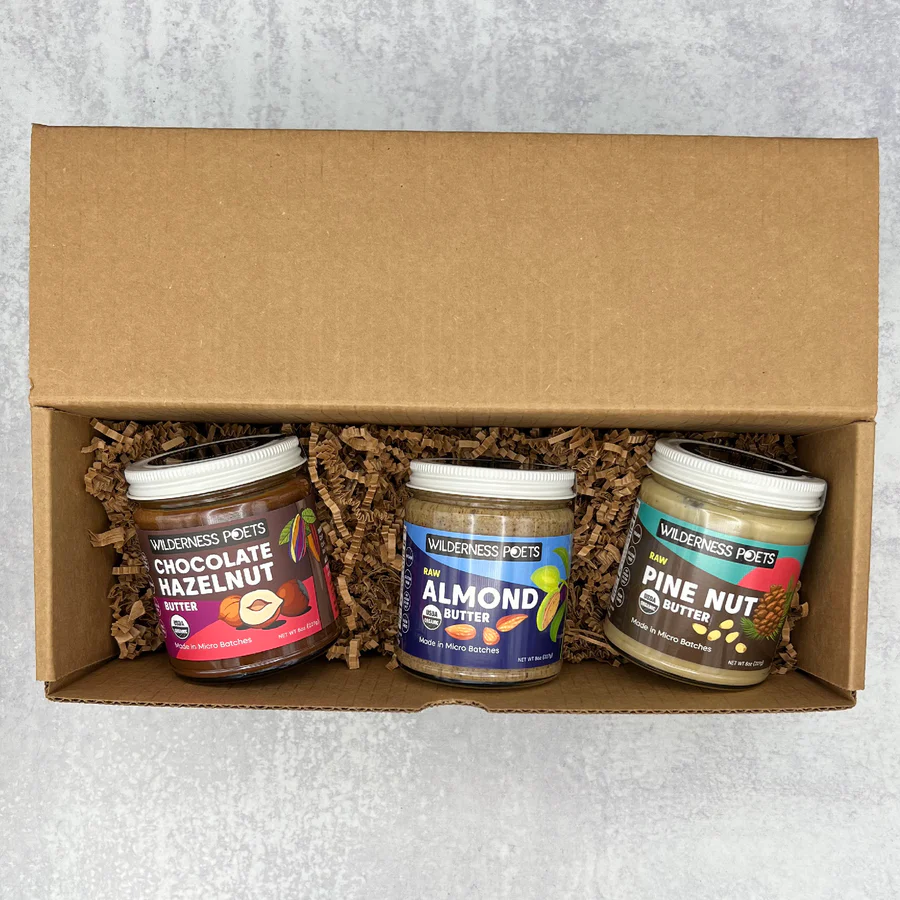
For years, Wilderness Poets logged into UPS.com and USPS.com separately for every order. Switching to ShipStation brought both into one place—the only setup step on their end was connecting their own UPS account.
“Once we set up our own UPS accounts, onboarding with ShipStation was a breeze. So easy and intuitive!”
— Jenna Kuczynski, General Manager, Wilderness Poets
SalesFlex
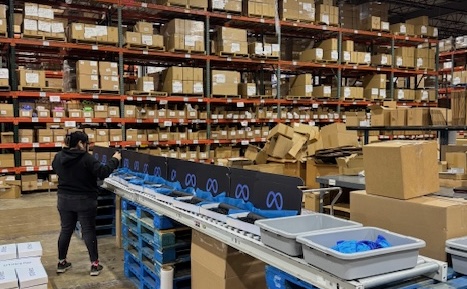
Kyle Zehring built his entire 3PL around ShipStation from day one. For a business that’s constantly onboarding new clients and warehouse staff, fast ramp-up isn’t a nice-to-have—it’s the whole model.
“ShipStation has really gone out and designed a product that’s very easy to use. You can onboard very, very quickly.”
— Kyle Zehring, CEO, SalesFlex
Sydney Sock Project
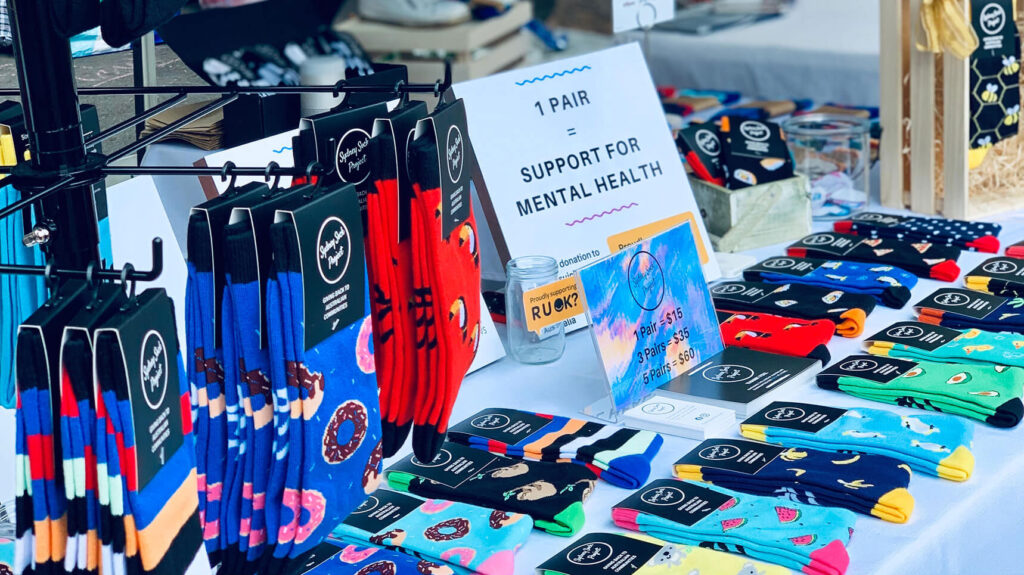
Andres Herrero didn’t have to build his workflow from scratch. Onboarding configured his automation rules and shortcut keys automatically, and new warehouse hires pick it up fast, even with no experience on complex software.
“The onboarding process set up all the automation rules right from the start, including shortcut keys, and the process became super easy.”
— Andres Herrero, Founder, Sydney Sock Project
Four different businesses, four different reasons to care about shipping software, and one word that kept showing up unprompted: easy.
The next time a platform tells you it's easy shipping software, don't just watch the demo. Ask what happens after you sign up.
Is there an actual plan, or just a support inbox? Can you talk to a person, or only search a help center? Can you watch someone else do the setup first, before you're the one figuring it out live on your own account? And once you're live, is there still a way to reach a real person if something breaks, or does the support disappear the moment you've signed the contract?
Those questions matter more than any feature list. The best shipping software in the world is only as useful as how quickly you can actually start using it—and how confident you feel doing it.
If you're getting ready to make the switch, start where these sellers did. Join a free Get Started session, watch the setup happen in real time, and find out how easy shipping software can actually be.