

























































ShipStation shipping insurance that runs inside your shipping workflow

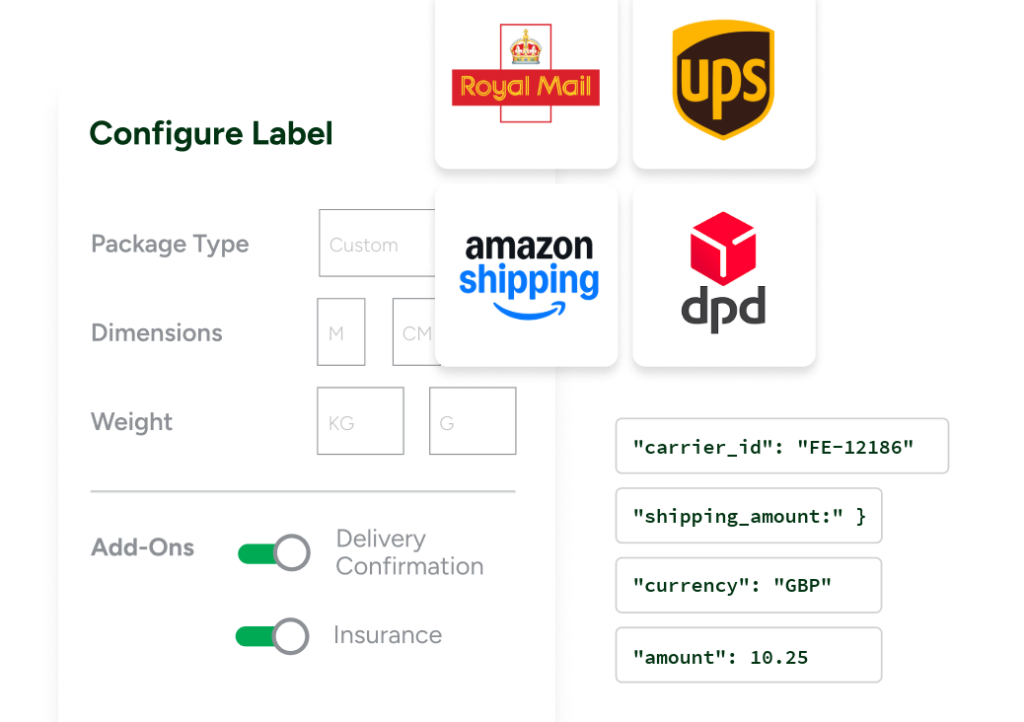
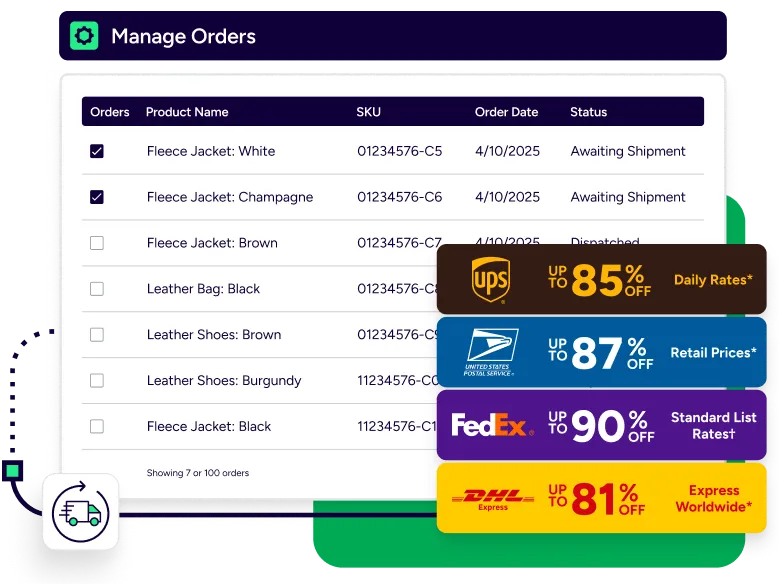
Shipping insurance shouldn’t be extra work. Our platform puts transit protection inside the label-buying step, so orders get covered before they leave the dock. Compare rates across UPS®, USPS®, FedEx®, DHL Express®, and GlobalPost™, set declared value, and keep everything attached to the order record your team already uses.

Shipping insurance that protects revenue without slowing fulfillment

Add transit protection right where labels get made. Rate shop across carriers, apply insured shipping automatically, and keep policies and claims in one place. Less manual follow-up. More consistent protection.

Protect margin on every order

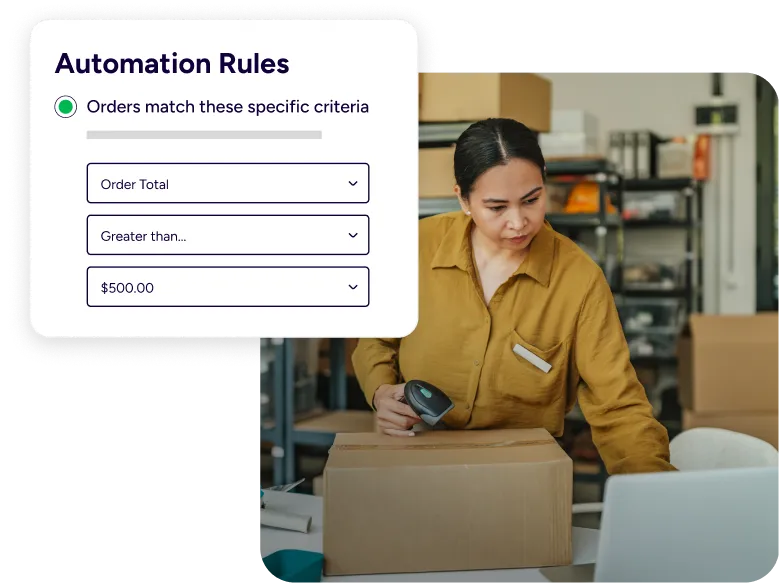
Refunds and reships erase profit fast, especially once labor and packaging are factored in. Tying protection to dispatch makes insured shipping a standard step—not something a pick-pack team has to remember. Set a threshold, flag high-risk packages, and let the rule run.

Keep policy coverage options flexible across carriers

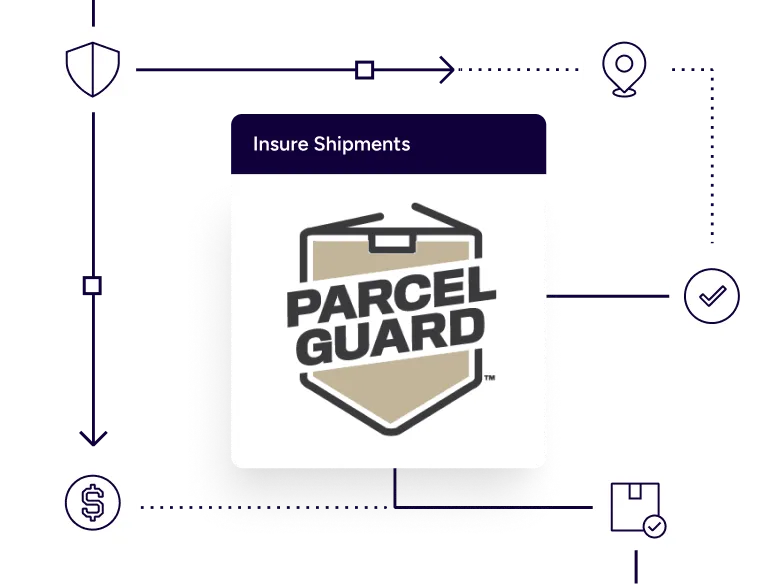
Carrier declared-value add-ons have their place. But they’re not the only option, and they’re rarely the cheapest one. Our platform puts independent parcel policies and carrier-declared value side by side, so the comparison happens before the label prints—not after something goes wrong.

File claims without leaving your shipping system

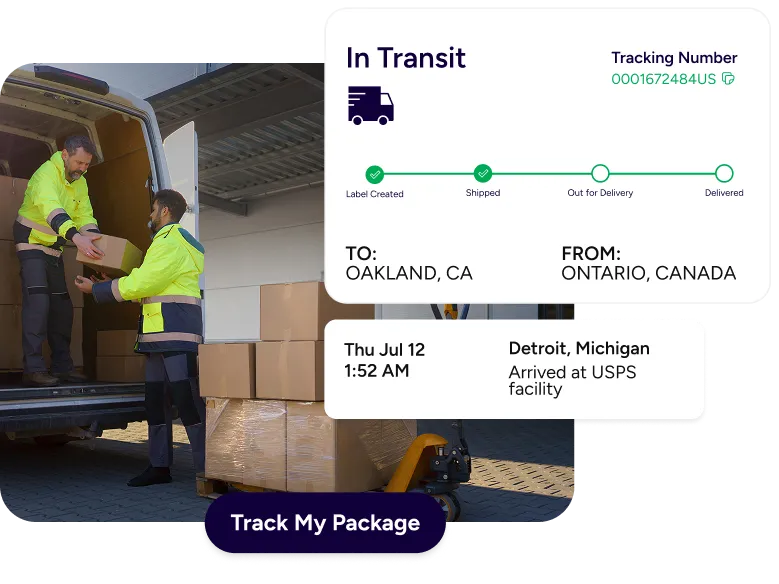
A missing package means your support queue fills up, not just your write-off column. We keep claim details close to the dispatch record—tracking history, order value, item info—so ops doesn’t have to reconstruct the timeline across five different tabs.

Rated #1 by Industry Leaders

We’ve helped 130,000+ businesses manage their shipping smarter. Let us save your team time and money, too.
Google 4.9 rating 67 reviews
Capterra 4.6 rating 897 reviews
G2 4.3 rating 531 reviews

What is shipping insurance and how does shipping insurance work in daily ops?

Shipping insurance reimburses businesses when a parcel is lost, stolen, or damaged on the way to its destination, based on the policy terms selected. We pull declared value selection, cost review, and insured order visibility into the same place labels get printed.

Choose carrier coverage or third-party protection at label time

Tacking on a policy mid-dispatch beats running a separate insurance checkout entirely. Add protection while configuring the parcel and the declared value stays tied to the label and tracking number automatically. Options vary by account and region, and may include ParcelGuard for U.S. accounts, carrier-declared value, and Total Shipping Protection by XCover for eligible countries. On ShipStation Legacy, Shipsurance may also be available.

Coverage that matches real ecommerce risk

Most plans cover loss, theft, or physical damage in transit—but the details matter. Total Shipping Protection also picks up return costs when a buyer sends back damaged goods, plus the tab for the replacement. For high-value orders, fragile kits, or porch-theft-prone routes, the difference between basic declared value and fuller coverage adds up in a way that shows on the P&L. Limits depend on the plan and the order.

Shipping insurance cost with a built-in shipping insurance calculator view

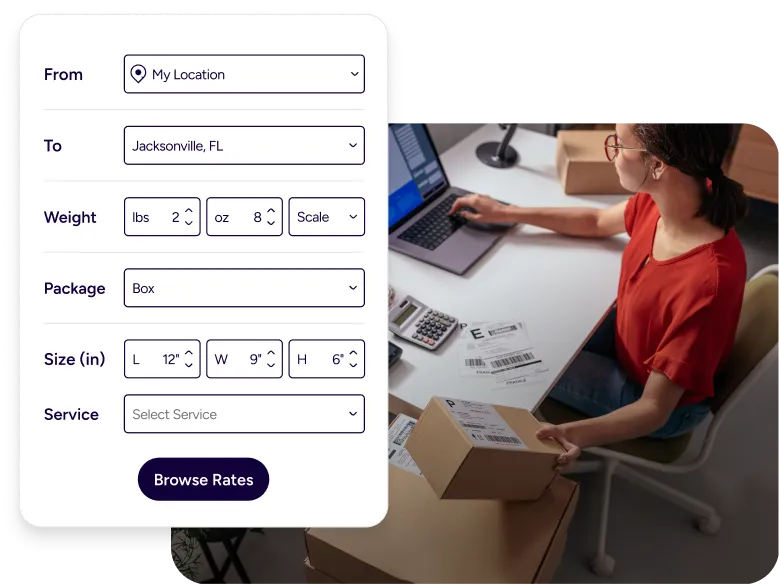
If you’re asking “how much is shipping insurance,” the real answer depends on a few key facts: the insured amount you enter, where it’s going, and which coverage option you pick. We make that easier to judge before you buy shipping insurance by showing a cost review inside the shipment flow. Think of it like a shipping insurance calculator that uses your shipment details,so you can weigh cheap shipping insurance goals against the item value and your risk tolerance. No guesswork. Just clear numbers before you print.

Automate shipping with insurance using rules and the ShipStation API

Rules turn parcel protection into a default instead of a decision. Flag orders above a set dollar amount, require transit policies for specific international destinations, or guard certain SKUs on every run. Shopify® storefronts where orders come in all day and marketplace flows including eBay benefit especially from this— no one has to remember to check a box. Developers can wire the same logic through the API, so protection follows business rules regardless of order source.

Claims flow tied to the shipment record your team already trusts

The claim doesn’t start from zero. Insured order info sits alongside the dispatch record—tracking history, declared value, item details—so the reimbursement request has context before anyone types a word. For Total Shipping Protection by XCover, a link opens directly from order details or the shipments grid. Timelines vary by insurer. Keep photos, receipts, and tracking screenshots before starting. You never know when they may come in handy.

Shipping insurance FAQs for ecommerce teams

Shipping insurance is coverage you can add to eligible shipments to help recover costs if packages are lost, stolen, or damaged in transit. In ShipStation, you choose coverage while you create labels, so protection stays connected to the shipment record. Coverage options depend on your account setup and location.
It depends on what you ship and how you run ops. Carrier coverage can be convenient, but third-party protection can be more cost-effective for many ecommerce shipments and may fit your claim workflow better. We let you compare options in one place,then pick what fits each shipment.
Loss, theft, and physical damage in transit are the core scenarios. Some plans—like Total Shipping Protection—also cover return shipping and the cost of reshipping a replacement. The exclusions are where plans differ most. Packaging requirements, item restrictions, and sub-limits all vary by insurer— all are always worth reading before committing to anything.
Declared value, destination, and plan choice drive the price. ShipStation shows the rate before the label prints. One thing worth factoring in: what a single lost package actually costs—labor to reship, refund issued, support time logged. The per-parcel rate rarely tells the full story.
The claim workflow is designed to stay close to your dispatch data. For Total Shipping Protection by XCover, you can launch the process directly from the order record or shipments grid—no need to hunt for policy numbers. Keep your documentation, including photos, receipts, and tracking history, ready to go. While reimbursement timelines vary by insurer and the nature of the incident, having everything attached to the shipment record helps keep the process moving.
If you ship enough volume, even a small issue rate adds up. Shipping insurance is worth it when a single lost box forces a refund, reship, and support time that hurts margin. Most teams start by protecting high-value orders, repeat customers, and higher-risk routes, then automate from there…
Yes for most parcel workflows: our platform supports protection strategies for Shopify and marketplace orders, including eBay, with automation rules that scale. For freight shipping insurance, needs are often different and may require carrier-specific or specialized coverage. Many teams still use our workflows for order, label, and documentation control, then choose the right freight coverage path per shipment.
Porch theft, and it happens more than carriers acknowledge. Standard declared-value coverage usually won’t pay out on a confirmed-delivered package—as far as the courier is concerned, the job is done. Third-party plans like ParcelGuard are built for exactly this gap. Coverage applies even after a delivery scan when the customer reports non-receipt, which is what makes it worth a second look for high-theft zip codes and high-value residential orders. Check the specific plan terms, but post-delivery theft is the scenario most carrier add-ons quietly exclude.