Back
Back

























































 Shipping & Fulfillment


Effective March 1, 2023, new import regulations go into effect for items imported to the European Union (EU). The EU will now require detailed customs descriptions and Harmonized System (HS) codes for each item you import to most of the EU member states. This massive reform allows for thorough identification and understanding of goods arriving in and being transported through the EU.
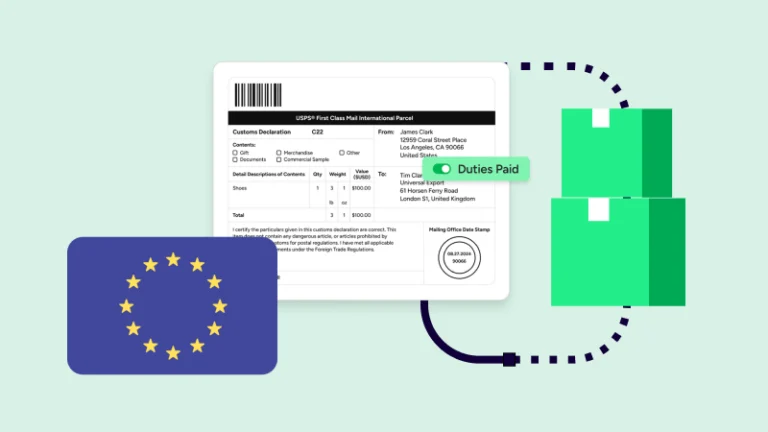
These changes are part of the EU’s comprehensive ICS2 reform of international commerce and shipping. These changes have the end goal of bringing enhanced security, expedited customs clearance, and accurately charged duties and taxes. And while these changes will create a smoother delivery of international orders, it will require a little extra work for shippers and mail-senders outside of the EU. Learning the HS codes and customs descriptions of each of your items can be time-consuming—particularly if you sell a wide range of items. This is especially true if you are manually entering this information on every order to generate customs forms like the CN22 and CN 23. With software like ShipStation there are ways to automatically generate customs forms with customs information included. While these requirements are only in place to orders going to the EU, it is recommended that you treat all international shipments with this same level of detailed information as it will only create a smoother, simpler delivery process.
HS codes are a universally recognized way of identifying goods, the materials they’re made of, and the intended purpose of the item. These codes follow “Harmonized System Nomenclature” to create a universal language that any customs agent can follow regardless of languages spoken or listed for the customs description. The purpose of HS codes is to ensure uniformity and consistency in the classification of goods traded globally.
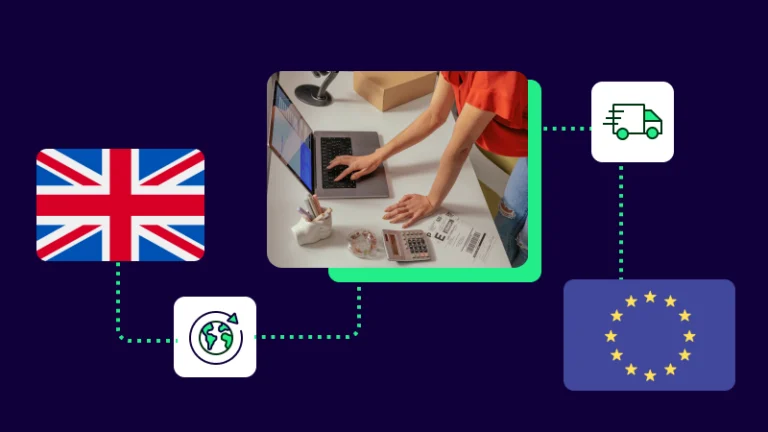
To comply with these changes, you need to include the HS code and corresponding customs description for every item you send to the European Union. Again, these regulations apply to any item passing through EU customs—even if the final destination is outside of the EU. So, if you are shipping to someone in Northern Ireland (a non-member state) and it passes through customs in Ireland, Ireland would require the appropriate description and HS codes be filled out on customs forms. As a result, it is best to be in the habit of always having the HS code and customs descriptions on any internationally bound shipment.
Properly filled-out customs forms with the correct HS codes and customs descriptions allow your products to pass through customs more quickly and efficiently. Additionally, they also allow for correctly assigned duties and taxes on the product. Failure to properly identify the imported items can result in higher price tags for merchants and recipients alike. While this will cause additional work in the short term, your international customers will see the benefit in the long run. Faster customs clearance means a shorter transit time and quicker delivery.
Historically, the EU and other governing bodies haven’t strongly enforced descriptions used to describe imported goods. However, these recent changes impact both HS codes and customs descriptions. The EU will no longer allow vague descriptions such as “gift,” “clothing,” or “artwork” as acceptable customs descriptions. The EU does offer guidance and some examples for some descriptions they have deemed acceptable via their Guidance on Acceptable and Unacceptable Terms for the Description of Goods. There are also ways to locate the correct HS code using tools like the Harmonized Tariff Schedule or the more premium Global Tariff Classification Research Tool for Trade.gov Users.
One way ShipStation helps simplify international fulfillment is thanks to international shipping partner GlobalPost. With easy-to-use, affordable shipping services for a range of parcel sizes, domestic shipping hubs, and an international network of last-mile providers, businesses of all sizes can simplify international shipping.
One thing GlobalPost offers to simplify international shipping is their On Demand HS Classification Tool. This tool works great for merchants that only ship a handful of SKUs internationally. With this, GlobalPost allows anyone to create up to five free classifications per day. Additionally, there is no requirement to use this service.
GlobalPost’s HS code fulfillment service is included along with any label purchased. When an item enters a GlobalPost warehouse, they’ll automatically assign the appropriate HS codes to the customs forms (granted a sufficient item description is provided).
Thanks to close partnerships with carriers like GlobalPost, UPS®, USPS, and DHL Express, merchants can find affordable international shipping options for parcels of any size, shape, weight, or class. Best of all, with ShipStation, you can save up to 82% on international shipping.
ShipStation can store records of any product you sell. When you add these product records into your ShipStation account, you can add the HS code and customs description. This then applies item-level customs information to any order that enters into ShipStation. For more information on how ShipStation streamlines international shipping, we have helpful international shipping setup guides and much more.