Back
Back





























































 Shipping & Fulfillment


When your business was smaller, shipping was simple. One warehouse. One carrier login. One person who knew where everything was. Then the business grew and shipping became more complicated.
More sales channels, more parcels, and perhaps a third-party logistics (3PL) partner or a second warehouse elsewhere in the country. Suddenly, the setup that got you this far starts to break.
That’s the reality of multi-warehouse fulfilment. Opening a second warehouse isn’t necessarily the hard part. The challenge is ensuring the processes that worked at one site still work across several sites. Spreadsheets, carrier portals, and the person who knows which courier to use can only take you so far.
The key to scaling successfully is fixing small problems easily, so growth doesn’t force a complete rebuild that costs you time, money, and peace of mind. Here’s where to start, and what to put in place before your next warehouse goes live.
Growth rarely breaks your shipping operation overnight. Instead, small problems build up one at a time.
First comes manual order handling. Copying details from your store into a carrier portal becomes time-consuming and error-prone when you move from shipping 20 parcels a day to 200. Every order means another round of copying, pasting, and double-checking, and one mistyped address or wrong service can mean a returned parcel, a refund, or a frustrated customer. The more orders you ship, the more of your day goes on retyping details instead of running the business.
Then inventory starts to drift. One sales channel shows an item as available when the shelf is empty. When stock counts are updated by hand, or only some of the time, what your channels show falls out of step with what’s physically on the shelves. That leads to overselling, cancelled orders, and customers who’ve been promised something you can’t ship.
Carrier choices depend on habit rather than the parcel. Using the same courier for everything is easy, but it often means paying more than you need to or sending a parcel by a service that doesn’t suit its weight, size, or destination. As order volumes grow, those small mismatches add up to higher costs and more delivery problems.
These issues might be manageable at one site. Add a second, and these become major fulfilment problems. Multi-warehouse fulfilment doesn’t necessarily create new problems. It exposes the ones you already have.
Free carrier portals are a sensible place to start. But they’re designed around individual carriers. Add another carrier, and you have another login. Add another sales channel and another place to check. Add a second warehouse, and keeping everything coordinated becomes harder still.
You’ve simply outgrown the job the portal was designed to do. Here are some signs it’s time to move on:
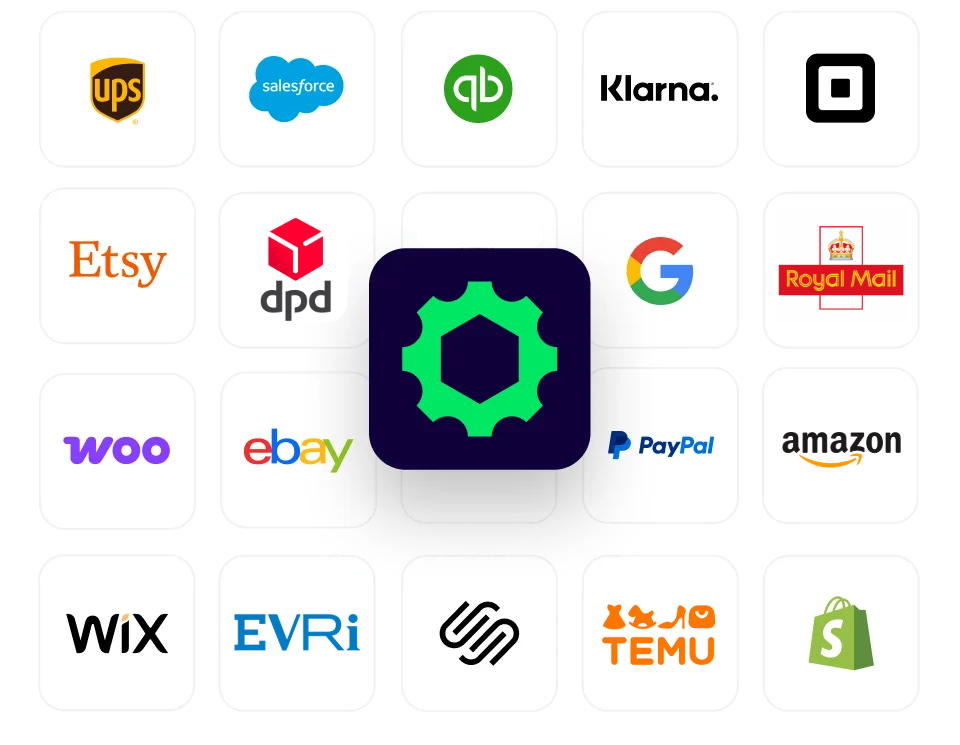
Moving to a multi-carrier shipping platform doesn’t mean starting from scratch. Your online store and existing carrier accounts can stay in place. Instead, orders, labels, and tracking come together in one system rather than scattered across multiple portals.
That’s how you scale without starting over.
Before opening another site, get your existing operation running more efficiently. Easy improvements can make a significant difference when order volumes rise.
Don’t try to automate everything in a week. Start with your five most repetitive decisions, such as choosing a carrier for lightweight parcels, and turn each into an automation rule.
Together, these changes can help your team handle more orders without adding unnecessary work or increasing the risk of errors.
A broader carrier mix gives you more ways to protect your delivery promise. If a service is delayed or rates change, you have alternatives ready instead of being tied to a single network.
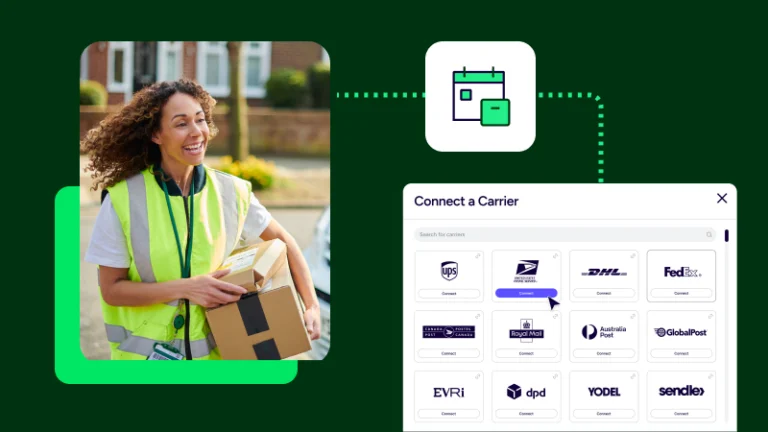
There’s another trade-off to consider. Connecting your own carrier accounts lets you keep your existing contracts and relationships. Using rates available through a shipping platform gives you access to pre-negotiated pricing without needing your own contract. Many sellers use both, comparing rates across their connected accounts to find the best option for each shipment.
Your carrier mix also affects how you route orders. If different sites have different carrier accounts, rates, or service rules, those differences can influence which location makes the most sense for a parcel.
A rate-shopping tool that compares only two or three carriers limits your options. The goal is to build a mix that balances cost with delivery performance, so every parcel travels with the service that suits it best.
Build your carrier mix around what you ship, not what you’ve always used. Start by looking at your actual order profile:
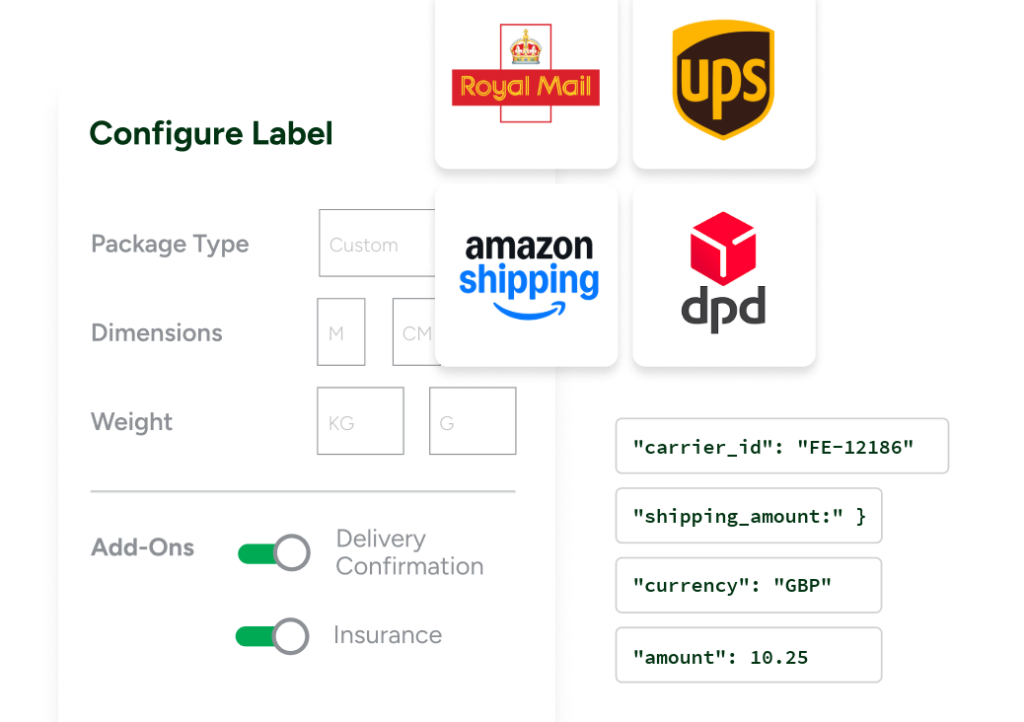
UPS®, Royal Mail, DPD, Evri, and Parcelforce offer different service options, and no single carrier is the best fit for every parcel.
Once you understand your order profile, turn it into clear routing rules. Lightweight parcels follow one path. Orders going to the Highlands and Islands follow another. Orders above a set value require a signed-for service. Define the decisions once, and let automation apply them consistently across thousands of orders.
When you’re ready to open another warehouse, define your routing logic. Effective routing answers three questions: Where is the inventory? Which location should fulfil the order? Which service can deliver it at the right cost?
A ship-from location could be a warehouse, a third-party logistics provider (3PL), a retail stockroom, or even a home-based operation alongside a main fulfilment unit. Orders can be routed by destination, inventory availability, sales channel, or delivery cost.
Start with a few clear automation rules:
Shipping one parcel from one location is usually cheaper than sending two parcels from two locations, so split orders only when the delivery promise or another clear business need justifies the extra cost. Review split shipments regularly, too. They can reveal inventory imbalances and gaps in your stock planning.
When a split is necessary, make the experience seamless for the customer. Shipping platforms such as ShipStation support workflows using Auto-Routing and Auto-Split to create separate shipments with the appropriate service, package, and fulfilment location. Tracking information can still flow back to your sales channel, while branded tracking pages and proactive updates help customers stay informed.
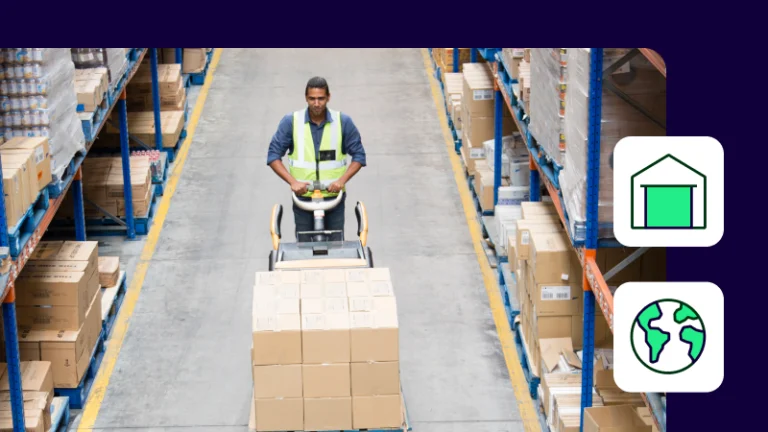
Many sellers expand to multi-warehouse fulfilment by partnering with a 3PL rather than leasing another facility. It can be a lower-risk way to test a new region, but it also introduces another handoff, creating a potential point of delay or error.
The solution is to treat your 3PL as another fulfilment location within your system, not as a separate operation. Orders should flow to the provider automatically based on rules such as sales channel, destination, or product type. If you’re emailing spreadsheets back and forth, you’re building delays into the fulfilment process. Returns should also remain connected to the relevant order and shipment records so they can be tracked across locations.
The same principle applies to your wider technology stack. Your ecommerce stores, marketplaces, carriers, and inventory tools should share a consistent view of each order. Review these connections whenever you add a new sales channel or change your fulfilment setup.
Avoid building an overly complex setup from day one. Start with routing, automation, and carrier accounts, then add integrations as your operation grows.
If you’re missing two or three of these, you’ve identified some clear priorities for improvement.
Scaling rarely breaks your shipping operation all at once. More often, small inefficiencies accumulate, and adding a second site makes each one harder to manage.
To avoid small inefficiencies from accumulating, address the fundamentals first. Move beyond basic carrier portals when your needs outgrow them, establish clear defaults and automation rules, and leverage a carrier mix that fits your parcels. Match services to your parcels rather than relying on habit. Define routing and split-shipment rules before opening another location, prepare for peak volumes, and integrate your 3PL into your existing systems.
That’s how you scale multi-warehouse fulfilment without multiplying the headaches or rebuilding your operation from scratch.
The gap between sellers with scalable shipping processes and those without them grows with every order. Start a free trial of ShipStation to ensure your shipping operations will be ready when you add another location.