Back























































 eCommerce Growth in the UK


Where you list matters more than it used to. A few years ago, the UK answer was Amazon, eBay, and maybe your own site. Now there’s social commerce, a resale market big enough to matter, and high street names running their own marketplaces.
Most UK sellers end up on more than one channel. This guide covers the main options, what each one genuinely suits, and how to think about picking—rather than just following—the biggest audience.
A marketplace is a site that brings buyers and sellers together and facilitates transactions. You list your products, and the platform owns the customer relationship and takes a cut.
That’s different from an ecommerce platform like Shopify or WooCommerce, where you build your own shop and own the customer relationship yourself. Both are covered here because the real question most sellers are asking is “where should I sell?”, and the honest answer usually involves both.
Match the category first. DIY goes to B&Q before anything else. Handmade goes to Etsy or notonthehighstreet. Artisan food and drink go to Yumbles. Fashion resale goes to Vinted or Depop. Audience size matters less than audience fit.
Start with the open channels. eBay, Amazon, Etsy, OnBuy, and TikTok Shop let you register and start. The curated ones—Not On the High Street, Yumbles, Tesco, B&Q—want an application and often a track record, so they come later.
Price each channel separately. The same product can be profitable in one channel but not in another. Every platform structures its costs differently, and they change, so work it out using each platform’s current fees rather than a guide including this one.
Don’t chase channel count. Each one adds order management, stock sync, and customer service. It’s better to do two channels well than five half-heartedly.
Still the default UK channel, with the largest audience and open registration across most categories.
Suits: Branded goods at volume, anything where you can compete on price and availability.
Worth knowing: Amazon retails against its own sellers, and competition is severe. Product data requirements are strict, and FBA is available if you’d rather have Amazon handle fulfillment.
Second by audience and the strongest UK channel for used, refurbished, and collectible goods. Fixed-price and auction formats both still work.
Suits: Niche and hard-to-find items, refurbished stock, sellers who want a low barrier to entry.
Worth knowing: You can start listing without a shop subscription, which makes it one of the easiest channels to test. eBay sets the rules for returns and service, so you have less control over how you operate than you do on your own site.
Etsy owns handmade, vintage, and personalised in the UK, and it’s the obvious first stop if that’s what you make.
Suits: Makers, small-batch producers, personalised and gifting categories.
Worth knowing: Buyers arrive with intent but expect authenticity and detailed listings. Packaging and unboxing influence reviews more here than on any other channel, which matters if you’re competing on craft rather than price.
The fastest-moving channel in the UK right now. In-app checkout, live shopping, and creator partnerships turn content directly into orders.
Suits: Visually demonstrable products, impulse purchases, and anyone who can produce video consistently or work with creators.
Worth knowing: Volume can arrive suddenly and unevenly, which is as much an operational problem as a sales opportunity. Success depends on content output rather than listings alone, so it’s a different kind of work from the other channels here.
The UK-grown alternative, and the one most often recommended for diversifying away from Amazon and eBay.
Suits: Sellers who want a second generalist channel with less competition and clearer economics.
Worth knowing: The audience is much smaller than Amazon or eBay, so treat OnBuy as diversification rather than a replacement. Building a distinct brand identity on it is harder than on your own site. Check its current seller terms directly, because the model has changed since launch.
Not On the Highstreet: curated, gifting-led and application only. Suitable for creative small businesses, but you have to apply with a proper description of your business rather than just signing up, and there’s a one-off joining fee. Not On the High Street on ShipStation →
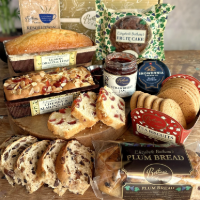
Yumbles: a UK marketplace for independent food and drink makers, with kitchenware and foodie gifts too. You apply rather than just sign up, and you need to be based in the UK. Customers buy through Yumbles, and you pack and send each order yourself. ShipStation connects to it directly, so orders import automatically, and shipment details go back to Yumbles when you create the label. You’ll need an API key from Yumbles to set it up. Yumbles on ShipStation →
Temu and Shein: both now run local seller programmes in the UK.
Retailer marketplaces: Tesco, B&Q, Screwfix, Currys and Debenhams all host third-party sellers now. Curated and harder to get into, but far less crowded than Amazon if your range fits the host’s category.
Your own site: Shopify, WooCommerce, Squarespace, Wix. Full control of brand and customer data, and no marketplace taking a cut, but you’re responsible for all the traffic. Most sellers run this alongside marketplaces rather than instead of them.
The operational problem with multi-channel selling isn’t listing; it’s everything after the order lands. Different label formats, different service-level promises, stock that needs to stay in sync, and returns policies that vary by platform.
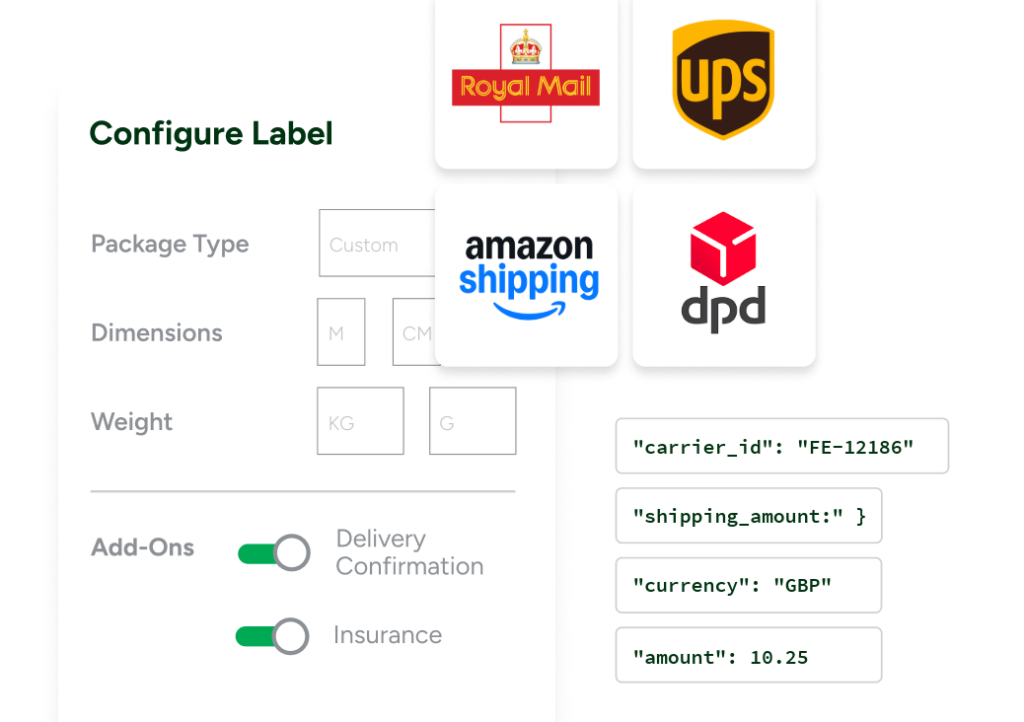
With ShipStation, you can pull orders from your marketplaces and your own shop into one place, compare rates across Royal Mail, Parcelforce, Evri, DPD, UPS, and GlobalPost, and print labels in batches rather than platform by platform.
Pull orders from every marketplace and your own shop into one dashboard. Compare rates across six UK carriers and print labels in batches.
Start a Free TrialWhich marketplace is easiest for a new UK seller? eBay or Etsy, depending on what you sell. Both have low barriers, no subscription needed to start, and they build the trading history that curated channels later ask to see.
Should I sell on Amazon and eBay at the same time? Plenty of UK sellers do, and the audiences overlap less than you’d think. Just price each channel separately, because what’s profitable on one isn’t automatically profitable on the other.
Do I need my own website as well? Not to start. It becomes worth it when you want to own the customer relationship and the data, build your own brand, or keep more of the margin with repeat buyers.
Is TikTok Shop worth it for a small business? It can be, if you can make videos regularly. It rewards content rather than listings, which suits some sellers and not others.
How many channels should I sell on? Fewer than you think. Every channel adds stock sync, service, and fulfilment overhead. Get one profitable before adding the next.