Back
Back






























































 Shipping


Peak season looks different depending on what you sell. For a toy brand, it’s November. For a florist, it peaks in May. For a chocolatier or a jewelry seller, it might be the 10-week stretch between Easter and graduation that keeps their team up at night.
Spring peak season doesn’t get the same airtime as Q4, but for a lot of sellers, it’s just as demanding—and a lot less forgiving. The shipping windows are tighter, the products are often more fragile, and the gift-driven nature of the season means a late delivery isn’t just an inconvenience. It’s a missed moment.
Ready to test your spring peak season knowledge?


source: 2025 National Retail Federation data on Easter, Mother’s Day, and graduation spending; NCA State of Treating 2026
Holiday peak season is a long runway. Shoppers start browsing in October, deals roll out over weeks, and merchants have time to course-correct. Spring doesn’t work that way.
Easter, Mother’s Day, and graduation each create their own short, sharp demand spike. Consumers aren’t shopping weeks in advance—they’re often buying flowers three days before, ordering a gift basket a week out, or grabbing a graduation present the weekend before the ceremony. That compressed timeline puts real pressure on last-mile delivery and leaves little margin for error.
The categories also have their own quirks. Flowers and chocolate are temperature-sensitive and have shelf lives measured in days. Graduation gifts—jewelry, electronics, apparel—are higher-value and more likely to require signature confirmation. Easter baskets are bulky and awkward to pack efficiently. Each vertical has a different shipping challenge baked in.
Easter isn’t just candy aisles and egg dye. Decorations spending has nearly doubled since 2019, and online shopping now accounts for 36% of Easter purchases—up significantly from a few years ago. That shift from in-store to online means more last-mile complexity and higher consumer expectations around delivery timing.
Mother’s Day is particularly unforgiving on speed. Flowers are the #1 gift category, and a bouquet that arrives two days late isn’t a gift anymore. Florists and floral ecommerce sellers deal with some of the most demanding delivery windows of the year during the second week of May. But the stakes extend beyond perishables—jewelry, spa experiences, and curated gift sets all see spikes, and consumers planned to spend an average of $259 per person on Mother’s Day in 2025.
Graduation season stretches from mid-May through June and often gets overlooked because it doesn’t feel like a “holiday.” But $6.8 billion in gift spending says otherwise. Electronics, apparel, and gift cards dominate the category—which means ecommerce sellers in those verticals are dealing with a meaningful volume bump right as they’re exhaling from Mother’s Day.
Taken together, these three moments create a mini-peak that stacks volume into a narrow window. And unlike Q4, there’s no industry-wide drumbeat of preparation reminders to keep sellers on track.
Getting ahead of spring isn’t complicated, but it does require some intentionality before the rush starts—not during it.
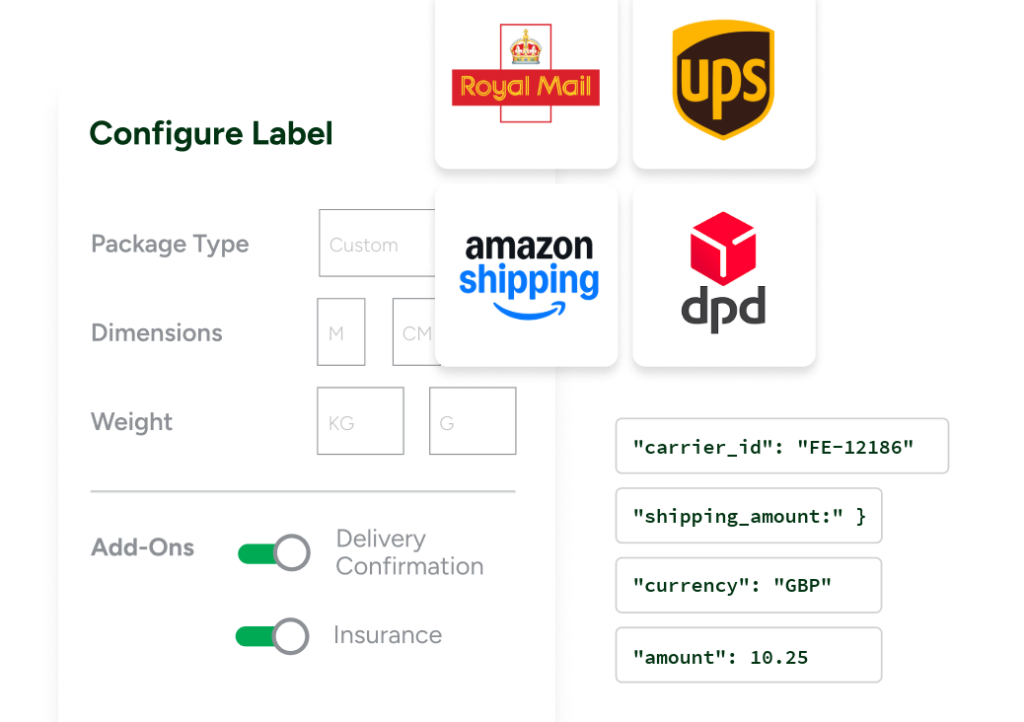
Rate shopping matters more in spring than sellers often realize. Because spring shipping tends to be gift-driven, presentation and timing are both elevated priorities. Paying full rate for a carrier that doesn’t deliver on time defeats the purpose. Having rate comparisons set up in advance—so the best option is selected automatically at order time—keeps costs down without adding manual decisions to a busy fulfillment queue.
Automation rules are the other lever worth pulling early. Pre-building rules that handle common spring scenarios—fragile items, gift orders, time-sensitive delivery windows—means your team isn’t making judgment calls on the fly when volume spikes. Set the logic once, and let it run.
And it’s worth doing a quick audit of your packaging situation before Easter orders start landing. Floral, food, and gift basket orders often require different box dimensions than everyday SKUs. Running out of the right size in the middle of a surge is a fixable problem—but only if you catch it before it happens.
Spring peak season won’t announce itself the way Q4 does. But the sellers who treat it with the same preparation and intentionality tend to come out of it in much better shape than those who don’t.
Ready to prep your shipping for spring?Start a free ShipStation trial and get your workflows in place before the rush.