 Back









































LTL Freight guide
The Manufacturer’s Guide to Freight
Rates, carriers, and technology that protect your margins.

At a glance: What manufacturers need to know about shipping and freight
The quote is only the starting point. Class, accessorials, and fuel shape the final bill. Accurate information and a matching bill of lading keep surprises off the invoice.
Better rates start with your own data. Know your cost per shipment by lane, consolidate where you can, and use volume and performance history to negotiate.
Match the mode to the shipment. Parcel, LTL, truckload, expedited, and specialized freight each fit different jobs.
Build a carrier bench. Score carriers on service, claims, and visibility as well as price, and keep a backup on every key lane.
Run parcel and LTL as a single operation. One workflow for quoting, paperwork, tracking, and reporting gives you a clear view of every shipment.
Protect and measure your margins. Prevent damage and disruptions before they happen, then track costs, on-time delivery, claims, and accessorials by lane and carrier.
Freight costs are climbing, but your margins don’t have to
Ask three carriers to ship the same pallet, and you'll likely get three different prices. But those quotes may not reflect what you'll pay after delivery. Fuel surcharges, extra services, and billing adjustments can drive up the final cost. For manufacturers with tight margins, those surprises add up fast.
Freight costs also affect much more than your shipping budget. A late delivery of raw materials can stop production. Damaged equipment can lead to repairs and replacement orders. A missed delivery can leave an important customer waiting. Every shipping decision can affect your costs, production schedule, and customer relationships.
And the stakes keep rising. Freight is one of the biggest line items on a manufacturer’s shipping bill, and it’s growing. Rising carrier costs and shifting trade policies are putting further pressure on margins, and merchants are forced to spend a larger portion of revenue on shipping, freight, and fulfillment.
Fortunately, manufacturers have ways to take control. You can compare freight rates, choose carriers that fit your needs, and use technology to make shipping easier—all core parts of a successful freight strategy.
This guide is organized around those levers, giving you ways to improve logistics in manufacturing, reduce unnecessary costs, and protect your bottom line.
The numbers behind manufacturing freight challenges
You can't control fuel prices or market conditions. But you can control how you buy freight, which carriers you use, and how your team manages shipments. That's where a better manufacturing freight strategy begins.
Why freight management matters to manufacturers
Manufacturing logistics involves more than shipping finished products. It also includes bringing raw materials and parts into your facilities. Both sides of the process matter. When materials arrive on time, production can stay on schedule. When finished goods reach customers as planned, your business builds trust. But when freight runs late, arrives damaged, or costs more than expected, the problems can spread quickly.
Inbound and outbound logistics in manufacturing
There are two main types of freight movement in manufacturing. Inbound freight brings in raw materials, components, parts, and packaging. Outbound freight carries finished goods to distributors, retailers, fulfillment centers, and customers.
Manufacturers don't always have the same control over both. Suppliers may book inbound freight, which can limit your say in carrier choice and delivery schedules. You often have more control over outbound shipping, including rates, packaging, and carrier selection. That makes outbound freight a good place to look for savings. But inbound shipments are just as important when they affect production.
Managing inbound freight when suppliers control shipping
When suppliers arrange transportation, you may have less control over carriers and delivery schedules. But you can still take steps to improve visibility and prevent delays from disrupting production.
Start by identifying the materials your production team can't do without. Then work with suppliers to stay informed about incoming shipments.
Prioritize critical materials
Identify parts and supplies that could stop production if they arrive late. Give these shipments extra attention.
Request regular shipping updates
Ask suppliers to share tracking details, expected delivery dates, and early warnings about potential delays.
Plan for unexpected delays
Request updates on critical shipments before they're due. This gives your team time to adjust production schedules or explore other options.
Review supplier agreements
Find out who controls transportation and whether you can influence carrier selection, routing, or delivery requirements.
The goal is simple: Catch inbound freight problems early, before they disrupt production or create costly delays.
Coordinating freight with production schedules
Shipping should work with your production schedule, not against it. Book a truck too early, and it may arrive before the products are ready. That can lead to waiting time, missed pickups, or extra fees. Book too late and finished products may sit in your warehouse while customers wait.
Better planning starts with communication. Production teams, warehouse employees, and shipping staff should know when orders will be ready. Before booking, confirm that products are complete, packed, and ready for pickup. Also, check when the receiving location can accept delivery.
For regular orders, consider setting up predictable pickup schedules. For custom equipment or large shipments, start transportation planning before production ends.
A little coordination can prevent costly last-minute decisions.
The hidden costs of freight disruptions
Imagine a manufacturer waiting for a shipment of specialized parts. The delivery arrives two days late, and production stops. The freight invoice may show only a small transportation charge. But the true cost of that delay could be much higher.
Freight problems can create expenses that don't appear on the original quote:
The lowest freight rate isn't always the lowest total cost. A slightly higher rate may be worth paying when it helps protect a critical shipment or delivery deadline.
Understanding manufacturing freight rates and what you actually pay
You can’t manage a price you can’t read. Freight pricing stacks several components, and each one is a place to save money or lose it. Two shipments with the same weight may have very different costs.

Freight pricing can be confusing. Why? Because carriers consider more than weight. Size, distance, freight class, equipment, and delivery needs can all affect the price. Understanding these factors helps you compare quotes and avoid surprises.
What determines freight shipping rates?
Six common factors affect manufacturing freight costs:
Weight and dimensions
Larger or heavier shipments may cost more to move.
Freight class and density
Help determine pricing for many LTL shipments.
Origin and destination
Distance and shipping lanes affect rates.
Carrier capacity
Rates may rise when available trucks are limited.
Pickup and delivery needs
Extra services can add charges.
Shipping mode and equipment
Parcel, LTL, truckload, and special equipment have different costs.
Consider a pallet of replacement motors going to a distributor with a loading dock. Now send that same pallet to a job site without a dock. The carrier may need a liftgate or a special delivery appointment. The product hasn't changed. But the delivery requirements have and so has the price. That's why accurate shipment details matter before you book.
Understanding freight accessorial charges
Accessorial charges are fees for services or conditions beyond standard transportation. Common examples include:
Some fees are unavoidable. Others happen because the carrier didn't receive complete information before pickup. For example, a heavy pallet going to a building without a loading dock may require liftgate service. If you identify that need when booking, you can include it in the quote.
Fuel surcharges and fluctuating costs
Fuel surcharges can make a big difference in your freight bill. Carriers often use fuel price indexes to help set these charges. But each carrier may use a different formula or adjustment schedule. That means two carriers with the same base rate may have different final prices.
In ShipStation's manufacturer survey, 53% named rising carrier fees and fuel surcharges as a major challenge.
When comparing rates, look at the full quote. Ask how fuel surcharges work and whether they can change before your shipment moves. You should also leave room for fuel price changes in your shipping budget.
Contract rates versus spot rates
The way you buy freight can affect both your shipping costs and your ability to plan ahead. Manufacturers often use two pricing options: contract rates for regular shipments and spot rates for one-time or changing shipping needs. Understanding the difference can help you choose the best option for each shipment.
Contract rates are negotiated rates for certain services, lanes, or periods. They can make shipping costs easier to plan, especially when you move freight regularly.
Spot rates are quotes for individual shipments. They reflect current market conditions and can change from one shipment to the next.
For example, a manufacturer shipping products to the same warehouse every week may benefit from contract rates. But a one-time equipment shipment to a new customer may be better suited to a spot quote. Many manufacturers use both. Contract pricing supports regular shipping needs, while spot quotes offer flexibility for unusual orders.
The goal isn't to avoid every accessorial charge. It's to plan for necessary services and prevent unexpected fees.
Proven strategies to reduce manufacturing freight costs
In ShipStation’s survey, 48% of manufacturers named reducing shipping and carrier costs a top-three priority for next quarter. These manufacturing shipping strategies get you there without defaulting to the cheapest carrier.

Lower freight costs don't have to mean slower deliveries or less dependable service. That's important for manufacturers, especially since 48% named reducing shipping and carrier costs as a top-three priority for the next quarter in ShipStation's manufacturer survey.
The following eight strategies can help you cut unnecessary expenses while keeping shipments moving and customers satisfied.
1. Review your shipping lanes and patterns
Start with your freight records. Look at six to 12 months of invoices and shipment details. Find out which destinations cost the most, which carriers you use most often, and where extra charges appear.
Pay attention to repeat shipments. You may find opportunities to negotiate better rates or change how you route freight. Your shipping history gives you a starting point for making better decisions.
2. Consolidate shipments when it makes sense
Shipping several small orders separately can cost more than combining them. If your production schedule and customer deadlines allow, group compatible shipments going to the same destination.
For example, you might combine several orders of replacement parts into one pallet shipment.
But don't hold important freight just to create a larger load. The savings may not be worth a missed delivery. Always weigh the shipping cost against the customer's needs.
3. Improve packaging and pallet configurations
How you pack freight can affect what you pay. Poorly built pallets may waste trailer space or increase the chance of damage. Oversized packaging can also raise costs.
Review pallet sizes, stacking methods, and protective materials. Look for ways to use space more efficiently while keeping products secure. For some products, changes in density can affect LTL freight class.
The goal is to ship safely without using more space or packaging than necessary.
4. Get freight classification right
Incorrect freight classification can lead to higher charges and billing disputes. Keep accurate records for the products you ship. Include the correct National Motor Freight Classification (NMFC) item, freight class, weight, and dimensions.
Measure and weigh the finished shipment, including its pallet and packaging. Then make sure the bill of lading (BOL) matches the information used to get your quote. Accurate details help carriers price your freight correctly.
5. Reduce unnecessary accessorial fees
Look for extra charges that appear again and again. Are trucks waiting too long at your loading dock? Are shipments arriving at locations that need liftgate service? Are delivery appointments being missed?
Find the cause of each repeated fee. Sometimes the solution is simple. Better dock scheduling or more complete delivery information may help prevent future charges.
6. Allow more flexibility when possible
Strict pickup and delivery windows can limit your carrier options. When deadlines allow, offer a wider delivery window or more time to arrange transportation.
This may help carriers fit your shipment into their schedules without premium services. Save expedited shipping for orders that truly need it.
7. Use your shipping data to negotiate
Carriers need to understand your shipping business before they can offer useful pricing. Share information about your freight volume, common destinations, shipment sizes, and service needs.
That can help you compare rate options and negotiate based on your actual shipping patterns. A shipping partner like ShipStation may also offer access to negotiated rates through its carrier relationships.
8. Audit your freight invoices
Don't assume the final invoice matches the quote. Compare the two. Check for unexpected accessorials, weight changes, and freight class adjustments. Some changes are valid. Others may need further review.
If you keep seeing the same adjustment, investigate why. You may need to update your product records or booking process. A negotiated rate is a promise. An audit is how you collect on it.
How to keep the freight rate you were quoted

Before booking
- Confirm the shipment’s weight, dimensions, and freight class.
- Include pickup and delivery requirements, such as liftgates or appointments.
- Review fuel surcharges and other possible fees.
Savings come from many small decisions made consistently, not one big negotiation. Start with the strategies that fit your operation today.
How to choose the right modes and carriers for your freight
Freight rates matter. But the right carrier and shipping mode matter just as much. In ShipStation’s manufacturer survey, 47% named better shipping speed and reliability as a top-three priority for the next quarter.
Match the shipping mode to the shipment
Manufacturers often use more than one type of shipping. Small replacement parts may move through parcel networks. Palletized products may ship through less-than-truckload (LTL) freight. Large orders may need full truckload (FTL) service.
Comparing the shipping modes

Parcel
How it works
Ships individual packages
Common manufacturing uses
Parts, samples, and smaller products
Best when
Shipments are small and light enough to stay within carrier size and weight limits

FTL
How it works
Uses a dedicated truck or trailer
Common manufacturing uses
Large orders and high-volume shipments
Best when
Volume is large enough to fill or justify a dedicated trailer
LTL
How it works
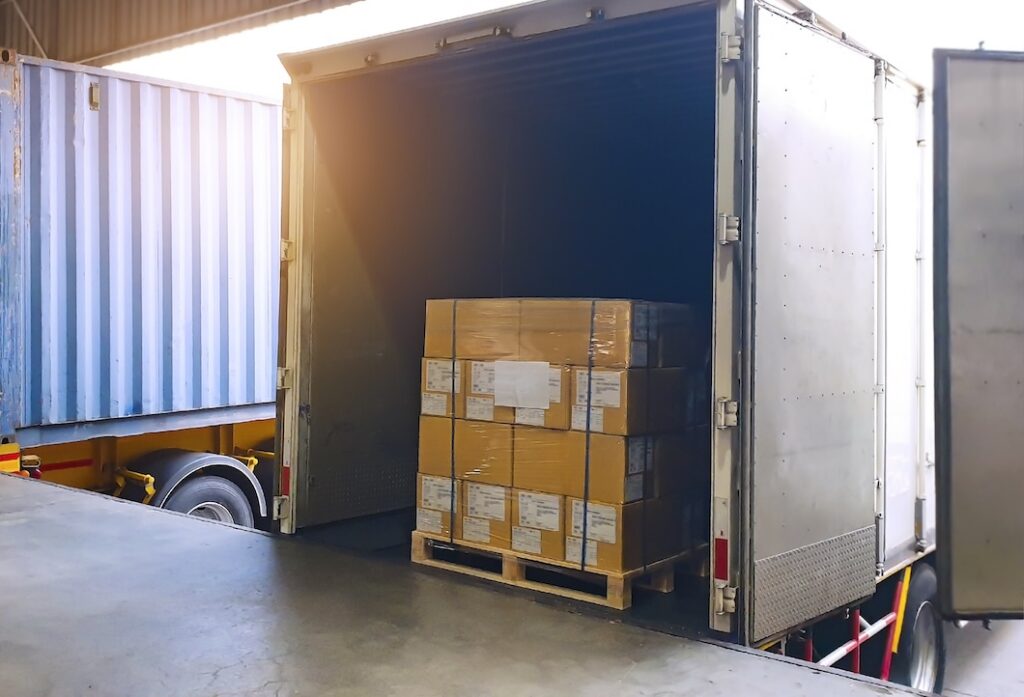
Combines freight from multiple shippers on shared trailers
Common manufacturing uses
Palletized components and finished goods
Best when
Freight is heavier or palletized but doesn’t need a full trailer
Specialized freight
How it works
Uses equipment suited to unusual loads
Common manufacturing uses
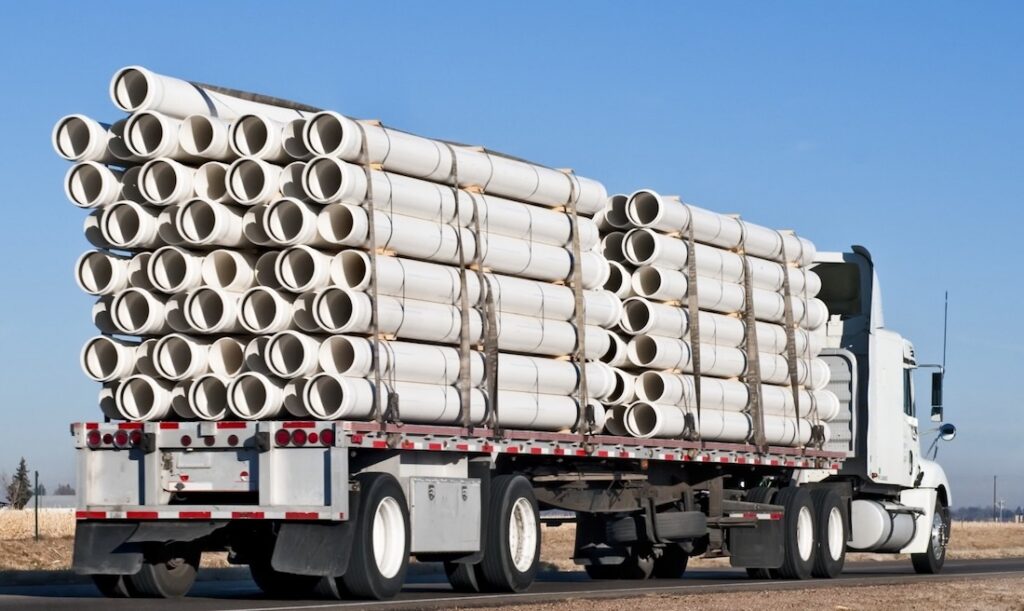
Heavy machinery and oversized products
Best when
Size, weight, or handling needs rule out standard equipment
The right choice depends on your product, shipment size, and delivery needs. But weight alone doesn’t determine the best mode, so compare the full shipping cost, including fuel surcharges, extra services, and any charges tied to size or handling. Check whether several boxes going to one destination would cost less packed on a pallet and shipped through LTL. Confirm what the delivery location needs, such as a loading dock, liftgate, or appointment. Then revisit your choice as orders change.A customer who once ordered a few boxes may now place larger orders, and your shipping method should keep up.
Shipping specialized manufacturing products
Some products need more than standard shipping service. Heavy machinery, HVAC equipment, large components, and sensitive electronics may require special packaging or handling.
Evaluate carriers on more than just price
Not every carrier is a good fit for every shipment. A carrier that handles standard pallet freight well may not be the best choice for expensive equipment. Compare providers using more than their quotes.
Look for carriers that offer dependable service at a reasonable total cost.
Build a dependable carrier network
Relying on one carrier can create problems when trucks are scarce or service is disrupted. Consider having backup options for important shipping lanes. This is especially useful for critical parts, large customer orders, and destinations with limited carrier coverage. A shipping partner like ShipStation can help you compare available carriers and find alternatives when your regular provider isn't the best fit.
Plan for demand changes and tight capacity
Manufacturing shipping volumes can change quickly. A large customer order, seasonal demand, or a production increase may create a sudden need for more trucks. If you expect shipping volumes to rise, tell your transportation partners early.
Review your busiest lanes and find out whether your regular carriers can handle the added freight. For unexpected orders, keep backup carriers and spot rate options available.
You can't predict every change in demand. But planning ahead can help you avoid expensive last-minute choices.
A low quote won't help if the carrier can't handle your product or meet your delivery needs.
How manufacturing logistics technology controls costs and improves visibility
Most manufacturers run two shipping operations. Parcel is automated: rates compare themselves, labels print, tracking flows back. LTL runs on phone calls, emailed quotes, and carrier portals, handled by whoever knows the process.
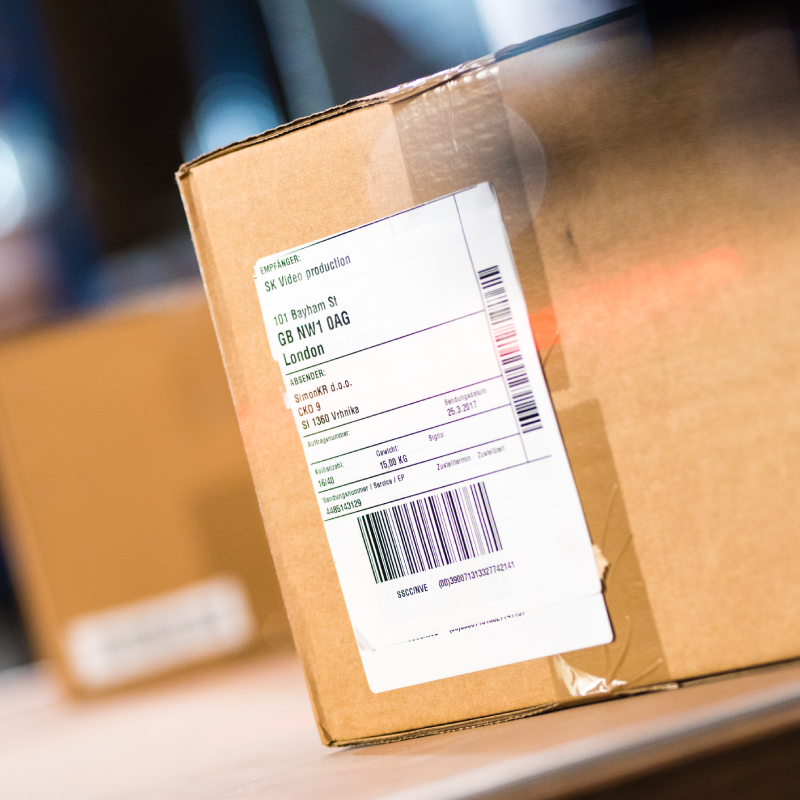
Production teams may work in an enterprise resource planning (ERP) system. Warehouse employees use warehouse management and inventory tools. Shipping teams compare rates, prepare documents, and track freight through carrier websites or shipping platforms. Each system has a job to do.
Problems arise when employees must enter the same information more than once or search several places for shipment updates. Shipping technology can help reduce that work.
Why disconnected shipping processes create problems
Imagine a manufacturer preparing a pallet of finished products. The order details are already in its ERP system. But the shipping team must enter them again to get a freight quote.
After booking, employees prepare documents, share tracking details, and check the carrier invoice. Every manual step takes time and creates another chance for errors.
This isn't just a manufacturing issue. ShipStation's 2026 Merchant Insights Report found that 58% of surveyed U.S. retail merchants who ship freight use a provider that's disconnected from their parcel platform.
That research focused on retailers, not manufacturers. Still, it shows why businesses may benefit from better-connected shipping tools.
How connected workflows improve manufacturing shipping
Consider a manufacturer that sends finished products to distributors and replacement parts directly to customers. With the right shipping platform, employees can compare parcel and LTL options, book shipments, prepare documents, and find tracking information through a more consistent process.
Coordinating parcel and LTL in one place gives your team fewer systems to check and fewer details to enter twice.
Not every manufacturing activity needs to happen in one system. The goal is to make your shipping tools work better with the rest of your business.
Protecting your margins: managing risk and measuring performance
Rates, modes, and carriers get you most of the way. Risk management protects what you’ve gained, and measurement shows whether it’s working. Lower rates and better carrier choices can help control freight spending.

But manufacturers also need to protect shipments, prepare for delays, and measure how well their transportation operation performs. One damaged machine or missed delivery can wipe out savings from several successful shipments.
Prevent freight damage and claims
Manufacturing products come in many shapes and sizes. Heavy components, sensitive electronics, and expensive equipment may need different packaging and handling methods.
To reduce damage risks:
It's also important to understand carrier liability and freight insurance. Carrier liability depends on applicable rules, contracts, and other terms. It may not cover the full value of damaged or lost products. Additional freight insurance may offer broader protection, depending on the policy's coverage, limits, and exclusions.
Review your options before shipping expensive equipment or other high-value products.
Prepare for transportation disruptions
Not every shipping delay can be prevented. Bad weather, carrier capacity shortages, and other problems can affect deliveries. Start by identifying shipments that matter most to production or customer commitments.
Then decide what your team should do when those shipments run late. Who needs to receive an update? Who can approve another carrier? When should production planners or customers be contacted?
Keep backup shipping options available when possible. A clear plan helps employees respond faster when something goes wrong.
Look at the total cost of freight
The rate on a shipping quote doesn't tell the whole story. Consider these costs when reviewing your freight operation.
Freight charges
What you pay to move products
Extra fees
Accessorials and billing adjustments
Damage
Repairs, replacements, and claims work
Delays
Rush shipping, missed orders, or production problems
Inventory
Extra stock and storage costs
Employee time
Hours spent booking, tracking, and resolving issues
Sometimes a higher freight rate makes sense because it better meets your delivery needs. Other times, standard service can do the job without the cost of expedited shipping. The best choice depends on the shipment and what your business needs.
Track the manufacturing freight metrics that matter
Key performance indicators (KPIs) show whether your shipping strategy is working. You don't need to measure everything. Start with the numbers that affect costs and service.
Review these results regularly. Compare performance by carrier, shipping mode, destination, or facility when possible. A companywide average may look fine while one shipping lane or warehouse creates repeated problems. Good data helps you find those issues and fix them.
Protecting your margins is a habit of preventing problems, planning for the ones you can’t, and checking the numbers. That lets you keep the savings you've worked for.
Build a manufacturing logistics strategy that protects your bottom line
You can’t control diesel prices or trade policy. You can control how you buy freight, which carriers and modes you use, and how much of the process technology handles for you.

Freight management affects much more than transportation costs. Raw materials need to reach your factory. Finished products need to reach customers. Replacement parts need to arrive when they're needed.
When shipping works well, it supports production, customer service, and profitability. The goal isn't simply to find the cheapest carrier. It's to build a shipping process that helps your business run smoothly.
Your manufacturing freight improvement roadmap
You don't have to change everything at once. Start with the areas causing the biggest problems. Then measure the results and build on what works.
For one manufacturer, the first step may be fixing repeated freight class adjustments. For another, it could be finding better carriers for an important shipping lane. Start where the impact is greatest.
Ready to get started? Sign up for a free 30-day trial and discover how ShipStation can make everyday shipping easier.
The question isn’t whether you can afford to improve your freight strategy. It’s whether you can afford another quarter of surprise charges.
How ShipStation’s manufacturing logistics solutions bring rates, carriers, and technology together
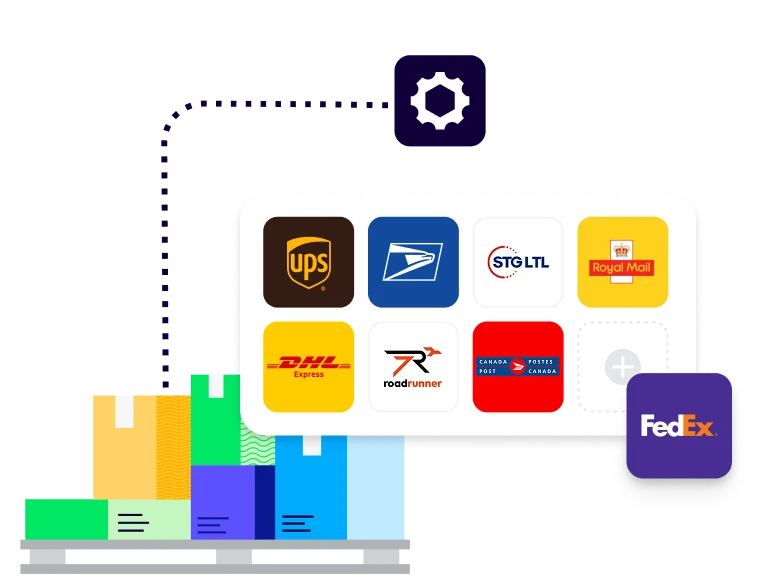
Manufacturers need shipping tools that make work easier, not more complicated. ShipStation helps businesses manage parcel and LTL shipping through one platform. That gives teams a simpler way to compare options, book shipments, and track deliveries.
Rates: compare options and manage costs
ShipStation gives manufacturers access to negotiated LTL rates, helping them make informed shipping decisions. Teams can review transportation costs before booking and find opportunities to protect their freight budgets.
Carriers: find services that fit your shipments
From small replacement parts to palletized finished goods, different shipments need different services. ShipStation provides access to parcel and LTL carrier options, helping manufacturers find transportation that fits their products and delivery requirements.
Technology: simplify everyday shipping
ShipStation brings quoting, booking, and tracking into one platform. Teams can also generate shipping documents, including BOLs and pallet labels for supported LTL shipments. Available integrations and API tools can help reduce manual work and connect shipping with other business systems.
FAQs
What's the difference between manufacturing logistics and supply chain management?
How can manufacturers reduce freight costs without hurting delivery reliability?
When should manufacturers use LTL instead of parcel shipping?
What are the biggest logistics challenges facing manufacturers?
How can shipping technology improve manufacturing efficiency?
Related Resources


Continue Reading
The Manufacturer’s Guide to Freight
"*" indicates required fields