

































Small BusinessesStart small, think big. Elevate your small-business shipping today.
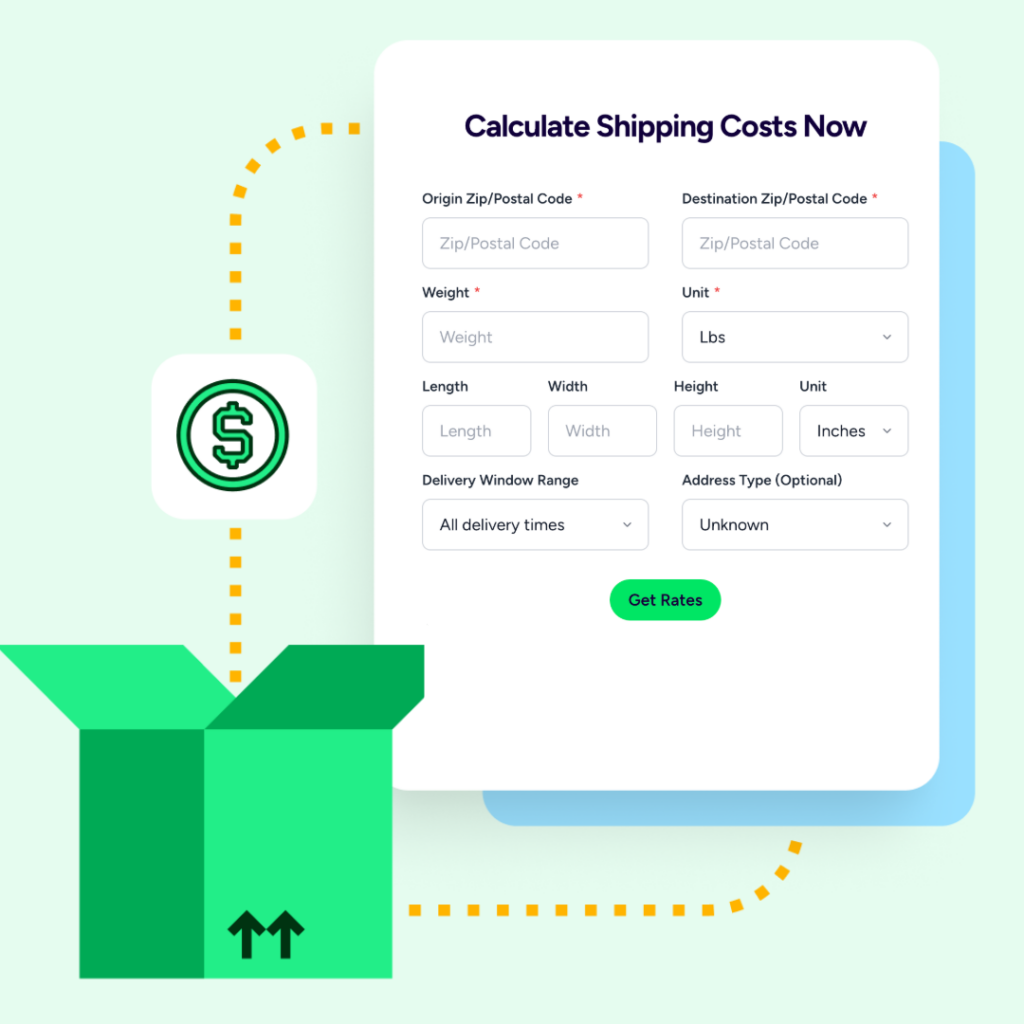
Start Shipping in MinutesStart shipping instantly with a simple setup. Buy and print labels in minutes with no training needed and no unnecessary steps.
Automate and ScaleSave time with rules that batch, route, and print labels automatically so your shipping keeps up as orders grow.
Save on Every ShipmentAccess exclusive discounts from local and global carriers and cut costs on every label no matter where you ship.
Connect and CustomisePlug into hundreds of stores, marketplaces, and carriers, or extend ShipStation with custom API integrations built for your business.
Manage Everything in One PlaceManage shipping, inventory, warehouse, tracking, and returns for all your stores and marketplaces in one simple platform.
Simplify ReturnsManage returns in one platform with prepaid labels and self-serve features that keep the process fast and frustration-free.
Mid-size and GrowingShip smarter, grow faster. Scale your fulfilment with ease.
Save on Shipping as you ScaleAutomate rate shopping across 200+ carriers, bring your own carrier accounts, and unlock deep volume discounts that grow with you.
Smarter Shipping IntelligenceTurn shipping into your competitive advantage with intelligence that improves with every order.
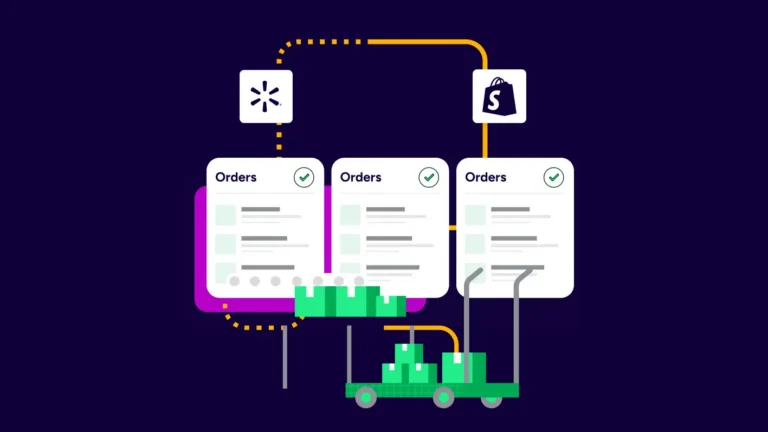
Centralise Omnichannel FulfilmentManage orders, shipping, inventory, warehouse operations, tracking, returns, and analytics across online stores and marketplaces with one platform.
Automate Order ManagementCombine AI intelligence with rule-based workflows to speed up fulfilment, streamline operations, and eliminate bottlenecks.
Scale with our APIsExtend your setup using our developer-friendly API for custom automated workflows and insights.
Start with Guided OnboardingOur experts walk you through setup, training, and workflows so your team feels confident and ready to ship quickly.
EnterpriseGlobal scale, local precision. Master shipping at every level.
Lower Shipping Costs at Global ScaleReduce global shipping expenses with real-time rate shopping and discounted carrier rates, helping your enterprise control costs and ship efficiently at scale.
International Shipping Made SimpleEasily manage customs forms, duties, taxes, and tracking while accessing global carrier options from one platform built for cross-border shipping.
Fulfilment APIsCustomise workflows at scale with APIs for consolidating orders across channels, comparing shipping rates, validating addresses, tracking, analytics, and more.
Multi-Location FulfilmentManage inventory, orders, and shipping across multiple warehouses and stores with one platform built for multi-location fulfilment.
Advanced Shipping IntelligenceTurn shipping into your competitive advantage with intelligence that improves with every order.
Dedicated Guidance and SupportCount on 24x7 support plus dedicated onboarding guidance so your enterprise shipping runs reliably from day one and beyond.
Sustainable Fashion, Shipped Faster: How ELK The Label Used Automated Returns to Scale
ELK The Label, a Melbourne-based sustainable fashion brand, was growing fast but held back by manual fulfilment. By centralising operations in ShipStation, the team cut order processing time by up to 70%, reduced picking errors by 98% and grew customer retention by 30%.
The conclusion is clear: AI is already influencing demand, competition, and delivery performance—and retailers that fail to adapt risk being excluded from AI-led shopping journeys altogether.
Every less than truckload (LTL) freight shipment represents more than the cargo on a shipping pallet. It represents inventory, customer commitments, and transportation spend that businesses expect to reach their destination intact. Yet freight damage does not always begin with rough handling. It often starts before pickup, when a weak pallet, inadequate packaging, or poor load securement leaves cargo vulnerable in transit.
Unlike parcel shipments, which move primarily through automated sorting systems, LTL freight is commonly handled as a palletized load. It may be loaded, unloaded, and transferred by forklift several times before delivery. Each touch introduces additional handling forces, making proper freight packaging and load stability essential.
Protecting cargo does not require elaborate equipment or excessive packaging. It requires selecting a sound shipping pallet, protecting the product appropriately, and securing the freight so the pallet and cargo move as one unit.
Whether you ship one palletized load each month or hundreds every week, these LTL packaging guidelines can help reduce damage, avoid unnecessary costs, and create a more consistent shipping process.
Freight damage by the numbers
$1 = $3.42
Every $1 in freight damage creates an estimated $3.42 in total business costs when indirect expenses such as replacement shipments, labor, customer service, and claims administration are included.
Source: Inbound Logistics
Choose the right shipping pallets
Every palletized shipment starts with the shipping pallet. It forms the structural foundation of the completed load and must support the freight through forklift handling, trailer vibration, and terminal transfers.
Even the best freight packaging cannot compensate for a pallet that is damaged, undersized, or unable to support the cargo. Small defects that appear manageable on the dock can become structural failures once the shipment faces heavy weight, repeated forklift handling, and movement during transit.
For many LTL freight shipments, a standard 48-inch by 40-inch four-way pallet is the preferred option. Its dimensions are compatible with most forklifts, pallet jacks, trailers, and warehouse systems throughout North America.
What to check
Why it matters
Cracked boards or broken stringers
Structural damage can cause the pallet to fail during handling.
Missing deck boards
Gaps reduce product support and may destabilize the palletized load.
Protruding nails
Exposed hardware can damage cartons, products, or handling equipment.
Four-way forklift access
Access from every side makes the load easier and safer to handle.
Appropriate weight capacity
The pallet must support the full weight of the packaged shipment.
Recycled shipping pallets can be a practical, cost-effective option, but they require careful inspection. A pallet that performs adequately inside a warehouse may not withstand repeated handling and hundreds of miles in transit. A brief pallet inspection before loading can prevent a structural weakness from becoming a damaged shipment.
Use freight packaging designed for the shipment
Effective freight packaging protects the cargo without adding unnecessary material, weight, or complexity. Packaging decisions should reflect the product’s weight, shape, fragility, and expected transportation conditions.
The objective is not simply to place a product inside a box. It is to limit movement, absorb normal handling forces, and maintain the integrity of the product throughout the freight shipping process.
Common freight packaging materials include:
Corrugated cartons: Provide the primary enclosure for most boxed freight. Select cartons with the strength required to support the product and withstand pressure during handling or stacking.
Foam inserts: Absorb shock and help protect fragile or high-value products from vibration and impact.
Air pillows and cushioning: Fill open space inside cartons so products cannot shift during handling and transportation.
Edge protectors: Reinforce carton edges and distribute pressure from strapping across the palletized load.
Stretch wrap: Secures freight to the shipping pallet so the cargo and pallet function as one unit. It can also provide limited protection from dust and light moisture.
Plastic or steel strapping: Adds mechanical restraint for heavy, tall, or irregularly shaped loads that require more securement than stretch wrap alone.
Each carton must be strong enough to protect its contents under normal freight shipping conditions. Stretch wrap can stabilize the completed palletized load, but it can’t correct weak cartons, excessive empty space, or inadequate internal protection.
Effective freight packaging starts with the product. Load securement protects the shipment as a whole.
Secure the freight to the shipping pallet
Selecting the right pallet and packaging materials is only part of the process. Before the shipment enters the LTL network, the freight must be secured to the shipping pallet so the entire palletized load moves as one handling unit.
This process is often referred to as unitization. The objective is to prevent the freight from shifting independently of the pallet while the shipment is lifted, transferred, or transported.
To create a stable palletized load:
Anchor the stretch wrap to the shipping pallet. Begin at the pallet base, then work upward with overlapping layers of stretch film. This attaches the freight to the pallet instead of merely binding the products together.
Apply enough stretch wrap to control movement. Stretch wrap creates tension around the surface of the load. The completed shipment should remain stable through forklift handling, trailer movement, and terminal transfers.
Use strapping when the load requires additional restraint. Plastic or steel strapping provides mechanical support for heavy, tall, or irregularly shaped freight that stretch wrap alone may not adequately secure.
Add corner protectors where appropriate. Corner protection distributes strap pressure, protects carton edges, and adds structure to the completed load.
Test the completed palletized load. Apply gentle pressure from several sides before pickup. If the freight moves while the shipping pallet remains stationary, the load is not fully unitized and requires additional securement.
Logistics pro tip: If the cargo and shipping pallet do not move together, the shipment is not ready for the carrier network.
The goal is not simply to wrap the freight. It is to create one stable handling unit capable of withstanding repeated movement without leaning, separating, or shifting.
Take a final walk around your shipment
Before the carrier arrives, inspect the completed palletized load from every side. A final walk-around can identify problems that take minutes to correct on the dock but may become expensive after pickup.
Look for…
Why it matters
Box overhang
Unsupported cartons are more vulnerable to crushing and forklift contact.
Bulging cartons
Bulging may indicate excessive product weight, inadequate box strength, or insufficient internal packaging.
Leaning or crooked freight
An uneven palletized load is more likely to shift or tip during handling.
Loose or torn stretch wrap
Damaged film reduces load stability and may allow freight to move independently of the pallet.
Damaged shipping pallet
Broken boards, cracked stringers, or protruding nails can compromise the entire shipment.
Loose straps or banding
Inadequate tension can allow the palletized load to shift during transportation.
Missing or damaged labels
Unreadable labels can contribute to handling errors or delivery delays.
Visible gaps or movement
Open space may indicate that the load requires additional blocking, cushioning, or securement.
A shipment that appears unstable on the dock will not become more secure during transportation. Correcting visible problems before pickup is one of the most direct ways to prevent freight damage.
Quick freight packaging checklist
Complete one final inspection before releasing an LTL freight shipment to the carrier.
Freight Securement Inspection Checklist
Shipping pallet
Freight packaging
Load stability
Securement
Final condition
0 of 16 checked
A standardized inspection process gives employees a consistent method for identifying packaging and securement problems before freight enters the carrier network.
Common shipping pallet and freight packaging mistakes
Freight damage rarely begins with one dramatic failure. More often, it results from small packaging and securement problems that compound during transportation.
Watch for…
What could happen
Damaged shipping pallets
The pallet fails during forklift handling or transit.
Freight extending beyond the pallet
Cartons or products are crushed, punctured, or struck.
Weak or oversized cartons
Boxes collapse, and their contents shift or become damaged.
Empty space inside cartons
Products move inside the package, creating concealed damage.
Loose or insufficient stretch wrap
Freight shifts independently of the shipping pallet.
Missing strapping on heavy loads
The palletized load loses stability during handling.
Broken or protruding pallet boards
Freight, equipment, or nearby shipments are damaged.
Leaning or unstable palletized loads
Cargo shifts, tips, or separates during transportation.
Most of these conditions are visible before pickup and can be corrected quickly. A damaged pallet can be replaced. An unstable load can be rebuilt. Loose stretch wrap can be reapplied.
Once the shipment enters the LTL network, those simple corrections become far more difficult and expensive.
How better freight packaging can cut shipping costs
The most immediate purpose of freight packaging is cargo protection, but its financial value extends beyond damage prevention. A well-prepared palletized load is easier to handle, less likely to require intervention, and less likely to generate avoidable costs.
Proper freight packaging can help businesses:
Reduce damage claims and replacement shipments.
Avoid additional handling expenses.
Improve dock and loading efficiency.
Limit delays caused by damaged or separated freight.
Support more reliable customer deliveries.
Reduce the administrative burden associated with claims and disputes
Freight packaging does not directly set freight rates, but it can influence the total cost of freight shipping. The lowest quoted rate offers little value if poor packaging leads to product replacement, expedited reshipping, customer credits, or claims administration.
Businesses looking to cut shipping costs should evaluate the full cost of a shipment, not just the linehaul charge.
Frequently asked questions about pallet shipping and freight packaging
What are shipping pallets used for?
Shipping pallets provide a stable foundation for palletized loads and allow forklifts or pallet jacks to move freight efficiently. They also combine multiple cartons or products into a single handling unit.
What is the best freight packaging for LTL freight?
Shipping pallets provide a stable foundation for palletized loads and allow forklifts or pallet jacks to move freight efficiently. They also combine multiple cartons or products into a single handling unit.
How can I prevent freight damage?
Start with a structurally sound shipping pallet and packaging suited to the product. Eliminate unnecessary movement inside cartons, distribute the load properly, and secure the freight to the pallet so the completed palletized load moves as one unit.
Do shipping pallets affect freight rates?
Shipping pallets do not directly determine freight rates, but pallet selection and load preparation can affect total shipping costs. Stable, properly packaged freight is less likely to generate damage claims, additional handling expenses, or service disruptions.
What pallet size is best for freight shipping?
A standard 48-inch by 40-inch four-way shipping pallet works well for many LTL freight shipments because it is broadly compatible with carrier equipment, trailers, and warehouse systems. The pallet must still be appropriate for the product’s weight, size, and handling requirements.
Can a shipping partner help reduce freight damage?
Yes. An experienced shipping partner can help identify weaknesses in pallet selection, freight packaging, and load securement. It may also provide guidance on carrier requirements and damage-prevention practices for specific commodities.
Build every shipment for success
Every palletized load becomes part of a larger transportation network once it leaves the dock. The stronger and more stable that load is before pickup, the better its chances of arriving as intended.
Selecting a sound shipping pallet, using freight packaging suited to the product, and securing the load correctly can reduce damage and eliminate many avoidable costs. Unexpected events can still occur, but many common failures originate with conditions the shipper can control.
Whether your business ships one palletized load a month or hundreds each week, disciplined preparation can protect inventory, improve freight performance, and reduce the total cost of shipping.