 Back















































Automotive Shipping
The complete guide to shipping parts, costs, and vehicle transportation
 Scroll to explore
At a glance: What automotive businesses need to know about automotive shipping
Match the service to the shipment. Parcel handles filters, sensors, and small accessories. LTL fits engines, transmissions, and palletized orders, so compare both before you book.
Package for the part, not the box you have. Heavy components need pallets or crates, while glass and electronics need purpose-built protection. A part that shifts in transit becomes a claim.
Measure before you ship. Long bumpers and body panels can trigger DIM weight and large-package charges, even when they're lightweight.
The quote is only the starting point. Damage, returns, reweighs, and accessorial fees like liftgate service can turn a low rate into an expensive shipment.
Verify fitment and regulated materials first. Checking part numbers and VIN details prevents returns, and batteries, airbags, and used parts with residual fluids can require special packaging and documents.
Track the numbers that matter. Shipping cost per order, on-time delivery, damage claims, accessorial spending, and return rate show you where to cut costs.
The right automotive shipping strategy keeps parts safe and costs in check
A repair shop needs a replacement transmission to finish a customer's vehicle. An online retailer has to ship a fragile headlight across the country. A parts distributor needs to deliver 20 boxes of brake components to a dealership. Each business faces a different challenge, but they all need the same thing: safe, affordable, and reliable delivery.

Automotive shipping isn't always easy. Parts come in countless shapes, sizes, and weights. Some are fragile. Others are heavy or difficult to package. Shipping mistakes can lead to damaged products, unexpected charges, and delayed repairs. Those problems cost money and frustrate customers.
The right shipping strategy can make a difference. Businesses can control costs by choosing the right services, protecting their products, and improving how they manage orders. This guide covers auto part shipping, freight rates, packaging, returns, and complete vehicle transportation. It also explains how to ship auto parts safely while keeping costs under control.
What is automotive shipping?
Automotive shipping is the process of moving vehicles, parts, and accessories between businesses and customers. It supports manufacturers, distributors, dealerships, repair shops, and online retailers. Some shipments contain small replacement parts that fit in standard boxes. Others involve engines, transmissions, or pallets of inventory. Complete vehicles require a different type of transportation.

Most automotive shipments fall into three categories:
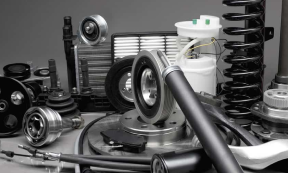
Parts and accessories
Filters, sensors, headlights, tires, wheels, and other replacement products.
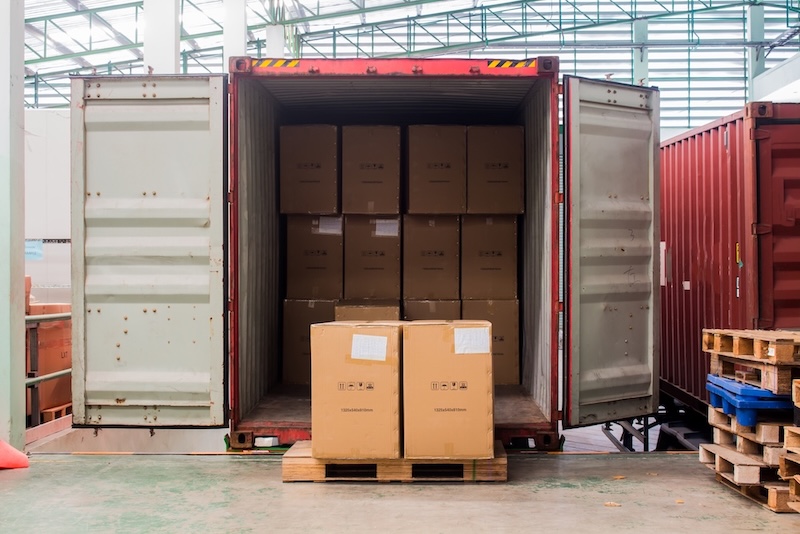
Automotive freight
Heavy components, oversized parts, and bulk shipments that may need pallets or crates.
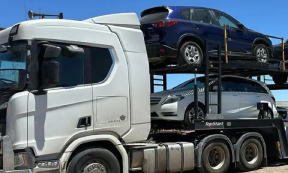
Complete vehicles
Cars, trucks, and other vehicles moved by specialized auto transport carriers.
Each type has different shipping needs. Understanding those differences helps businesses choose the right service.
Who needs automotive shipping services?
Automotive shipping supports businesses across the industry. A repair shop might need one part delivered quickly. A distributor may ship hundreds of orders every day. A manufacturer could move pallets of components between facilities.
The goal is the same: deliver the correct product, in good condition, at a reasonable cost.
Parts, freight, and complete vehicles each move differently, so the first step is knowing which one you’re shipping. Even then, getting a part from A to B is rarely as simple as it sounds.
Why is shipping car parts so challenging?
Shipping car parts isn't like shipping products that all fit in similar boxes. An automotive business might handle a small sensor in the morning and a heavy engine that afternoon. These differences affect packaging, carrier selection, shipping costs, and delivery schedules.

Parts come in unusual shapes and sizes
Bumpers, fenders, exhaust pipes, and other long components can be difficult to package. Even lightweight parts may require large boxes. That matters because parcel carriers consider both weight and package size when calculating charges. A long bumper can cost more to ship than a heavier product in a smaller box.
Damage can be expensive
Automotive parts can be damaged by impacts, vibration, or poor handling. A scratched body panel may need to be replaced. A broken headlight can delay a repair. Heavy parts that aren't secured properly may shift during transportation. The cost doesn't end with the damaged product. Businesses may also pay for return shipping, replacement orders, and additional labor.
Customers need parts quickly
When a repair shop is waiting for a component, a late delivery can disrupt its schedule. The shop may need to delay a repair or change a customer's pickup date. Dealerships and distributors face similar challenges. Fast delivery is important, but so is choosing a service that fits the shipment.
Parts compatibility affects returns
Automotive retailers often sell parts for specific vehicle makes, models, and years. However, even vehicles from the same model year can have different engines, trim levels, or equipment. A customer who receives an incompatible part may need to return it, creating additional shipping costs and delays. Accurate fitment information, including vehicle identification number (VIN) details when appropriate, helps businesses reduce these problems.
Odd shapes, damage risk, tight repair timelines, and fitment errors all add cost and complexity. Choosing the right shipping method is the first way to get ahead of them.
Parcel vs. LTL freight: Which is better for automotive shipping?
Choosing the right shipping method can have a major impact on costs. Parcel shipping is often best for smaller products. Less-than-truckload (LTL) freight is commonly used for larger, heavier, or palletized shipments. Neither method is always cheaper. The right choice depends on the product, packaging, destination, and delivery requirements.
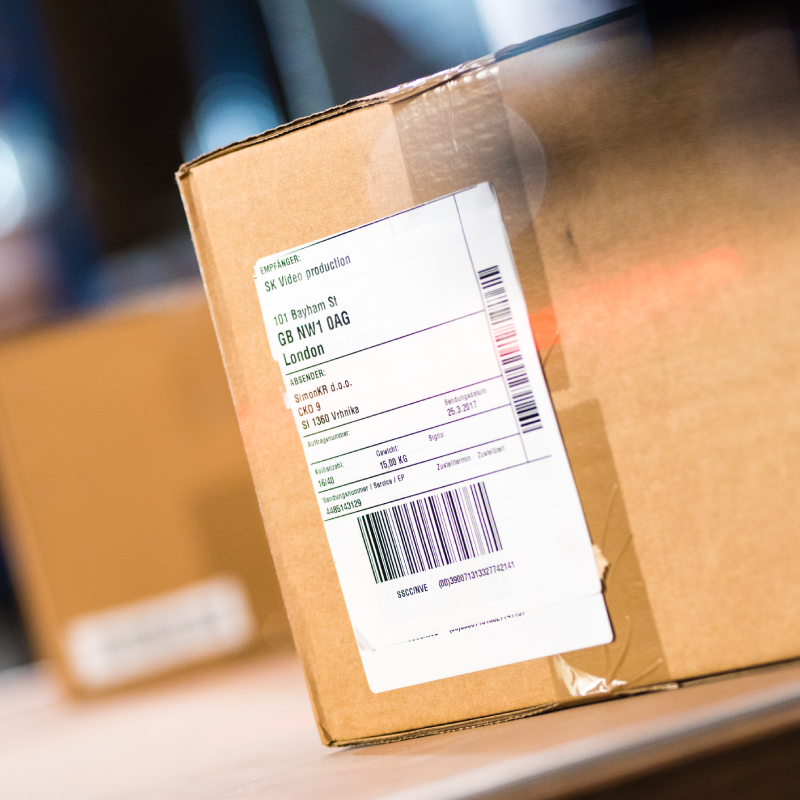
Comparing parcel and LTL shipping
Carrier rules and packaging requirements determine whether a product qualifies for a service.
When to use parcel shipping
Parcel shipping works well for many everyday automotive products. These include filters, spark plugs, small electronics, and interior accessories. Businesses can choose from different delivery speeds and track shipments as they move through carrier networks. However, package size matters. Long or bulky products may trigger additional handling or large-package charges.
When to use LTL freight
LTL freight lets several businesses share space on one trailer. It's useful when a shipment is too heavy or bulky for practical parcel shipping but doesn't need an entire truck. Common examples include palletized engines, transmissions, and large orders of replacement parts.
Example: A distributor needs to ship 24 cartons of automotive components to one dealership. It could send each carton separately or combine them into an LTL shipment. Comparing both options may reveal a lower total shipping cost.
When to consider full truckload
Full truckload (FTL) shipping may be appropriate for large shipments that need significant trailer space or dedicated transportation. For example, a manufacturer moving a large volume of components between plants might use FTL. Truckload transportation is arranged separately from standard parcel and LTL services.
Parcel suits smaller parts, LTL suits heavy or palletized freight, and the best choice depends on the shipment. Either way, the service you pick only works if the part arrives intact, which starts with how you pack it.
How to ship auto parts safely: A step-by-step guide
Good packaging protects products and helps prevent expensive shipping problems. The process starts before the product enters a box or goes onto a pallet. Follow these six steps in order, and you’ll catch most mistakes while they’re still easy and cheap to fix.

Step 1: Verify the part and order
Confirm the product number, quantity, and destination before packing. For vehicle-specific components, check compatibility information. A part may fit one engine or trim level but not another. Catching an error before shipping is usually easier than arranging a return.
Step 2: Check the part's shipping requirements
Review the product's weight, dimensions, and condition. Look for sharp edges, fragile surfaces, exposed connectors, or loose pieces. Check whether the part contains fluids, batteries, or other regulated materials. This helps determine the packaging and shipping service.
Step 3: Choose protective packaging
Small parts may need sturdy boxes and cushioning. Heavy components might require reinforced packaging, pallets, or crates. The packaging should protect the product without adding unnecessary size. For expensive or fragile components, consider packaging designed specifically for that product.
Step 4: Secure the product
A part shouldn't move freely inside its package. Use appropriate cushioning, supports, or restraints. Heavy components may need blocking or bracing. For palletized freight, secure the load so it can withstand normal handling during transportation.
Step 5: Measure, weigh, and compare services
Measure the completed package, including any pallet or crate. Compare carrier rates, delivery options, and handling requirements. Confirm that the selected carrier accepts the product. Accurate measurements help improve quote accuracy and reduce billing surprises.
Step 6: Prepare documents and track delivery
Attach labels securely and complete the required shipping documents. LTL shipments generally use a bill of lading (BOL), which identifies the freight and provides important transportation details. Track shipments and communicate changes when delivery schedules affect customer commitments.
Verify the order, check the requirements, protect the part, and confirm the details before you ship. Different parts need different protection, so let’s look at how to package the most common ones.
How to package common automotive parts
Different components need different protection. A box that works for brake pads won’t necessarily protect a windshield or transmission. The table below shows what each part needs, and the sections that follow explain the details for the products that cause the most trouble.

These examples are general. Confirm product-specific and carrier requirements before shipping.
Engines and transmissions
Engines and transmissions are heavy and difficult to handle. They may also contain residual fluids. Use strong pallets, crates, or supports that prevent movement. Follow carrier instructions for fluid removal, sealing openings, and preparing used parts. A used component isn't automatically unrestricted just because it appears dry.
Bumpers and body panels
Bumpers and body panels create two challenges: unusual dimensions and surfaces that can scratch easily. Protect painted areas, reinforce edges, and prevent movement inside the packaging. Check dimensional limits before choosing parcel shipping. LTL may be worth comparing for especially large parts.
Tires and wheels
Some carriers accept certain tires without boxes when properly prepared. Others have specific packaging rules. Wheels need protection against scratches and impact damage. Tire-and-wheel assemblies may require additional preparation. Check the carrier's current requirements before shipping.
Windshields and automotive glass
Glass needs packaging that protects it from impacts and bending forces. Use packaging designed for automotive glass. Confirm the carrier's acceptance and handling requirements. Standard boxes and basic cushioning may not provide enough protection.
Automotive electronics
Control modules, sensors, and other electronics can be sensitive to impact, moisture, and static electricity. Use suitable cushioning and protective materials. Electrostatic discharge (ESD) protection may be necessary for sensitive components. Products containing batteries may require additional shipping procedures.
Engines need pallets, glass needs purpose-built protection, and electronics need cushioning. Once a part is packed correctly, the next question is what it will cost to ship.
How much does automotive shipping cost?
Automotive shipping rates depend on weight, dimensions, packaging, distance, and delivery requirements. The lowest quote doesn’t always represent the lowest total cost. Extra handling, damage, and billing adjustments can change what a business ultimately pays. Knowing how parcel and freight carriers calculate charges helps you spot those extras before they show up on an invoice.

Parcel rates and DIM weight
Parcel carriers generally consider package weight, dimensions, destination, and service level. They may also use dimensional (DIM) weight. DIM weight is a calculated weight based on how much space a package occupies. Carriers typically compare DIM weight with actual weight and use the greater value for billing, subject to their rules.
The formula is: DIM weight = Length × Width × Height ÷ Carrier DIM divisor
The divisor varies by carrier and service. For example, a lightweight bumper shipped in a large box may have a higher DIM weight than its actual weight. That can increase the shipping charge.
LTL freight pricing
LTL carriers consider several factors when calculating rates:
Freight class helps carriers categorize shipments for pricing. Some commodities use density-based classification rules, while others have different requirements. Accurate product information helps reduce the risk of reclassification charges.
Common automotive freight accessorials
Accessorial fees cover services or conditions beyond standard transportation. For automotive businesses, these may include liftgate service, limited-access delivery, inside delivery, appointments, or other handling needs.
Consider a repair shop receiving a palletized transmission. If it doesn’t have a loading dock or forklift, the shipment may need liftgate service. Identifying that requirement before booking can help prevent unexpected charges.
The hidden costs of automotive shipping
Rates depend on weight, dimensions, and distance, and surprises like DIM weight and accessorials can change the final bill. The good news is that many of those costs are within your control.
Seven ways to reduce auto part shipping costs
Reducing costs requires more than finding lower rates. Businesses should also consider how their products, customers, and shipping processes affect total expenses.

1. Match shipping services to product categories
Group frequently shipped parts by size, weight, and handling needs. Small sensors may consistently qualify for parcel shipping. Engines and transmissions may require LTL. Oversized body panels may need a comparison each time. This approach helps teams make faster shipping decisions.
2. Standardize packaging for common parts
Review the products shipped most often and identify packaging that provides reliable protection. Standard boxes and protective materials can reduce packing time and unnecessary package dimensions. Specialized products may still need custom packaging.
3. Compare total carrier costs
Review more than the base transportation rate. Include potential additional handling charges, delivery requirements, and service options. A slightly higher initial quote may be the better value when it includes necessary services.
4. Consolidate dealership and distributor orders
Businesses that regularly ship to the same locations may benefit from combining eligible orders. For example, several cartons going to one dealership might move together as an LTL shipment. Compare total costs and delivery requirements before consolidating.
5. Prevent returns caused by incompatible parts
Incorrect parts can create two shipping expenses: the return and the replacement. Use accurate product descriptions, part numbers, and vehicle compatibility information. For complex components, VIN-based verification may help confirm compatibility before shipping.
6. Prepare customers for freight delivery
A heavy shipment can become expensive when the receiving location isn't prepared. Confirm whether the customer has a loading dock, forklift, or other equipment. Identify liftgate and appointment needs before booking. This can reduce delivery problems and additional charges.
7. Review costs by product category
Don't evaluate every automotive shipment as part of one large group. Compare shipping costs for engines, body panels, tires, electronics, and other categories. This can reveal which products create the most transportation expense and where changes may help.
Matching services to products, standardizing packaging, and comparing total carrier costs all add up. Some parts also come with rules that affect how, and whether, you can ship them at all.
Automotive shipping regulations and special handling
Some automotive products can't be shipped like ordinary merchandise. Batteries, airbags, and certain used components may contain hazardous materials. These products can require special packaging, labels, shipping documents, and carrier approval. Shippers must follow the rules that apply to their products and transportation methods.

Shipping automotive batteries
Battery requirements depend on the chemistry, size, condition, and transportation mode. Lithium-ion batteries, including those used in electric vehicles, can have strict shipping requirements. Damaged or defective batteries may face additional restrictions, including prohibitions on certain transportation methods.
Lead-acid batteries also have transportation requirements, although certain batteries may qualify for exceptions when specific conditions are met. Never assume all automotive batteries follow the same rules.
Shipping airbags
Certain airbags and inflators are regulated hazardous materials. They may require specific packaging, markings, labels, documentation, and approved transportation services. Confirm the correct classification and shipping requirements before preparing these products.
Shipping used parts
Used engines, transmissions, and fuel-system components may contain leftover fluids. Residual fluids don't automatically make every used part a regulated hazardous materials shipment.
The rules depend on the material, quantity, condition, and how the component is prepared. Businesses should identify any remaining fluids and confirm applicable regulations and carrier requirements before shipping.
For more information, visit the Pipeline and Hazardous Materials Safety Administration.
Batteries, airbags, and used parts with leftover fluids follow different rules than ordinary merchandise. Knowing those rules up front keeps your shipments compliant and moving, whatever type of automotive business you run.
Automotive shipping for different businesses
The best shipping strategy depends on the business. A repair shop waiting for one component has different priorities than a distributor shipping hundreds of orders.

Repair shops and dealerships
Repair shops and dealerships often need parts to arrive within a specific timeframe. A late transmission or electronic module can delay a repair and affect customer commitments.
These businesses benefit from accurate delivery estimates and tracking information. For palletized shipments, they should also confirm whether their receiving location needs a liftgate or delivery appointment.
Parts distributors
Distributors may ship thousands of different products to dealerships, retailers, and repair facilities. A single operation might send small sensors through parcel services while shipping engines or bulk inventory through LTL. Managing both shipping methods efficiently helps control costs and keeps orders moving.
Online automotive retailers
E-commerce businesses must manage shipping costs, customer expectations, and returns. Part compatibility is especially important. A customer who orders the wrong component may need to return it and wait for a replacement. Clear compatibility information and order verification can reduce these problems.
Automotive manufacturers
Manufacturers may move components between production facilities, warehouses, and commercial customers. Some shipments involve individual replacement parts. Others require palletized freight or full truckload transportation. Matching shipment volume and delivery needs to the right service helps support production and distribution schedules.
Repair shops, distributors, online retailers, and manufacturers all need reliable delivery, but each has different priorities. Parts aren’t the only thing that moves in this industry, though. Sometimes it’s the whole vehicle.
Complete vehicle transportation: How shipping for cars works
Shipping a complete vehicle is different from shipping replacement parts. Cars and trucks usually move on specialized auto transport trailers. The process requires equipment designed to load, secure, and transport vehicles safely. Businesses may need these services when moving dealership inventory, auction purchases, fleet vehicles, or customer vehicles.

Open vs. enclosed auto transport
Two common options are open and enclosed transportation.
Open transport is common for everyday vehicles. Enclosed transport may be worth considering for high-value or collectible cars. Neither option removes every risk.
What affects vehicle shipping costs?
Vehicle transportation rates depend on distance, pickup and delivery locations, vehicle size, condition, and carrier type. An inoperable vehicle may require special loading equipment. Tight pickup windows or remote locations can also affect pricing. Always provide accurate vehicle information when requesting quotes.
How to prepare a car for transportation
Follow the transport provider's preparation instructions. Common steps include documenting the vehicle's condition, removing loose personal items, and disclosing mechanical problems. At delivery, inspect the vehicle and record any concerns according to the carrier's procedures.
Auto transport carriers vs. brokers
A vehicle transport carrier owns or operates the equipment used to move vehicles. An auto transport broker arranges transportation with a carrier but doesn't necessarily transport the vehicle itself. Both can play a role in arranging vehicle shipments. Businesses should understand who will physically handle the vehicle and which company is responsible for each part of the service.
Choosing auto shipping services
Look for appropriate operating authority, insurance, experience, and clear service terms. The Federal Motor Carrier Safety Administration provides resources for checking interstate motor carrier and broker information.
Important: ShipStation supports eligible parcel and LTL shipments through its platform. Complete vehicle transportation requires specialized services arranged separately.
Shipping a car means specialized carriers and trailers, and the choice between open and enclosed transport affects cost and protection. Whether you’re moving a part or a vehicle, shipping doesn’t end at delivery, because returns are part of the picture too.
Automotive returns and reverse logistics
Returns are an important part of automotive parts shipping. Customers may order the wrong part, receive a damaged product, or need to return a defective component. Businesses also manage core returns, which involve used parts that may be rebuilt or remanufactured.

What is an automotive core return?
A core is a used automotive component that can potentially be rebuilt or remanufactured. Common examples include alternators, starters, engines, and transmissions. Some sellers charge a refundable core fee. The customer may receive a refund after returning an eligible used component under the seller's program rules. These returns require careful packaging, especially when parts are heavy or contain residual fluids.
How to make returns easier
Clear return instructions help customers prepare products correctly.
Businesses should explain packaging requirements, identify regulated materials, and provide appropriate return shipping options. They should also verify part compatibility before orders ship whenever practical.
Reducing preventable returns can save transportation costs and improve customer satisfaction.
Wrong parts, damaged products, and core returns all create shipping you have to plan for. Clear instructions and accurate fitment data cut down on returns, and the right tools make the rest easier to manage.
How shipping technology helps automotive businesses
An automotive distributor might ship small replacement parts through parcel services while sending engines, transmissions, and bulk inventory through LTL. Managing these shipments in separate systems can create extra work. Shipping technology helps businesses coordinate their transportation options, reduce manual tasks, and improve visibility.

Compare rates across different shipment types
Shipping software allows businesses to compare available carrier rates and services. For example, a distributor preparing a small electronics order can review parcel options. When shipping a pallet of components to a dealership, the same team can evaluate eligible LTL services. This helps employees select shipping methods based on the shipment rather than relying on one process for every order.
Automate routine shipping tasks
Automation can reduce repetitive work. Depending on the platform and setup, businesses may use rules to apply shipping preferences, organize orders, and speed up label creation. That gives employees more time to manage urgent orders, unusual shipments, and customer needs.
Coordinate parcel and LTL shipping
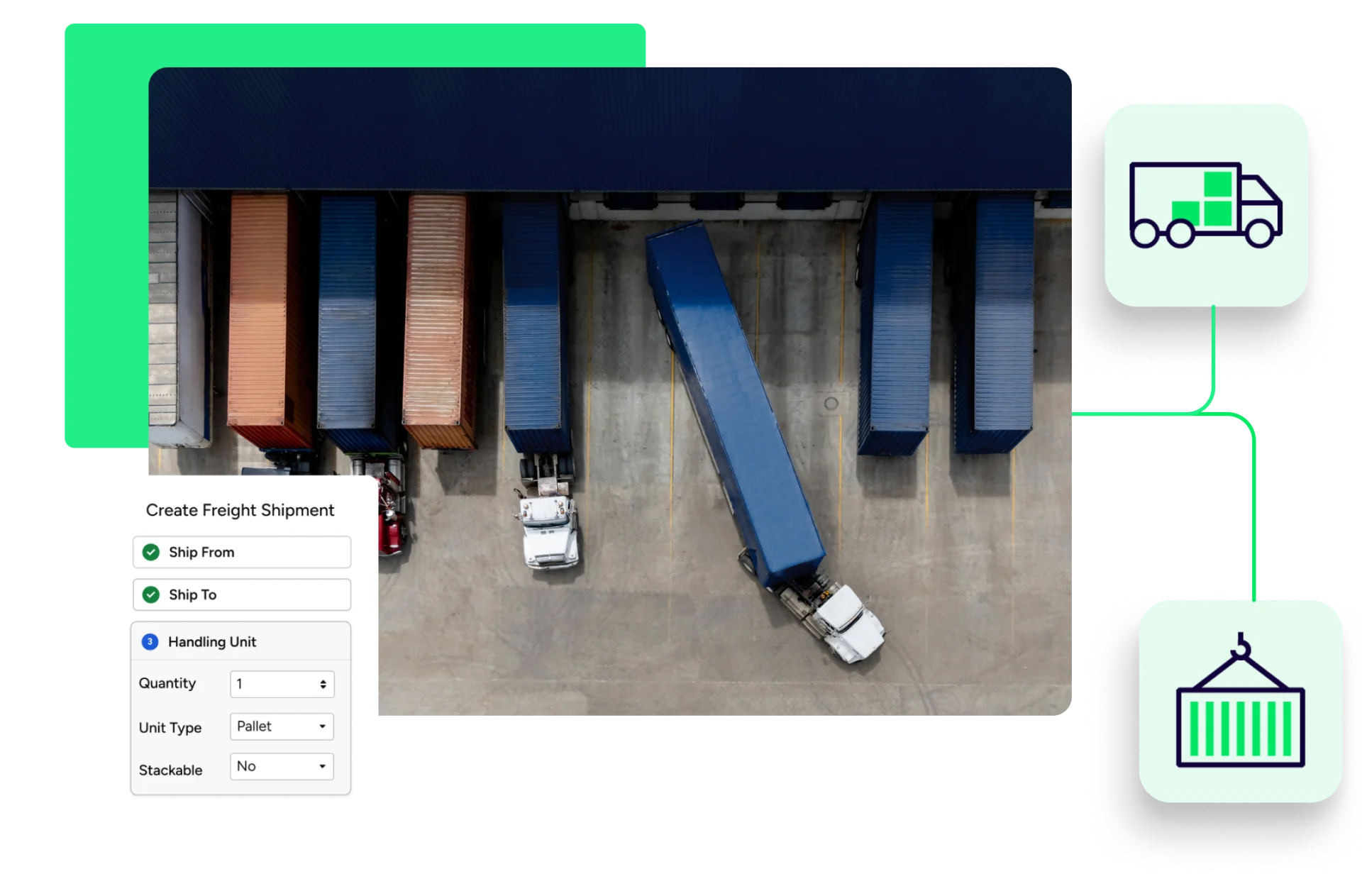
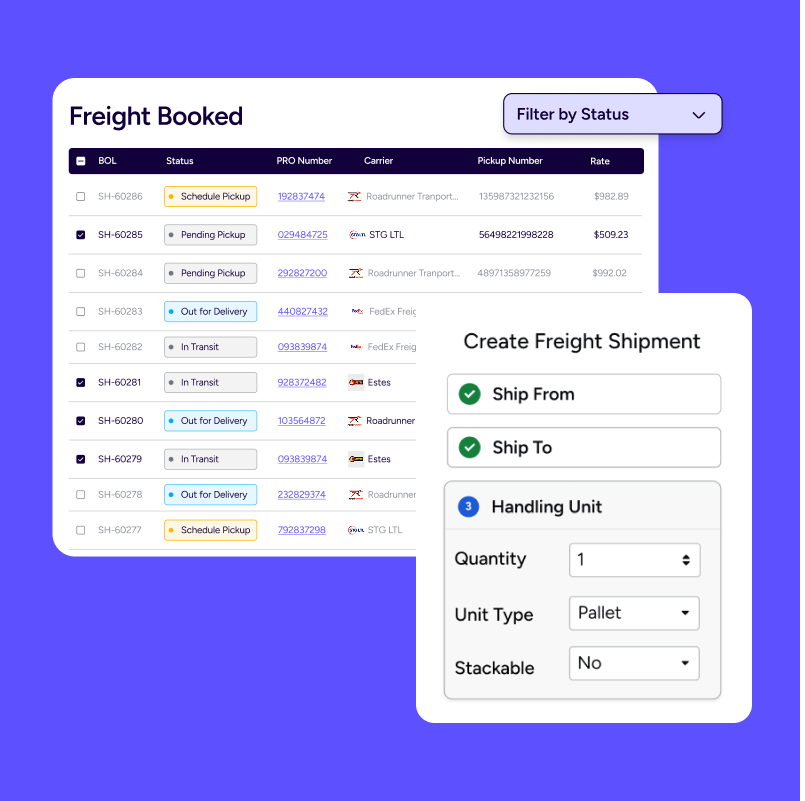
ShipStation supports eligible parcel and LTL shipments within one platform. Businesses can compare available rates, book shipments, and access tracking information. For eligible LTL shipments, ShipStation provides access to more than 50 carriers and supports bills of lading and pallet labels.
This helps automotive businesses manage different shipment types without relying on entirely separate shipping workflows. Specialized transportation, including complete vehicle shipping, is arranged separately.
Track automotive shipping KPIs
Shipping reports can help businesses understand where their money goes and how well carriers perform.
Review these numbers regularly to identify trends and opportunities for improvement.
Comparing rates, automating routine tasks, and managing parcel and LTL in one place gives you more control over every shipment. Even with great tools, though, some mistakes show up again and again.
Common automotive shipping mistakes
Automotive businesses should watch for mistakes that can create unnecessary costs and delivery delays.

Here are some of the preventable shipping problems:
Reviewing these problems can help businesses improve shipping performance and prevent repeat expenses.
Wrong parts, weak packaging, missed oversize charges, and overlooked receiving requirements are all avoidable. Here are answers to the questions businesses ask most often about getting it right.
Make automotive shipping easier with ShipStation
In automotive shipping, the right part needs to reach the right destination at the right time. A damaged transmission, delayed replacement component, or incorrect order can affect repair schedules, customer satisfaction, and profitability.
Businesses can reduce these risks with better packaging, accurate product information, and shipping services that match each shipment. Comparing carriers and reviewing transportation costs can also help prevent unnecessary expenses.
ShipStation helps automotive businesses manage eligible parcel and LTL shipments in one platform. Compare available rates, prepare shipping documents, book shipments, and track deliveries. With access to more than 50 LTL carriers, businesses can explore freight options alongside their everyday parcel shipping needs.
Ready to take control of your shipping costs? Explore ShipStation’s LTL shipping solutions or start your free trial today.
FAQs on automotive shipping
What is the cheapest way to ship auto parts?
Can I ship an engine through a parcel carrier?
How do I ship oversized car parts?
Can I ship automotive batteries?
Is LTL freight good for automotive parts?
What's the difference between automotive shipping and auto transport?
How can I reduce damage when shipping car parts?
Which automotive shipping KPIs should I track?
Related Resources




Continue Reading
Automotive Shipping: The Complete Guide to Parts, Costs, and Vehicle Transportation
"*" indicates required fields