




















































Small BusinessesStart small, think big. Elevate your small-business shipping today.
Start Shipping in MinuitesStart shipping instantly with a simple setup. Buy and print labels in minutes with no training needed and no unnecessary steps.
Automate and ScaleSave time with rules that batch, route, and print labels automatically so your shipping keeps up as orders grow.
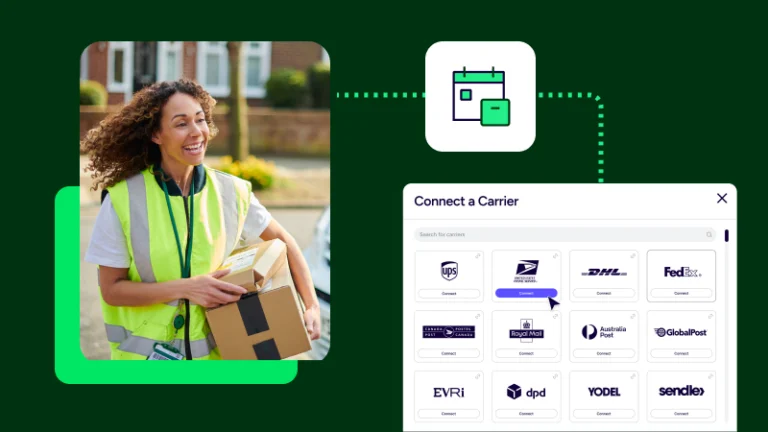
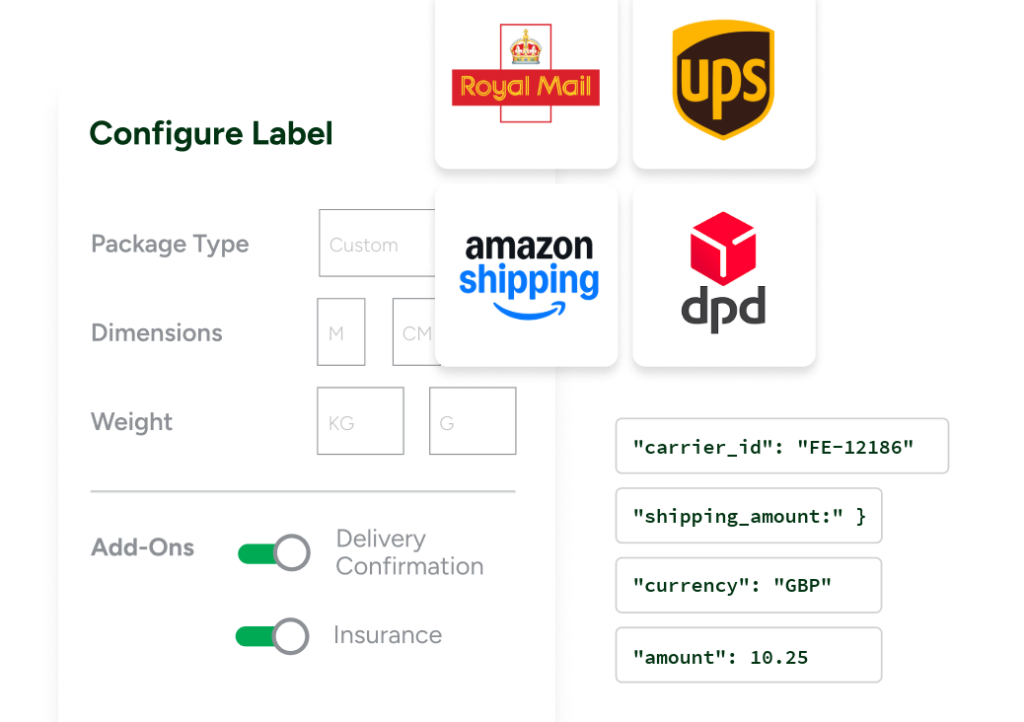
Access every major UK CarrierBuy labels directly from every major UK carrier and cut costs on every label, no matter where you ship.
Connect and CustomisePlug into hundreds of stores, marketplaces, and carriers, or extend ShipStation with custom API tegrations built for your business.
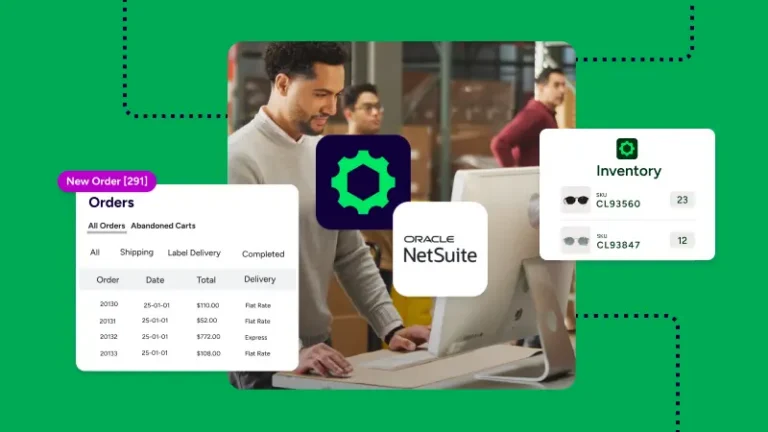
Manage Everything in One PlaceManage shipping, inventory, warehouse, tracking, and returns for all your stores and marketplaces in one simple platform.
Simplify ReturnsManage returns in one platform with prepaid labels and self-serve features that keep the process fast and frustration-free.
Medium and GrowingShip smarter, grow faster. Scale your fulfilment with ease.
Save on Shipping as you ScaleAutomate rate shopping across 200+ carriers, bring your own carrier accounts, and unlock deep volume discounts that grow with you.
Unlock Shipping InsightsAnalyse sales trends, shipping costs, and delivery times in one platform to identify savings, improve efficiency, and keep fulfillment running smoothly.
Centralise Omnichannel FulfilmentManage orders, shipping, inventory, warehouse operations, tracking, returns, and analytics across online stores and marketplaces with one platform.
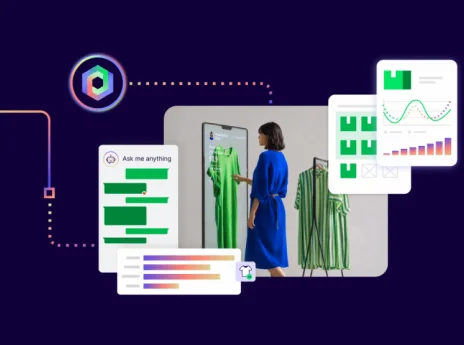
Automate Order ManagementCombine Al intelligence with rule-based workflows to speed up fulfillment, streamline operations, and eliminate bottlenecks.
Scale With our APIsExtend your setup using our developer-friendly API for custom automated workflows and insights.
Start with Guided OnboardingOur experts walk you through setup, training, and workflows so your team feels confident and ready to ship quickly.
EnterpriseGlobal scale, local precision. Master shipping at every level.
Lower Shipping Costs at Global ScaleReduce global shipping expenses with real-time rate shopping and discounted carrier rates, helping your enterprise control costs and ship efficiently at scale.
International Shipping Made SimpleEasily manage customs forms, duties, taxes, and tracking while accessing global carrier options from one platform built for cross-border shipping.
Fulfilment APIsCustomize workflows at scale with APls for consolidating orders across channels, comparing shipping rates, validating addresses, tracking, analytics, and more.
Multi-Location FulfilmentManage inventory, orders, and shipping across multiple warehouses and stores with one platform built for multi-location fulfilment.
Advanced Shipping IntelligenceAccess powerful analytics that reveal trends, track spend, and measure performance to unlock global fulfilment efficiencies.
Dedicated Guidance and SupportCount on 24x7 support plus dedicated onboarding guidance so your enterprise shipping runs reliably from day one and beyond.
How The Great British Cheese Company Mastered a 6x Seasonal Shipping Surge With ShipStation
This family-run UK cheese company went from chaotic, manual seasonal peak fulfilment to processing 6x normal order volume with ShipStation—without doubling the team.
How The Great British Cheese Company Mastered a 6x Seasonal Shipping Surge With ShipStation
This family-run UK cheese company went from chaotic, manual seasonal peak fulfilment to processing 6x normal order volume with ShipStation—without doubling the team.
The conclusion is clear: AI is already influencing demand, competition, and delivery performance—and retailers that fail to adapt risk being excluded from AI-led shopping journeys altogether.
Getting Inventory Management Right in Omnichannel Retail
This blog was contributed by Mohammed Ali, Founder and CEO of Primaseller, a multichannel inventory management software. Primaseller helps sellers build brand credibility by ensuring accurate stock information on all sales channels and supporting on-time order fulfillment.

Omnichannel retail was once the domain of big retailers alone. But building an ecommerce site or setting up shop on an online marketplace is much easier these days. Now smaller brick and mortar retailers can also embark on the omnichannel journey.
The actual execution, however, can be a tad bit tricky — particularly when it comes to inventory management. What makes it difficult is that the point at which inventory changes hands is different depending on the selling channel.
At a brick and mortar location, the shopper makes a purchase and leaves with her item(s). The merchandise is out the door and immediately no longer in the inventory. But in an online transaction, there’s a delay between when the customer makes a purchase and when she gets it. The merchandise is paid for and is technically the property of the shopper. But until it’s left the warehouse or store, it’s still part of your inventory.
If your omnichannel strategy doesn’t account for these variables, your inventory levels will be suboptimal. Stale inventory hurts your profit margins. And stockouts hurt your reputation.
Retailers often find their digital inventory count and the actual inventory count don’t match. There are a few common reasons this happens, such as:
Human error during manual inventory counts
Item location being incorrectly documented
Items returned to stock in the wrong location
Inefficient or incorrect returns processing
Omnichannel retailers are more susceptible to inventory discrepancies. But regular stock reconciliations can provide a more accurate view of your inventory.

Stock Inventory Across Locations
Keeping inventory at several distribution centers offers two main benefits:
You’ll fulfill orders faster by shipping from a location closest to the customer.
If your store runs out of an item (or items), you can restock immediately from the nearest warehouse.
Keep in mind that online orders don’t always need to be fulfilled from a warehouse. Make your store a distribution center for online orders and ship products from it, as well.
Be sure to identify sales patterns across channels, sources, and destinations. Then you can make more proactive ordering decisions for each individual item and warehouse. By optimizing the stock levels at each location, your omnichannel retail process becomes efficient and cost-effective.

Connect Your Systems
It doesn’t matter if you fulfill every purchase using store inventory. In-person transactions and online orders still impact stock differently. And if you choose to have your merchandise spread across multiple locations, a single source of inventory truth is especially necessary.
When you integrate your shipping and fulfillment operations into a single system, you can …
Treat all inventory as a single entity, even if it exists in different locations
See which of your products are in stock at which location
Assess demand by channel and transfer inventory accordingly
Manage all your shipping partners from one interface
Easily update inventory counts when shoppers return items
You may want to also consider integrating your customer relationship management (CRM) software with your point-of-sale (POS) solution and inventory management system. This enables you to more easily upsell and cross-sell. Once you start exploring omnichannel retail, the possibilities are endless.
What is the biggest hurdle you’ve run into on your omnichannel journey? Tell us in the comments below!