Back
Back
































































 Shipping 101


This is a duplicate of a blog written for WooCommerce by ShipStation’s Matthew Trattles.
UK shipping is hitting a messy patch. Between shifting European regulations, changing borders, and stale carrier contracts, many merchants are overpaying or facing surprise customs rejections without understanding why. None of it’s hard to fix, but it requires moving past the shipping setup you may have built a few years ago.
If you are shipping out of the UK right now, here are the four operational shifts you need to audit.
Since the post-Brexit rules have settled, the era of «close enough» customs forms is over. Customs borders are increasingly automated, and standard errors that used to get flagged with a warning now result in an immediate border rejection or a heavily delayed delivery.
If you want your shipments to clear without a human border agent pulling them aside, three backend data fields must be completely clean:
On July 1st, the European Union is removing its long-standing €150 customs duty exemption for low-value imports. Every commercial shipment entering the bloc will be subject to duties, including a flat rate of €3 per item category.
This is a massive operational disruption for ecommerce stores utilizing a direct-to-consumer shipping model. If a European customer orders a shirt and a pair of sunglasses in the same box, those are two separate item categories, meaning €6 in flat duties are applied directly to the order, plus standard import VAT.
If your cross-border mix relies heavily on small, inexpensive items going to Europe, your current pricing strategy is broken. You need to update your shipping fees immediately to protect your margins, or start looking into localized EU fulfillment centers to bypass the border entirely.
If you are still shipping international orders on a Delivery Duty Unpaid (DDU) basis, you may be hurting customer retention. DDU means your customer gets a surprise text or email from a local carrier demanding a cash payment before their package can be delivered. When shoppers hit an unexpected border fee, a massive percentage simply refuse delivery. The package gets sent back, you have to refund the transaction, and you end up paying for international shipping twice.
Switching your store to Delivery Duty Paid (DDP) completely removes this friction. You calculate and collect the exact duties directly at your checkout screen, pre-pay the clearance through your carrier, and the package bypasses the local holding facility straight to the customer’s door.
The Rule of Thumb: If international duties average more than 10% of your typical basket value, building a DDP workflow pays for itself almost instantly through rescued conversions and zeroed-out return rates.
Northern Ireland is part of the UK customs territory, but follows EU rules for goods. What that means in practice depends on the direction of your shipment.
For goods moving from Great Britain to Northern Ireland for UK use (i.e., not at risk of entering the EU), the UK Internal Market Scheme (UKIMS) applies. From May 1, 2025, UKIMS-registered traders moving qualifying goods through the UK Internal Market lane no longer need to complete customs declarations for those movements.
UKIMS registration is free. HMRC also provides a free Trader Support Service for help with navigation and declarations.
If you’re shipping to Northern Ireland regularly, UKIMS registration is worth doing. It’s a straightforward process that simplifies every subsequent shipment.
Most merchants pick a carrier early and don’t renegotiate. But the rate you signed at lower volume is probably not the rate available to you now.
Proactively call your account managers every 6 to 12 months. If your shipping volume has grown, ask for a new rate sheet. Carriers like Royal Mail, DPD, and Evri have tiered pricing, and thresholds that weren’t relevant 2 years ago may be relevant now.
It’s worth considering that the best carrier for a 2kg parcel to Edinburgh is rarely the best carrier for a 500g parcel to Dublin. Multi-carrier rate comparison (i.e., automatically selecting the most competitive eligible service per shipment) is where you’ll find ongoing savings.
Fixing these things takes some upfront configuration, after which your shipping mechanics should run completely in the background. The fastest way to deploy this without rewriting your backend code is using an aggregator like ShipStation.
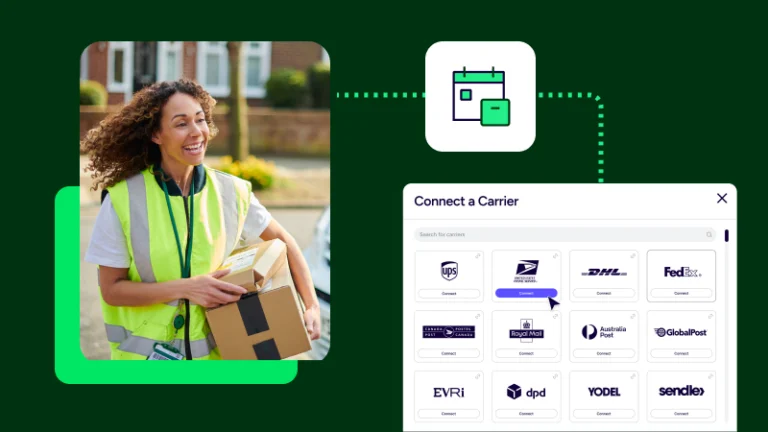
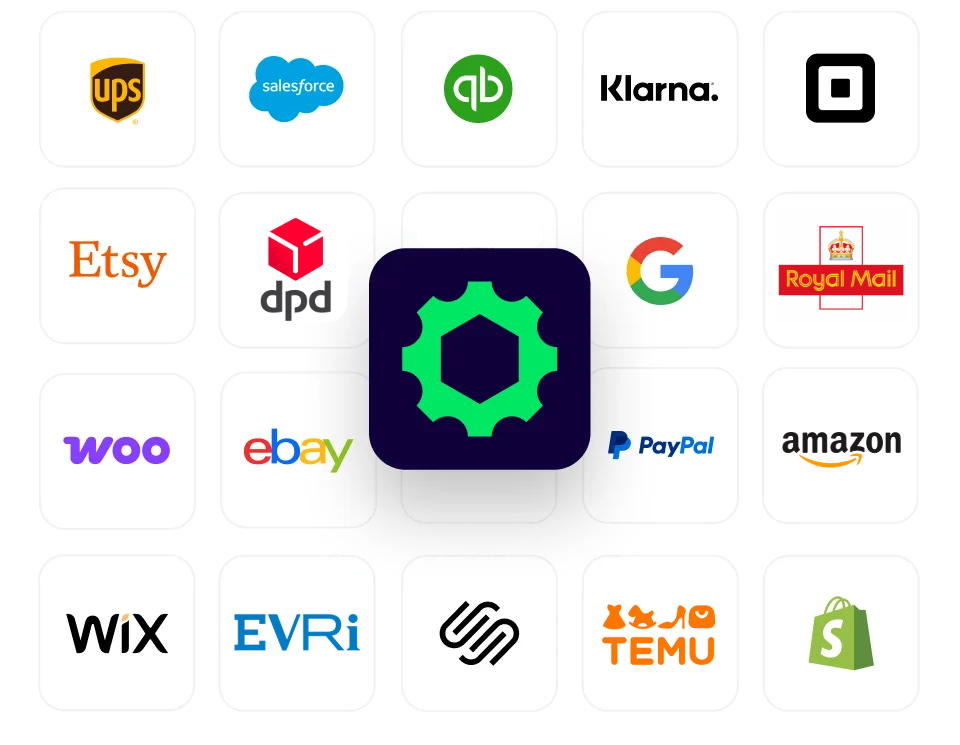
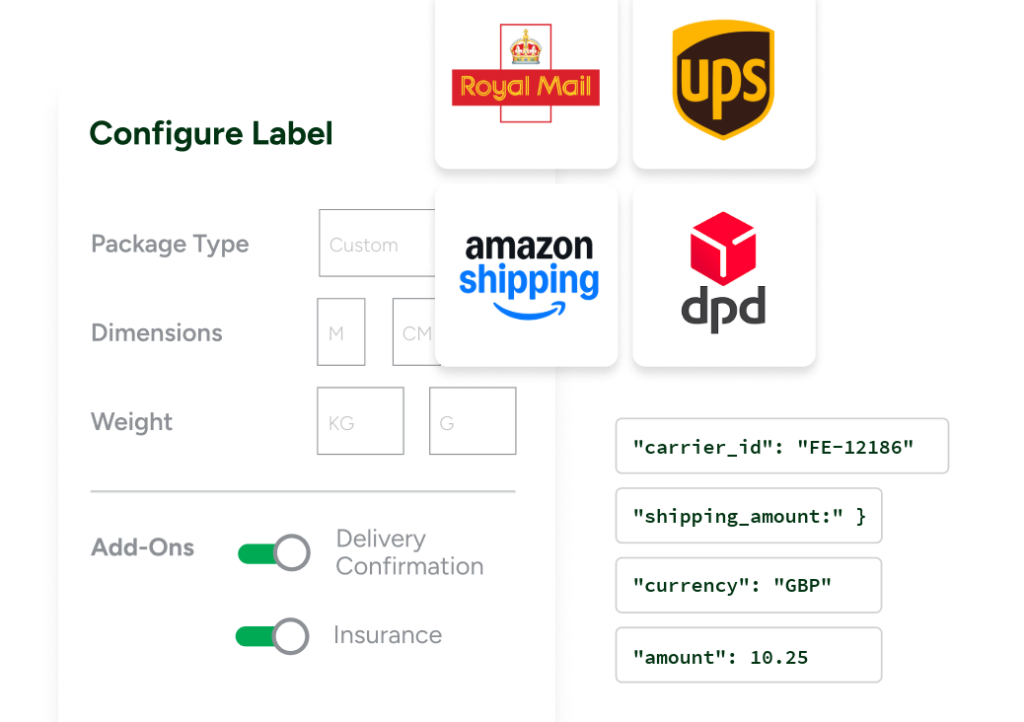
Because ShipStation connects directly to WooCommerce, it centralizes your entire fulfillment loop — pulling orders, generating clean customs paperwork automatically, and systematically applying your product HS codes to international shipments. For UK stores, it instantly unlocks pre-negotiated, discounted rates with all major UK carriers like Royal Mail, DPD, Parcelforce, and Evri, right out of the box, saving you from negotiating individual entry-level contracts. Plus, if you have your own carrier account, you can add that in too.
The tool features flexible, no-contract monthly terms and offers a 30-day free trial with no credit card required. If you are tired of manually auditing customs rules and want to run a real-world rate comparison risk-free, you can plug in your store and run a test batch today.