Back


































 Shipping & Fulfillment


Food and beverage shipping involves more than transporting fresh produce in refrigerated trucks. It includes everything from spices and packaged snacks to bottled beverages and wholesale food orders. Depending on the customer, a business might ship one carton or several pallets of products.
Managing these shipments creates challenges. Transportation costs can reduce margins, fragile products need protection, and delivery delays can affect customer satisfaction. When businesses manage parcel and less-than-truckload (LTL) freight through separate processes, everyday shipping can become unnecessarily complicated.
Fortunately, food and beverage businesses can improve shipping efficiency by coordinating parcel and LTL operations. Competitive rates, effective technology, and the right shipping partner can help companies control costs, simplify workflows, and meet customer expectations.
Food and beverage logistics involves challenges that vary considerably by product. A jar of seasoning may be shelf-stable but vulnerable to breakage. Bottled sauces can freeze during winter transportation, while fresh produce may require strict delivery schedules.
These differences affect packaging, carrier selection, and transportation costs.
When shipping food and beverages, businesses must consider the characteristics of their products:
Businesses must also consider expiration dates, product traceability, retailer requirements, and applicable food safety regulations. Shipping efficiency matters, but product integrity comes first.
A growing food brand might fulfill individual online orders, ship cases to restaurants, and deliver palletized inventory to retail distributors.
Each channel creates different transportation needs. Direct-to-consumer orders often favor parcel shipping, while larger wholesale orders may be better suited to LTL shipping. Coordinating both modes helps businesses serve different customers without maintaining entirely separate shipping operations.
Parcel shipping and LTL shipping serve different purposes, but both can play important roles in food and beverage distribution.
Parcel shipping works well for individual consumer orders, product samples, subscription boxes, and smaller replenishment shipments. A seasoning company, for example, can ship individual jars directly to customers without arranging palletized freight.
However, heavy or oversized packages may incur additional charges. Dimensional weight pricing can also increase costs when packaging takes up more space than the product requires.
LTL shipping is often practical for larger quantities of packaged products, particularly wholesale orders and retail distribution. A beverage company sending several pallets to a distributor may find LTL more economical than shipping numerous individual cartons.
The right decision depends on shipment dimensions, weight, packaging, delivery requirements, and available carrier services. The goal isn’t to replace parcel shipping with LTL. It’s to use each mode where it makes the most operational and financial sense.
Not every food and beverage shipment requires refrigeration. However, temperature-sensitive products need additional planning to protect quality and safety. Understanding the differences between cold chain logistics, temperature-controlled shipping, and protect-from-freeze services can help businesses choose appropriate transportation.
Cold chain logistics involves maintaining appropriate temperatures across a product’s journey, including storage facilities, loading areas, transportation, and delivery. For refrigerated or frozen foods, a temperature excursion can affect product quality, shelf life, or safety. Cold chain management may require monitoring equipment, documented handling procedures, and coordination among transportation providers and facilities.
Temperature-controlled shipping focuses on maintaining suitable conditions while products move between locations. Depending on the shipment, this may involve refrigerated equipment, insulated packaging, or specialized transportation arrangements. Not every temperature-controlled shipment needs freezing or refrigeration. Some products require protection from excessive heat or must remain within a specified range above freezing.
Protect-from-freeze services help reduce the risk of products freezing during cold-weather transportation. These services can be valuable for beverages, sauces, and liquid ingredients vulnerable to freezing temperatures. However, protect-from-freeze service doesn’t necessarily maintain a precise temperature range or guarantee protection under every condition. Availability and operating requirements vary by carrier.
Before booking, businesses should evaluate their products’ temperature requirements, transit-time tolerance, and packaging needs.
Products requiring continuous refrigeration, temperature monitoring, or specialized handling may need transportation arrangements beyond standard parcel or LTL shipping services.
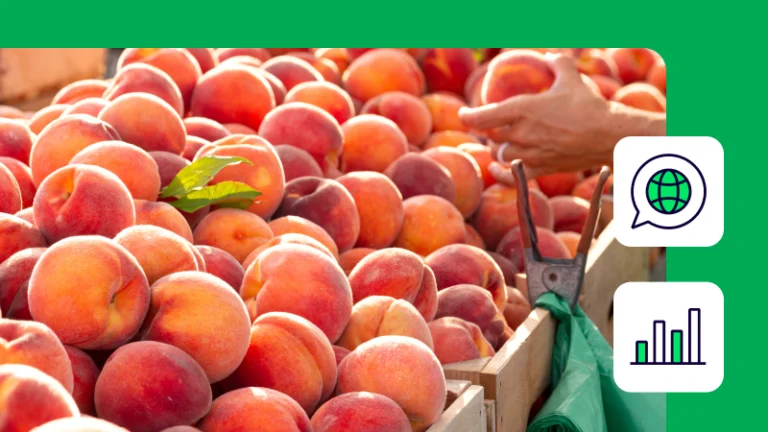
For example, peach producer Titan Farms partnered with JEAR Logistics (part of ShipStation Global) to improve refrigerated freight operations, strengthen delivery reliability, and address operational bottlenecks. Its experience demonstrates why specialized expertise matters when product freshness and delivery timing are critical.
Food and beverage businesses can’t control every transportation challenge. But they can make smarter decisions about how they manage shipments. Whether you’re sending individual packages or palletized freight, three areas can make a meaningful difference: competitive rates, shipping technology, and a knowledgeable shipping partner.
Transportation rates and expenses can significantly affect food and beverage profitability. Packaging, carrier charges, and unexpected fees all influence the cost of fulfilling an order. According to ShipStation’s 2026 Merchant Insights Report, 62% of surveyed retail merchants say high shipping and freight rates limit business growth.
For food and beverage companies, understanding transportation pricing is an important step toward protecting margins.
Understand what determines parcel and LTL rates
Parcel and LTL carriers use different pricing structures.
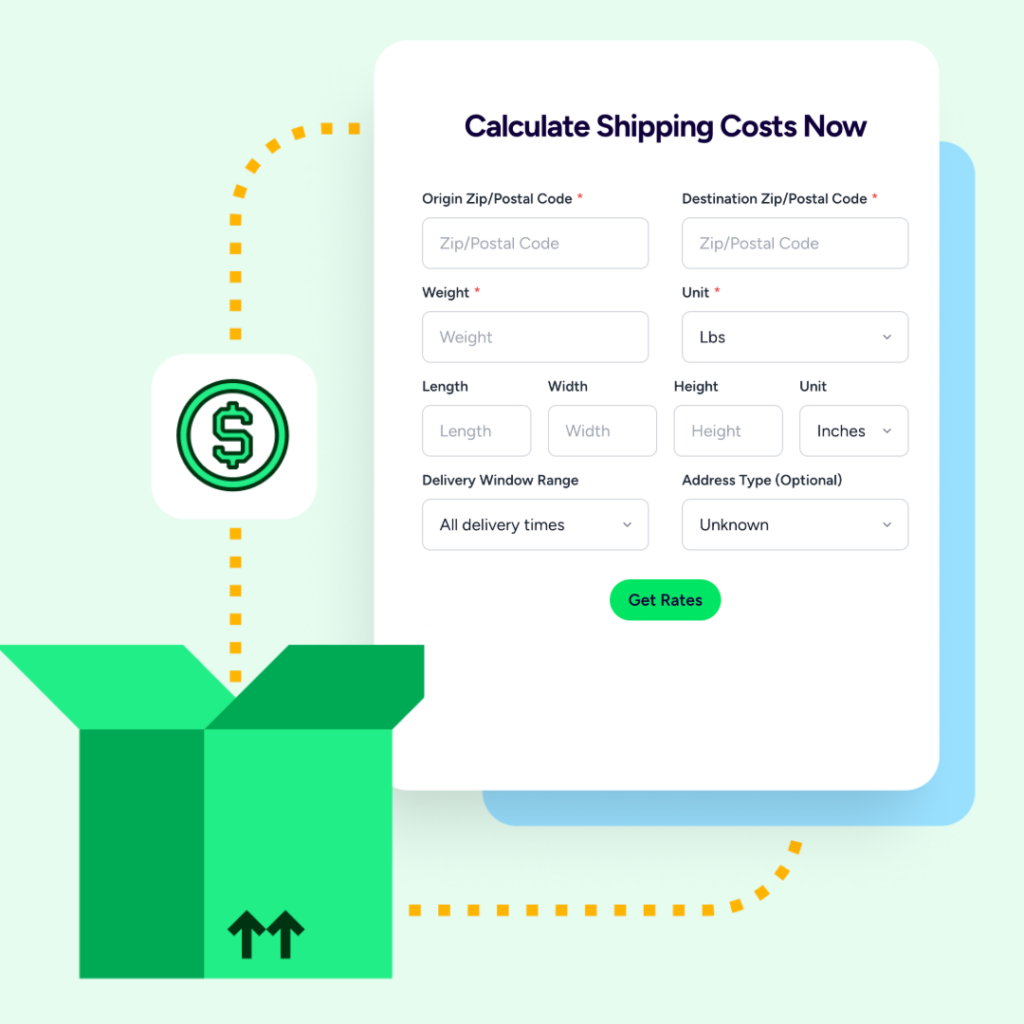
Parcel shipping costs commonly depend on:
LTL shipping costs commonly depend on:
Accurate shipment information matters in both modes. Incorrect dimensions, weights, or freight details can lead to charges beyond the original quote.
Look beyond the initial quote
The lowest quoted transportation rate isn’t necessarily the lowest final cost. Delivery appointments, liftgate requirements, additional handling, and other services may increase charges. Businesses should evaluate these requirements before booking and review invoices afterward. Packaging also affects total costs. A lower shipping rate offers little value if inadequate protection results in damaged products, replacements, or claims.
Match the shipping mode to the order
Shipping every order the same way can create unnecessary expenses. A small box of spices may be ideal for parcel delivery. Several pallets of packaged foods going to a distributor may be better suited to LTL.
Comparing available parcel and LTL rates and services helps businesses choose transportation that fits the shipment rather than relying on habit.
Growing shipping volume doesn’t always require additional employees. Sometimes, businesses need more efficient processes. Manual rate comparisons, repeated data entry, separate carrier portals, and time-consuming documentation can slow fulfillment. Technology helps reduce these administrative demands.
Compare rates and book shipments more efficiently
Employees shouldn’t need to navigate multiple carrier websites for every routine shipping decision.
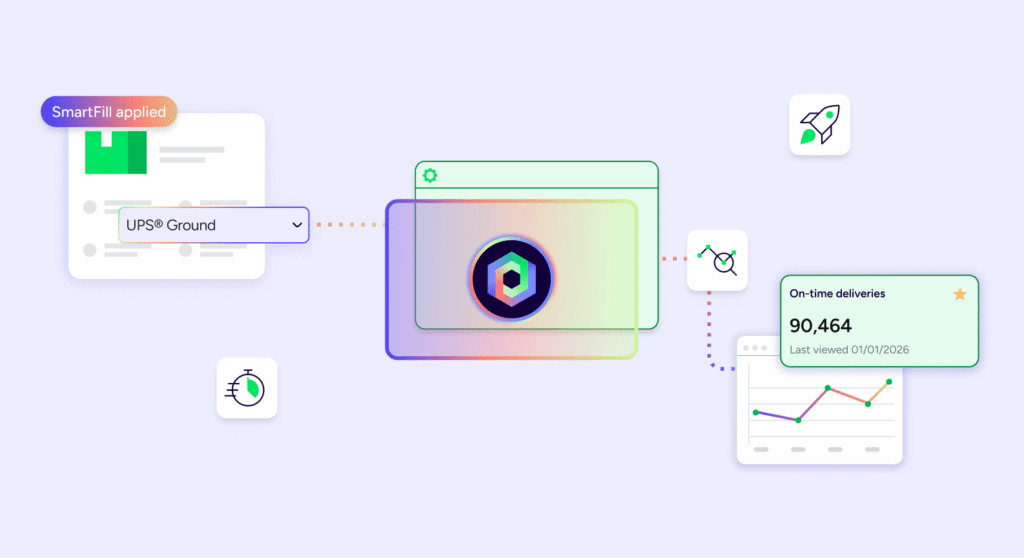
ShipStation brings parcel and LTL quoting, booking, and tracking into one platform, helping businesses compare available services and coordinate shipping activities. For food and beverage companies serving both consumers and wholesale customers, this can simplify daily operations.
Simplify documentation and shipment preparation
Parcel and LTL shipments require different paperwork. Parcel shipments generally need shipping labels and accurate package information. LTL shipments typically require a bill of lading (BOL), freight labels, and additional shipment details. Shipping technology can simplify document preparation and reduce repeated data entry.
Improve tracking and customer communication
Shipment visibility helps businesses manage delivery expectations and respond when problems arise. Employees can use tracking information to answer customer questions, identify exceptions, and coordinate with carriers. For time-sensitive food shipments, prompt communication is especially valuable.
Automate repetitive shipping tasks
Automation can help teams apply shipping rules, process orders in batches, and prepare labels more efficiently. These capabilities become particularly useful during holiday promotions, seasonal harvests, and unexpected increases in demand.
Technology simplifies shipping tasks, but businesses still need knowledgeable support. Carrier selection, product protection, transportation costs, and delivery exceptions can require experience that goes beyond booking a shipment. The right shipping partner helps businesses navigate these decisions.
Find carrier options that fit your products
Carriers differ in geographic coverage, service availability, and handling capabilities. A company shipping shelf-stable products to consumers has different needs from one delivering palletized beverages to distributors. A knowledgeable partner can help businesses evaluate appropriate parcel and LTL services. Specialized products may require additional transportation expertise.
Get support when shipping problems arise
A missed pickup can delay retail replenishment. A damaged pallet can lead to a claim, while an unexpected accessorial charge can affect profitability. Experienced shipping support can help businesses investigate exceptions, understand carrier requirements, and address claims or billing questions.
Choose a partner that supports growth
Before selecting a shipping partner, ask:
A strong shipping relationship should support everyday parcel and LTL needs while helping businesses recognize when specialized logistics services are necessary.
An efficient food and beverage shipping operation benefits from a consistent process. Use this checklist to help coordinate different order sizes and transportation requirements.
Shipping challenges extend beyond the food and beverage industry. ShipStation’s 2026 Merchant Insights Report surveyed 868 U.S. retail merchants about freight shipping, technology, and business challenges. Although the findings aren’t specific to food and beverage businesses, they provide useful context for coordinating parcel and freight operations.
For food and beverage businesses, these findings reinforce the importance of considering shipping costs, technology, and service together.
Food and beverage shipping doesn’t have to involve separate systems, complicated booking processes, and unnecessary administrative work.
ShipStation helps businesses coordinate parcel and LTL shipping through one platform, providing access to competitive rates, streamlined workflows, and shipping expertise. Whether you’re sending individual packages or palletized wholesale orders, the right tools can make shipping more efficient.
Ready to improve your operations? Talk to a ShipStation shipping expert to explore your parcel and LTL options, compare available rates, and find opportunities to simplify food and beverage shipping.
Want to learn more? Log in or sign up for a free trial today.