Back
Back



































 Technology & Integrations



Growing businesses need more shipping options. Parcel may work perfectly for everyday orders. But as your business grows, some shipments get bigger, heavier, or more complex. You may start sending multiple packages to the same customer, fulfilling larger B2B orders, or shipping products that simply aren’t a natural fit for a parcel network.
That’s where less-than-truckload (LTL) freight shipping comes in.
And now, LTL freight is built into ShipStation. You can compare rates, book freight, and track shipments alongside the parcel shipping you already manage through the platform.
With parcel and LTL in one system, you have more flexibility to match the shipping mode to the shipment. Use parcel when it fits, turn to LTL when freight makes more sense, and adapt as your shipping needs change.
More shipping options. More flexibility. And one place to manage it all.
LTL freight shipping is generally used for shipments that are too large or heavy for traditional parcel shipping but don’t require an entire truck. Your freight shares trailer space with shipments from other businesses and typically moves through a network of carrier terminals before reaching its destination.
LTL shipments are often palletized, allowing multiple boxes or larger products to move as a single handling unit. But there’s no universal size or weight at which a shipment should move from parcel to LTL. Dimensions, weight, packaging, destination, service requirements, and cost can all influence the decision.
Here’s a quick look at where LTL fits:
There’s overlap between these modes, so the best choice isn’t always obvious based on weight alone. LTL may be worth comparing when:
The point isn’t to replace parcel shipping. It’s to have another option when a shipment isn’t a natural fit for parcel.
If you’re already familiar with ShipStation, adding LTL doesn’t mean learning an entirely separate shipping platform. LTL freight is built into ShipStation, so you can manage freight in the same platform you already use for parcel.
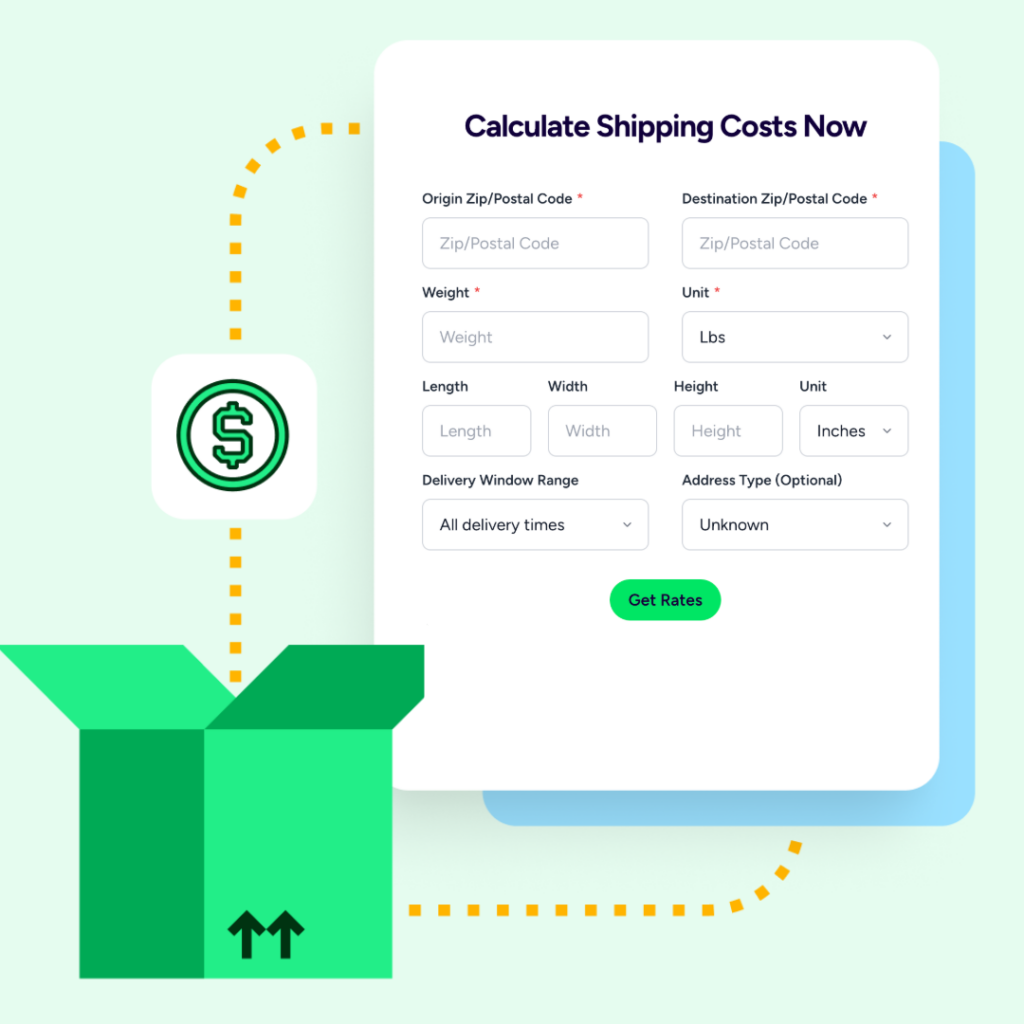
Start by entering the information needed to quote your freight, including its origin, destination, dimensions, weight, and service requirements. From there, you can compare available LTL carriers, rates, transit times, and delivery options, then select the service that fits your shipment and book your freight.
Once booked, ShipStation can automatically generate freight documents and keep your shipment information and tracking available as the freight moves from pickup through delivery.
If you’re new to LTL or ShipStation, guided onboarding and support are available to help you get started. Sign up for a free trial to start exploring your freight options today.
Adding LTL shouldn’t mean adding unnecessary complexity to your shipping operation.
ShipStation gives you a complete LTL freight shipping platform built for the way your business ships. It combines broad carrier access with the tools you need to ship freight efficiently.
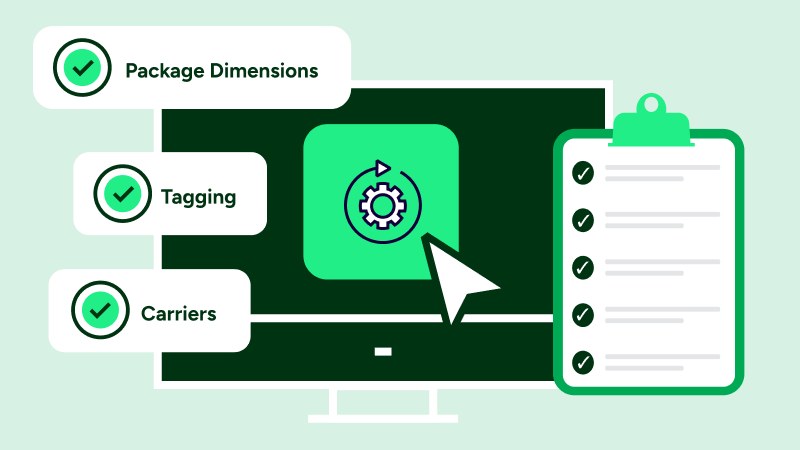
Here’s a look at what ShipStation offers shippers:
Together, these capabilities make it easier to add LTL without building a disconnected freight process around it.
That’s the value of bringing parcel and LTL together. Your everyday shipping process doesn’t have to change just because your order mix does. As shipments get bigger, heavier, or more complex, you have another way to move them without adding a separate freight platform.
If you’ve primarily shipped parcel, some LTL terminology may be new. These 10 terms can help you understand quotes, services, documents, and shipments.
Accurate shipment information matters just as much as knowing the terminology. Your shipment details—dimensions, weight, commodity information, freight class when applicable, and pickup or delivery requirements—should reflect what you’re actually shipping. Differences between quoted and actual shipment details can affect your final charges. Getting those details right is also an important part of building a smarter LTL shipping strategy as your freight volume and needs grow.
Yes. LTL freight is native to ShipStation, allowing you to manage freight alongside parcel without maintaining a separate shipping platform.
No. While palletizing is common for LTL freight, some items can ship as individual handling units, such as crates, large boxes, drums, or other properly packaged freight. Whether a shipment should be palletized depends on the product, its size and weight, how it can be safely handled, and the carrier’s requirements. When pallets are used, they can help consolidate multiple items, make freight easier to handle, and provide additional protection during transit.
You’ll typically need origin and destination information, along with shipment details such as dimensions, weight, commodity information, and any special pickup or delivery requirements. Accurate information helps produce a more reliable quote.
Yes, when the selected carrier and service support residential delivery. Additional services, such as a liftgate, may also be needed depending on the location, available equipment, and freight being delivered.
Look beyond price. Service area, transit time, shipment requirements, carrier capabilities, and available services can all matter. Comparing your options can help you choose the carrier and service that fit the shipment.
As your business grows, what you ship can change just as much as how much you ship. Parcel may still be the right choice for most of your orders. But when the next shipment is bigger, heavier, or simply better suited for freight, you don’t have to force it into your parcel process or build an entirely new one.
With parcel and LTL together in ShipStation, you have more ways to ship and more flexibility to choose what works for each order. Explore LTL freight shipping with ShipStation and find the right way to move your next shipment.
Want to learn more? Log in or sign up for a free trial.