Back
Back







































 Ecommerce Growth




Shipping has never been more important to business success. Customers expect fast, reliable deliveries, while businesses work to control transportation expenses and keep operations running efficiently. Whether you’re sending individual packages or palletized freight, even small shipping mistakes can lead to unexpected fees, damaged products, delayed deliveries, and unhappy customers.
The good news is that many of the most common shipping errors are entirely preventable. Following proven shipping tips, using the right technology, and building a consistent shipping process can help you reduce shipping costs, improve efficiency, and deliver a better customer experience.
This guide covers 16 common shipping mistakes businesses make every day. You’ll learn how to avoid costly parcel shipping problems, improve your less than truckload (LTL) shipping strategy, and develop better habits that keep freight moving smoothly from pickup to delivery.
Understanding shipping modes is paramount. While both LTL and parcel move products from point A to point B, they operate very differently.
| Parcel shipping | LTL shipping | |
|---|---|---|
| What ships | Individual packages | Palletized freight |
| Typical weight | Usually under 150 pounds | Typically 150 to 15,000 pounds |
| How it moves | Automated sorting systems | Multiple terminal transfers |
| Where it delivers | Residential and commercial deliveries | Primarily commercial deliveries |
| What matters most | Package dimensions and labels | Freight class, pallets, and documentation |
Parcel shipping may seem straightforward, but small errors can quickly increase costs or disrupt deliveries. Accurate package information and thoughtful preparation help keep shipments moving smoothly. Knowing where problems commonly occur makes them much easier to prevent.
Using a box that’s too large wastes packaging materials and may increase shipping charges through dimensional weight pricing. A box that’s too small leaves little room for cushioning, increasing the chance of product damage during transit. Right-sizing every shipping box protects your products, reduces waste, and helps lower shipping costs without sacrificing protection.
Many businesses estimate package dimensions instead of measuring them. Unfortunately, a rough guess can become an expensive mistake once a carrier verifies the shipment. Always measure the finished package after it’s packed and sealed. Accurate dimensions improve quoting, reduce billing adjustments, and make your overall shipping process more predictable.
Packages travel through conveyor belts, sorting facilities, delivery trucks, and multiple handling points before arriving at their destination. Thin boxes, poor-quality tape, or inadequate cushioning increase the likelihood of damaged shipments. Strong packaging protects your products, reduces returns, and helps customers receive every order in excellent condition.
Expedited shipping certainly has its place, but not every order needs overnight delivery. Choosing premium services when standard shipping meets customer expectations simply increases transportation expenses. Review delivery commitments regularly and select the service that provides the best balance between speed, reliability, and cost for each shipment.
It might sound obvious, but incorrect addresses continue to be one of the most common shipping mistakes businesses make. Missing apartment numbers, incorrect ZIP Codes, or simple typing errors can result in returned packages, address correction fees, and delivery delays. Address validation tools help catch many of these issues before a shipping label is ever printed.
Standard carrier liability may not fully cover expensive products if they’re lost or damaged. For electronics, specialized equipment, medical devices, or other high-value items, additional insurance may provide valuable financial protection. A small upfront investment can prevent much larger losses if something goes wrong during transit.
The holiday peak season places tremendous pressure on carrier networks. Increased package volume, severe weather, and seasonal surcharges can all affect transit times. Planning ahead gives businesses more flexibility, helps avoid unnecessary delays, and reduces the risk of paying premium rates during the busiest shipping periods of the year.
As shipping volume grows, manually managing multiple carrier websites becomes increasingly time-consuming. Modern shipping software centralizes the shipping process by allowing businesses to compare rates, print labels, automate shipping rules, and track shipments from one platform. Better visibility helps teams work more efficiently while making smarter shipping decisions.
LTL shipping involves multiple transfers between terminals before freight reaches its destination. A shipment may be loaded, unloaded, consolidated with other freight, and handled several times along the way. Because of this, accurate shipment information and proper preparation are essential. Avoiding these common mistakes can help your business reduce delays, control costs, and keep freight shipping running smoothly.
Freight class is one of the biggest factors affecting LTL pricing, yet it’s one of the most misunderstood. Selecting the wrong class can result in reclassification, additional charges, lost time, and invoice corrections after delivery. Before shipping, verify the correct freight class based on density, handling characteristics, liability, and stowability. When in doubt, consult your logistics provider instead of making an educated guess.
“It’s about a thousand pounds.” That estimate may seem close enough, but carriers need accurate weights (and measurements, too) to plan trailer capacity and calculate rates. Guessing can lead to billing adjustments and unnecessary delays if the shipment is significantly heavier than expected. Always weigh freight after it’s fully packaged, palletized, stretch wrapped, and ready to go so your quote reflects the shipment that actually ships.
A damaged or low-quality pallet often leads to a poor shipping experience. Cracked boards, broken runners, weak supports, and improper hardware can fail during handling, increasing the risk of product damage and delivery delays. Before shipping, inspect every pallet carefully and replace any that show signs of wear or damage. A sturdy pallet provides a stable foundation for the entire shipment.
Stretch wrap is designed to stabilize freight—not simply hold boxes together. Wrap should extend around the pallet itself to anchor the load and reduce movement during transit. For heavier shipments, additional banding or corner protection may also be appropriate. Proper load securement protects your products while making handling safer for everyone involved.
Not every shipment is picked up or delivered at a warehouse with a loading dock. Additionally, some deliveries require additional services, including liftgate service, residential delivery, appointment scheduling, inside delivery, or limited-access pickup. Forgetting to request these services ahead of time often results in additional charges, scheduling issues, failed delivery attempts, and other major headaches.
The Bill of Lading (BOL) serves as the shipment’s primary transportation document. It includes addresses, freight descriptions, weights, freight class, contact information, and requested services. Even a small mistake can create confusion during pickup or delivery. Before releasing freight, review every section carefully to ensure the information is complete and accurate.
Waiting until the day before pickup to plan a shipment limits your options. Carrier capacity changes throughout the year due to seasonal demand, weather events, and market conditions. Scheduling freight several days in advance gives carriers greater flexibility while providing your team additional time to resolve any issues before pickup.
LTL shipping involves far more than requesting a pickup. Businesses must compare carriers, manage documentation, track shipments, review invoices, and resolve exceptions. Modern shipping software simplifies this entire shipping process by centralizing information, improving visibility, and helping businesses make better transportation decisions while reducing administrative work.
Many businesses choose a shipping service based on price alone or simply aren’t sure which mode best fits their shipment. Selecting the right transportation method from the start helps avoid unnecessary costs and creates a smoother shipping experience. Here are the consequences:
If you’re unsure which shipping mode best fits your shipment, working with a 3PL can help. An experienced shipping partner can compare your options, explain the tradeoffs, consider the market, and recommend the most efficient solution based on your shipment’s size, destination, timeline, and budget.
Even experienced shipping teams benefit from a final review before a shipment leaves the dock. Following a consistent shipping checklist helps catch small mistakes before they become expensive problems.
Building this simple review into your shipping process can save time, reduce shipping errors, and save money.
No business eliminates every shipping mistake, but consistent processes can dramatically reduce them. Measuring shipments accurately, accounting for dimensional weight, packaging products properly, validating addresses, and reviewing documentation before pickup all help reduce shipping costs while improving delivery performance.
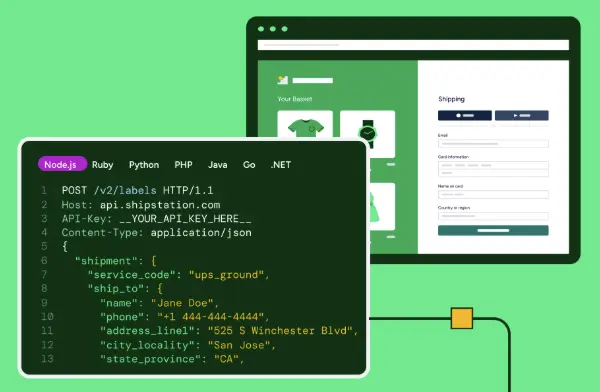
As shipping volume grows, managing multiple carriers and shipments becomes more complex. ShipStation simplifies the shipping process by helping businesses compare carrier rates, automate routine tasks, generate labels, and track shipments from a single platform.
Whether you ship a handful of packages each week or coordinate freight every day, small improvements add up. Avoiding common shipping mistakes, following proven shipping best practices, and using the right technology can help your business operate more efficiently, control costs, and deliver a better customer experience.
Want to learn more? Log in or sign up for a free trial today.