Back
Back






































 Shipping Basics


Shipping delivery exception alerts mean a carrier has flagged an unexpected problem in transit, not that a package is permanently lost. Most alerts point to a delay, an address issue, missed delivery, or customs hold. This guide breaks down what the status means, the most common causes, what to do next, and how to prevent the same issue from hitting future orders.
A package delivery exception status means the shipment could not reach final delivery as planned due to an interruption in the route. That interruption might be minor, and many packages start moving again within 1 to 3 business days.
In plain terms, the carrier scanned the box and found an issue. Common examples include a bad address, a damaged label, refused delivery, a blocked mailbox, a failed delivery attempt, or weather-related delays. For international shipments, customs delays can also trigger an exception. The key point is simple: an exception does not always mean lost. It means something needs time, new information, or direct action.
Most delivery exceptions fall into a few clear buckets. The fastest way to understand the issue is to read the tracking details under the exception status, not the headline alone.
Common causes include:
Small mistakes often lead to bigger delays. A missing apartment number, an incorrect ZIP code, or a smudged label can delay delivery until the carrier receives better information. High volume periods can also slow scans and push back the estimated delivery window.
The best next step is to check tracking first, then act based on the exact message. A shipment exception usually comes with a reason code or short note that tells you whether to wait, update information, or contact carrier support.
Use this order:
When the issue is weather or volume, waiting is often enough. When the issue is an address, missing signature, or customs paperwork, faster follow-up usually leads to better outcomes.
FedEx delivery alerts, along with updates from other carriers, often describe the same issue in different wording. The smart move is to focus on the cause, not the label.
UPS®, USPS®, FedEx®, and DHL Express all report exceptions, but each carrier may use different phrases for the same issue. One might say “delivery exception,” another might note a delay, hold, or address problem. That’s why teams should compare the tracking event, location, and exception note together. Clear tracking information matters more than the exact term on the status page.
You can’t prevent every delivery exception, but you can catch many of them before the package leaves your dock. Better data, cleaner labels, and tighter shipping checks solve a lot.
Focus on these habits:
Address errors cause repeat issues because they start upstream. So do poor label quality and missing customs information. Prevention is often less about speed and more about clean order data, a strong packing flow, and clear customer support communication.
One alert is a shipment problem. Ten alerts with the same reason can point to an operational problem. That’s where tracking data becomes useful, not just reactive.
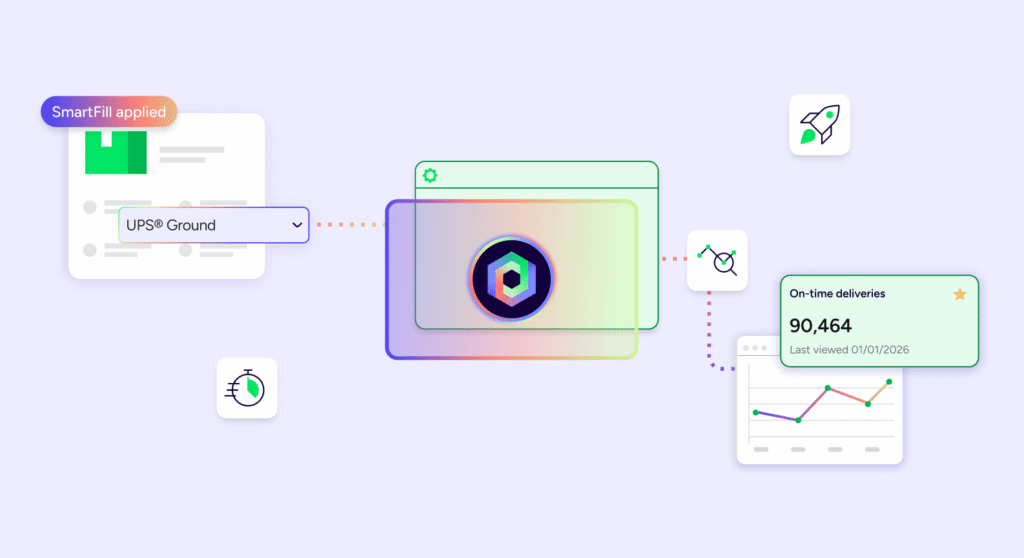
In the ShipStation platform, teams can review the Delivery Exceptions status and dig into exception reasons by shipment. A summary view helps surface patterns like address issues, refused packages, or mis-shipped orders. A shipment-level view shows the tracking event date, order number, tracking number, and carrier-reported exception description. That makes it easier to find the real cause, assign follow-up, and ensure the same issue does not keep hitting future packages.
Shipping delivery exception alerts are early warnings. Read the status closely, confirm the cause, and act only when the carrier needs new information. Clean addresses, high-quality labels, and better tracking habits prevent many recurring issues. When you want one place to monitor exceptions, track, and follow up across carriers, our platform helps make every shipment easier to manage.