Back
Back





























































 Shipping


Most sellers approach ecommerce shipping solutions the same way: pick a carrier, print a label, and move on. This approach handles today’s orders, but it doesn’t account for growth.
What separates growing brands from stalled ones isn’t a single dramatic change. It’s a series of small decisions. The data shows that the brands that scale fastest share one habit: they decide early.
Here are the four decisions to make before you need them.
ShipStation sellers on large plans average 63 automation rules. Sellers on small plans average three.
That gap isn’t just a reflection of size—it’s a reflection of timing. Fast-growing sellers don’t automate because they got big. They grew because they automated.
Every manual shipping decision—carrier, service level, box size—slows your team down. Fulfilment automation removes that friction before it builds.
Nakie runs more than 130 automation rules and ships up to 40,000 parcels at peak. At that volume, manual decision-making isn’t just slow—it’s impossible to sustain. Their automation handles carrier selection, routing, and service levels without human input on every order. That’s the difference between ecommerce shipping solutions that grow with your business and a process that becomes a ceiling.

When volume grows, the workload doesn’t need to grow with it. Waiting to build means building under pressure, with less time and more at stake.
More than a third of small-tier sellers ship with a single carrier. At the large tier, fewer than 1 in 10 do. Large sellers average more than three active carriers; top accounts run four or five.
Locking into a single carrier limits your options on rates, delivery speeds, and service types. When demand spikes or circumstances shift, you have no room to move. Customers notice.
The sellers at the top didn’t add carriers after volume. They built in flexibility before a busy season, a service disruption, or a rate change left them without any.
Multi-carrier shipping isn’t something you unlock once you reach a certain volume. Building your ecommerce shipping solutions around multiple carriers from the start is what helps you reach it.
Pick lists and mobile picking aren’t features for big operations. They’re tools that create them.
Sellers who grew into higher-volume tiers used warehouse and picking tools at more than three times the rate of those who stayed on smaller plans. Over three years, 84% of high-growth sellers used these tools, compared to 48% of those who remained on smaller plans. It’s the single largest feature gap between the two groups.
Adding warehouse tools to your ecommerce shipping solutions early is one of the clearest moves a growing business can make. Sellers who built early moved faster when volume grew. Those who didn’t faced a harder rebuild mid-growth.
After implementing warehouse management tools, Peacock Supplies dispatched more than 10,000 orders per month with a core team of six.

“I think the only reason we’ve been able to grow over the last 5 to 6 years is that ShipStation has enabled that.”
Sarah Gulfraz, Founder & Director, Peacock Supplies
Peacock Supplies built their process before it had to perform at that scale. When the orders arrived, the infrastructure was ready.
ShipStation large-tier sellers average 4.2 active store integrations. Small-tier sellers average 2.8. More than one in five large sellers manage six or more.
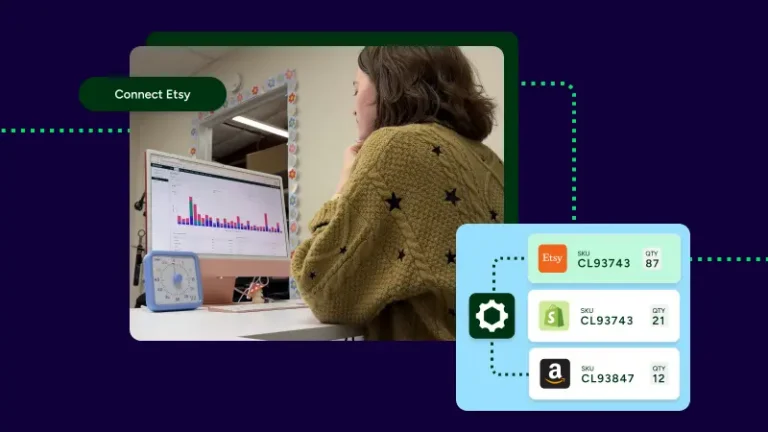
Selling across more channels creates more opportunity—and more complexity. Orders, inventory, returns, and tracking across separate platforms compound quickly when each one runs independently. Fast-growing sellers pull everything into one place before the number of channels makes that hard. Those who wait end up managing complexity rather than growth.
Green Gridiron grew from $1M to more than $10M in revenue over 10 years with no increase in shipping headcount.
“Years ago, this would have created a major challenge for us, and it would have taken us several days to get all of these orders out. With ShipStation, it was so easy and quick to split the shipments. I don’t know how we operated in the past without it!”
Steve Adams, VP, Green Gridiron
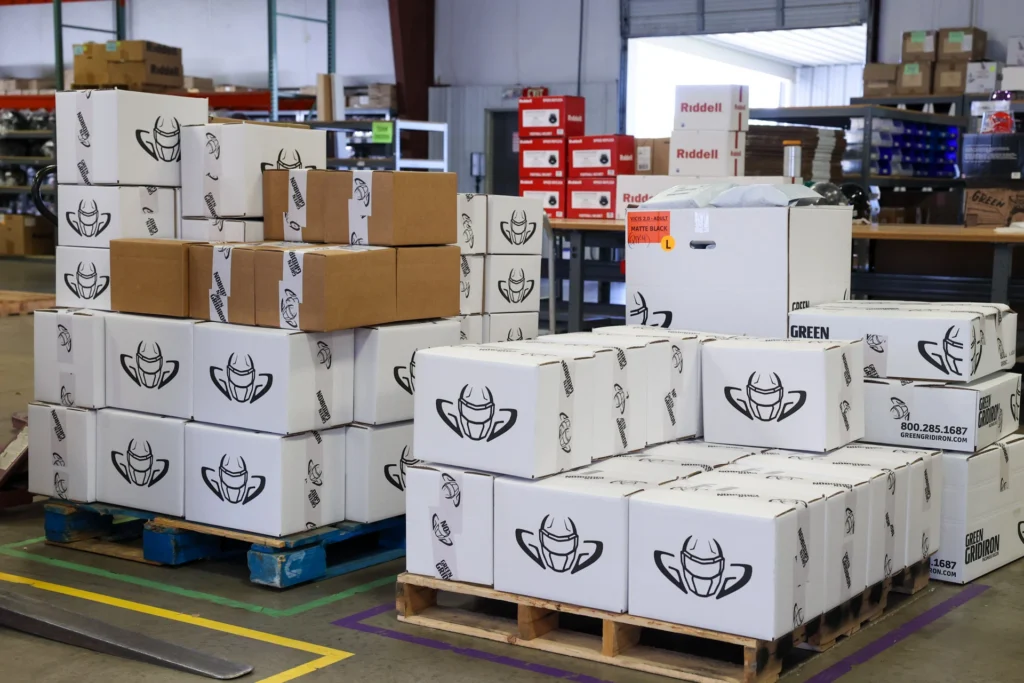
Ten times the revenue, same team. Green Gridiron didn’t scale their headcount—they scaled their ecommerce shipping setup.
These four decisions show up in the data behind fast-growing sellers. They didn’t wait until a busy season exposed the gaps. They built their ecommerce shipping solutions first—automation, multiple carriers, warehouse operations, connected channels.
Make these decisions early, and growth becomes something you built—not something that happened to you.
Ready to grow your brand? Start a free trial with ShipStation today.