Back
Back






































 Shipping Basics


Contributed by Cindy Puryear, Partner Marketing Manager with ChannelAdvisor.
How many ecommerce channels do you sell on?
If the answer is still “one,” it’s time to rethink your current online selling strategy. Here’s why:
By selling on multiple ecommerce channels, you can open the door to more revenue. A lot of revenue, in fact. Today’s empowered consumers rarely rely on one site when making purchasing decisions. And if you want them to buy from you, it’s important to show up everywhere they look.
If you haven’t yet headed down the road of multichannel selling, don’t panic. There are plenty of opportunities for every online retailer. You just need to know where to start.
Multichannel selling refers to selling your products on more than one site, with the goal of reaching consumers at the moments they’re ready to buy. Think of it this way:
Different consumers use different online channels. The price-conscious bargain hunter might shop on a marketplace like Wish or Pricefalls, while fashionistas use sites like Bluefly or Zalando. Many shoppers turn to Pinterest when looking for inspiration, and then head over to Google Shopping when they want to compare prices.
When you make your products visible across multiple platforms, you help ensure they’ll get in front of the right audience at just the right time.
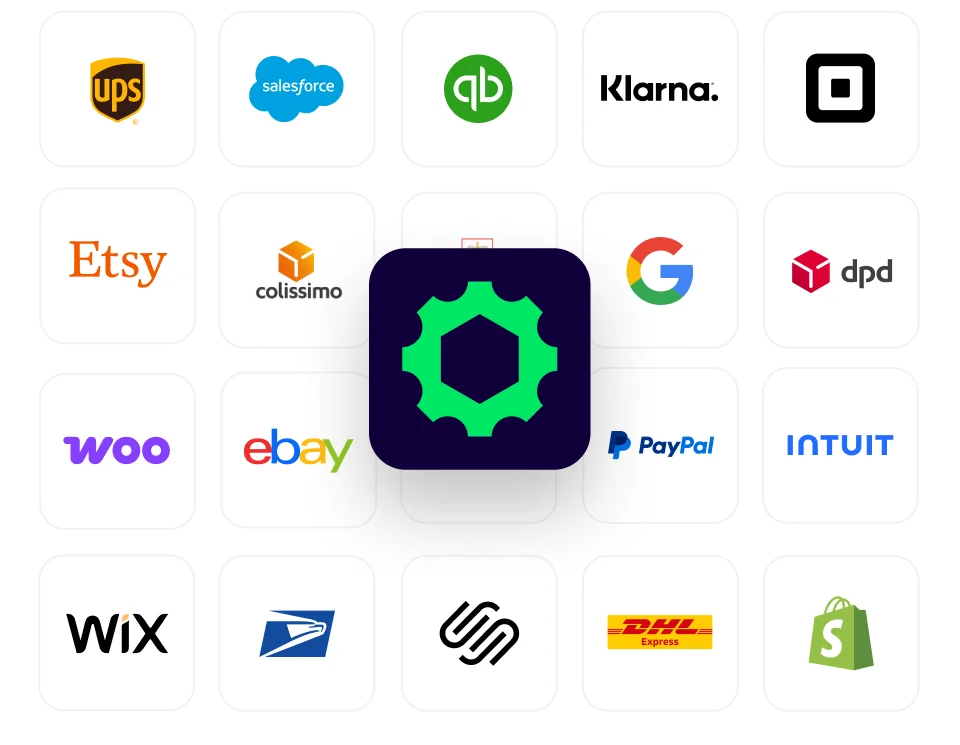
Some brands and retailers do this by taking advantage of social commerce options on Facebook and Instagram; others explore niche platforms like Overstock, Wayfair, and Best Buy. Depending on the nature of your business, multichannel selling could involve a mix of ecommerce marketplaces, social media platforms, and online retailer sites in addition to your own website. There are hundreds of options to choose from — and the list continues to grow.
By offering more ways to buy your products through multichannel selling, you can:
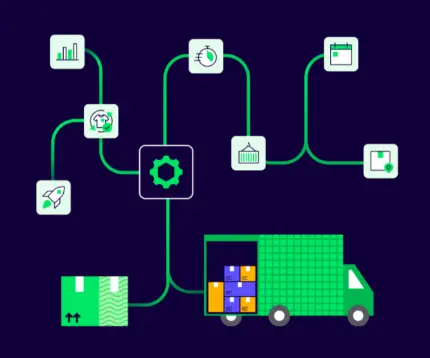
“What ChannelAdvisor does is it allows you to list your products on different marketplaces such as Amazon, eBay, and Walmart. Across all marketplaces, ChannelAdvisor consolidates all of it. You just add your products on ChannelAdvisor and it lists them on your selected marketplaces for you. When orders come in, they come through ChannelAdvisor, and then they funnel into ShipStation. From there, we can then quickly ship them out.”
Tony Kingston, Crazy Dog T-Shirt
When you’re just getting started with a multichannel strategy, the most important thing to remember is that you want to show up where your target customers are shopping. While some brands and retailers might see success shortly after expanding to Amazon and eBay, others may need to explore niche retail channels to reach their full revenue potential.
At the same time, you don’t want to take on too much too soon. Before expanding to another channel, make sure you have a process in place to keep management from becoming overwhelming. Each channel has its own set of requirements for product content, deliveries, and more, and you’ll want to be sure you can meet each set of specifications before adding another channel to the mix. Whether you sell on two channels or 20, your success as a seller will depend on your ability to meet the unique requirements for each and every channel.
Last but far from least, remember to take shoppers’ shipping expectations into account. Many consumers will abandon a brand if they have to wait a long time for deliveries, and most online channels have fulfillment criteria that must be met to remain in good standing. Having consistent access to the most competitive carrier pricing and delivery options is an essential element for any multichannel selling strategy.
Now that you have a basic understanding of what multichannel selling can do for your profits, the next question to ask is: How can you be sure you’re selecting the best channels for your business?
For more insights in this area, be sure to watch the on-demand webinar: How to Increase Revenue Through Multichannel Selling. In this free workshop, ecommerce experts from ShipStation, Google, and ChannelAdvisor discussed the eight essential steps for multichannel success. You’ll learn about: