

































Small BusinessesStart small, think big. Elevate your small-business shipping today.
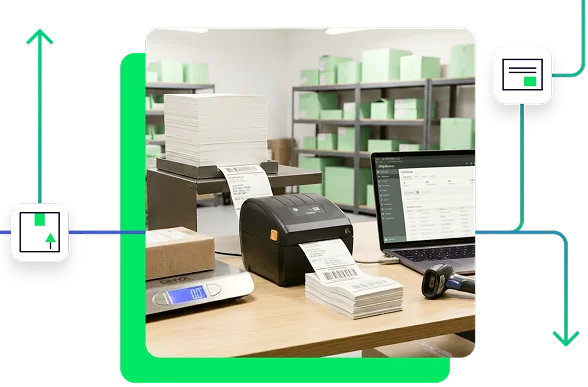
Start Shipping in MinutesStart shipping instantly with a simple setup. Buy and print labels in minutes with no training needed and no unnecessary steps.
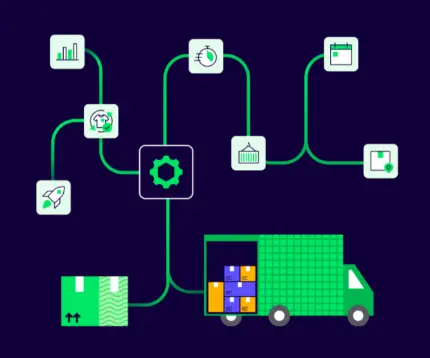
Automate and ScaleSave time with rules that batch, route, and print labels automatically so your shipping keeps up as orders grow.
Save on Every ShipmentAccess exclusive 80% – 90% discounts from every major carrier and cut costs on every label, no matter where you ship.
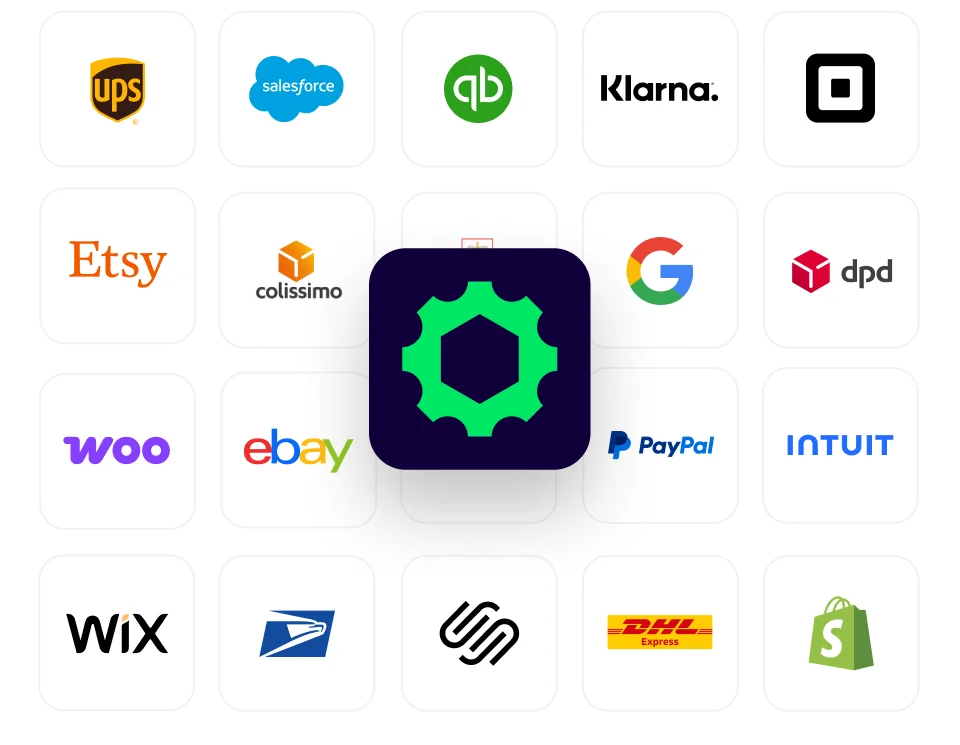
Connect and CustomizePlug into hundreds of stores, marketplaces, and carriers, or extend ShipStation with custom API integrations built for your business.
Manage Everything in One PlaceManage shipping, inventory, warehouse, tracking, and returns for all your stores and marketplaces in one simple platform.
Simplify ReturnsManage returns in one platform with prepaid labels and self-serve features that keep the process fast and frustration-free.
Mid-size and GrowingShip smarter, grow faster. Scale your fulfillment with ease.
Save on Shipping as you ScaleAutomate rate shopping across 200+ carriers, bring your own carrier accounts, and unlock deep volume discounts that grow with you.
Unlock Shipping InsightsAnalyze sales trends, shipping costs, and delivery times in one platform to identify savings, improve efficiency, and keep fulfillment running smoothly.
Centralize Omnichannel FulfillmentManage orders, shipping, inventory, warehouse operations, tracking, returns, and analytics across online stores and marketplaces with one platform.
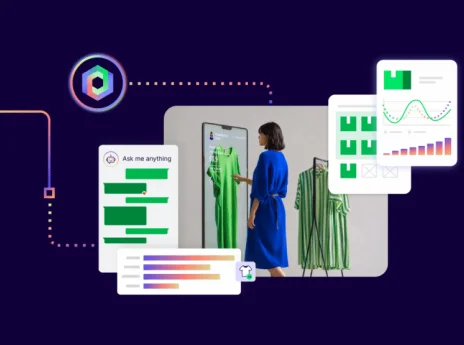
Automate Order ManagementCombine AI intelligence with rule-based workflows to speed up fulfillment, streamline operations, and eliminate bottlenecks
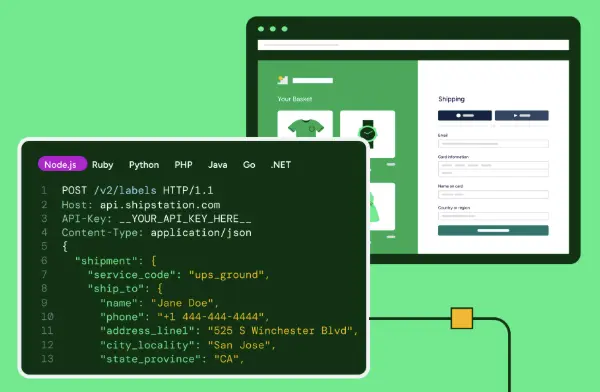
Scale With our APIsExtend your setup using our developer-friendly API for custom automated workflows and insights.
Start with Guided OnboardingOur experts walk you through setup, training, and workflows so your team feels confident and ready to ship quickly.
EnterpriseGlobal scale, local precision. Master shipping at every level.
Lower Shipping Costs at Global ScaleReduce global shipping expenses with real-time rate shopping and discounted carrier rates, helping your enterprise control costs and ship efficiently at scale.
International Shipping Made SimpleEasily manage customs forms, duties, taxes, and tracking while accessing global carrier options from one platform built for cross-border shipping.
Fulfillment APIsCustomize workflows at scale with APIs for consolidating orders across channels, comparing shipping rates, validating addresses, tracking, analytics, and more.
Multi-Location FulfillmentManage inventory, orders, and shipping across multiple warehouses and stores with one platform built for multi-location fulfillment.
Advanced Shipping IntelligenceAccess powerful analytics that reveal trends, track spend, and measure performance to unlock global fulfillment efficiencies.
Dedicated Guidance and SupportCount on 24x7 support plus dedicated onboarding guidance so your enterprise shipping runs reliably from day one and beyond.
How Guardian Sports Used Automated Returns to Scale After Going Viral with the NFL
After the NFL adopted their concussion-reducing Guardian Cap, this Atlanta-based sports safety company saw orders explode to 400 per day—and the team’s manual processes couldn’t keep up.
The conclusion is clear: AI is already influencing demand, competition, and delivery performance—and retailers that fail to adapt risk being excluded from AI-led shopping journeys altogether.
The Future of Social Shopping: What Retailers Need to Know About Gen Z and Millennials
After years of rapid growth, online retail businesses have reported an unexpected stagnation, especially in more developed economies like North America and Europe. After the initial boom of 2020 and 2021 caused by the pandemic, the ecommerce market is facing more challenges and not necessarily straightforward growth.
To help you navigate the evolving landscape of social shopping, we surveyed 8,000 consumers of all ages, as well as over 400 decision-makers. Combined with official national statistics, we put together a 2025 benchmark report on the state of ecommerce and the role of social media in its future.
A Cultural Shift Led by the Younger Generations
For Millennials and Gen Z, online retail isn’t just about the convenience of next-day delivery and single-click purchases. We’ve noticed a clear spike in young people prioritizing worthwhile experiences and engagement when shopping online, which has been akin to in-person shopping for a few decades prior.
The Numbers Are Clear
The rise in demand for social commerce isn’t based on an educated guess or prediction. 74% of Gen Z and 64% of Millennials in developed nations reported planning to use social commerce more in 2025.
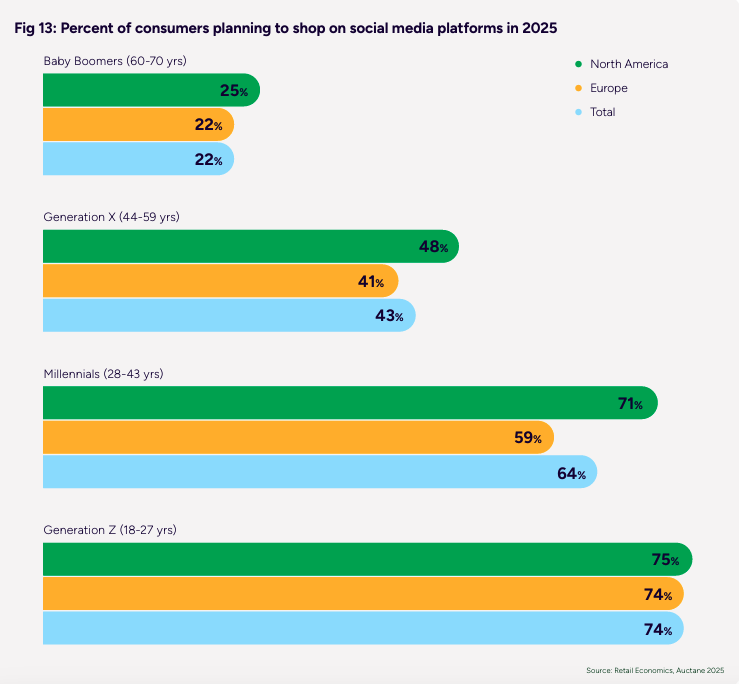
For these generations that grew up alongside the ecommerce market, they expect brands to win them over through innovative and creative shopping solutions rather than only lower prices and faster delivery. With the rise of video-based content, reviews, and influencers, social platforms like TikTok and Instagram have become an integral part of the shopping journey.
Most Companies Are Falling Short
Despite social shopping gaining popularity, with 21% of all consumers saying they’d completed a purchase through a social media platform in the past 12 months, only 46% of online retailers support social commerce. They’re losing valuable market share to offshore retail giants like Temu and Shein, which are winning consumers over with exceptionally low prices and a strong social media presence.
A Closed-Loop Ecommerce Model
Previously, online retailers had to funnel users from all over the internet to their websites to secure a sale. Nowadays, younger consumers are more interested in a closed-loop model, where they don’t have to juggle multiple websites, accounts, and payment methods.
Whether it’s a TikTok Shop or an Instagram store, younger generations prefer the seamless blend of entertainment, scrolling, and product browsing. They no longer need to go out of their way to purchase a product if their credit card and address are already saved in TikTok.
Businesses Are Benefitting From Social Shopping
By sticking to social media marketing and commerce, you’ll be able to access all three types of internet shoppers:
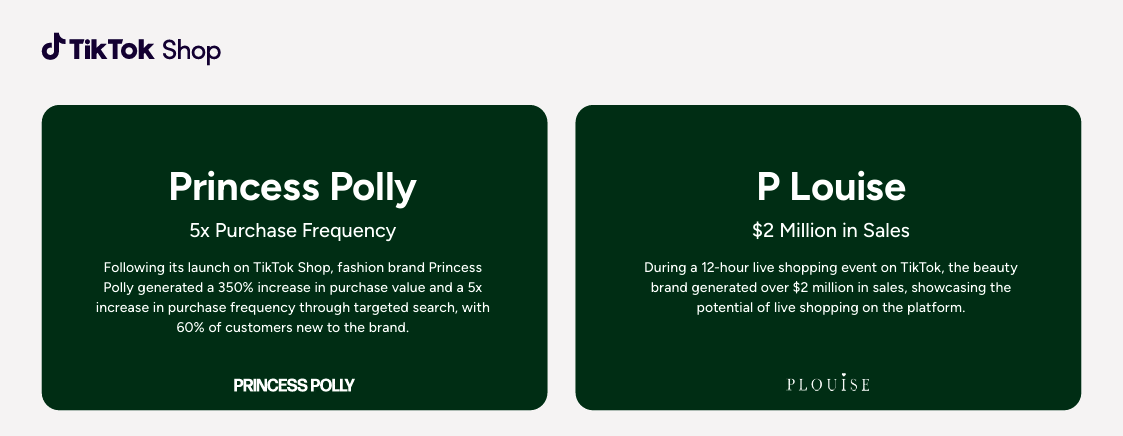
Frequent buyers
Price-driven decision-makers
Speed enthusiasts
With your catalog of options, discounts, and payment methods all in the same place, you minimize the friction that usually rules out hesitant or impatient consumers.
Sixty-two percent of younger consumers said they don’t have brand loyalty and would be quick to switch if their expectations aren’t met. While on the surface this appears to be a negative trend, you can use it to your advantage by being the retailer all younger consumers flock to when others fall short.
Understanding Your Target Demographics Is Key
Whether it’s Gen Z, Millennials, or Gen X, understanding who your ideal buyer is and what they’re looking for online is your best option for securing their interest. Download ShipStation’s 2025 Benchmark Report today to learn more about how to thoughtfully engage with the next generation of shoppers.