Back
Back







































A 40% Spring Surge, Handled: How Metal Garden Beds Ships Its Biggest Season


One season, one shot to get it right
For most ecommerce businesses, the peak is November. For Metal Garden Beds, it’s the second Friday of March.
“In the spring gardening business, Black Friday is March 15th,” said founder John Barr.
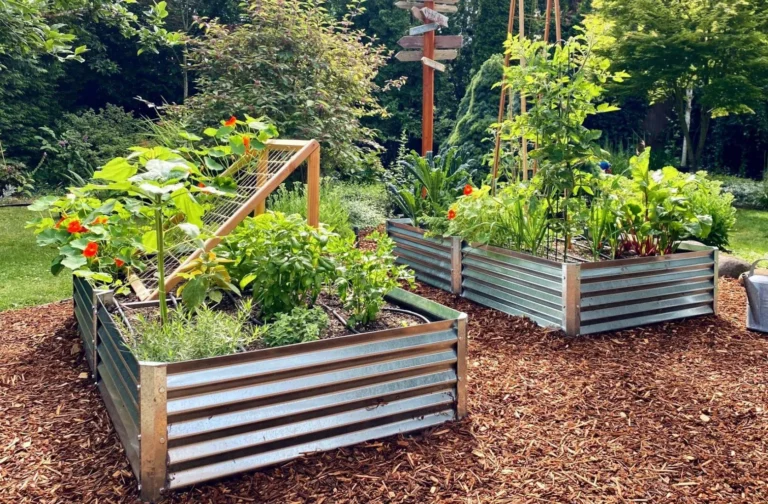
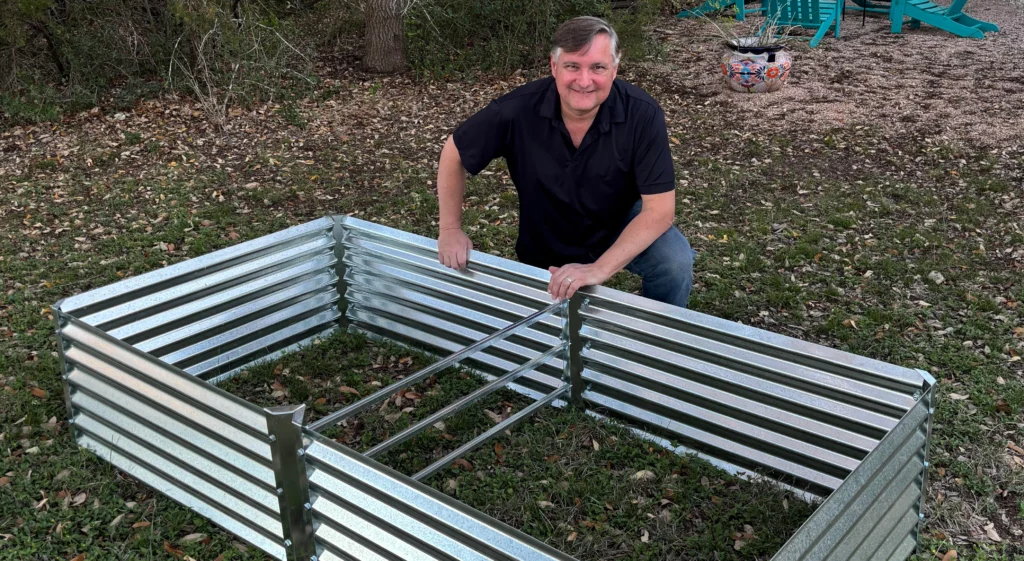
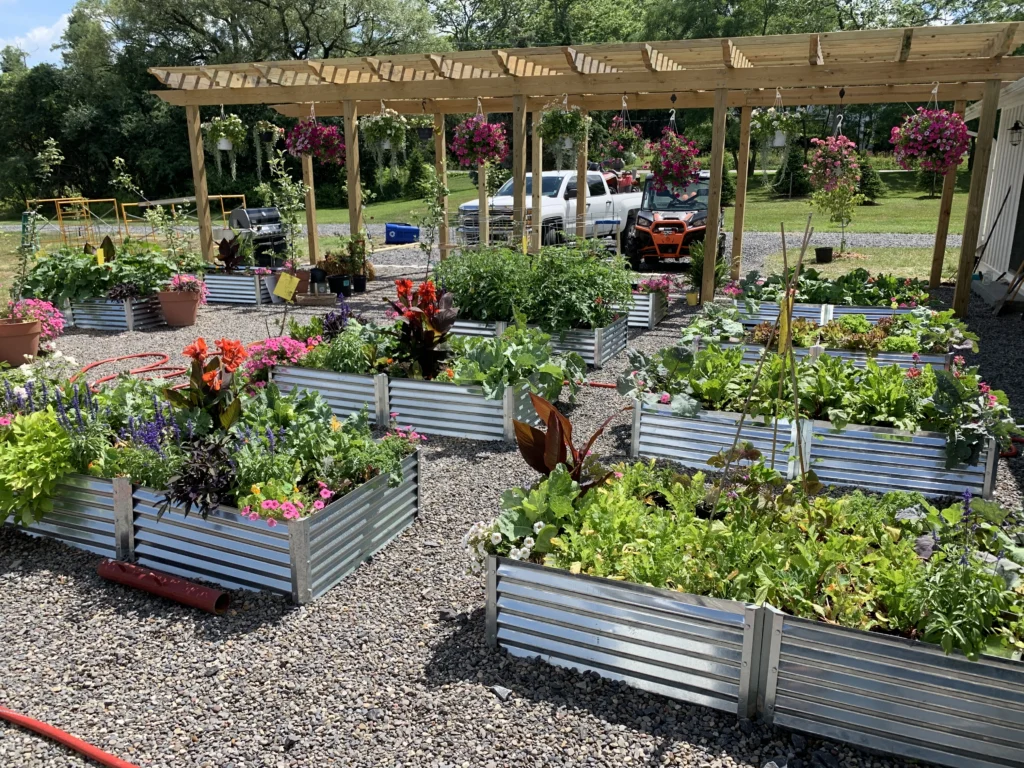
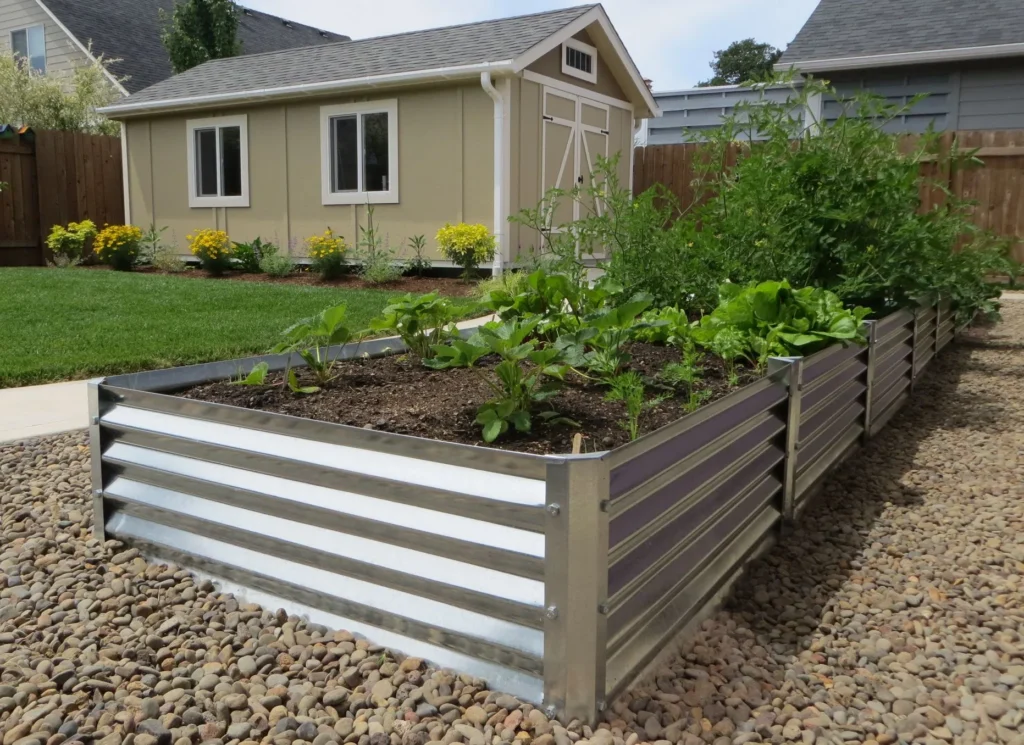
Metal Garden Beds designs and ships modular corrugated steel raised garden beds to homeowners across the country. The company also helps each customer plan their garden layout before buying—a personal touch that drives loyalty and repeat business. But behind that customer experience is a shipping operation with real logistical complexity. Heavy, oversized cartons push the limits of the parcel network, volume spikes 40% or more each spring, and a lean team has to keep pace with all of it.
ShipStation has been the backbone of that operation for over a decade.
The old way didn’t scale
Barr has been in ecommerce long enough to remember filling out carbon-copy labels by hand—customer name, address, every field—before sliding them into plastic pouches and attaching them to boxes one at a time.
“That was industry standard,” he said.
Later came a system that accepted CSV imports, an improvement in theory that still required exporting orders, pulling them in manually, and processing each shipment individually. Each label took roughly 3 to 4 minutes to generate.
Around 2015, Barr connected with the ShipStation team at an event in Austin. He signed up, and the math changed permanently.
“Now? Ten seconds, twenty seconds,” Barr said. “That’s the difference between the two.”
When spring arrives, the system earns its keep
Metal Garden Beds operates on a cycle that Barr compares to a ski resort: a smaller core team runs operations in the off-season, then staffing scales up as the spring gardening rush approaches. The shipping infrastructure, though, doesn’t get rebuilt for peak—it has to be right before the season starts.
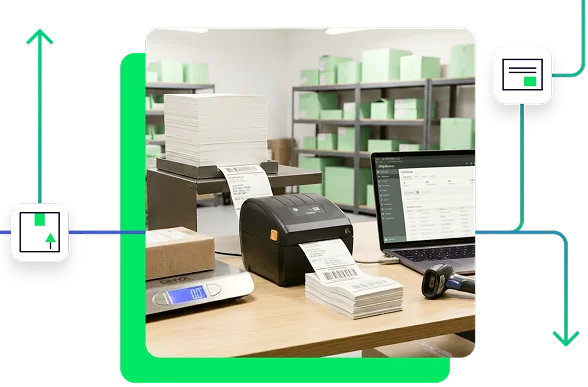
During peak, the label printer runs constantly. Volume climbs 40% or more above the off-season baseline, and there’s no margin to troubleshoot a system or work around limitations. Batch printing and ShipStation’s automation are what keep the operation from falling behind when it matters most.
“If you don’t have the right system in place, a seasonal business like mine can fall behind very quickly during the busiest part of the year. I honestly cannot remember a time—during the season or outside of it—when ShipStation has failed me.”
John Barr, Founder, Metal Garden Beds, Inc.
Without the automation, Barr said, the numbers simply don’t add up.
“During peak season the order volume is simply too high to manage the old way. Without ShipStation I would probably have to bring in extra help just to get the labels printed correctly and keep shipments moving out the door,” he explained.

Shopify, UPS, and the data that keeps costs in check
Metal Garden Beds’ seasonal ecommerce shipping operation runs on a tight integration between Shopify and ShipStation. Orders flow in from the store, data and addresses already populated, and labels print in batches. What used to consume a meaningful part of the day now takes minutes.
Carrier selection was never a default decision. Barr selected UPS as a carrier based on their reliability and rates that best matched his specific shipping profile and needs.
That real-time cost visibility matters in practice. Carton weights vary, and Barr uses ShipStation’s rate display to adjust configurations before labels print, keeping costs predictable across hundreds of shipments per week.
“UPS is good with heavy cartons,” Barr said. “They were simply the best at getting the cartons to the customer’s door.”
One less thing to worry about
More than 10 years in, Barr has never had to contact ShipStation support about a platform issue. Shipping errors—once a daily or weekly reality when order data had to be manually re-entered—have effectively disappeared. The Shopify integration removes the step where mistakes used to originate.
“Everything else in my business is a worry. This is just nice to have one platform that runs efficiently and does what I need it to do. ShipStation has always been there when we needed it.”
John Barr, Founder, Metal Garden Beds, Inc.
For a seasonal ecommerce shipping operation, that reliability compounds over time. When spring arrives and the team is running at full capacity, the value of a system that simply works—without requiring attention, troubleshooting, or additional labor—is hard to overstate.
“The biggest improvement is that it is simply one less thing I have to worry about,” Barr said. “That part of the operation is handled.”
Every spring, Metal Garden Beds’ Black Friday arrives right on schedule. With ShipStation, so does everything else.
See how ShipStation handles your seasonal ecommerce shipping. Start a free trial.