 Back











































Freight Density Calculator for LTL Shipping
Use this freight density calculator to find your shipment’s density in pounds per cubic foot (PCF) before you book LTL. Enter your dimensions and weight, and you get your density right away. Knowing your density up front helps you describe your freight correctly on the bill of lading and avoid reclassification surprises. Need your freight class too? Try our freight density and class calculator.
Density
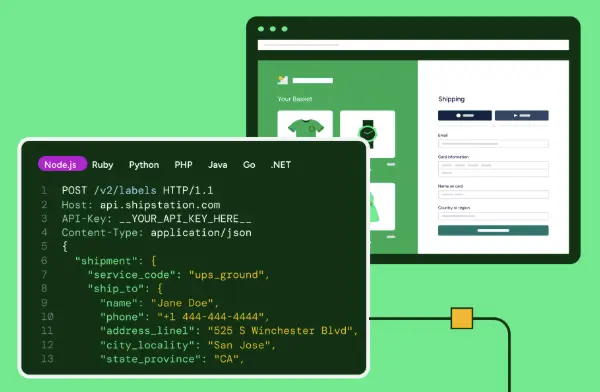
Connected to the platforms that power your business


How to Use the Freight Density Calculator
Get your density in three steps before you book LTL.
- Measure the full unitLength, width and height in inches, with the pallet and any overhang included.
- Enter the weightUse the real weight from a scale, pallet and packaging included.
- Read your densitySee your density in lb/ft³ and compare it with your freight class.
How to Calculate Freight Density
Divide the weight of your shipment by its volume in cubic feet.
Density (lb/ft³) = weight (lb) ÷ [length × width × height (in) ÷ 1,728]
Length, width and height are in inches. Dividing by 1,728 converts cubic inches to cubic feet. Pounds and cubic feet measure different things, so there is no direct pounds to cubic feet conversion. Density is what connects them.
| Shipment | Size (in) | Weight (lb) | Volume (ft³) | Density (lb/ft³) |
|---|---|---|---|---|
| Pallet A | 48 × 40 × 48 | 500 | 53.33 | 9.38 |
| Pallet B | 48 × 40 × 60 | 410 | 66.67 | 6.15 |
| Pallet C | 48 × 40 × 36 | 1,000 | 40.00 | 25.00 |
Tips for Measuring Your Shipment
Small measuring mistakes change your density and your class. Check these before you book.
A Freight Density Calculator Designed for Smarter Shipping






Freight Density in LTL Shipping
Density helps set your class, and your class helps set your rate.
Why Density Matters in LTL Shipping
Carriers price LTL freight by weight, distance and freight class, and for many items the class comes from density. In general, the lower the density, the higher the class, and a higher class usually costs more per hundred pounds.
If the class on your bill of lading does not match what the carrier measures, the carrier can reclassify the shipment and bill you the difference. Checking your density before pickup is a simple way to avoid that.
What Is PCF?
PCF means pounds per cubic foot, and it is the unit freight density is measured in. You may see this tool called a PCF calculator, a shipping density calculator or a cargo density calculator. They all do the same thing: divide weight by volume.
Need Your Freight Class Too?
Turn your density into an estimated class, plan your pallets, or check whether parcel or LTL fits your shipment better.
RELATED CONTENT
Helpful Shipping Resources

The Cheapest Way to Ship Packages

Calculate Shipping Costs and Start Saving Now

Freight Optimization: How to Build a Smarter LTL Shipping Strategy
Try us free
What you can look forward to in your 30-day free trial:
 Get instant access to all of our features
- Connect to over 400 integrations
- See how much our rates can save you on shipping





Create your ShipStation account
By clicking 'Get Started', you agree to our Terms & Privacy Policy and Carriers' Terms .