Back










































Parcel Carriers
Global-e Shipping, Built Into ShipStation
Take full control of cross-border fulfillment. With Global-e shipping inside ShipStation, you can compare rates, use discounted or negotiated carrier options, print labels with batch printing, send tracking updates, and automate routine shipping decisions from one streamlined workflow.
Key integration features
- Compare carrier options side by side
- Use discounted or negotiated rates
- Print Global-e labels in batches
- Automate sorting and service rules
- Send branded tracking notifications
About
Global-e is a cross-border e-commerce platform for merchants, brands, and retailers selling to shoppers in many markets. It's known for localizing the buying journey and handling key parts of international selling, including duties, taxes, and shipping logistics.
That matters because Global-e shipping is bigger than label creation alone. You're managing international orders, carrier handoffs, customer updates, and margin pressure at the same time. ShipStation gives you one command center for that work, so your team doesn't have to jump between tools just to keep orders moving.
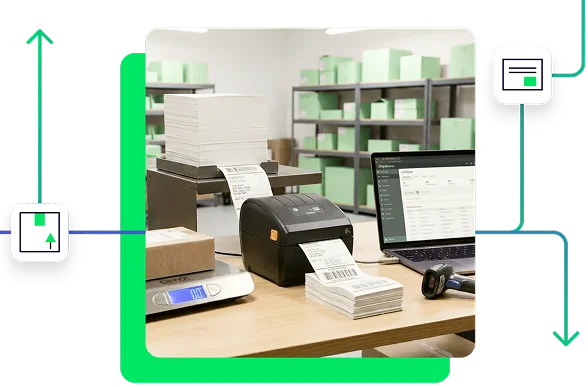
With ShipStation, you can run Global-e shipping alongside the rest of your fulfillment, compare carrier options in one place, and choose discounted or negotiated rates that fit each order. Batch label printing keeps busy days under control, while automation cuts repetitive clicks before your team reaches the packing station. Branded tracking notifications keep shoppers informed after labels are created, which helps reduce support tickets and keeps the post-purchase experience clear.
Why Global-e users choose ShipStation
Move beyond basic shipping tools with ShipStation
STEP 1
Connect your Shopify account to ShipStation first, then make sure the order numbers and SKUs match the related order. You’ll also need your Global-e Merchant GUID ready before you start.
STEP 2
Go to Account Settings, select Shipping, then choose Carriers from the sidebar. Open the Your Carrier Accounts tab, select Add Carrier, and choose Global-e from the carrier list.
STEP 3
Enter your Global-e Merchant GUID in the pop-up and click Connect. Each ShipStation account supports one Global-e GUID, so use the GUID tied to the Shopify setup you want to ship through.
STEP 4
When you’re ready to ship, select the international Shopify order, verify the correct Ship From address, and click Print Label. Global-e also requires an End Of Day manifest in the Global-e Admin portal before carrier pickup.
TESTIMONIAL
Find the best rate for every shipment
Compare rates, delivery speeds, and services side-by-side for every order that comes in from Shopify, and let ShipStation pick the best option—with up to 90% discounted rates across 200+ carriers.
ShipStation AI
Next-gen shipping intelligence
- SmartFill
- Automated Order Creation
- Universal AI Connect (MCP)
- Batch Label Processing
- Auto-PRO Retrieval
- Dynamic Spot-Pricing Engine
- Packing Recommendations
- 24/7 Always-On
Sign up for a free trial. No credit card required.
FAQ
Global-e and ShipStation FAQ for tracking, labels, and email address help
Is Global-e the carrier delivering my package?
No. Global-e is a cross-border e-commerce layer, not always the company making the final delivery. A Global-e order may move through international and local carrier networks before it reaches the shopper. That’s why a customer might see Global-e tied to the order, then see another carrier handling later scans or doorstep delivery. For merchants, ShipStation makes that workflow easier to manage by centralizing labels, tracking activity, and post-purchase updates.
Can shoppers track a Global-e order with an order ID and email address?
Yes. Global-e order lookup often uses the order ID or merchant order ID together with the email address used to place the order. That’s shopper-facing tracking. On the merchant side, ShipStation gives your team the shipping record, label status, and tracking communications in the same fulfillment workflow. **Tip:** Make sure customers use the same email address they entered at checkout when they look up their order.
Why does a Global-e order show another carrier?
Global-e shipping can involve more than one company in the delivery path. Global-e may coordinate the cross-border order flow, while another carrier handles line-haul movement, customs handoff, or final-mile delivery. So a shipment can show Global-e in one part of the workflow and another carrier in later tracking events. That isn’t a mismatch. It’s normal for international shipping, and it’s one reason merchants benefit from ShipStation’s multi-carrier visibility.
What should merchants do when a Global-e tracking number is not working?
Start with the order details inside ShipStation and Shopify. The most common checks are straightforward:
- Confirm the order number matches the related Shopify order
- Confirm the SKUs match exactly and no split shipment has an empty SKU
- Confirm the label was printed and the shipment shows Global-e as the service
- Confirm another carrier didn’t take over the delivery leg
- Contact ShipStation support if imported order numbers are missing their prefix
These checks usually reveal whether the issue is data mismatch, carrier handoff, or label status.
How long can Global-e shipping take for international orders?
There isn’t one standard delivery window for Global-e shipping. Transit time depends on the seller, origin, destination, customs clearance, service used, and which carrier handles final delivery. Cross-border orders also move through more checkpoints than domestic shipments, so shoppers may see longer gaps between scans. Merchants can make that experience smoother by sending clear tracking updates, setting accurate expectations, and keeping every shipment visible in ShipStation from label creation forward.
Who should customers contact about a delayed or missing Global-e shipment?
The best first contact is the retailer the shopper bought from. That merchant owns the order relationship and can review the shipment history, tracking details, and order status. If the merchant uses ShipStation, the team can see the fulfillment record and decide whether the delay points to a carrier handoff, customs hold, or another delivery issue. From there, the merchant can guide the customer or escalate through the right shipping contact.
What is a charge from Global-e?
A Global-e charge usually means a shopper bought from a merchant that uses Global-e for cross-border commerce. The charge may reflect the order itself or international purchase elements handled during checkout, such as duties, taxes, or shipping-related charges already presented to the shopper. If a customer doesn’t recognize the charge, the fastest next step is to match it to the store name, order confirmation, and confirmation email. If it still looks unfamiliar, they should contact the retailer directly.
Is global postal shipping USPS?
No. “Global postal shipping” is a broad phrase, not a USPS-only service. Cross-border orders can move through several postal or parcel networks before final delivery, depending on destination and routing. That’s especially true with Global-e shipping, where the order layer and the delivery carrier may not be the same company. For merchants, ShipStation helps cut through that confusion by keeping carrier activity and customer-facing tracking connected in one place.
What does ecommerce shipping mean for international brands?
Ecommerce shipping is the full process of getting an online order from checkout to delivery. For international brands, that includes order data, carrier selection, label creation, customs-related details, tracking updates, and returns planning. It’s operational, not just transactional. Global-e handles important cross-border commerce pieces, and ShipStation turns the shipping side into a smoother daily workflow by giving your team one place to print labels, automate steps, and keep customers informed.
How do I connect Global-e to ShipStation?
Use the setup path inside ShipStation and keep the required order data ready. Here’s the process:
- Connect your Shopify account to ShipStation
- Confirm Shopify order numbers and SKUs match the related Shopify order
- Go to Account Settings > Shipping > Carriers
- Open Your Carrier Accounts and select Add Carrier
- Choose Global-e, enter your Merchant GUID, and click Connect
After that, international Shopify orders shipped with Global-e are automatically configured in ShipStation for label printing.
Related integrations
A. Duie Pyle
Grow freight without growing chaos. ShipStation and A. Duie Pyle give your team one place to compare rates,…
AAA Cooper Transportation
Give your freight team one faster, cleaner way to ship. With AAA Cooper Transportation in ShipStation, you can…
APC Overnight
Grow your UK shipping without adding more admin. With APC Overnight in ShipStation, you can compare carrier options,…