Back






































Parcel Carriers
The Delivery Group Shipping, Built Into ShipStation
Build a smoother shipping operation with The Delivery Group in ShipStation. Use your contracted The Delivery Group rates, compare other carrier options when needed, print labels in batches, track shipments automatically, and automate repetitive fulfillment work as your volume grows.
Key integration features
- Connect your carrier account
- Use your contracted rates
- Print labels in batches
- Track shipments automatically
- Automate shipping workflows
About
The Delivery Group is a UK shipping carrier and mail distribution company serving online sellers, multichannel retailers, SMEs, and large corporates. It handles post, packets, parcels, pallets, and special delivery services across national and international networks.
Running The Delivery Group through ShipStation gives you one place to manage orders, labels, shipments, and customer updates instead of jumping between carrier tools and store admin screens. Your team can keep Great Britain and international shipments moving from the same workflow, use contracted The Delivery Group services where they fit best, and rely on automatic tracking after labels are created.
That control matters when volume climbs. ShipStation supports batch printing, automation rules, and a clear order view across 200+ stores and marketplaces, so you spend less time on repetitive work and more time getting orders out the door. If you ship with more than one carrier, ShipStation also keeps The Delivery Group alongside your wider carrier mix in one command center.
Why The Delivery Group users choose ShipStation
Move beyond basic shipping tools with ShipStation
STEP 1
Log in to ShipStation and open Account Settings. That is where ShipStation keeps the shipping controls you use to add and manage carrier accounts.
STEP 2
Select Shipping, then choose Carriers from the sidebar. Next, open the Your Carrier Accounts tab so you can view existing carrier connections and add a new one.
STEP 3
Click Add Carrier, select The Delivery Group UK, and choose Connect. This starts the connection flow for your carrier account inside ShipStation.
STEP 4
Enter your The Delivery Group UK account Client Name, Username, and Password. Then click Connect to finish linking the account.
TESTIMONIAL
Find the best rate for every shipment
Compare rates, delivery speeds, and services side-by-side for every order that comes in from Shopify, and let ShipStation pick the best option—with up to 90% discounted rates across 200+ carriers.
ShipStation AI
Next-gen shipping intelligence
- SmartFill
- Automated Order Creation
- Universal AI Connect (MCP)
- Batch Label Processing
- Auto-PRO Retrieval
- Dynamic Spot-Pricing Engine
- Packing Recommendations
- 24/7 Always-On
Sign up for a free trial. No credit card required.
FAQ
The Delivery Group FAQ for shipping, tracking, and setup
What is The Delivery Group used for?
The Delivery Group is used for more than basic parcel shipping. It supports mail distribution and shipping services such as post, packets, parcels, pallets, and special delivery services, which makes it a fit for online sellers, multichannel retailers, SMEs, and larger operations. In ShipStation, merchants use The Delivery Group for domestic and international parcel delivery services on shipments that originate in the UK. That means you can keep The Delivery Group inside the same daily workflow you already use for order management, labels, tracking, and fulfillment control.
What company is delivering my package when I see The Delivery Group?
If your shipment or tracking details show The Delivery Group, that package is moving through The Delivery Group’s delivery network or services. For merchants, that matters because carrier identity stays clear inside ShipStation after a label is created, so your team can see which shipments are using The Delivery Group without hunting through separate systems. You also keep shipment activity tied to the order record, which makes support work easier when a customer asks where an order is or which service was used. That gives your team one clear view instead of piecing status together from multiple tools.
Can I track The Delivery Group shipments in ShipStation?
Yes. The ShipStation integration with The Delivery Group supports automatic tracking, so tracking details stay connected to the shipment after you create the label. That gives your team one place to monitor shipment progress and check order status instead of bouncing between your store, your carrier account, and email threads. It also makes post-purchase communication easier because tracking activity stays part of the ShipStation workflow your team already uses every day. If tracking visibility is a major part of your support workload, that kind of central control saves time fast.
Does The Delivery Group support UK and international shipping in ShipStation?
Yes. The Delivery Group offers domestic and international parcel delivery services for shipments originating in the UK, and the ShipStation integration supports expedited services for shipments within Great Britain as well as international services. That gives you room to run local and cross-border shipping from one workflow instead of splitting work between separate carrier processes. If your business ships a mix of domestic and international orders, ShipStation helps keep those orders organized while The Delivery Group covers the shipping side. It is a practical setup for merchants who want range without adding more daily shipping complexity.
How do rates work for The Delivery Group in ShipStation?
The Delivery Group does not currently support rate shopping with ShipStation V2 API. Instead, your account contact can provide details about your contracted rates, so you keep using the pricing already tied to your The Delivery Group account. That still gives you a strong workflow advantage in ShipStation because your team can create labels, manage tracking, and handle fulfillment without breaking process just to work with a separate carrier tool. If you use more than one carrier, ShipStation keeps The Delivery Group alongside the rest of your carrier mix, which helps you stay organized even when each carrier has its own pricing model.
How do I connect The Delivery Group to ShipStation?
You can connect The Delivery Group through the ShipStation dashboard or through the carrier connection endpoint. To connect it through the dashboard, use this path and enter the required credentials:
- Go to Account Settings
- Select Shipping, then Carriers
- Open the Your Carrier Accounts tab
- Click Add Carrier
- Select The Delivery Group UK and click Connect
- Enter your Client Name, Username, and Password
- Click Connect
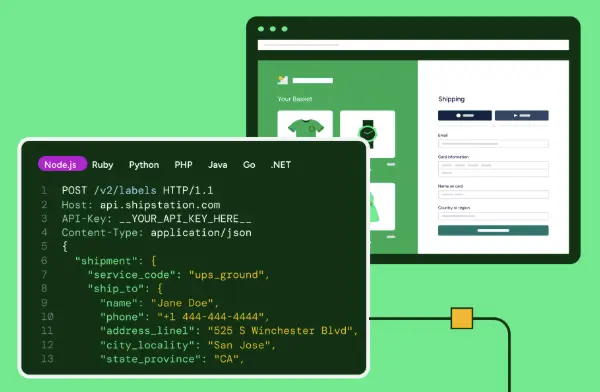
For account requirements, you need a UK-based ShipStation account and an active The Delivery Group UK account. Developers can also connect it by using the `/v2/connections/carriers/` endpoint with the carrier code `the_delivery_group`.
What information do I need to create a The Delivery Group label in ShipStation?
The Delivery Group requires complete shipment details when you create a label, so it helps to keep your order data clean before shipping starts. Here is what needs to be included in the shipment request:
- A The Delivery Group service code
- Package weight in grams, using whole numbers only
- Package length, width, and height in millimeters
- Dimensions unit set to millimeters
- Recipient name
- Street address
- Town or city
- Postal code
- Two-letter country code
- At least one reference identifier, such as an order number or customer reference
Recipient email and phone are optional. Email and SMS notifications are enabled by default unless they are explicitly declined. **Tip:** Make sure your team captures weight, dimensions, and a reference value before label creation, because that cuts rework when orders are ready to ship.
*Rates and discounts are subject to change at any time without notice.
Discounts are subject to minimum charges set forth in the applicable service guide.
†Shipping discounts are off standard list rates and can’t be combined with other offers or discounts. Discounts exclude surcharges, premiums, minimums, accessorial charges, and special handling fees. Eligible services and discounts are subject to change.*
Related integrations
A. Duie Pyle
Grow freight without growing chaos. ShipStation and A. Duie Pyle give your team one place to compare rates,…
AAA Cooper Transportation
Give your freight team one faster, cleaner way to ship. With AAA Cooper Transportation in ShipStation, you can…
APC Overnight
Grow your UK shipping without adding more admin. With APC Overnight in ShipStation, you can compare carrier options,…