Back
Back



































Understanding ShipStation First Class Mail rates
Postal pricing changes all the time. Don’t be stuck updating a spreadsheet every time it does. ShipStation lets you compare USPS® services, print postage from anywhere, and keep orders moving without constantly checking rate tables or carrier sites. You can also automate service selection by weight, compare rates across carriers, and send tracking updates that keep customers informed.
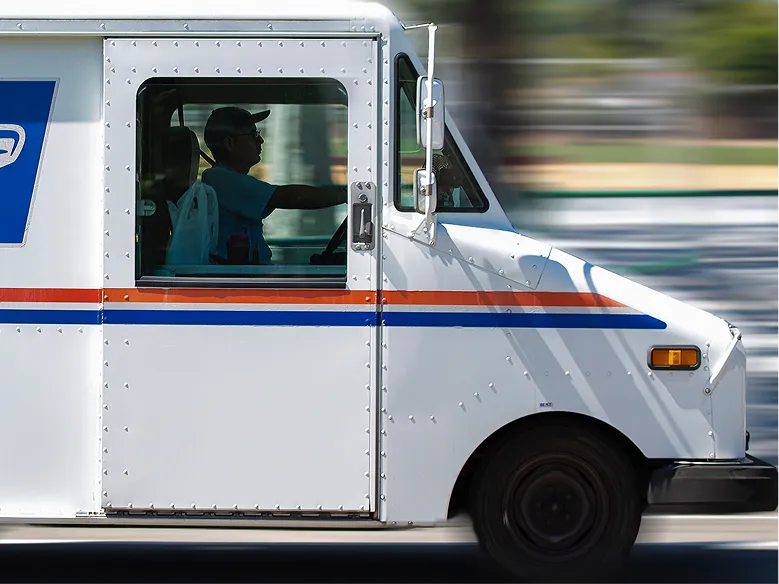
Save time on postage rates without guessing on prices
See clear mailing and shipping options in one dashboard. We show the right services for your package, keep prices current, and help you move faster with automation, batch printing, and branded tracking that fits your business.

Shop rates in one place
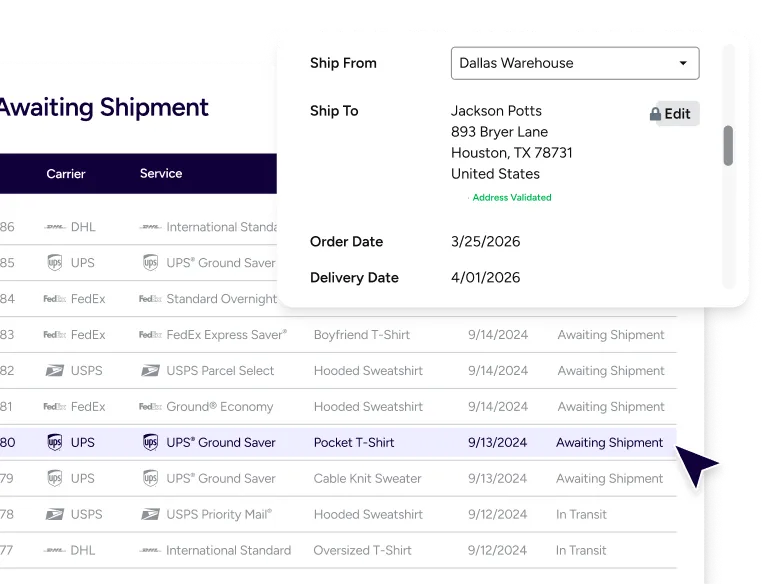
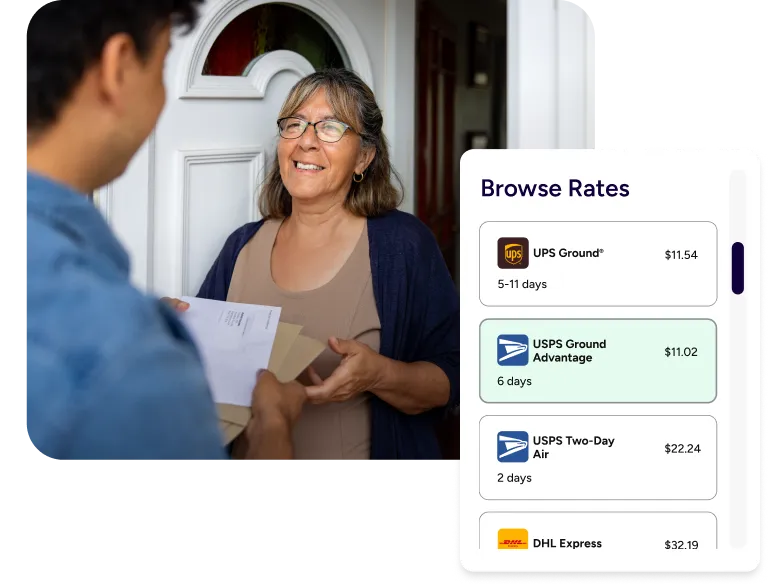
A lot of shipping teams still compare rates by opening multiple tabs and checking carriers one by one. ShipStation pulls services from USPS®, UPS®, FedEx®, DHL Express, and other carriers into the same dashboard so you can compare options without jumping between sites. It’s easier to spot pricing differences, delivery windows, and service levels when everything is sitting in the same view.

Stay eligible with automation
Mail classes have more rules than people expect. A small change in weight, thickness, or package type can affect which service a shipment qualifies for. ShipStation automation rules help apply the right service and packaging settings based on the order details already coming in, which cuts down on manual corrections and last-minute label issues.

Make delivery feel like your brand
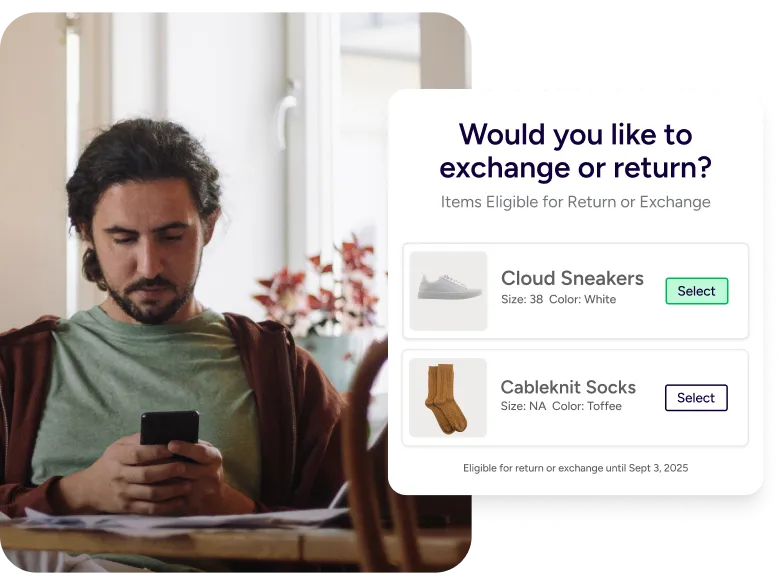
Most customers are less concerned with which carrier handled the shipment than whether they know what’s going on with their order. Branded tracking pages and delivery notifications help keep updates consistent with your store instead of sending customers to a generic carrier page. You can also offer a self-service returns portal so customers can start returns themselves without emailing support for every request.
Rated #1 by Industry Leaders






Choose the right shipping services every time
First-Class Mail prices for letters and envelope shipments
Businesses still use First-Class Mail® for plenty of everyday shipments—documents, invoices, postcards, checks, and lightweight mailers. What tends to slow people down are the small mailing rules that are easy to miss, like whether something qualifies as a letter versus a flat or whether the thickness changes the postage category. ShipStation keeps the shipment details tied to the order as labels are created, which helps teams avoid constant rate lookups, postage mistakes, and the occasional rejected piece of mail that has to be redone later.

USPS Ground Advantage for lightweight package shipping
If you’re sending a small product, a rigid mailer, or anything that needs package handling, USPS Ground Advantage® is often the better fit than letter mail. It’s built for ecommerce shipping, and it’s the modern replacement for the old First-Class Package use case many sellers remember. You’ll see it right next to other services, so you can choose based on speed, handling, and total cost. Everything’s in one place, so decisions happen faster.
Compare postage rates across services, including Priority Mail Express
When speed matters, you need clear options. We line up services so you can decide fast, including Priority Mail®, Priority Mail Express®, and flat rate packaging choices when they make sense. You can compare delivery speed, cost, and packaging options without opening multiple carrier tools. Add-ons like signature options are easy to spot, too.
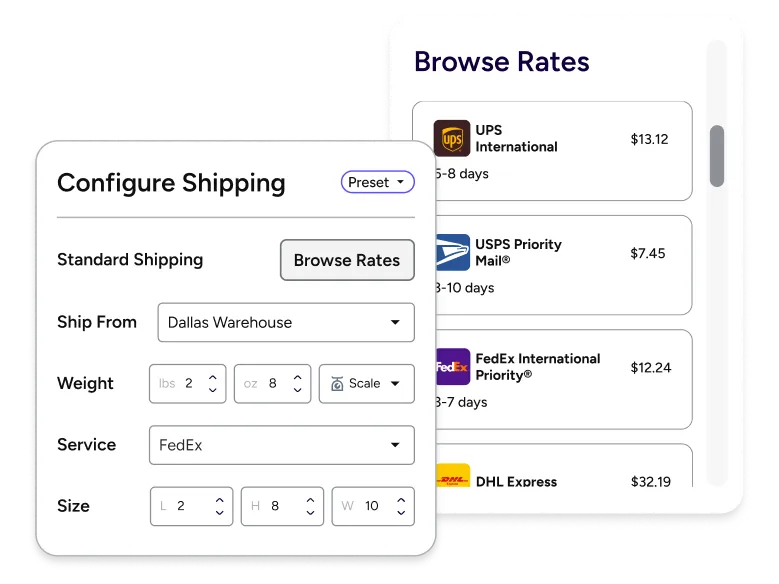
Always-current mailing prices, even when the postal service changes them
Rates shift—sometimes seasonally, sometimes through a formal postal service update. Either way, you don’t want someone referencing an archived original PDF, an en Wikipedia snippet, or a random wiki table from years ago. Our platform keeps the rates you shop against current, so your label matches what carriers expect. Outdated rate information is one of the easiest ways to lose margin or disappoint customers at checkout.
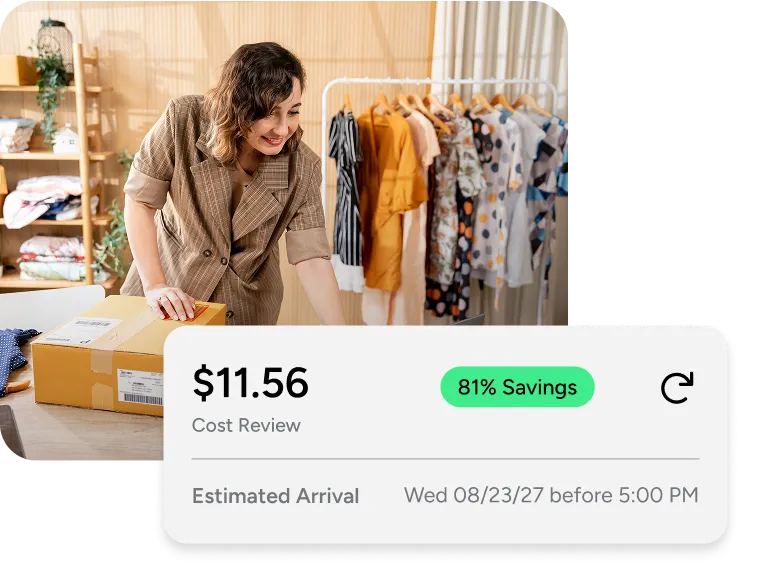
Know the rules for weight, size, and shape before you buy postage
Eligibility is where teams lose time. A First-Class letter has a different limit than a flat. Packages have their own limits. We make it easier to apply the right service by showing package details and helping you store defaults. If your staff asks, “Does this count as an envelope or a package?” you’ll have a consistent answer. Get the details right upfront, and everything else will follow.

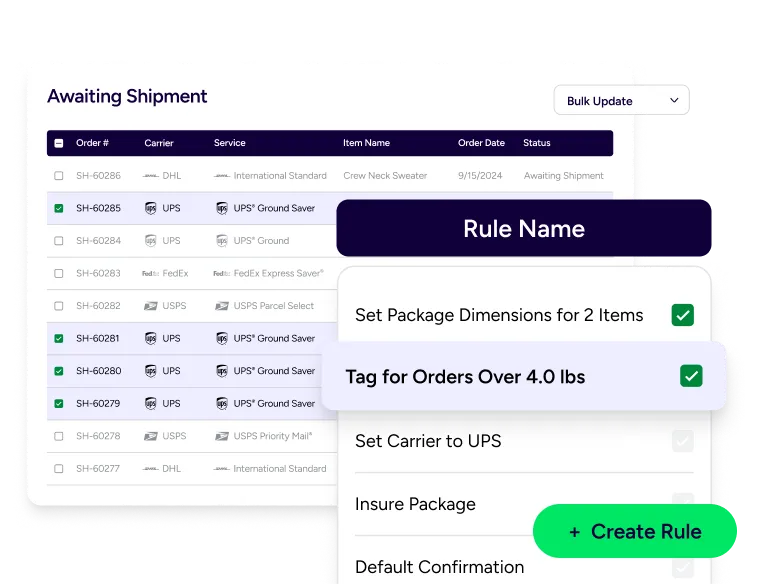
Automate service selection by weight and order details
After a while, most shipping workflows start to repeat themselves. Orders under a certain weight go one way, heavier packages go another, and some shipments always need a faster service based on where they’re headed. Instead of having someone make those calls manually every time, ShipStation lets you build automation rules around things like weight, destination, SKU, store, or shipping method. Once the rules are set up, orders can be assigned to the right service automatically before labels are printed.
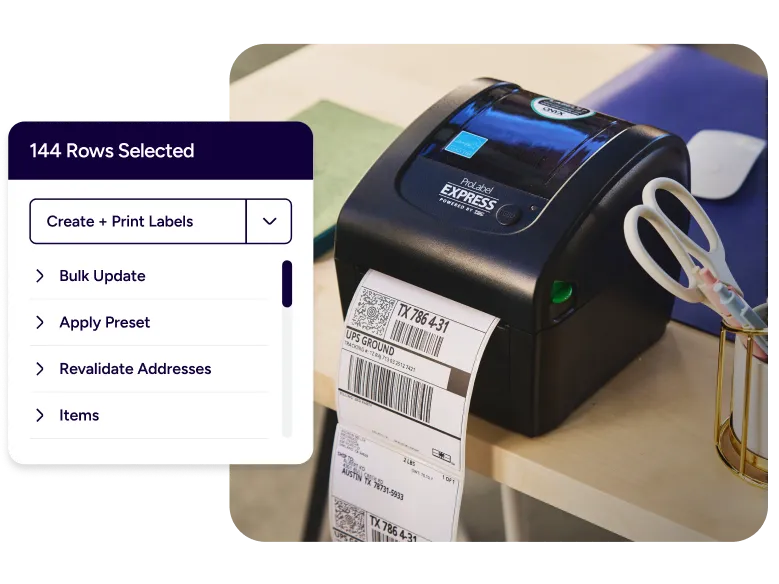
Batch label printing that fits real pick-pack-ship workflows
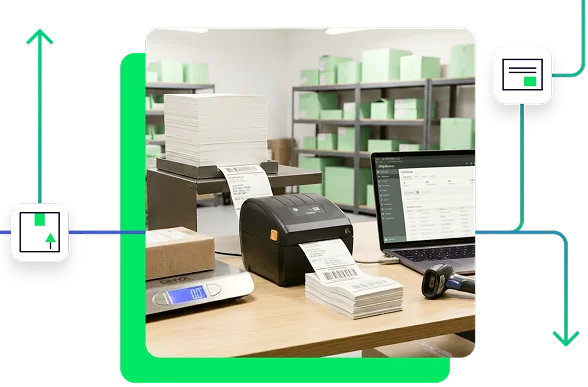
Printing labels individually is manageable when you’re shipping a handful of orders a day. It gets a lot harder once orders start piling up before pickup. Batch printing helps teams move through shipments in groups instead of constantly stopping to process one order at a time. A lot of warehouses pair it with scan workflows, packing slips, and saved presets so pack stations stay moving and fewer mistakes happen during busy stretches. It’s the kind of thing that becomes more useful the minute shipping stops being a side task and turns into part of daily operations.
Import orders from everywhere, plus CSV file priority workflows
Most businesses sell from marketplaces, storefronts, wholesale systems, and sometimes spreadsheets. ShipStation connects with platforms like Shopify, WooCommerce, BigCommerce, Amazon, eBay, Etsy, and Walmart so orders land in one place instead of being manually copied between systems. If your workflow relies on CSV imports, those work too. A lot of teams use rules and filters to sort orders automatically once they come in, especially when certain shipments need to move through a different queue or service level.
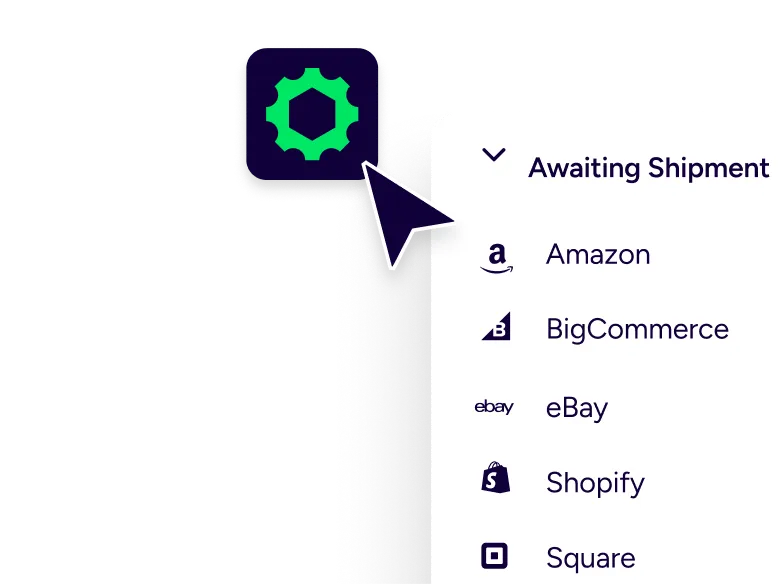
Returns that don't overwhelm your inbox
Most ecommerce teams eventually hit the point where return emails start eating up part of the day. Somebody wants a label, somebody entered the wrong address, somebody isn’t sure what qualifies for a return. A self-service returns portal cuts down on a lot of that back-and-forth. Customers can start the process themselves, choose a reason for the return, and follow the steps you set up ahead of time You still control the rules—like which items can be returned or which orders need review first—but your team spends less time manually responding to the same requests over and over.
Shipment receipts when you need proof
Some shipments are straightforward. Others are the kind people ask about weeks later. For things like compliance documents, warranty paperwork, or high-value mail, it helps to have delivery records attached to the shipment instead of buried in somebody’s email or camera roll. ShipStation lets you use USPS special services like Certified Mail™ and keeps the tracking and mailing details connected to the order so your team can pull them up later without digging through old screenshots or crumpled receipts.

International shipping with Priority Mail International and smarter options
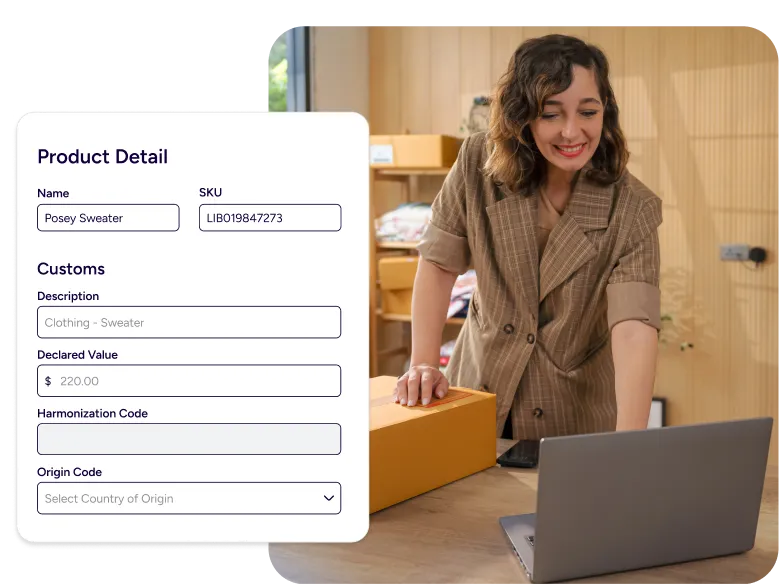
International orders usually involve more moving parts than domestic shipments. Customs details, delivery timelines, restricted items, and carrier rules can all vary depending on where the package is going. ShipStation keeps those pieces together in one workflow so your team isn’t jumping between carrier sites or re-entering the same information repeatedly. You can compare services like Priority Mail International® alongside other carrier options, save customs information, and keep tracking tied to the order when customers ask where their order is.
Manage all your inventory from the same place you ship
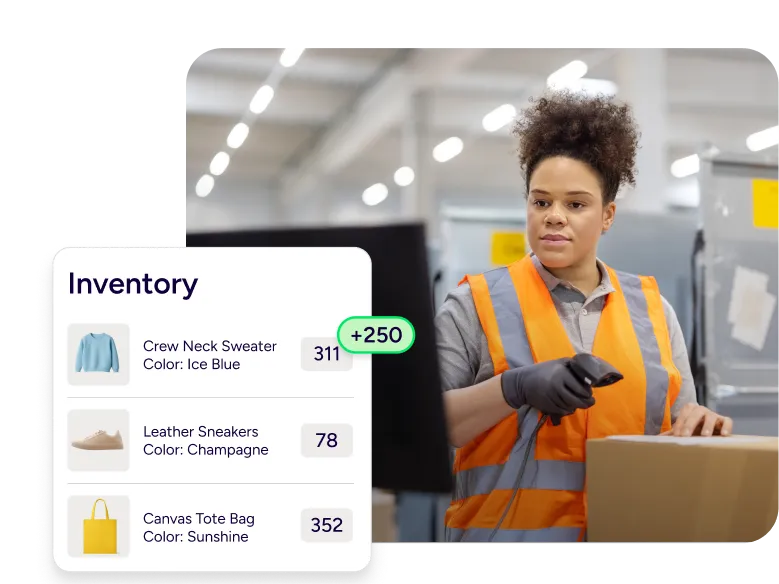
Shipping and inventory usually end up connected whether you plan for it or not. If stock counts are off, orders get delayed, oversold, or split across shipments. ShipStation includes inventory tools that help keep products, orders, and shipping activity aligned across channels without needing to bounce between multiple systems all day. There’s also a mobile app for teams that aren’t sitting at a desk, which starts to matter pretty quickly once fulfillment moves beyond a small home setup.
Get helpful tools, without research rabbit holes
A lot of shipping teams end up piecing information together from USPS pages, old rate charts, forum posts, or carrier PDFs that may not even be current anymore. That usually works, unless somebody prints the wrong postage or quotes the wrong shipping cost…ShipStation puts rate shopping, label printing, and shipment reporting in the same place so your team can spend less time looking things up and more time actually getting orders out the door.

Get started fast, then grow into advanced workflows
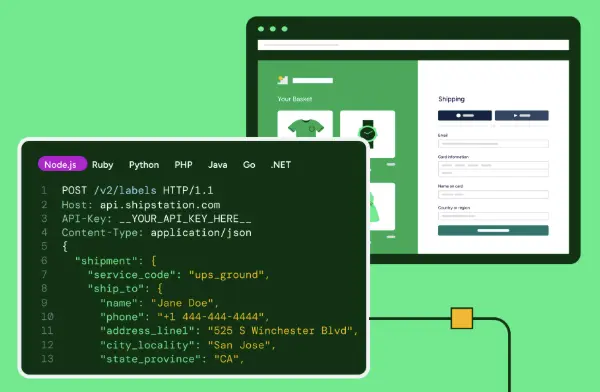
You don’t need an IT project to ship better. Connect your store, connect carriers, import orders, and print labels. Then layer in automation rules, branded tracking, and returns as you grow. If you’re ready to see it in action, start here: