Back








































Apps & Tools
Integrate VATGlobal With Your Shipping Software
Go bigger in global commerce without turning tax and fulfillment into a manual mess. Pair VATGlobal with ShipStation to centralize orders across channels, organize tax identifiers for customs forms, automate shipping work, and keep cross-border operations moving with less admin.
Key integration features
- Centralize multi-channel order data
- Add tax identifiers once
- Apply TINs to shipments
- Automate repetitive shipping tasks
- Ship to over 195 countries
About
VATGlobal is a tax partner for businesses with international VAT needs. It fits sellers dealing with cross-border orders, multiple markets, and more tax complexity as growth picks up.
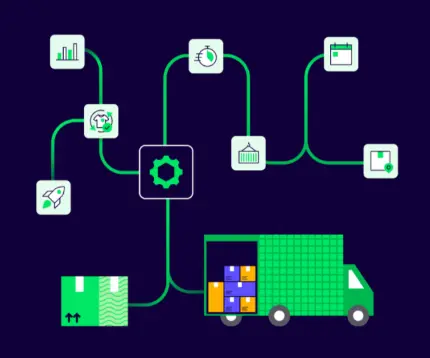
Running VATGlobal with ShipStation gives you a cleaner operational flow. Instead of chasing order details across stores, marketplaces, carrier tools, and spreadsheets, you bring shipping activity into one place and keep your team working from the same order data. That makes it easier to stay organized when tax questions show up about destination, product, value, and shipment details.
ShipStation also gives your team more control over the work behind VAT processes. With 200+ store and marketplace integrations, 200+ global carrier integrations, shipping to over 195 countries, and automation that cuts clicks per order by 40%, ShipStation helps reduce busywork while your business expands. You spend less time stitching workflows together and more time shipping confidently.
Why VATGlobal users choose ShipStation
Move beyond basic shipping tools with ShipStation
STEP 1
Open your ShipStation settings, select Shipping, and then choose International Settings from the left-hand sidebar. This is where your team manages the tax identifiers used on labels and customs forms.
STEP 2
Click the Add a Tax Identifier button to start a new entry. ShipStation stores each tax ID in your account, so you can choose the right one later when creating shipments.
STEP 3
Enter your Tax Identification Number and add a descriptive nickname. A clear nickname helps your team pick the correct tax ID when working through orders and customs declarations.
STEP 4
Click Add Tax Identifier to save, then use Add Another Tax Identifier if you need more than one. After that, apply your tax IDs in the Customs Declarations section in the Orders grid or Order Details.
TESTIMONIAL
Find the best rate for every shipment
Compare rates, delivery speeds, and services side-by-side for every order that comes in from Shopify, and let ShipStation pick the best option—with up to 90% discounted rates across 200+ carriers.
ShipStation AI
Next-gen shipping intelligence
- SmartFill
- Automated Order Creation
- Universal AI Connect (MCP)
- Batch Label Processing
- Auto-PRO Retrieval
- Dynamic Spot-Pricing Engine
- Packing Recommendations
- 24/7 Always-On
Sign up for a free trial. No credit card required.
FAQ
VATGlobal and ShipStation FAQ for VAT workflows, shipping, and setup
What is VATGlobal, and how does it fit with ShipStation?
VATGlobal fits merchants with international tax needs, while ShipStation handles the fulfillment side of the workflow. ShipStation brings your orders, shipment details, and carrier activity into one operational view, which gives your team cleaner data to work from as cross-border selling gets more complex. That matters when you sell through multiple channels and need order values, destinations, products, and customs details to stay organized. The result is a tighter process between shipping work and VAT tasks, without forcing your team to manage everything in separate tools.
How does ShipStation help with global VAT workflows?
ShipStation helps by centralizing the order and shipping activity that sits behind VAT work. Instead of pulling details from disconnected channels, your team can manage fulfillment from one dashboard and keep shipment data tied to the right orders. That matters even more when you sell internationally, because VAT and customs workflows depend on accurate product, destination, and shipment information.
ShipStation also adds scale to that process:
- Pull orders from 200+ store and marketplace integrations
- Ship through 200+ global carrier integrations
- Reach over 195 countries
- Reduce manual prep with automation that cuts clicks per order by 40%
That combination gives growing sellers a more controlled foundation for cross-border operations.
When might I need to collect VAT on international orders?
The short answer is: when you start selling into markets that require it. Rules vary by country, product type, and selling model, so the trigger is not the same everywhere. Some markets focus on thresholds, while others place obligations on foreign sellers earlier in the process. That is why order data matters so much.
ShipStation does not determine your tax obligations, but it does help your team keep the operational side clean. When orders from different channels flow into one place, it is easier to review destinations, products, and shipment details, then pass better information into your broader VAT workflow with VATGlobal.
Which countries are VAT-free, and what does that mean for cross-border sellers?
For most international sellers, that is the wrong first question. VAT is used in more than 170 countries, so VAT-free destinations are the exception, not the rule. The more practical move is to assume cross-border selling may bring VAT obligations, then verify the rules in each market before you expand.
For your team, that means staying disciplined with order and shipment data from day one. ShipStation helps by centralizing orders across channels and keeping shipment details attached to each order. That makes it easier to review where you are selling, what you are shipping, and which orders may need added tax and customs attention as you grow.
What are the key differences between sales tax and VAT for merchants using ShipStation?
Sales tax and VAT both affect what your customers pay, but they work differently. Sales tax is generally charged at the final sale to the end customer. VAT is collected throughout the supply chain, which creates a different paperwork and reporting burden for businesses selling across borders.
That difference matters in daily operations. VAT workflows usually depend on cleaner product data, shipment values, destination details, and customs records. ShipStation helps on that operational side by bringing orders into one place, organizing shipment details, and helping your team apply tax identifiers and customs information where needed. If you are expanding outside the US, that structure becomes much more important.
What does import VAT mean for cross-border ShipStation orders?
Import VAT is the VAT that may apply when goods enter another country. In practical terms, it sits close to customs, so the quality of your shipment data matters. If product values, descriptions, tax identifiers, or classification details are messy, your team has more work to do and more room for delays.
ShipStation helps by keeping those shipment details closer to the order and customs workflow. For international shipments, it is best practice to include both harmonized codes and detailed customs descriptions. You can also add tax identifiers in ShipStation, save them with descriptive nicknames, and apply them in the customs declarations area when creating shipments. That gives your team a more organized process before packages leave the warehouse.
Is there VAT in the USA?
No. The US generally uses sales tax instead of VAT. That is one reason international expansion creates new complexity for US-based sellers. A domestic shipping workflow may feel simple, but selling into VAT markets adds new layers around tax, customs data, and documentation.
That is where the VATGlobal and ShipStation combination becomes more useful. VATGlobal supports the tax side of international selling, while ShipStation centralizes the operational details behind each shipment. Your team can keep orders, tax identifiers, and shipping activity organized in one place, then handle cross-border work with more control than a basic domestic shipping setup gives you.
Related integrations
Acumatica
Build a stronger fulfillment engine for your business with the ShipStation Acumatica integration. Pair Acumatica with ShipStation to…
AIMS360
Turn fulfillment into a growth engine for your AIMS360 business. Pair AIMS360 with ShipStation to organize shipping around…
AmeriCommerce
Unlock a faster, more scalable fulfillment engine for your AmeriCommerce business. Connect AmeriCommerce to ShipStation to bring orders…