
































Small BusinessesStart small, think big. Elevate your small-business shipping today.
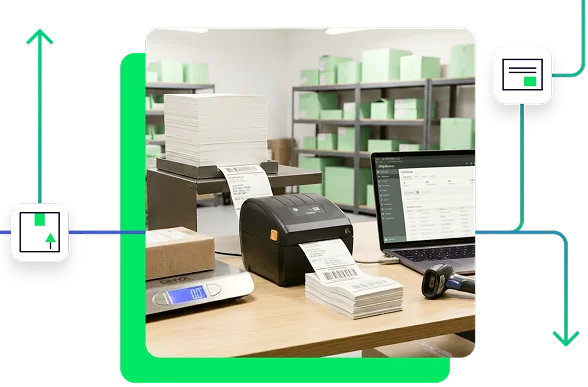
Start Shipping in MinutesStart shipping instantly with a simple setup. Buy and print labels in minutes with no training needed and no unnecessary steps.
Automate and ScaleSave time with rules that batch, route, and print labels automatically so your shipping keeps up as orders grow.
Save on Every ShipmentAccess exclusive 80% – 90% discounts from every major carrier and cut costs on every label, no matter where you ship.
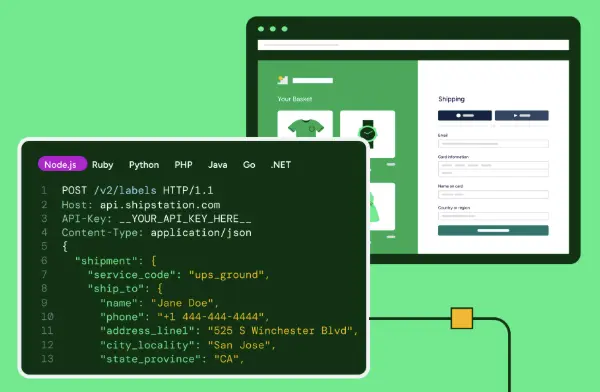
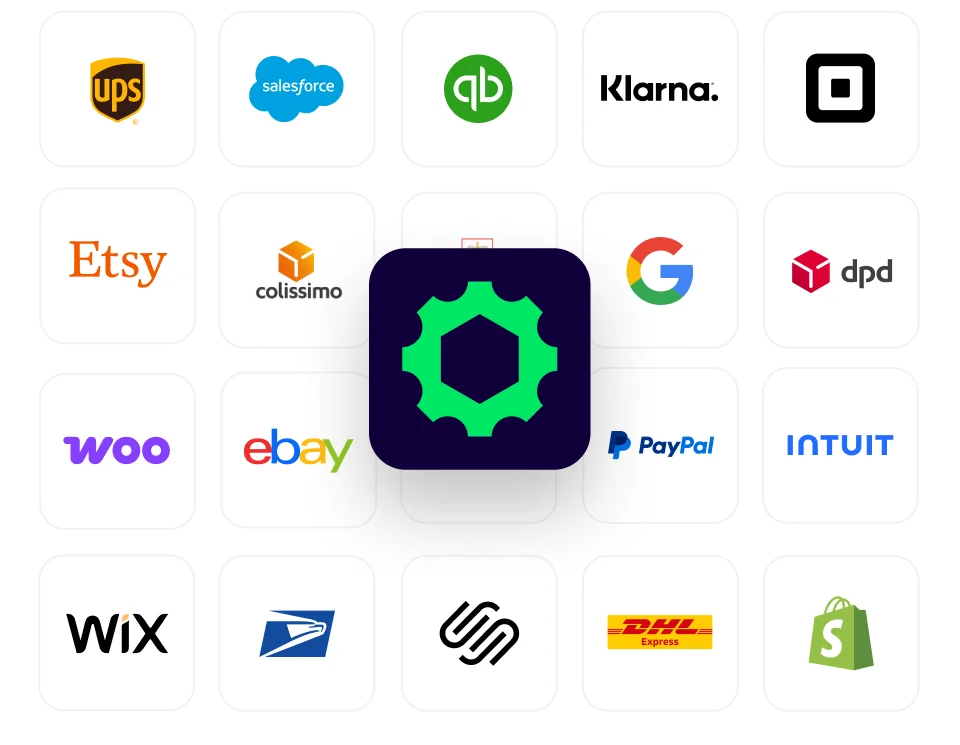
Connect and CustomizePlug into hundreds of stores, marketplaces, and carriers, or extend ShipStation with custom API integrations built for your business.
Manage Everything in One PlaceManage shipping, inventory, warehouse, tracking, and returns for all your stores and marketplaces in one simple platform.
Simplify ReturnsManage returns in one platform with prepaid labels and self-serve features that keep the process fast and frustration-free.
Mid-size and GrowingShip smarter, grow faster. Scale your fulfillment with ease.
Save on Shipping as you ScaleAutomate rate shopping across 200+ carriers, bring your own carrier accounts, and unlock deep volume discounts that grow with you.
Unlock Shipping InsightsAnalyze sales trends, shipping costs, and delivery times in one platform to identify savings, improve efficiency, and keep fulfillment running smoothly.
Centralize Omnichannel FulfillmentManage orders, shipping, inventory, warehouse operations, tracking, returns, and analytics across online stores and marketplaces with one platform.
Automate Order ManagementCombine AI intelligence with rule-based workflows to speed up fulfillment, streamline operations, and eliminate bottlenecks
Scale With our APIsExtend your setup using our developer-friendly API for custom automated workflows and insights.
Start with Guided OnboardingOur experts walk you through setup, training, and workflows so your team feels confident and ready to ship quickly.
EnterpriseGlobal scale, local precision. Master shipping at every level.
Lower Shipping Costs at Global ScaleReduce global shipping expenses with real-time rate shopping and discounted carrier rates, helping your enterprise control costs and ship efficiently at scale.
International Shipping Made SimpleEasily manage customs forms, duties, taxes, and tracking while accessing global carrier options from one platform built for cross-border shipping.
Fulfillment APIsCustomize workflows at scale with APIs for consolidating orders across channels, comparing shipping rates, validating addresses, tracking, analytics, and more.
Multi-Location FulfillmentManage inventory, orders, and shipping across multiple warehouses and stores with one platform built for multi-location fulfillment.
Advanced Shipping IntelligenceAccess powerful analytics that reveal trends, track spend, and measure performance to unlock global fulfillment efficiencies.
Dedicated Guidance and SupportCount on 24x7 support plus dedicated onboarding guidance so your enterprise shipping runs reliably from day one and beyond.
How Guardian Sports Used Automated Returns to Scale After Going Viral with the NFL
After the NFL adopted their concussion-reducing Guardian Cap, this Atlanta-based sports safety company saw orders explode to 400 per day—and the team’s manual processes couldn’t keep up.
The conclusion is clear: AI is already influencing demand, competition, and delivery performance—and retailers that fail to adapt risk being excluded from AI-led shopping journeys altogether.
This post is contributed by Kate Talbot, Marketing Lead at Soldsie, a social-selling platform that enables retailers to sell their items over social channels like Facebook and Instagram. Online sales are essential to the success of most businesses today.
This post is contributed by Kate Talbot, Marketing Lead at Soldsie, a social-selling platform that enables retailers to sell their items over social channels like Facebook and Instagram.
Online sales are essential to the success of most businesses today. In fact, one of the newest modes of consumerism is known as social commerce, which is the convergence of eCommerce and varying social aspects of online media.
With a rapidly growing consumer audience who is online and using social media, vendors are following suit by making their online shopping process more social as well. This can include anything from user ratings and reviews to social shopping tools and apps, to social communities and forums. All these elements are focused around a business’s products and services, and using the social element to build trust with potential customers and make sales.
Social Commerce 101
Social commerce is a rapidly expanding consumer-driven marketing and sales methods to improve business ratings and profit margins. It utilizes the inherently social nature of people, and the shopping experience, to give vendors more insight.
7 Forms of Social Commerce
Social Shopping – These sites offer chats and forums designed to imitate shopping with friends. GoTryitOn is one example that offers these functions.
Peer to Peer – Peer to peer is when individuals communicate with and sell directly to one another. Etsy is representative of this form.
Participatory Commerce – This type of commerce allows users to create, fund, design and be actively involved in the production of merchandise. Kickstarter rocks the house in this arena.
Social Network Driven – With the help of 3rd party tools like Soldsie, you can sell directly to your friends and fans through social media sites. Here’s where social networks like Facebook and Instagram come in.
User Curated – These sites allow consumers to create lists of products to help each other shop. The Fancy is one such venue.
Group Buying – Sites like Groupon or Living Social provide discounted products in exchange for mass purchases.
Peer Recommendations – These sites include purchase recommendations and user reviews to initiate additional sales. Amazon is a good example of a site that includes peer recommendations.
How Social Commerce Works
The typical eCommerce model focuses on a straightforward, one-way relationship where the customer is directed to an online store to make a purchase. However, social commerce takes a different approach. It creates a collaborative and participative environment between both the consumer and online store, allowing for a more social and tailored shopping experience. Here’s how social commerce works with the sales funnel:
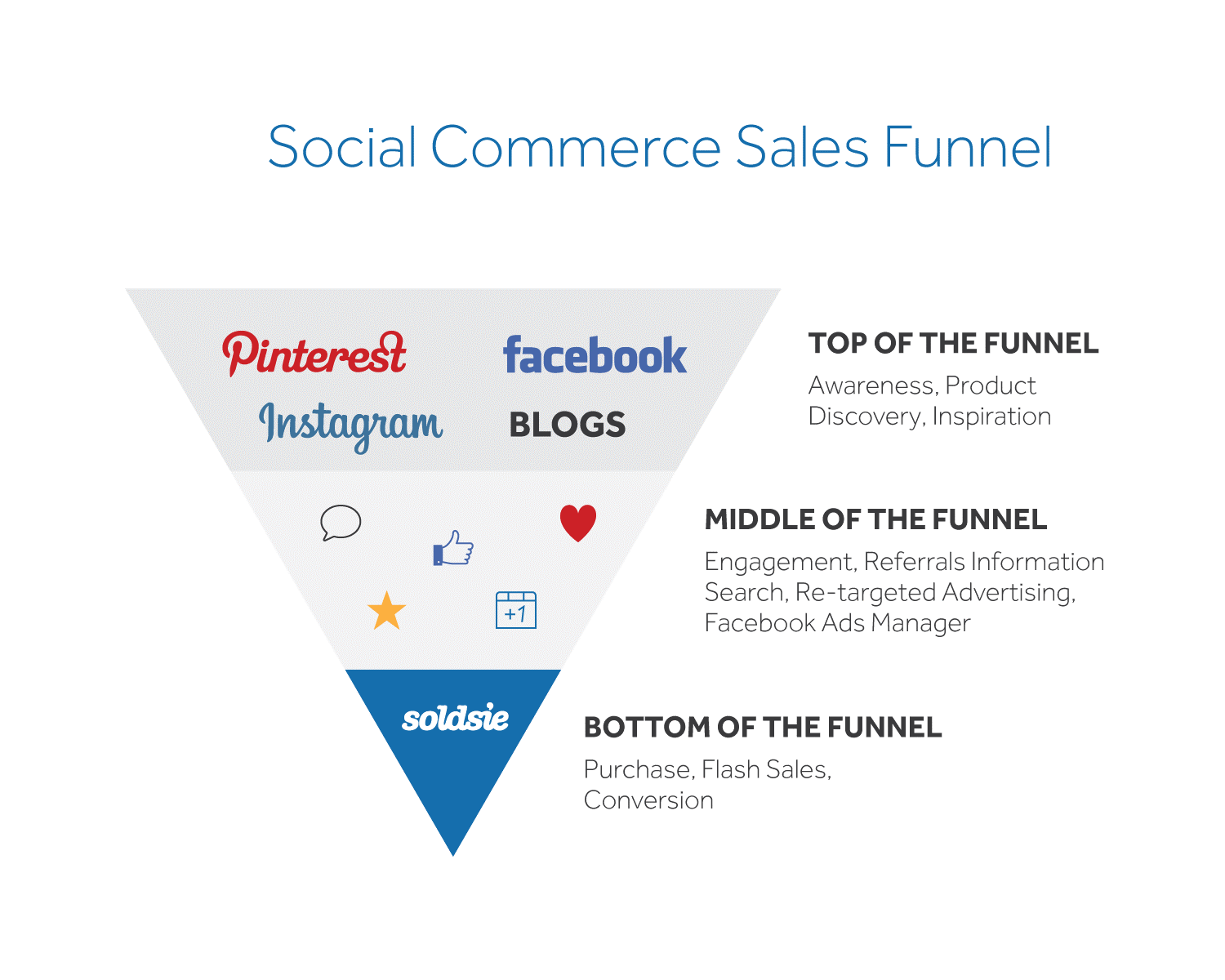
It works with consumer’s longer term, through a sales funnel. The funnel creates a top down goal: product exposure, identifying interest, additional advertising, time-sensitive deals, etc.
It’s not directly transactional, it’s not short term, and it is not direct response. It is about building a relationship that gives the shopper more than a click-to-buy experience.
The purpose is to learn what consumers are interested in and match those desires in a way that is perceived as helpful.
It provides customers with real life data from others. This helps them analyze if a product is valuable.
The Benefits of Social Commerce
There are a number of benefits to utilizing social commerce to help your business succeed. Here are just a few:
It builds loyal customer relationships.
It institutes a brand reputation online.
It creates lower return rates.
It makes monitoring customer feedback less complicated.
It’s great for SEO.
It provides product and brand data for business decisions.