 Back
Back




































The Fulfillment Playbook: ShipStation’s Strategy for Building an Unbreakable Shipping Network with Josh Steinitz


In a new episode of The Logistics of Logistics Podcast, Josh Steinitz, Chief Strategy Officer at Auctane, and host Joe Lynch discuss how to turn complex global logistics into a seamless competitive advantage.
Listen to the podcast on:
Key Takeaways of The Fulfillment Playbook: ShipStation’s Strategy for Building an Unbreakable Shipping Network
Diversification is the Foundation of “Unbreakable” Logistics: Drawing from Josh’s experience at Amazon Worldwide Operations (where he helped launch Amazon Logistics and expand Amazon Air), a primary takeaway is that a resilient network cannot rely on a single carrier. An unbreakable strategy requires a multi-carrier approach—integrating giants like UPS and FedEx with regional players and postal services to mitigate risks like strikes, capacity crunches, or price hikes.
Move from “Reactive Shipping” to “Proactive Strategy”: As Chief Strategy Officer, Josh emphasizes that shipping should not be an afterthought at the end of a sale. The “Playbook” involves using logistics as a competitive lever. By leveraging Auctane’s suite of tools (ShipStation, Metapack, etc.), businesses can transform fulfillment from a cost center into a strategic asset that drives customer retention.
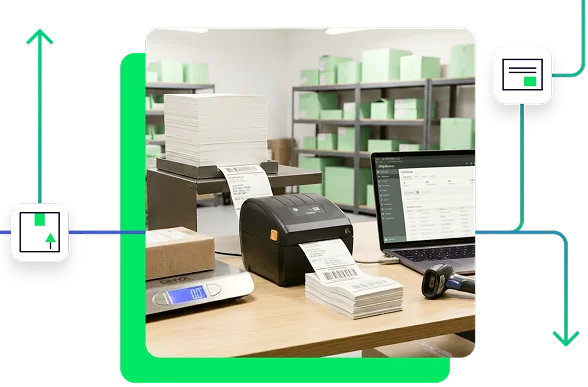
Automation is the Antidote to Operational Complexity: ShipStation’s core value proposition is streamlining the “day-to-day challenges of importing orders.” Automation is key – automatically selecting the best carrier, service, and packaging based on pre-defined criteria. This eliminates human error and allows a small team to handle the volume of a much larger enterprise.
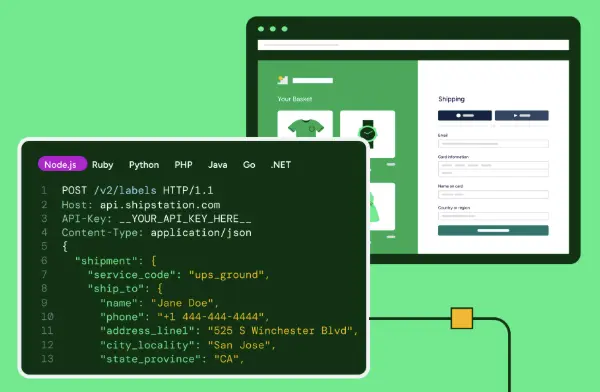
The Power of “Unified Commerce” and Deep Integration: With over 400 integrations, ShipStation’s strategy highlights that an unbreakable network must be “plug-and-play.” Your fulfillment system should seamlessly sync with marketplaces (Amazon, eBay), platforms (Shopify, BigCommerce), and inventory management.
Leveraging “The Amazon Effect” for Small and Mid-Sized Brands: Josh’s background at Amazon gives him unique insight into what consumers now expect: speed, transparency, and low costs. A major takeaway is how ShipStation democratizes these “Amazon-level” capabilities for smaller merchants, providing them with discounted rates and branded tracking experiences that allow them to compete with the world’s largest retailers.
Multi-Channel Order Centralization: ShipStation acts as a “single pane of glass” by integrating with over 100 different e-commerce marketplaces (like Shopify, Amazon, and eBay). For a shipper, this eliminates the need to jump between platforms; it centralizes every order into one dashboard, significantly reducing manual data entry and the risk of fulfillment errors.
Automated Rate Shopping and Discounted Shipping: The platform provides instant access to deeply discounted rates with major carriers like UPS, USPS, and FedEx. Shippers can use automation rules to “rate shop” in real-time – automatically selecting the most cost-effective or fastest carrier based on the package’s weight, destination, or service level – which directly protects profit margins and scales shipping operations without adding headcount.

