Back
Back







































 Feature Spotlight


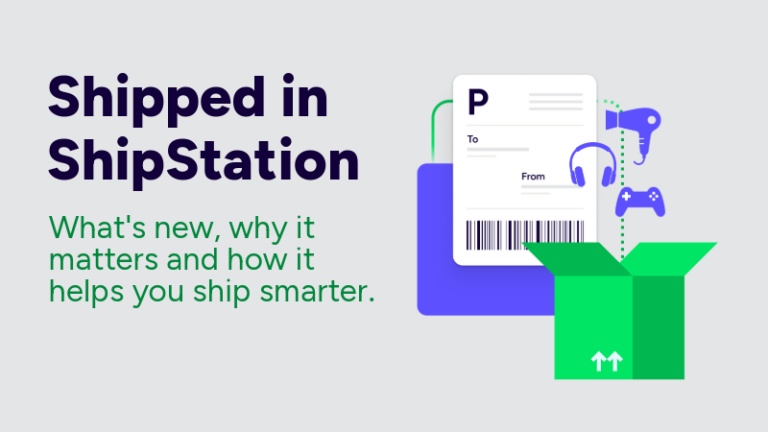
Help shipping teams make smarter decisions with less manual work. That’s the goal behind Shipped in ShipStation, a new series that spotlights what’s new in the ShipStation platform. In this post, you’ll see what just shipped, why it matters for your day-to-day, and how ShipStation Intelligence turns shipping data into clearer choices as your order volume climbs.
Shipping moves fast. Your tools should, too. Shipped in ShipStation is where you’ll find the product updates, launches, and improvements that shape what comes next in fulfillment, delivery, and post-purchase.
Some weeks, it’s a sharp feature drop. Other weeks, it’s a bigger shift in how you run your operation. We’re kicking things off with one of the biggest launches we shared at ShopTalk: ShipStation Intelligence. It’s built for growing teams that want better answers, fewer clicks, and less time spent second-guessing every label.
Shipping gets harder as you scale. Simple.
When orders come in from your webstore plus Amazon, eBay, Etsy, Walmart, and more, decisions stack up fast. Which carrier? Which service? What if a shipment is likely to arrive late? What if you could’ve picked a cheaper option that still hits the promise?
Without the right data in the right place, teams patch together a process:
That manual loop costs time. It also adds risk.
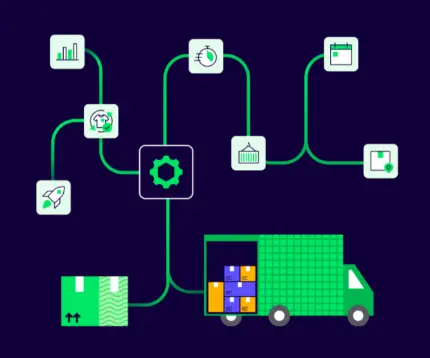
ShipStation Intelligence is the intelligence layer behind smarter shipping decisions across the ShipStation platform and the ShipStation API. In plain language, it helps turn shipping data into recommendations, predictions, insights, and automation you can actually use.
It draws on large-scale logistics data across carriers, geographies, and product categories. That scale matters because shipping is not one-size-fits-all. What works for lightweight parcels to urban ZIP codes can fail fast for rural deliveries, heavy boxes, or time-sensitive orders.
Important detail: ShipStation Intelligence is not a separate product or a standalone SKU. It’s the foundation that powers intelligence-driven capabilities across the ShipStation ecosystem.
Help shipping teams make smarter decisions with less manual work is more than a tagline. It’s what makes growth feel possible without chaos.
You still stay in control. You just stop doing the parts that should be automatic.
ShipStation Intelligence combines three core pieces that work together.
1. Large-scale shipping and transaction data
It’s informed by orders and delivery events across hundreds of carriers worldwide. That broad view helps separate noise from real trends.
2. AI and machine learning
Models look for patterns in cost, delivery performance, and operational behavior. The goal is simple: surface what matters, when it matters.
3. Built into the tools you already use
Insights and intelligence-driven capabilities show up inside everyday ShipStation workflows, not in a separate dashboard you forget to open. That can support smarter rate decisions, stronger automation, and earlier signals on delivery performance.
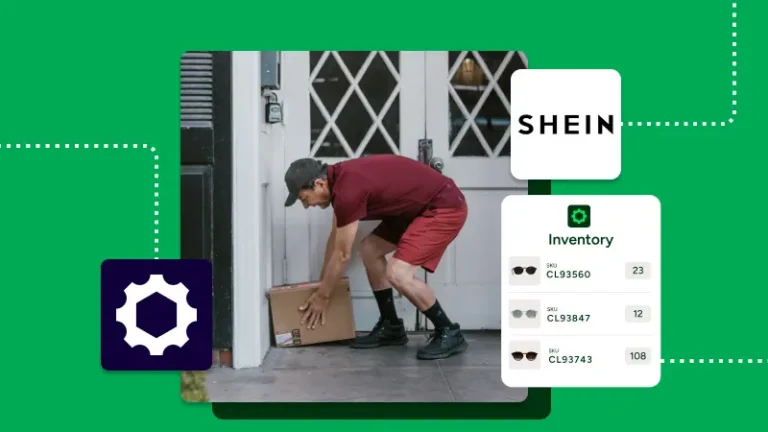
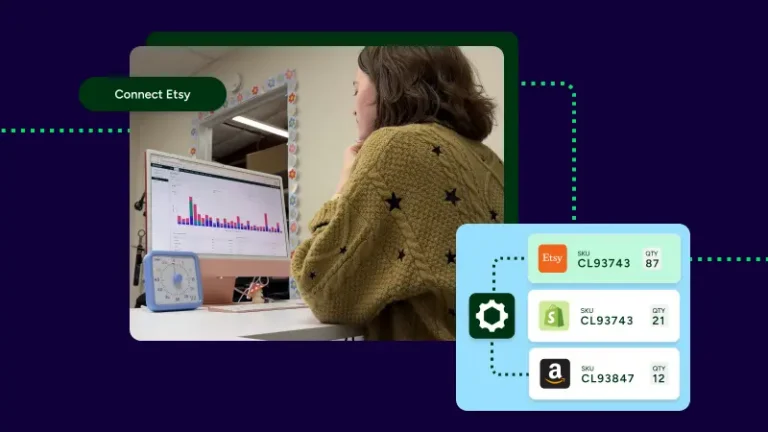
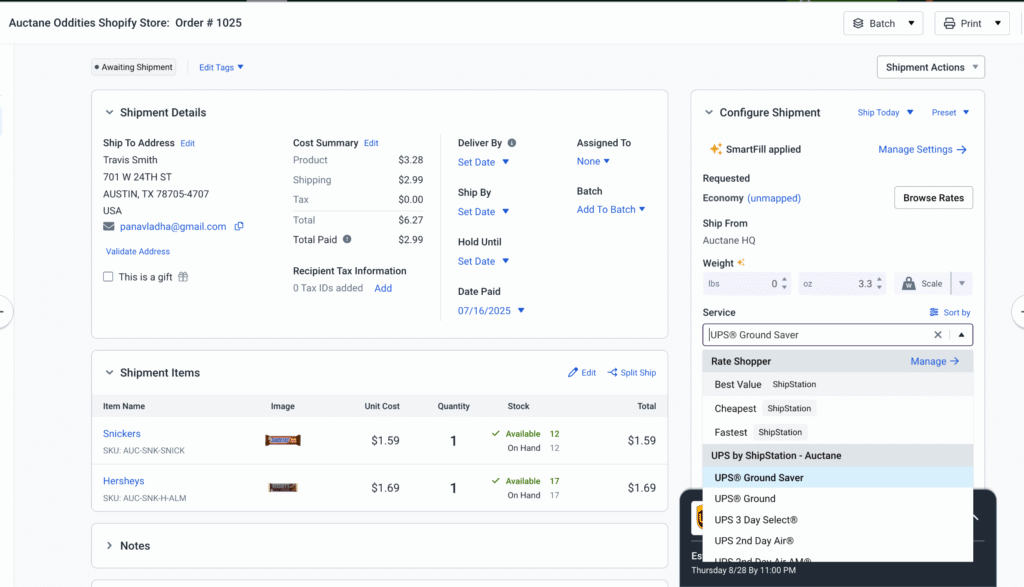
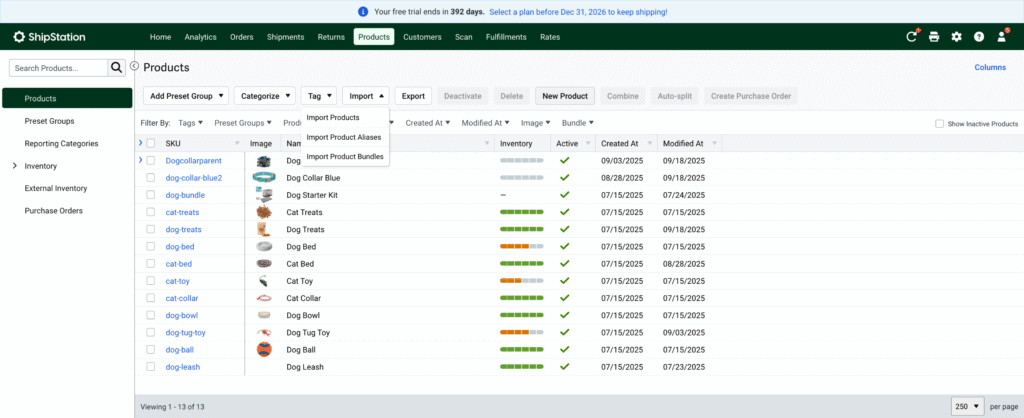
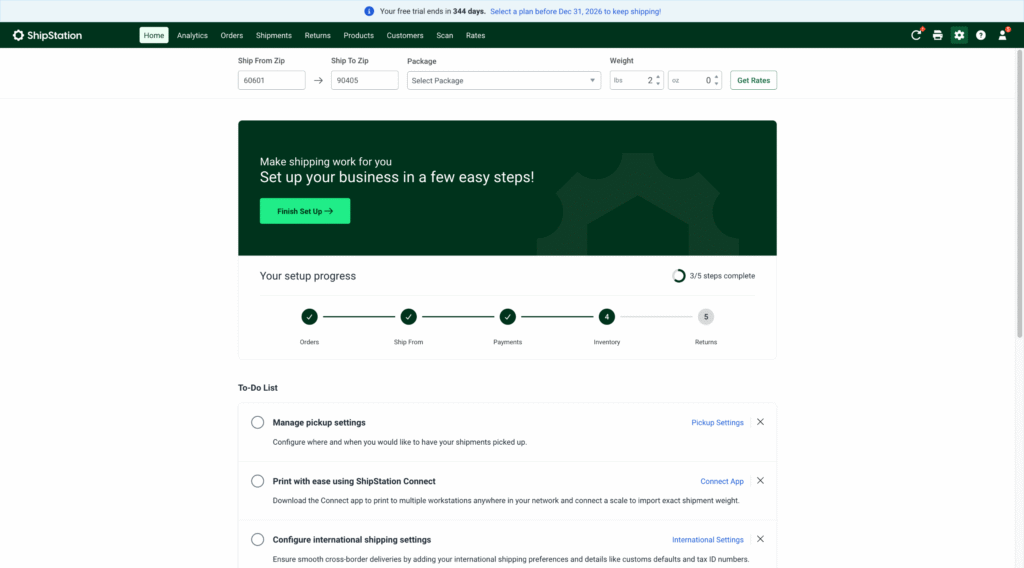
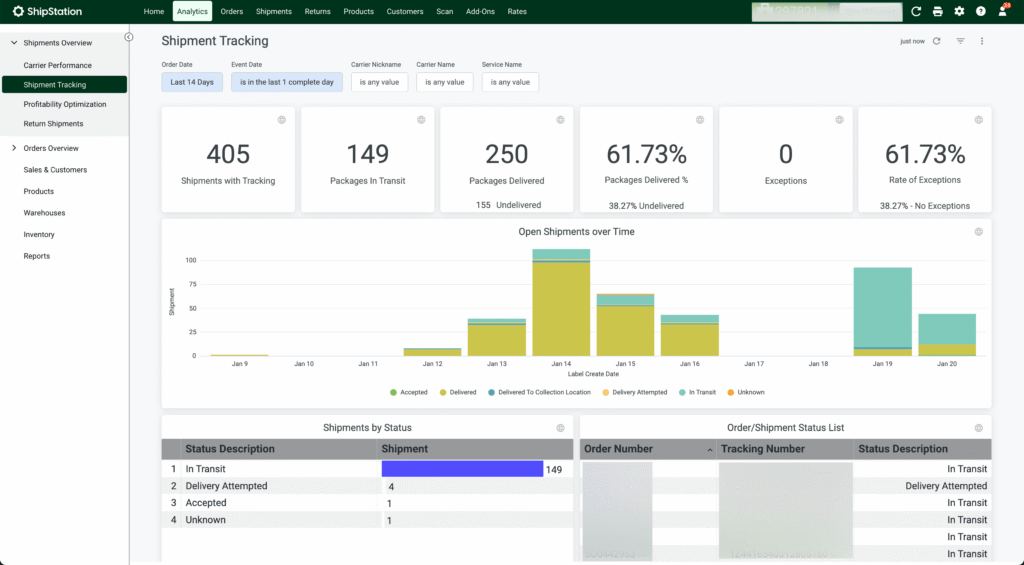
ShipStation Intelligence shows up in the features teams use to make faster, smarter shipping decisions every day. To make that real, we’re highlighting four demos from the hub that show how intelligence can reduce manual work, improve visibility, and help teams move faster. Start with these four demos for a quick look at how ShipStation Intelligence comes to life across automation, inventory, rate selection, and analytics.
Explore the full Storylane hub
Try these moves next:
Small changes. Big time back.
Picture a fast-growing ecommerce brand shipping across multiple carriers and using separate tools for rate shopping, analytics, automation, and international shipping.
Before ShipStation Intelligence, the operations team spends time comparing rates by hand, pulling reports from different systems, and managing too many manual fulfillment steps. As order volume climbs, costs rise, workflows slow down, and the team ends up paying for a fragmented logistics stack.
With ShipStation Intelligence powering the experience, that same team can automate rate selection, reduce manual work, get clearer analytics, and simplify international shipping in one connected workflow.
Early pilot results show merchants cutting shipping cost per order by 10 to 20 percent, reducing manual fulfillment steps by up to 40 percent, and eliminating up to five logistics tools to save as much as $2,700 per month.
ShipStation Intelligence is the foundation behind intelligence-driven capabilities across ShipStation. You’ll see it show up through ongoing improvements across shipping, automation, analytics, and delivery performance.
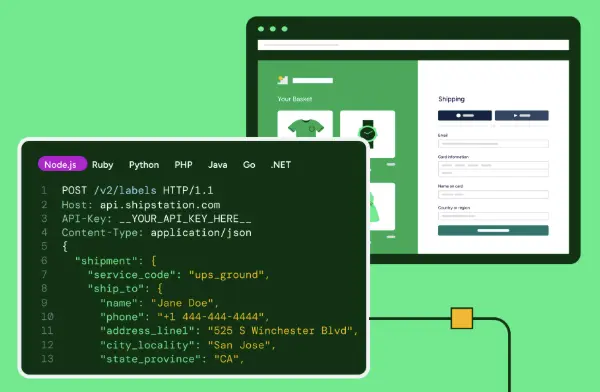
If you build custom workflows, keep an eye on updates that extend intelligence into the ShipStation API. If you prefer out-of-the-box, watch for in-app enhancements that make daily decisions simpler.
You’ll also see these releases highlighted in Shipped in ShipStation, so you can track what changed and why it matters.
This is just the first edition of Shipped in ShipStation, and it’s a strong place to start.
If you want to see what ShipStation Intelligence looks like in action, watch Kelly Vincent’s announcement replay and explore the Storylane demo to get a closer look at how ShipStation is building smarter shipping for growing businesses. Ready to get started in ShipStation? Click here.
Shipped in ShipStation is a series that highlights new product updates, launches, and improvements across ShipStation. It’s written to help you understand what changed and how to use it in your day-to-day shipping workflow.
ShipStation Intelligence is a data and AI layer that helps power smarter decisions across the ShipStation ecosystem. It supports recommendations, insights, and automation that reduce manual work and improve visibility across the shipment lifecycle.
No. ShipStation Intelligence is not a standalone product or separate SKU. It’s the foundation behind intelligence-driven capabilities that appear across ShipStation and the ShipStation API.
It helps you rely less on guesswork and repetitive steps. Combined with ShipStation tools like automation rules, rate comparison, and batch label printing, it makes daily shipping decisions faster and more consistent.