Back
Back






































 Ecommerce Growth


Most sellers assume they’ll add shipping infrastructure once they’ve grown into needing it. But the numbers tell a different story. The sellers who scale fastest aren’t the ones who react to volume—they’re the ones who build before volume arrives.
The common assumption is that growth creates the need for better shipping operations. The data disagrees.
An analysis of ShipStation seller accounts tells a consistent story: only 8.2% of sellers who upgraded their shipping plans did so because they were near their limits. Most upgraded while using less than half their allowance. They weren’t reacting to pressure—they were investing ahead of it.
The results back it up. Sellers who ultimately reached high-volume status upgraded in a median of 189 days. Sellers who plateaued at mid-volume took a median of 300 days to upgrade, and many never went further.
Volume growth tends to follow the investment. It doesn’t cause it.
These three decisions pay off most when you build them before you need them.
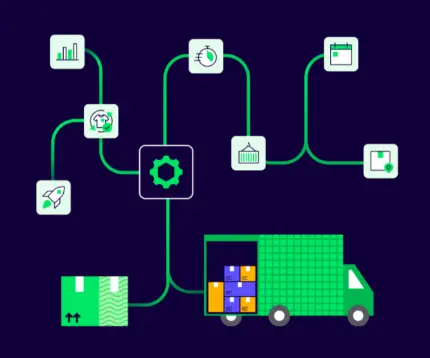
Manual order processing has a ceiling. When you hit it, you feel it immediately—and fixing it mid-peak is the worst time to start. Shipping automation lets you apply carrier selection, package type, and service level automatically based on order criteria. Set it up now, and your ecommerce fulfillment process scales without scaling your headcount. Set it up later, and you’re fixing it while orders pile up.
Relying on a single carrier is a single point of failure. Rates change. Capacity tightens during peak season. A carrier has a bad week in your region. Sellers with multi-carrier ecommerce shipping solutions in place can reroute without disruption. Sellers who haven’t built that flexibility scramble—and customers notice.
Returns aren’t a sign something went wrong—they’re a normal part of ecommerce operations. The sellers who grow build a returns process before volume makes a bad one expensive. A clunky return experience costs repeat business. A smooth one earns it back.
None of these are difficult to set up. What makes them powerful is building them before you have to.
These aren’t hypothetical gains. They show up in real outcomes.
Five Senses Education processed 60% of their annual order volume in a four-month peak window. That kind of compression would break most ecommerce fulfillment processes. It didn’t break theirs—because the infrastructure was already in place. They also doubled their order volume without adding headcount. That’s what scalable ecommerce operations actually look like: more volume, same team, no crisis.
“Years ago, this would have created a major challenge for us, and it would have taken us several days to get all of these orders out. With ShipStation, it was so easy and quick to split the shipments. I don’t know how we operated in the past without it!”
Jane Furniss, Director, Five Senses Education
Baraka Shea Butter grew from 10 to 15 orders per week to more than 5,000 orders annually. That’s not incremental growth—that’s a different business. The ecommerce shipping solutions they had in place made that transition manageable.
Minimum World Miniatures increased their daily shipping volume by 30% without adding anything to their workflow. That’s what built infrastructure does: It creates capacity before you need it, so growth doesn’t immediately become a bottleneck.
What followed in each case wasn’t luck. It was infrastructure doing its job.
Most sellers frame shipping infrastructure as overhead—something you add once growth justifies the cost. But if you’re serious about how to scale an ecommerce business, that framing is the obstacle.
The cost of waiting isn’t zero. It’s the volume you couldn’t handle, the customers you lost to a slow or frustrating returns experience, the hours your team spent on manual tasks that should have been automated months ago. Those costs don’t show up on an invoice, but they show up in your growth curve.
The sellers who move fastest treat every capability decision as an investment, not a reaction. They don’t upgrade because volume forces them to. They upgrade because they’re building toward something—and they want the infrastructure to be ready when they get there.
The pattern is consistent: Sellers who invest in capability before volume demands it grow faster and go further than those who wait. Look at your current setup. If your order volume doubled tomorrow, what would break first? Close that gap now—before it closes your ceiling.
Most sellers wait for volume to force the decision. ShipStation helps you make it first.