Back
Back






































 Shipping & Fulfillment


UPDATE: October 1, 2025
Subscribe to our Status Page for specific carrier updates.
Things continue to evolve regarding duties and taxes on imported goods to the United States. The de minimis exemption, Section 321 of the Tariff Act of 1930, for low-cost goods shipped from all countries (excluding Canada and Mexico) will end at the end of this month. Starting on August 29, 2025, shipments valued at or below $800 sent to the U.S. outside of the international postal network (i.e. USPS and its foreign postal partners) will be subject to duties and tariffs.
This shift in trade policy impacts both courier (i.e. UPS, FedEx, etc.) and postal (i.e. USPS and its foreign postal partners) low-value imports. Courier shipments will face full duties and tariffs and postal shipments will be assessed by either:
Existing exemptions for personal travelers and small gifts remain in place. Visitors to the U.S. can still bring back up to $200 in personal items duty-free and personal gifts valued less than $100 remain duty-free.
The elimination of the de minimis exemption will present ecommerce platforms, marketplaces, sellers, and small businesses with steep challenges with regard to cost and speed.
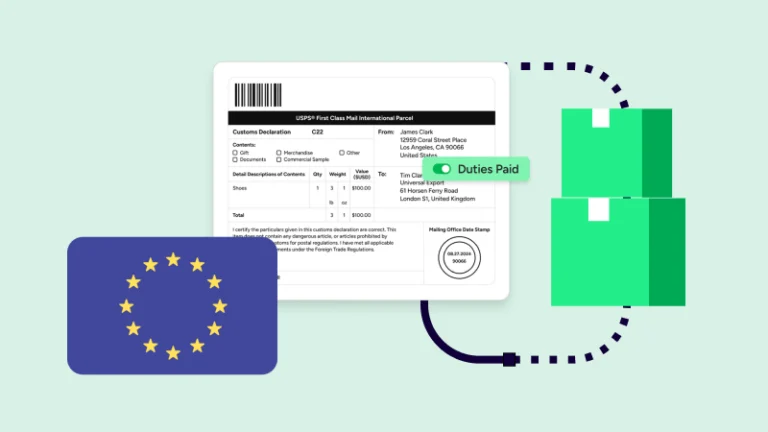
Those that ship low‑value, duty-free goods into the U.S. from other countries will likely see increased costs from new taxes and duties. If duties and taxes aren’t paid upfront (Delivered Duties Paid), customers may face unexpected charges at delivery. In these cases, many customers may refuse to accept packages with surprise fees, triggering costly returns. In some cases, returns may result in merchants paying duties and taxes twice, depending on the origin country.
Additionally, the added complexity and scrutiny on compliance may mean slower delivery times, as every parcel will be subject to customs duties and formal clearance procedures. This means more shipments, regardless of value, are likely to be held up by customs.
3PL providers are also under pressure to adapt and help customers navigate the shift by using formal entry processes and billing downstream. 3PL providers are under pressure to adjust their operations as the U.S. ends duty-free de minimis treatment. This means they must now file formal customs entries for more shipments, offer to pay the required duties and fees up front, and then invoice the merchants for those costs afterward (“billing downstream”), while also helping those merchants understand and manage the new process.
For consumers, this means potentially higher costs, slower delivery times, and overall frustration. Customers can expect higher prices and fewer product variety on items valued at or under $800 for overseas purchases, especially niche items previously imported duty-free. Not to mention, surprise fees at delivery does not result in a positive customer experience.
There are multiple ways companies can respond to the changes, from cost management to supply chain strategy. Businesses should re-evaluate their pricing and decide whether or not to absorb the duties and fees or pass them along to consumers. Here are some things to consider:
If you’re shipping to the U.S., there are new requirements due to changes in de minimis exemptions and tariffs. To help avoid delays and holds by U.S. Customs and Border Protection (CBP), make sure your shipments include the following:
Following these steps helps keep your shipments moving without unnecessary delays. For more details, visit the UPS Tariff Page, a step-by-step commercial invoice guide from UPS, or the U.S. FDA website.
The pace at which global trade and cross-border policies change makes it increasingly important for sellers to stay resilient. This flexibility is especially critical when the shipping landscape changes so quickly and frequently as it does today. Fortunately, responding to new challenges doesn’t have to be that much of an added stress. With the right tools and software systems in place, you can get ahead of unexpected challenges or react to them appropriately.
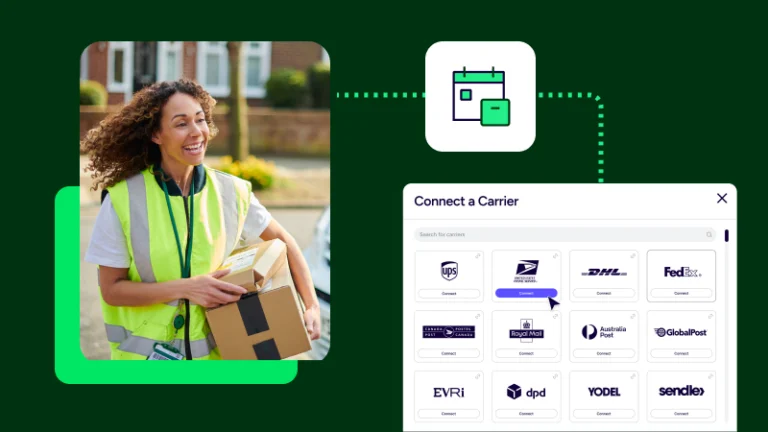
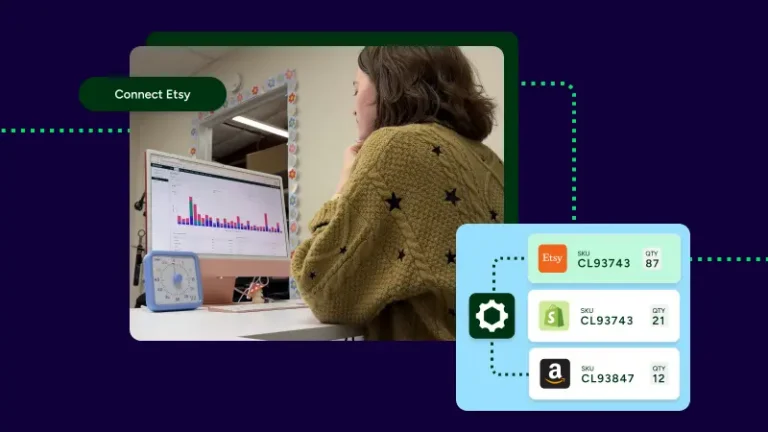
From smarter ways to manage duties and taxes, to cross-border fulfillment and carrier flexibility, ShipStation is continuously innovating to equip businesses with the tools and capabilities they need to thrive, no matter how the world changes:
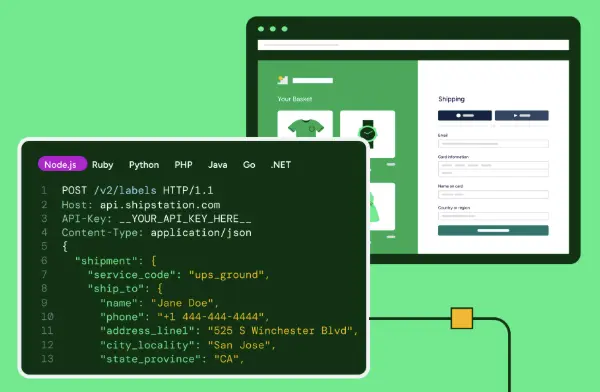
ShipStation API