Back





































 Carriers & Rates


Picture this: USPS updates its rates, and your labels reflect the new pricing right away. No notice to read or math to redo. No waiting for an update to catch up.
That’s where shipping with USPS is headed. USPS is moving to a direct connection for label printing, and it puts current pricing and cleaner data right where you need them: on your labels.
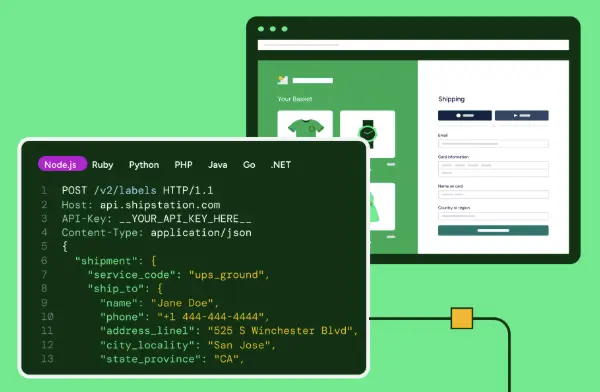
USPS is moving label requests to an API. An API is a direct connection between two systems, so they can talk to each other in real time. For you, that means USPS rates and details come straight from the source.
Here’s the before and after. When USPS changed its rates, you’d wait for an announcement and a notice explaining what was changing. It worked, but it left a gap between a change at USPS and what you saw on your labels.
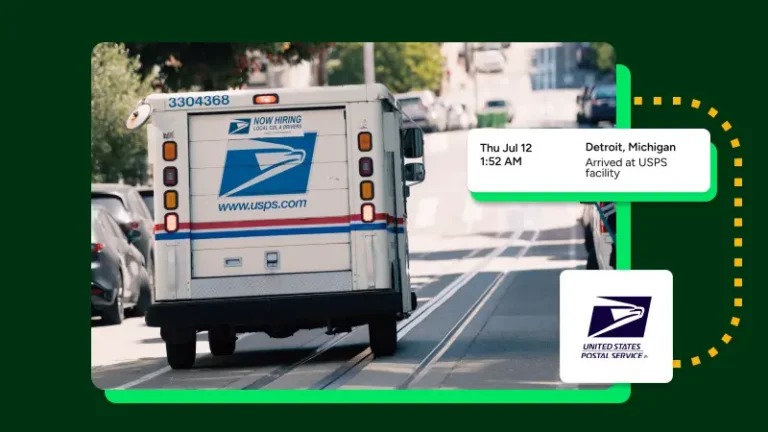
USPS’s new API closes that gap. Now, your label requests go straight to USPS. Your shipment details travel to USPS, and rates and labels come right back. When USPS makes a change, it’s already there. You don’t wait on a notice to see current pricing.
The best part? You don’t have to switch anything on. Most sellers will keep shipping exactly as they do today.
Rates now come directly from USPS. As USPS moves to dynamic pricing, the price on your label reflects its current pricing, not a version that’s catching up.
Current rates help at every size. If you run a small shop, you can quote shipping costs with confidence. If you ship thousands of packages a week, small pricing shifts add up fast, and you want your numbers to match the carrier’s.
USPS rate changes will still happen. What changes is how quickly you see them. Instead of reacting to an announcement, you ship with the right rate from the start.
Your label data now travels to USPS over a direct, modern connection built to current USPS security standards.
Fewer handoffs means fewer places for information to go astray. Customer names and addresses take a shorter, more secure path to USPS.
Your shipment details go straight to USPS in a standardized format. That reduces the mix-ups and mismatches that creep in when data gets reshaped along the way.
Think of the last time an address came through slightly off. A missing field, an odd abbreviation, a mismatch between what you entered and what the carrier saw. When your details reach USPS in one consistent format, you get fewer of those moments and fewer labels to fix.
USPS’s connection expects a full address on every label: street address, city, state, and ZIP code. Most sellers already have this covered. A quick look takes a minute.
If you print from ShipStation on the web or desktop, make sure your ship-from and return addresses are complete in your account settings. When shipping from somewhere other than your account address, add it as a ship-from address.
If you connect through an integration or API, send the full address with each label request, not just a ZIP code.
This move reflects a bigger shift. Carriers are building direct, real-time connections, and the sellers who benefit most are the ones who never have to think about the plumbing.
That’s ShipStation’s job. The connection, the data format, and the rate updates happen behind the scenes. You get to focus on what you do best: getting orders out the door and into customers’ hands.
Whether you ship 50 orders a month or 50,000, the upside is the same. Current USPS rates, cleaner data, and a more secure connection, with less to manage on your end.
Ready to see it in action? Check your ship-from and return addresses in your account settings, and you’re set for USPS rate changes ahead. New to ShipStation? Start shipping with ShipStation today.