 Back

































Food and Beverage Logistics
The complete guide to shipping, costs, and product protection
 Scroll to explore
At a glance: What food and beverage producers need to know about freight shipping
Your product sets the rules. Shelf life, temperature, and retailer receiving windows mean a late or mishandled pallet costs far more than the freight bill.
The quote is only the starting point. Freight class, accessorials, and fuel surcharges shape the final invoice. Accurate shipment details and a matching BOL keep surprises off the bill.
Audit before you optimize. Review six to 12 months of invoices by lane, carrier, and accessorial to find the patterns costing you the most.
Match the service to the shipment. Parcel, dry LTL, temperature-protected freight, and reefer each fit different products, so pay only for the protection each load needs.
Build a carrier bench. Qualify a backup on every critical lane and plan for peak early, so tight capacity doesn't strand a load.
Run parcel and pallets as one operation. One workflow for quoting, booking, documents, and tracking gives you a clear view of every shipment, and the metrics to improve it.
Protecting margin and product on every pallet
Food and beverage logistics presents challenges that many other industries don't face. Products may have a short shelf life, customers expect on-time deliveries, and carriers must protect shipments from damage. Whether you're shipping packaged snacks, bottled beverages, or frozen foods, every order needs careful planning.
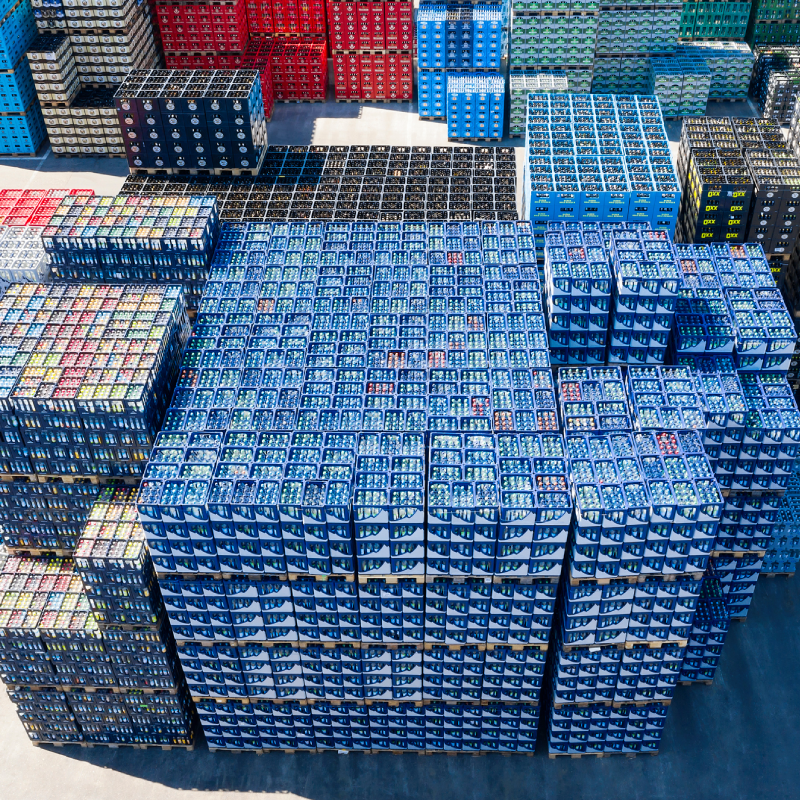
When something goes wrong, the consequences can be costly. One late delivery can put an important customer relationship at risk. Products may spoil, bottles can break, and missed appointments can lead to extra charges. Add seasonal demand and temperature requirements, and even routine shipments can become difficult.
Fortunately, you don't have to choose between protecting your products and controlling shipping costs. The right transportation strategy can help you do both.
This guide explains your shipping options, what drives freight costs, and ways to make everyday shipping easier and more cost-effective without putting perishable products at risk.
You’ve built a freight program. Now see why food and beverage puts it under more pressure than most.
Food and beverage freight demands a different approach
Most freight is relatively forgiving. A late pallet of hardware is still hardware. Food and beverage freight is different. Your product has a shelf life, a required temperature range, and a buyer with a receiving window. Miss any one of those requirements, and the result may be unsellable product rather than a simple late fee.
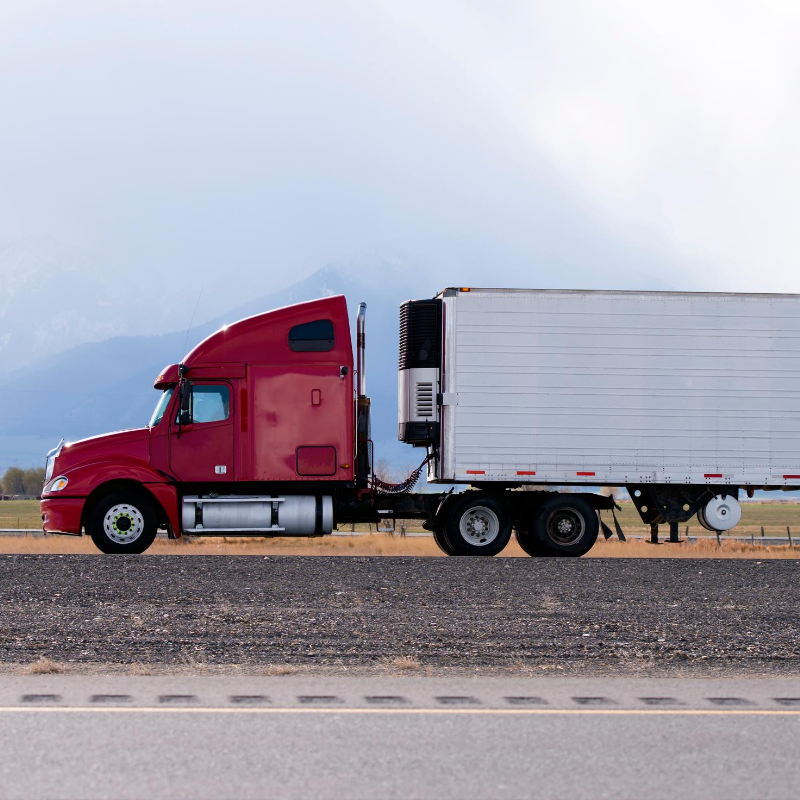
Four factors make food and beverage freight especially challenging:
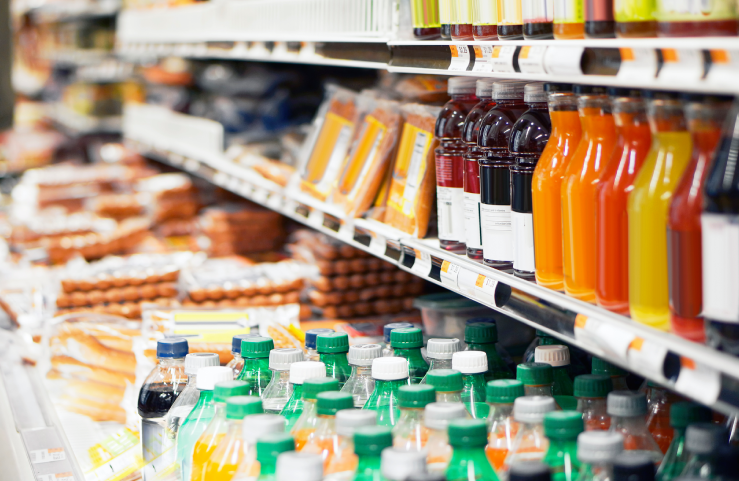
Shelf life
Delays can reduce selling time or make products unsellable.
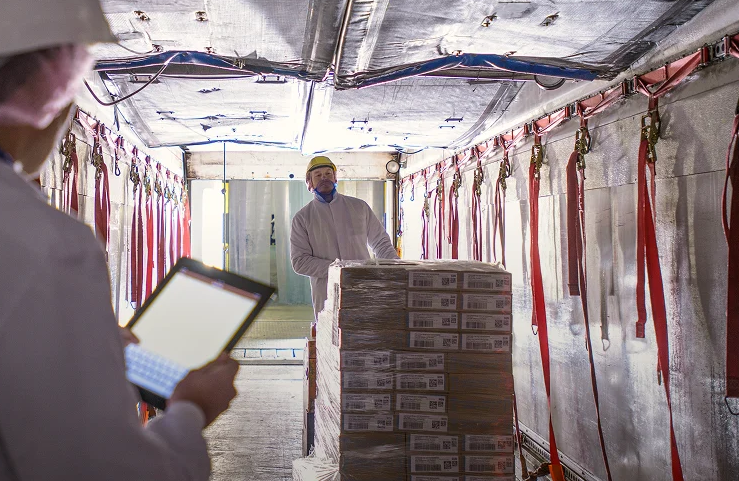
Temperature
Some products require refrigeration or freezing throughout transit, while others may not need any temperature control.
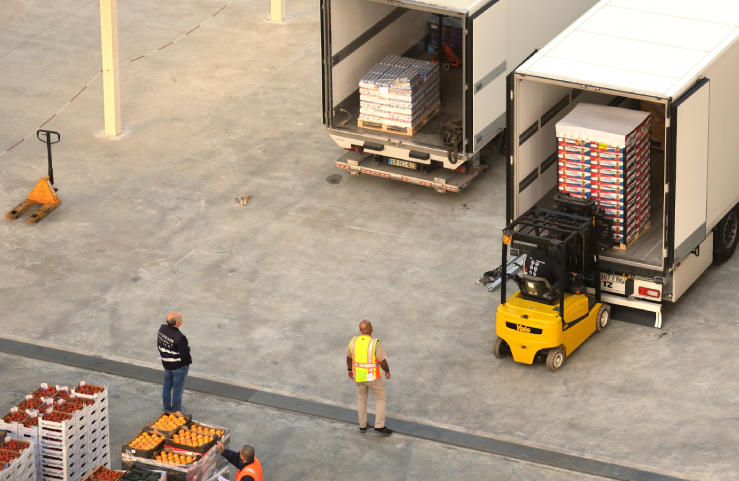
Receiving windows
Retail distribution centers often require delivery appointments and may reject late ones.
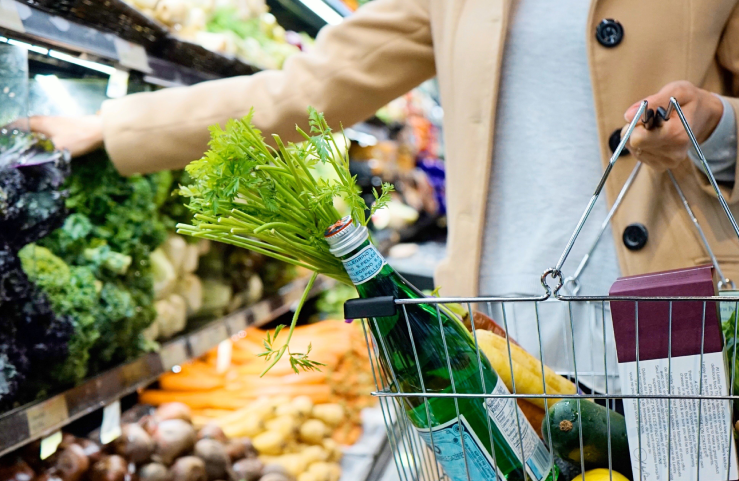
Seasonality
Holidays and demand spikes can tighten carrier capacity when you need it most.
Your freight program needs to account for all four factors on every shipment. A low rate that puts shelf life at risk isn’t a bargain.
Consider a beverage producer shipping to a major retailer. The shipment arrives a day late and misses its delivery appointment. The retailer may refuse the load or assess a fee. If the product has a short shelf life, the delay could also reduce its value.
That's why the lowest shipping rate isn't always the best choice. You need an optimized transportation strategy that protects your products, meets customer needs, and helps control total costs.
Your freight starts with every ingredient, bottle, and label that arrives at your door.
Understanding the food and beverage supply chain
Food and beverage products move through several stages before reaching customers. Ingredients and packaging arrive at production facilities. Finished products then move to distributors, retailers, restaurants, or consumers. Transportation plays an important role at both ends of this process.
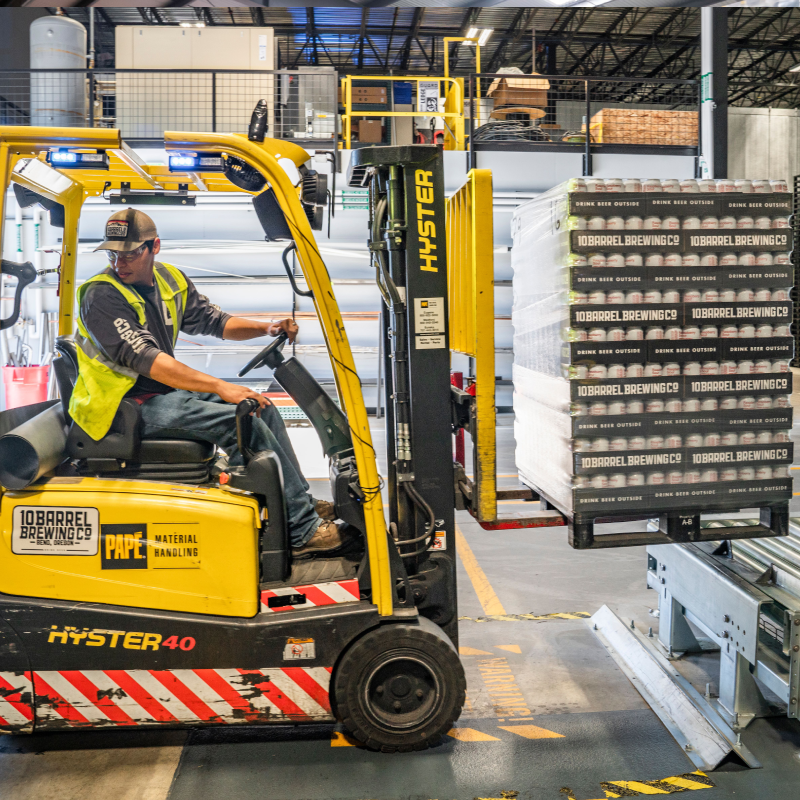
Inbound logistics: keeping production moving
Inbound logistics covers the materials coming into your business. These may include ingredients, bottles, labels, cartons, and pallets. When these shipments arrive late, production can slow down or stop. For example, a beverage company may have finished drinks ready to package but no bottles available.
Suppliers often arrange inbound freight. That means you may have limited control over the carrier or delivery schedule. However, you can still ask suppliers for tracking updates, share production deadlines, and identify materials that need extra attention.
Outbound logistics: delivering finished products
Outbound logistics covers the products leaving your facility. These shipments may go to retail distribution centers, grocery stores, restaurants, warehouses, or individual customers.
You often have more control over outbound shipping. You can choose carriers, prepare shipments, and plan pickups around production schedules. That makes outbound transportation a good place to start when looking for savings.
Where coordination helps: Match your production schedule with carrier pickups and customer delivery windows. Booking too early can leave a driver waiting. Booking too late can cause missed appointments and rushed shipments.
Not all shipments needs the same service. The right mode protects your product and saves you money.
Choosing the right transportation mode for food and beverage shipping
Not every shipment needs the same transportation service. A box of snacks going to a customer is very different from five pallets of bottled beverages going to a grocery distributor.
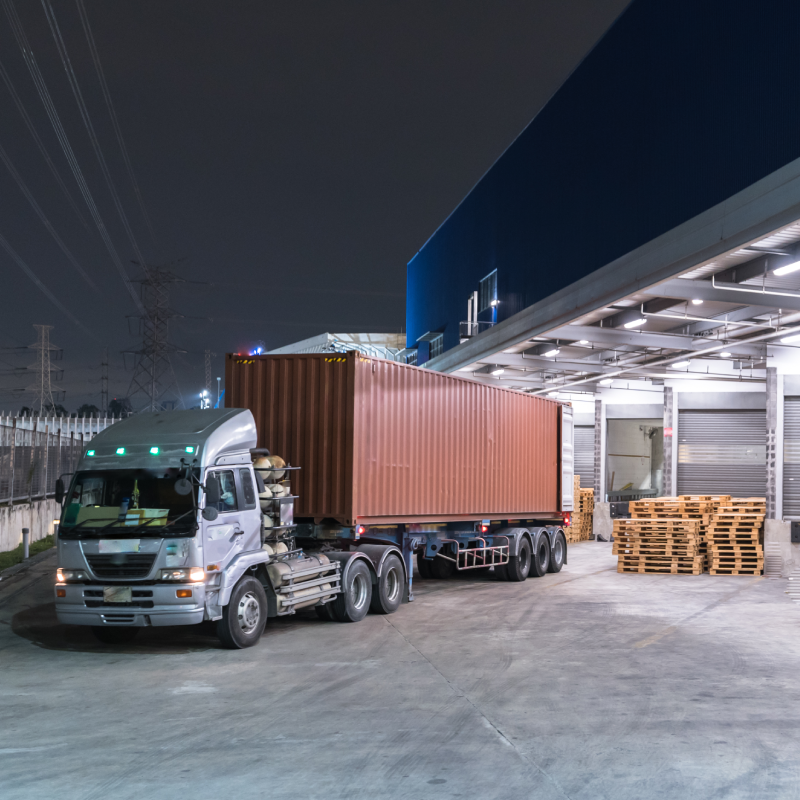
Choosing the right shipping mode can help you control costs while protecting your products.
Parcel shipping for smaller food and beverage orders
Parcel shipping works well for smaller orders, product samples, subscription boxes, and many direct-to-consumer shipments. Carriers handle individual packages rather than full pallets. This makes parcel shipping useful for businesses sending frequent orders to different addresses.
However, packaging matters. Glass bottles may need dividers and cushioning. Liquids need secure closures to prevent leaks. Products sensitive to heat may need insulation or faster delivery.
Package weight and size also affect pricing. Large, lightweight boxes may cost more than expected because carriers can charge based on dimensional (DIM) weight.
LTL freight for palletized food and beverage shipments
Less-than-truckload (LTL) freight lets several businesses share space in the same trailer. You pay for the space your shipment uses instead of booking an entire truck. LTL freight is often a good choice for palletized food and beverage products moving to retailers, distributors, and commercial customers.
For example, a beverage producer shipping three pallets to a regional distributor may save money with LTL instead of a dedicated truck. However, LTL shipments often move through several carrier terminals. Products may be loaded and unloaded more than once, which makes strong packaging and stable pallets especially important.
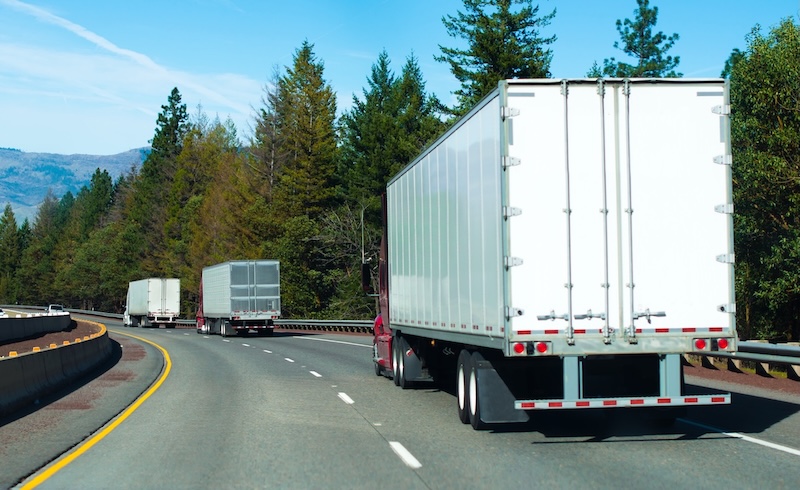
Full truckload shipping for larger orders
Full truckload (FTL) shipping gives your shipment dedicated trailer space. It's often a good choice for larger orders or shipments that need special equipment. It can also reduce handling because the freight may travel directly from pickup to delivery.
You don't always need to fill an entire trailer to use truckload shipping. It may make sense when products are fragile, delivery timing is critical, or the total cost is competitive with LTL.
Food and beverage transportation comparison
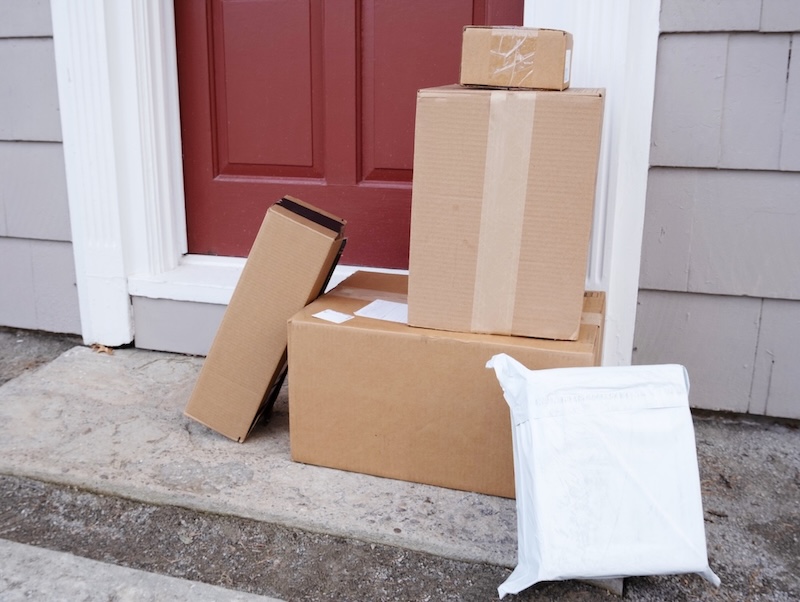
Parcel
Best suited for:
Smaller orders and DTC shipments
What to consider:
Packaging, weight, and delivery speed
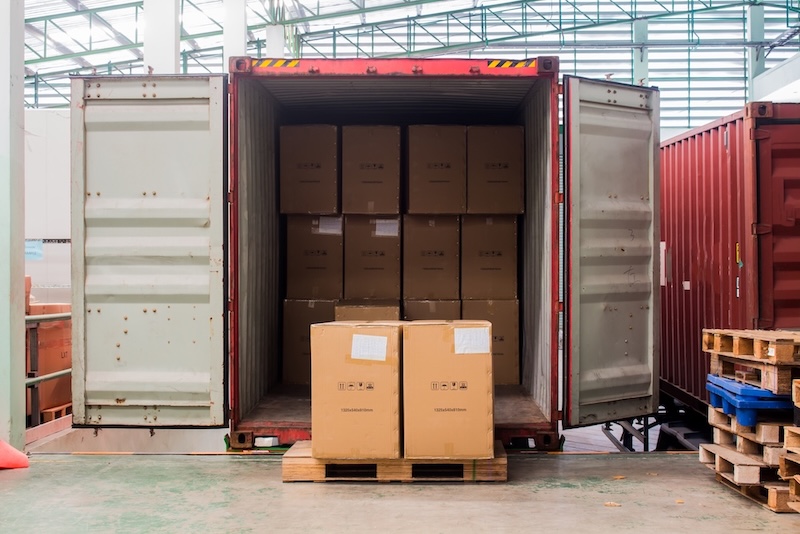
LTL freight
Best suited for:
Palletized shipments
What to consider:
Handling, transit time, and freight class
Full truckload
Best suited for:
Larger shipments or dedicated loads
What to consider:
Volume, equipment, and scheduling
These modes describe how freight moves. Temperature protection is a separate decision, and some shipments need specialized equipment or handling.
Shipping tip: Compare the total cost, transit time, and product requirements before choosing a mode. The cheapest quote may not offer the protection or service you need.
Temperature protection isn’t one-size-fits-all. Knowing which service your product needs keeps you from risking it, or overpaying for it.
Cold chain logistics vs. temperature-controlled shipping vs. protect-from-freeze services
Temperature protection is a major part of food and beverage transportation. However, not every product needs refrigeration, and different services protect against different risks. Three terms are important to understand: cold chain logistics, temperature-controlled shipping, and protect-from-freeze services. They're related, but they don't mean the same thing.
What is cold chain logistics?
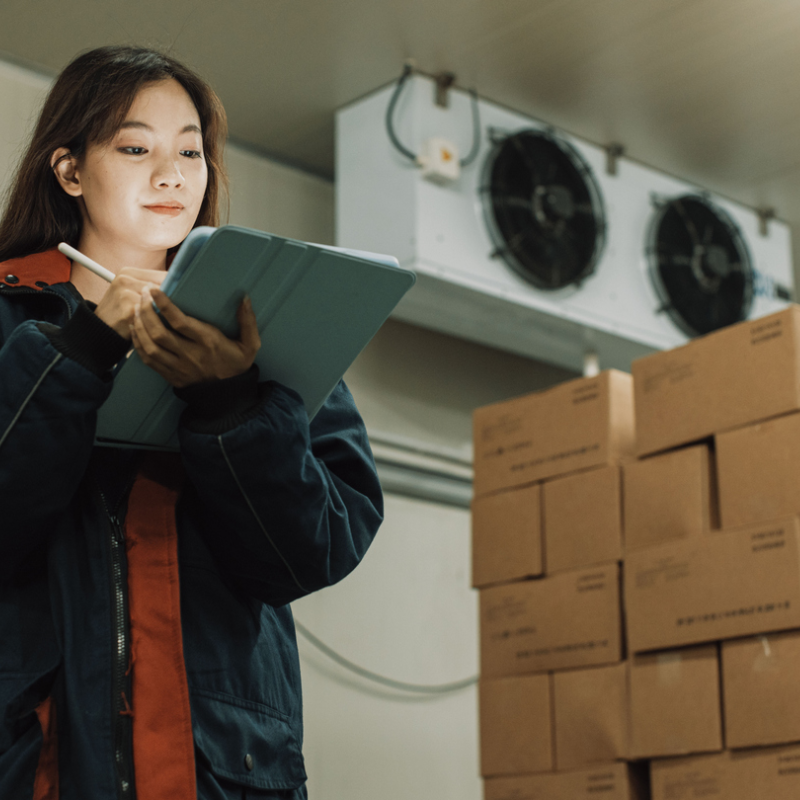
Cold chain logistics covers the storage, handling, and transportation of products that must stay within required temperature limits. Think of it as the entire process of keeping products at the right temperature.
For example, frozen foods may need temperature protection while sitting in a warehouse, being loaded onto a truck, traveling to a distributor, and waiting to be unloaded. A problem at any stage can damage the product or make it unsafe.
Cold chain logistics often involves refrigerated storage, specialized trailers, temperature monitoring, and clear handling procedures. Common products include frozen foods, dairy, meat, seafood, and certain fresh fruits and vegetables.
What is temperature-controlled shipping?
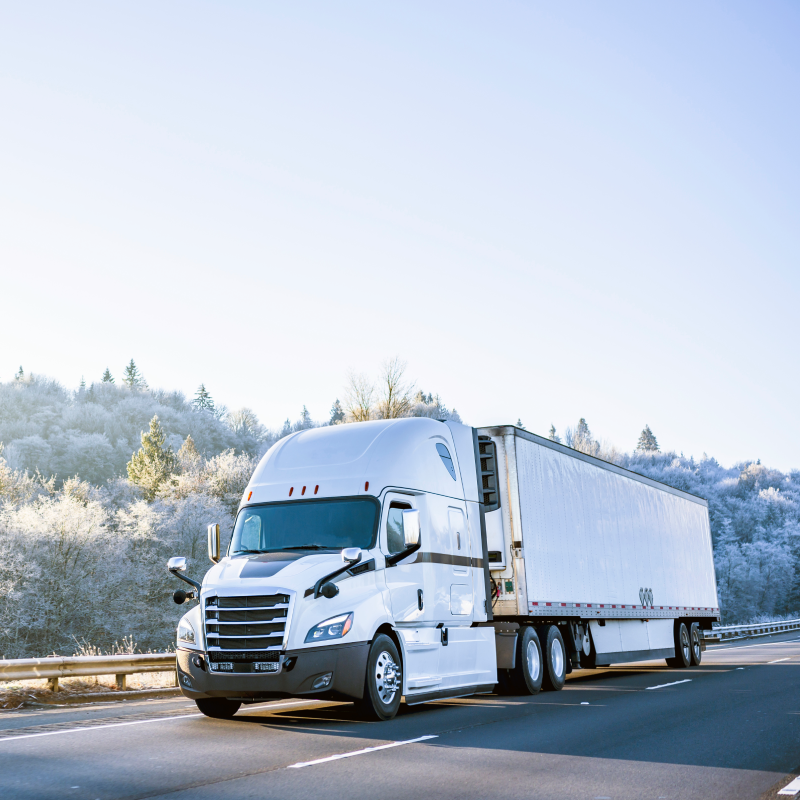
Temperature-controlled shipping focuses on maintaining the right temperature while products are in transit. Carriers may use refrigerated trailers, heated equipment, or other specialized transportation services.
For example, a dairy producer may need a refrigerated trailer to keep products within their required temperature range. A frozen food company may need equipment that maintains freezing conditions throughout the trip. Temperature-controlled shipping is often one part of a larger cold chain logistics program.
What does protect from freeze mean?
Protect-from-freeze services help prevent products from being damaged by freezing temperatures. Some products don't need refrigeration but can still freeze during winter shipping. Bottled beverages, sauces, syrups, and other liquids may fall into this category.
Carriers may use heated trailers, special handling, or other measures to reduce exposure to cold weather. Available services depend on the carrier and shipping lane.
Important: Protect-from-freeze service doesn't always provide continuous temperature control. Ask your carrier what protection is included and whether it meets your product's needs.
Comparing temperature-management approaches
Cold chain logistics covers the entire supply chain. Temperature-controlled shipping and protect-from-freeze services focus on specific transportation needs.
How to choose the right temperature protection
Start with your product's temperature requirements. Does it need refrigeration, or does it simply need protection from freezing? Next, consider the route and weather. A beverage shipment moving through northern states in January may face very different conditions than the same shipment in June.
Also think about transit time and possible delays. A shipment sitting at a terminal overnight may face more exposure than one moving directly to its destination. Finally, ask the carrier how it handles temperature problems. Find out whether monitoring is available and what happens if equipment fails.
The goal is to protect your product without paying for services it doesn't need.
Choosing the right service is only half the job. How you pack, palletize, and document each shipment decides whether it arrives intact.
How to prepare food and beverage shipments for transportation
Choosing the right shipping service is only part of the job. Your products also need packaging, pallets, and documents that support safe transportation. Good preparation can reduce damage, prevent delays, and help you avoid unexpected charges.
Choose packaging that protects your products
Use packaging designed for your product's size, weight, and handling needs. Glass bottles may need dividers and cushioning. Liquids need secure closures. Fragile products may need stronger cartons, while temperature-sensitive items may require insulation or special transportation.
Parcel shipments may pass through automated sorting equipment and several handling points. Packaging must protect products throughout that journey. Avoid oversized boxes when possible. Extra space can increase shipping costs and allow products to shift during transit.
Build stable pallets for LTL freight
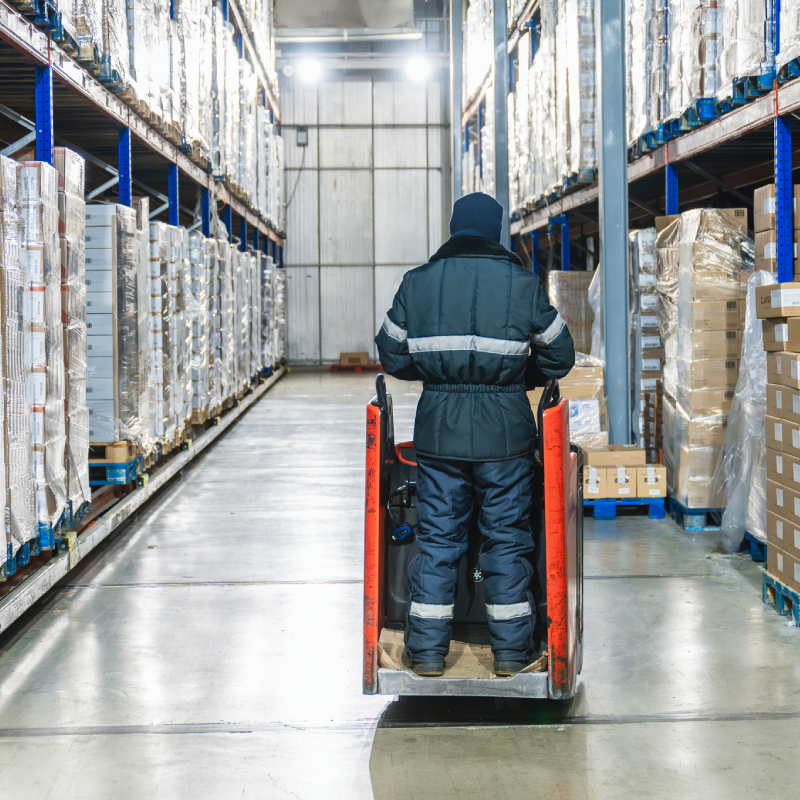
Pallets need to support the weight of your shipment and remain stable during handling. Start with pallets in good condition. Distribute weight evenly, stack cartons securely, and use enough wrapping to keep products in place.
Avoid boxes hanging over pallet edges. Overhang can increase the risk of damage when forklifts move shipments. A well-built pallet helps protect products and makes loading and unloading easier.
Prepare accurate shipping documents
Your bill of lading (BOL) tells the carrier what it's moving and where the shipment needs to go.
Include the correct weight, dimensions, freight class, piece count, and handling instructions. Also confirm delivery appointments, receiving hours, and any special customer requirements.
Missing or incorrect information can lead to delays, billing changes, or refused deliveries.
Understand food safety and transportation requirements
Food and beverage shipments may need to follow federal food safety rules. For example, the FDA's Sanitary Transportation of Human and Animal Food rule covers certain transportation activities involving food.
Where the rule applies, it includes requirements for clean and suitable equipment, safe handling, training, and recordkeeping. It also addresses temperature controls when they're needed for food safety.
Not every shipment is covered in the same way. Requirements depend on the product, transportation activity, and applicable exemptions. Review the rules that apply to your products and discuss responsibilities with your carriers.
Food and beverage pre-shipment checklist

Inspected pallets and secured cartons
The rate on the quote is rarely the rate on the invoice. Knowing what drives your costs is the first step to controlling them.
What determines food and beverage transportation costs?
Freight pricing can feel complicated, especially when the final invoice doesn't match the original quote. The good news is that many charges are easier to understand once you know what drives them.
Shipment weight, dimensions, and freight class
LTL freight carriers consider shipment weight, dimensions, and freight class when setting rates. Freight class helps carriers price different types of goods. It considers factors such as density, handling needs, and the risk of damage or loss.
Density measures how much a shipment weighs compared with the space it occupies. Some products are classified using density-based rules. Incorrect measurements or freight class can lead to higher charges after the carrier checks the shipment.
Parcel carriers use a different pricing method. They may charge based on DIM weight when a large box takes up more space than its actual weight suggests. In both cases, accurate measurements help you get more reliable quotes.
Shipping distance, capacity, and service requirements
Shipping distance affects freight rates, but it isn't the only factor. Carriers also consider the route, available equipment, and demand for transportation. During busy seasons, trucks may be harder to find. Rates can rise, especially for shipments that need special equipment or tight delivery schedules.
Accessorial charges and fuel surcharges
Accessorials are extra charges for services beyond standard pickup and delivery. Some are necessary, but others can be avoided with better planning.
Here are accessorials and when they may apply:
- Liftgate service: The location doesn't have a suitable loading dock
- Delivery appointment: The customer requires scheduled delivery
- Detention: Loading or unloading takes longer than allowed
- Limited-access delivery: The location needs special handling
- Reweigh or reclassification: Shipment details don't match the quote
- Redelivery: The first delivery attempt can't be completed
Fuel surcharges can also change your final bill. Carriers may calculate them differently, so two similar base rates can produce different totals. When comparing quotes, look at all expected charges rather than the base transportation rate alone.
Contract rates versus spot rates
Contract rates are negotiated for certain lanes, services, or periods. They can help businesses plan costs when they ship regularly. Spot rates apply to individual shipments and reflect current market conditions.
For example, a weekly shipment to the same distributor may be a good fit for contract pricing. A one-time order going to a new customer may be better suited to a spot quote. Many businesses use a mix of both.
The hidden costs of food and beverage shipping problems
Your freight invoice doesn't always show the full cost of a shipping problem. Imagine a pallet of beverages scheduled for delivery to a retailer's distribution center. The carrier misses its appointment, and the next available delivery time is the following day.
That delay may lead to redelivery fees, extra storage costs, or a shorter selling window. If the retailer refuses the shipment, the financial impact can be much greater.
Other costs may include damaged inventory, rush replacements, customer chargebacks, and time spent resolving problems. Some businesses also carry extra inventory because they can't rely on consistent deliveries. That ties up money and warehouse space. These costs can quickly outweigh a small difference between carrier quotes.
Your freight invoice shows what you paid to move product. It doesn’t show what a missed appointment or a spoiled load costs you.
8 ways to improve food and beverage logistics and reduce costs
Once you understand where your shipping costs come from, you can start making improvements. You don't need to change everything at once. Focus on the problems that cost the most money or create the greatest risk.
1. Analyze your shipping lanes and historical costs
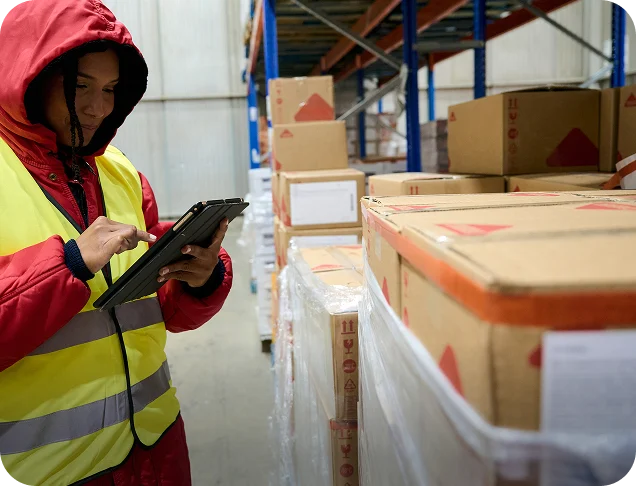
Review six to 12 months of shipment records. Look for routes with high costs, frequent delays, or repeated billing changes. Compare spending by carrier, shipment size, and destination. For example, regular shipments to the same distribution center may give you an opportunity to negotiate better rates.
2. Match transportation services to product requirements
Review whether your current shipping services provide the protection each product needs. A beverage company shipping during winter should identify routes where freezing temperatures could damage its products. Choose services that address those risks without adding protection that isn't necessary.
3. Compare carriers beyond their quoted rates
Review how carriers perform on your most important shipping lanes. A carrier with a slightly higher rate may provide better value if it meets delivery appointments and has fewer damage claims. Keep backup options available for important routes, especially during busy seasons.
4. Improve palletization and packaging
Use damage reports to find packaging problems. If glass containers often arrive broken, review carton strength, pallet stacking, and protective materials. Small changes can reduce product loss and prevent repeat claims.
5. Consolidate compatible shipments when practical
Combining orders going to the same destination may lower the cost per pallet. However, don't hold perishable products just to build a larger load. Only combine shipments when product needs, shelf life, and delivery schedules allow it.
6. Plan transportation around production and receiving schedules
Work with your production team to understand when orders will be ready. Then schedule pickups around those dates and your customers' receiving hours. During seasonal peaks, share expected shipping volumes with carriers early. This gives them more time to plan capacity.
7. Reduce avoidable accessorials and billing adjustments
Compare final invoices with original quotes. Look for repeated charges involving weight changes, incorrect freight class, or missed appointments. If the same problem keeps appearing, fix the process causing it. Correcting one shipping detail may prevent accessorial charges on future shipments.
8. Use shipping technology to simplify daily operations
Look for shipping tasks that take too much time. Employees may be entering the same information in several systems or checking multiple carrier websites for updates. Shipping technology can help reduce manual work and make information easier to find. That gives your team more time to focus on customers and solve problems when they happen.
You don’t need to fix everything at once. These eight changes target the problems that cost the most.
How to select the right food and beverage transportation partners
You can improve your internal shipping processes, but your carriers still play a major role in delivery performance. The right transportation partners should understand your products, serve your shipping lanes, and provide reliable service when demand changes. Price matters, but it's only one part of the decision.
Food and beverage carrier evaluation scorecard
For temperature-sensitive products, ask how the carrier maintains required temperatures and responds when problems occur. Also discuss peak-season plans early. A carrier that performs well during normal demand may struggle when shipping volume increases. Building relationships with more than one qualified provider can give your business options when capacity becomes tight.
You can’t improve what you don’t measure. A few numbers show whether your shipping strategy is working.
Food and beverage logistics KPIs every shipper should monitor
How do you know whether your shipping strategy is working? Start by tracking a few key performance indicators (KPIs). These numbers can show where you're spending too much, which carriers are performing well, and where products may be at risk.
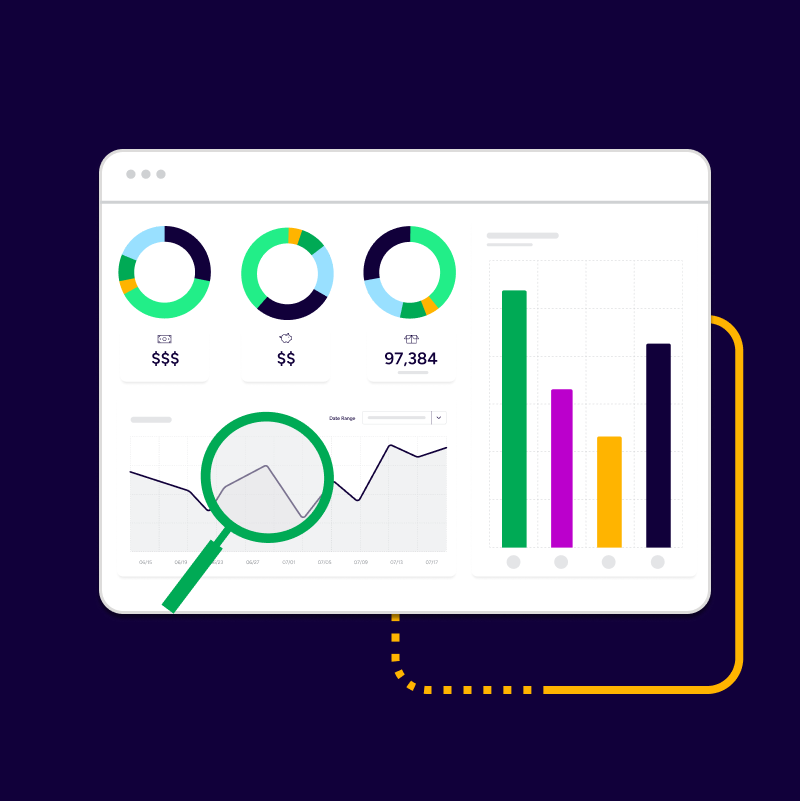
Review these numbers each month. Compare results by carrier, shipping lane, and shipment type. For example, a carrier may have low rates but frequent damage claims. Another may perform well most of the year but struggle during holiday peaks. These patterns can help you make better shipping decisions.
The right carriers are only part of the picture. Managing parcel and pallets across separate systems adds work, and gaps, to every shipment.
How shipping technology supports food and beverage logistics
Even with dependable carriers, shipping can become difficult when your team works across several systems. Food and beverage brands may send parcel orders to consumers, LTL pallets to distributors, and specialized freight to other customers. Managing those shipments through different tools can add work and make tracking harder.
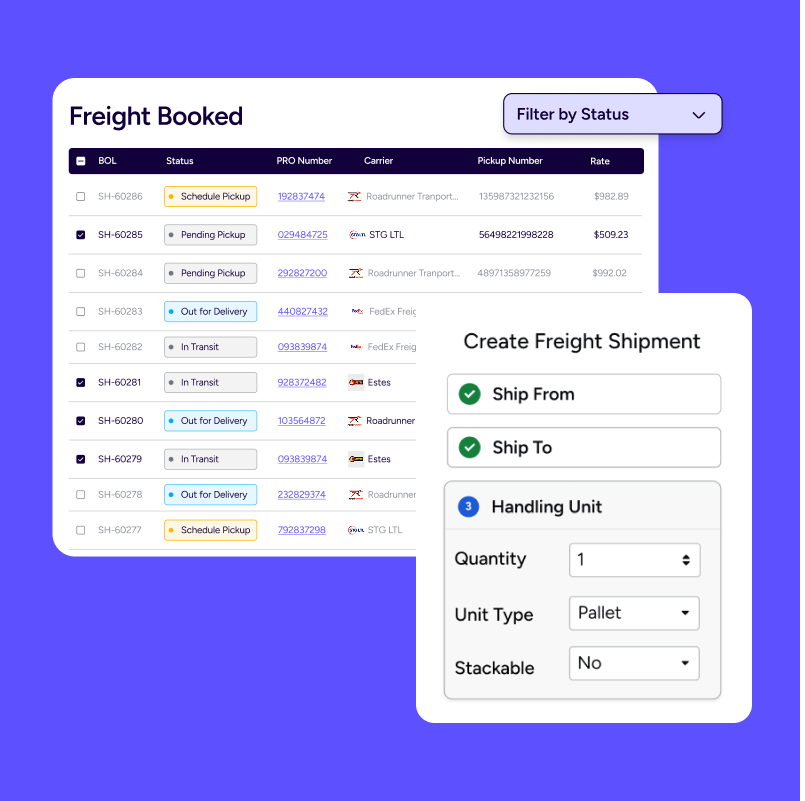
ShipStation helps bring eligible parcel and LTL shipping tasks together. The broader ShipStation Global family of brands can also help businesses with more complex freight needs.
Manage parcel and LTL shipping more efficiently
ShipStation lets businesses manage parcel and eligible LTL shipments through one platform. For LTL freight, you can compare available carriers, get quotes, book shipments, and track deliveries alongside your parcel orders. This is useful for food and beverage brands that serve both individual consumers and commercial customers.
Compare rates and simplify shipping tasks
ShipStation provides access to a wide range of parcel carriers and more than 50 LTL carriers, giving businesses more options when comparing shipping rates and services. You can also create shipping labels and freight documents, including bills of lading and pallet labels, for eligible shipments. Keeping these tasks in one workflow can save time and reduce the need to move between different systems.
Access specialized freight expertise when needed
Some shipments need services beyond standard parcel and dry LTL transportation. Refrigerated freight, freeze protection, and other special requirements may call for additional planning and equipment.
For these shipments, businesses should work with transportation providers that understand their products and handling requirements. Look for partners with experience in temperature-sensitive freight, access to suitable equipment, and the ability to coordinate deliveries around product needs. The right expertise can help reduce shipping risks and protect product quality throughout transportation.
Better food and beverage logistics doesn’t come from one big change. It comes from the next right decision, repeated.
Your food and beverage logistics improvement roadmap
You don't need a major overhaul to improve your shipping operation. Start with one problem, make a change, and measure the results before expanding your efforts.
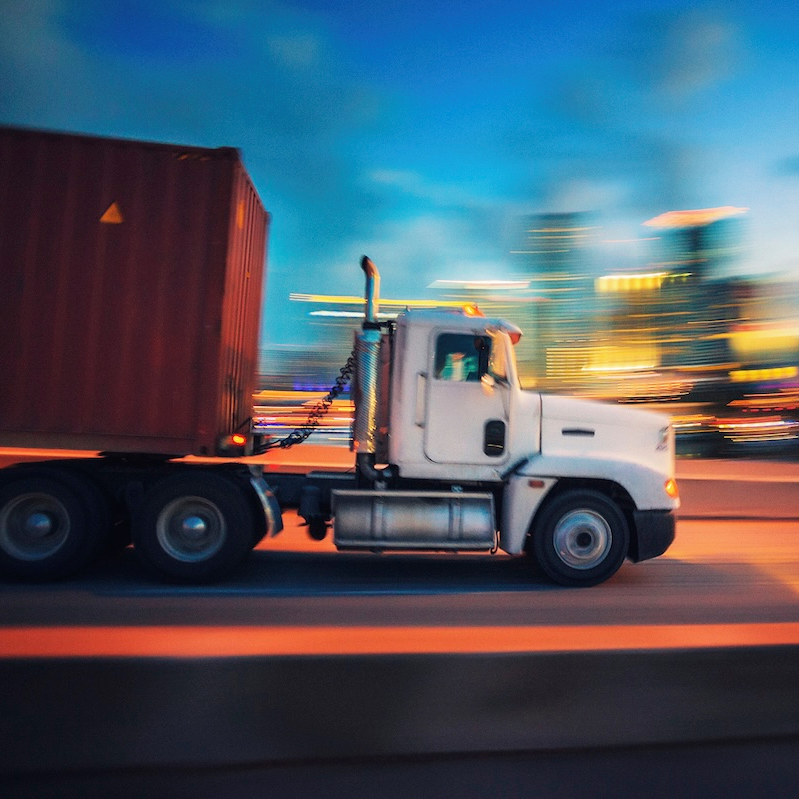
For one business, the first step may be fixing repeated freight-class charges. For another, it may mean reducing damaged shipments on an important retail route.
Focus on what matters most, then build on your results.
FAQs on food and beverage shipping
What are the biggest challenges in food and beverage logistics?
How can small food and beverage businesses reduce shipping costs?
Can food and beverage products ship through standard parcel carriers?
What should businesses consider when shipping food across state lines?
How far in advance should food and beverage freight be scheduled?
What should I do if a temperature-sensitive shipment is delayed?
When should a food and beverage company consider outsourcing transportation management?
Related Resources
Continue Reading
Food and Beverage Logistics: The Complete Guide to Shipping, Costs, and Product Protection
"*" indicates required fields