Back
Back





































 Shipping & Fulfillment


As ecommerce operations grow, order management becomes less about shipping labels and more about decision-making. What once worked for a handful of daily orders quickly breaks down when volume increases, channels multiply, and fulfillment locations expand. Orders arrive from multiple storefronts, inventory changes constantly, and ecommerce fulfillment decisions must be made quickly. Without the right systems in place, teams struggle to keep up and execute strategically.
This is where a well-designed order management system for ecommerce becomes essential. Your software should do more than collect orders. It should automatically route them, keep data in sync across systems, and support fulfillment from multiple locations without sacrificing visibility or control. The result isn’t just faster shipping, but a calmer, more predictable operation.
To get the most value from an order management system, focus on three core capabilities: automated routing, order syncing, and multichannel fulfillment. Together, these form the backbone of a scalable ecommerce operation.
Most fulfillment problems don’t start at the shipping label. They begin earlier, when decisions are made about how an order should be handled. Someone must decide where the order ships from, which carrier and service level to use, and how to provide tracking information to the customer. When teams make these decisions manually, the system slows down.
As volume increases, manual decisions create friction. Teams spend more time reviewing orders than shipping them. Errors become more common, especially under pressure. Customers feel the impact through late deliveries, incorrect tracking updates, and canceled orders. Over time, even small operational inefficiencies compound into missed SLAs and higher support costs.
An optimized ecommerce order management system removes guesswork by turning common decisions into predefined logic. Instead of asking a person to decide what to do, the system applies rules automatically. That shift—from manual judgment to automated consistency—is what enables sustainable growth.
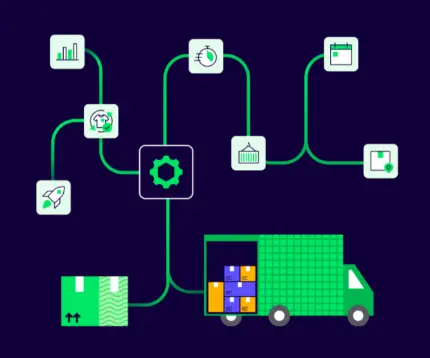
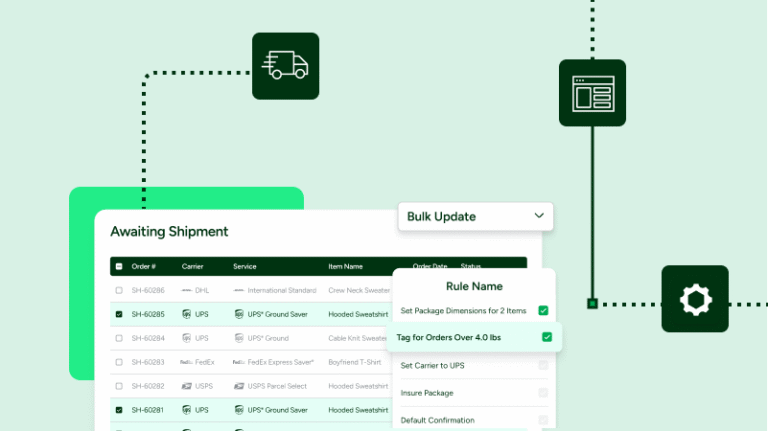
Automated routing is more than simply assigning a warehouse. Routing includes every operational decision that determines how an order moves through fulfillment. That can include selecting a ship-from location, choosing a carrier and service, applying holds for fraud or address issues, adding insurance or signature requirements, and preparing the order for batching or picking workflows.
Platforms like ShipStation achieve this through automation rules that trigger actions when orders meet specific criteria. Define your rules once, then let the system enforce them every time an order enters the workflow.
The most effective routing rules are not complicated. They are based on patterns that occur frequently. For example, destination-based routing can reduce costs by matching zones to the most efficient services. Service-level routing ensures that expedited orders always receive the correct delivery method. SKU-based rules help handle special items, such as oversized or regulated products, without manual checks. Value-based logic protects high-value shipments with added confirmation or insurance.
What matters most is timing. Automation should run as early as possible, ideally the moment an order is imported into the order management software or enters a shippable status. Early automation prevents rework and reduces the chance that someone overrides a decision before the system applies the rule.
Well-designed routing also follows a clear structure. Broad conditions, such as fraud or payment holds, come first. Location assignment follows. Service selection comes next. Finally, exceptions and enhancements are layered in. This order keeps the routing logic understandable and easier to maintain over time. When something goes wrong, teams can trace the decision path rather than guess.
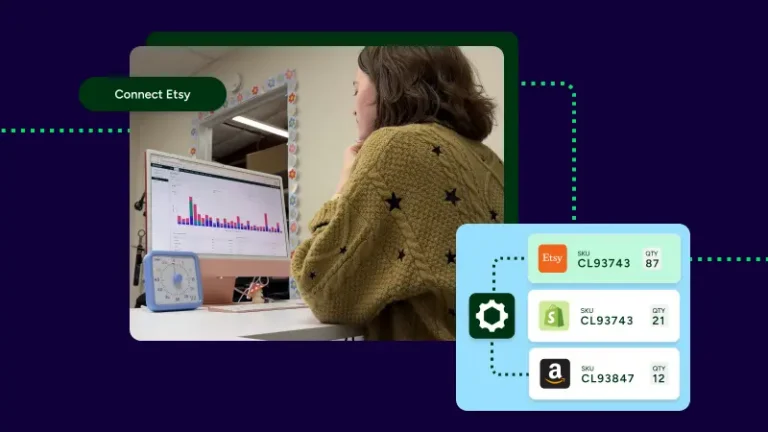
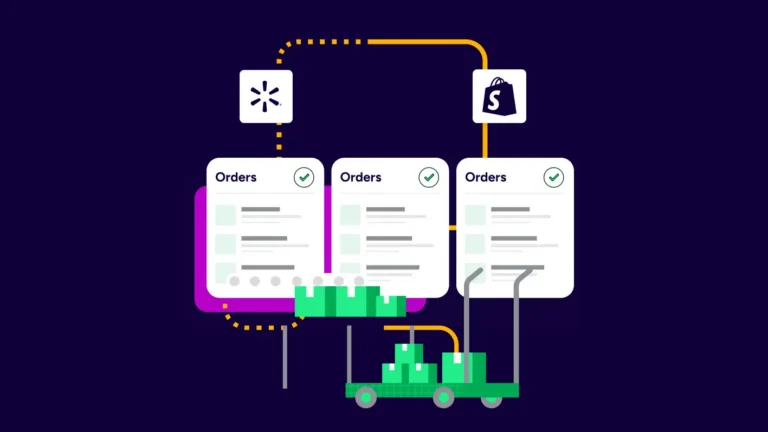
Routing only works when the underlying data is accurate. That makes order syncing just as important as automation. Syncing is not limited to importing orders from sales channels. It includes maintaining consistent order statuses, pushing tracking information back to online marketplaces, and ensuring inventory levels reflect reality.
ShipStation supports integrations with a wide range of marketplaces and ecommerce platforms, allowing orders to flow into a single operational view. This consolidation reduces blind spots, and teams no longer need to log into multiple dashboards to understand what’s shipping and what’s at risk.
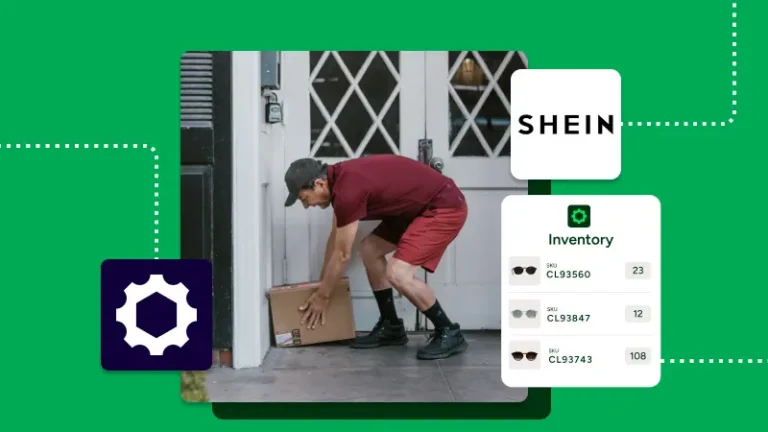
Inventory syncing deserves special attention. Overselling can cost you both money and reputation. Canceled orders lead to refunds, frustrated customers, and in some cases, marketplace penalties. ShipStation’s Inventory Sync feature is designed to reduce these risks by keeping stock levels aligned across channels. Even if a business uses another inventory system, the principle remains the same: inventory must have a single source of truth, and updates must occur frequently enough to keep pace with sales velocity.
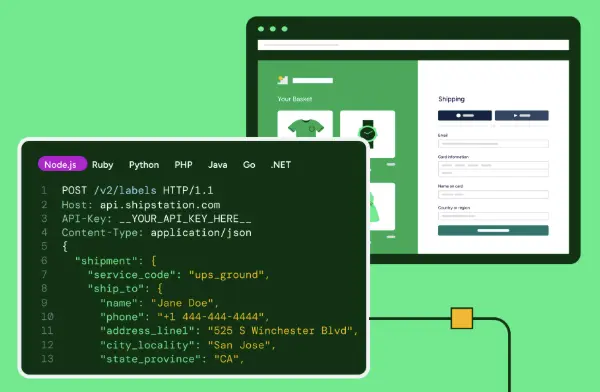
As systems mature, event-driven syncing becomes more valuable. Instead of repeatedly checking for updates, systems can respond instantly to changes via webhooks that notify external systems of key events. This allows customer support tools, ERPs, or analytics platforms to stay up to date without delay. While not every business needs this level of integration, it becomes increasingly important as order volume and system complexity grow.
Healthy syncing relies on discipline as much as technology. Order IDs must be consistent across systems. Status definitions should be standardized and understood by everyone involved. Teams should agree on where edits happen and how changes propagate. Regular reviews of canceled or exception orders often reveal sync gaps before they become systemic problems.
Multichannel fulfillment adds flexibility but also complexity. Orders may ship from warehouses, retail stores, drop-ship vendors, 3PLs, or other multichannel fulfillment solutions programs. The challenge is delivering a consistent experience regardless of where fulfillment happens.
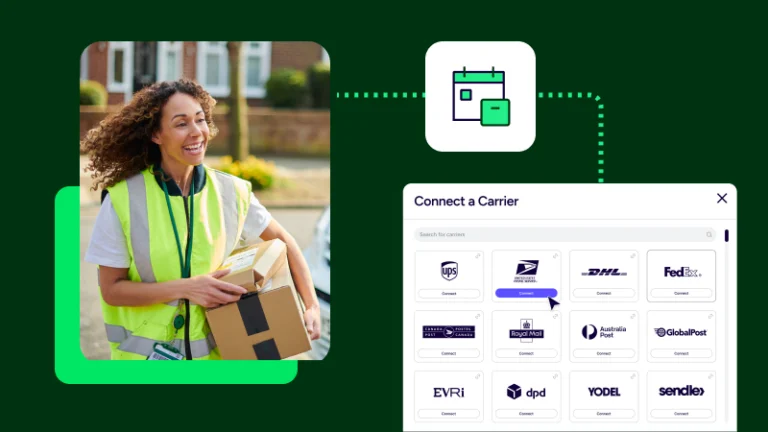
ShipStation supports multichannel fulfillment through integrations with 3PLs and programs like Amazon MCF. The value lies in maintaining a single operational flow, where the system routes orders to the correct fulfillment partner, shipment confirmations flow back automatically, and tracking updates reach customers without manual intervention.
When working with 3PLs, fragmentation is the biggest risk. If orders leave the system and are lost in another system, visibility suffers. Tools that treat 3PLs as extensions of ecommerce order processing help avoid this by maintaining shared status updates and standardized processes. ShipStation’s 3PL features emphasize this connection by enabling client stores, ship-from locations, and automated order handoff within the same platform.
Amazon MCF presents a similar challenge. Many brands want to leverage Amazon’s fulfillment network while continuing to sell on their own sites or other marketplaces. This only works when the OMS can manage the handoff cleanly and unify tracking and status updates across channels. Systems that support selective routing—sending only certain orders or SKUs to MCF—offer more control and reduce risk.
As ecommerce fulfillment strategies diversify, the breadth of integration becomes increasingly important. ShipStation highlights its extensive ecosystem of integrations to support this complexity. While the exact number matters less than the outcome, the underlying lesson is clear: multichannel fulfillment succeeds when systems are designed to connect, not silo.
Improving ecommerce order management doesn’t require a full rebuild. In most cases, incremental changes deliver meaningful results. The first step is understanding the current flow. Mapping how orders move from purchase to delivery often reveals where manual decisions and delays occur. These points become candidates for automation.
Next, implement a small, focused set of routing rules. Starting with location assignment and service selection often removes the most friction. From there, syncing fundamentals should be validated. Order imports, tracking updates, and inventory accuracy must work reliably before additional complexity is added.
Multichannel fulfillment should be introduced gradually. Piloting one fulfillment path at a time allows teams to measure performance and exception rates before expanding. Metrics such as order-to-label time, cancellation rate, and support contacts per order help quantify improvements and highlight remaining gaps.
An optimized order management system isn’t about speed alone. The best ecommerce order management software drives predictability. Automated routing reduces decision fatigue and errors. Order syncing keeps teams aligned and customers informed. Multichannel fulfillment adds resilience without sacrificing control.
That is the real goal of order management optimization—not just shipping more orders, but shipping them with confidence, consistency, and room to grow.
Get started with a free trial of ShipStation’s order fulfillment software for ecommerce to begin centralizing orders through integrations, applying automation to standardize decisions, keeping data in sync, and connecting fulfillment partners through structured workflows and APIs.