

































Centralize fulfillment with over 200 shipping integrations

Shipping integrations should simplify operations, not add complexity. ShipStation pulls orders from your stores and marketplaces, lets you rate shop, print labels in batches, and trigger automations—all in one dashboard. Connect carriers, channels, and key apps, then manage orders, automate decisions, track performance, and handle returns in one unified workflow.

All your shipping integrations, working together

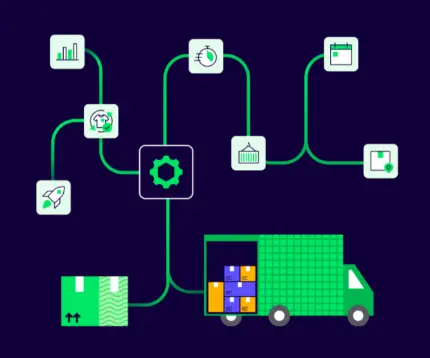
From order import to label creation, tracking, and returns, everything flows through one system. You get one place to manage orders, shop rates, automate decisions, and share clean shipping data with the rest of your stack, whether you’re shipping 50 orders a week or 15,000+ a day.

Fewer tabs, fewer mistakes

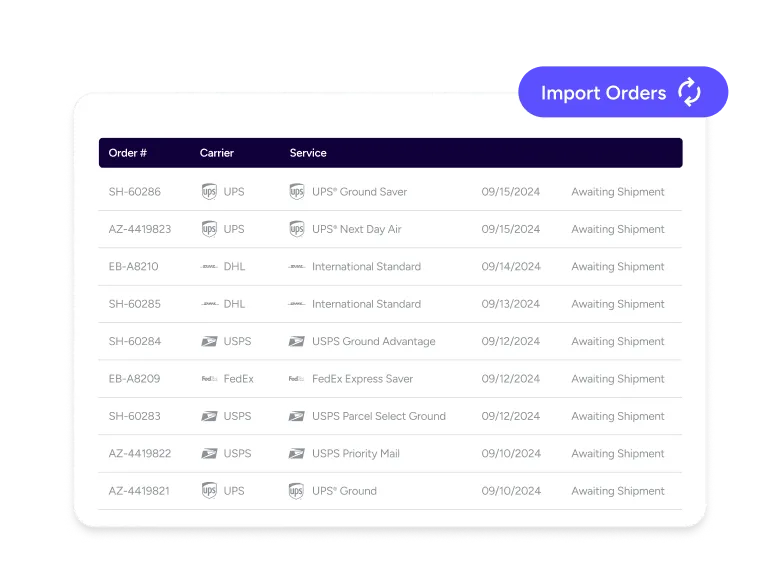
Stop copying addresses from a store into a carrier site. ShipStation centralizes orders into one standardized list, so your team works from the same truth. That helps reduce operational silos across tools and cuts the small errors that slow shipping. Built for real pick-pack-ship operations, not theoretical workflows.

Faster shipping without extra headcount

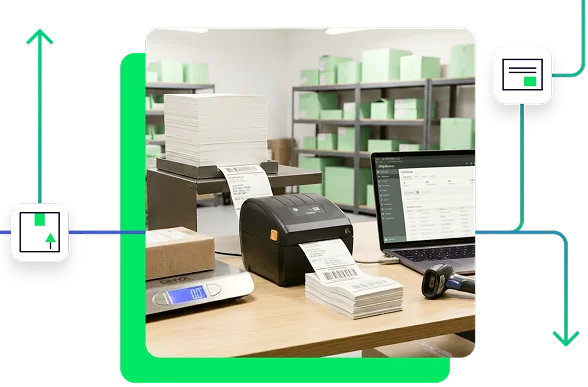
When volume spikes, clicks add up. ShipStation helps automate fulfillment with connected systems so labels, services, and package choices can apply the moment an order imports. Use batch label printing, scan-to-ship workflows, and automation rules to streamline fulfillment through integrations across your channels, your warehouse, and your carrier mix. Many merchants save an average of 10 hours per month on label printing alone.

A post-purchase experience that looks like your brand

Keep customers in the loop with branded tracking pages and notifications. Your logo shows up. Your message stays consistent. Better tracking also cuts “Where’s my order?” tickets, because customers can self-serve updates. Add a returns portal, too, so shoppers can start returns on their own while you keep control of the workflow.

Shipping software integrations explained

ShipStation is built to connect ecommerce platforms and carriers, then turn those connections into faster fulfillment. Import orders automatically, compare services across carriers, and push tracking back to where customers shop, all while you unify shipping and order data workflows.

Ecommerce platform shipping integrations

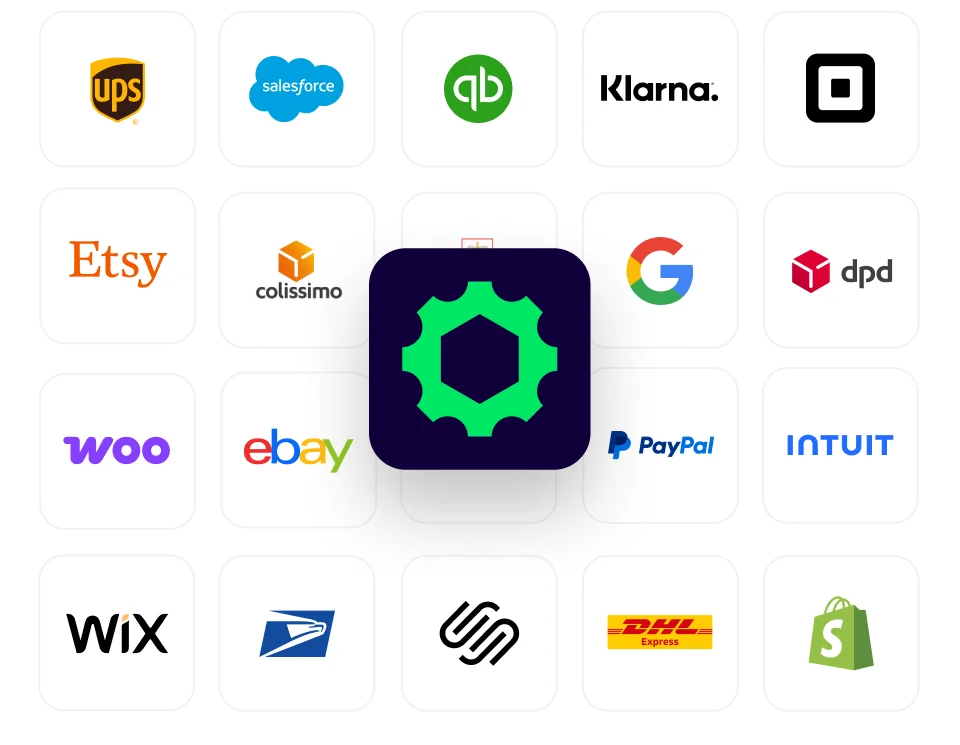
ShipStation supports 200+ store and marketplace integrations, giving you one of the broadest connection networks in shipping. Plug into the platforms you already sell on— including Shopify, BigCommerce, and WooCommerce— or explore the full directory.Orders flow into ShipStation automatically, no manual entry required. Multichannel syncing standardizes order details, tags, and statuses across every channel, so your team can follow one consistent shipping process—no matter where the order originated.

Marketplace integrations for order syncing

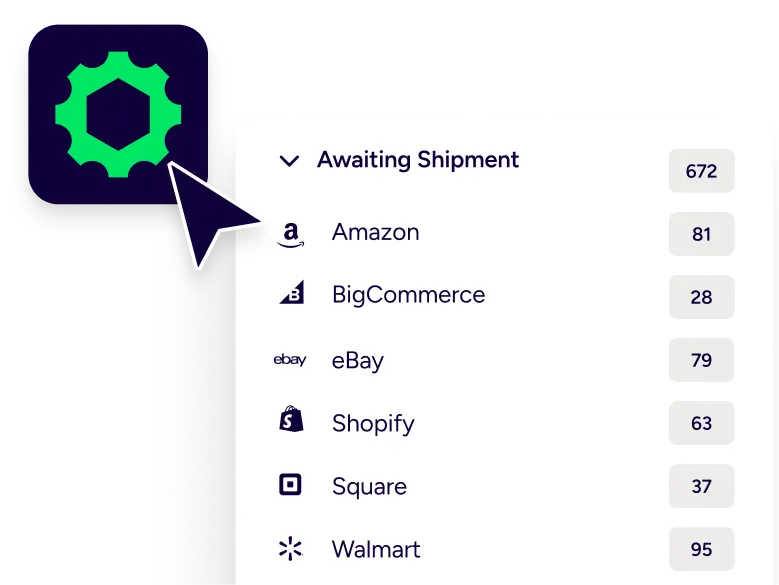
Marketplaces move fast. Your shipping has to keep up. With marketplace integrations for order syncing, ShipStation can auto-import orders from places like Amazon, eBay, Etsy, and Walmart, then push shipment updates back. This makes it easier to connect marketplaces to shipping platform workflows and keep SLAs on track. It also helps when you split shipments, route certain SKUs, or ship from multiple locations. Clean data in. Tracking out. Simple.

Carrier integrations for fulfillment automation

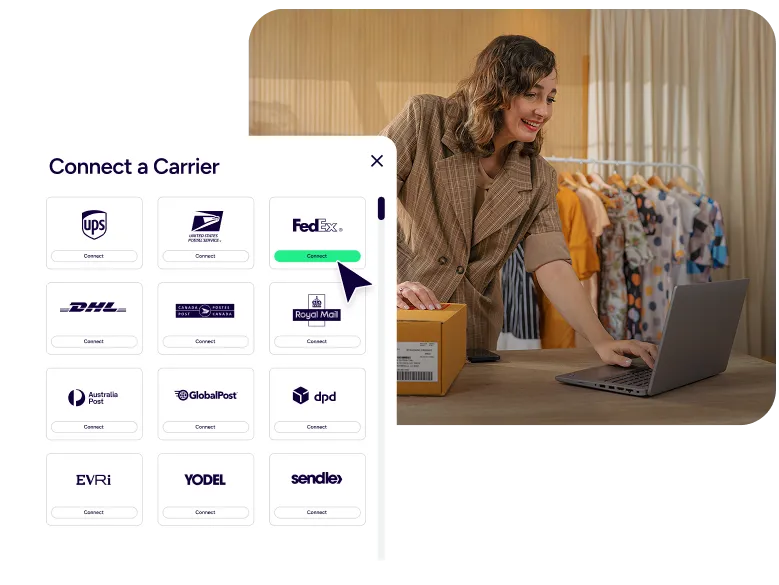
Access 200+ global carriers—4x more than Shippo, 13x more than Pirate Ship, and 3x more than Veeqo—so you’re never limited to a narrow rate mix. ShipStation connects you to major carriers like USPS, UPS, FedEx, and DHL Express, plus regional and international providers.Compare services side by side, use your own negotiated rates, or access ShipStation’s discounted options when they fit. Bring your existing accounts—including partners like eShipper—to support domestic and cross-border shipping without disrupting your workflow.

Centralize operations with connected tools

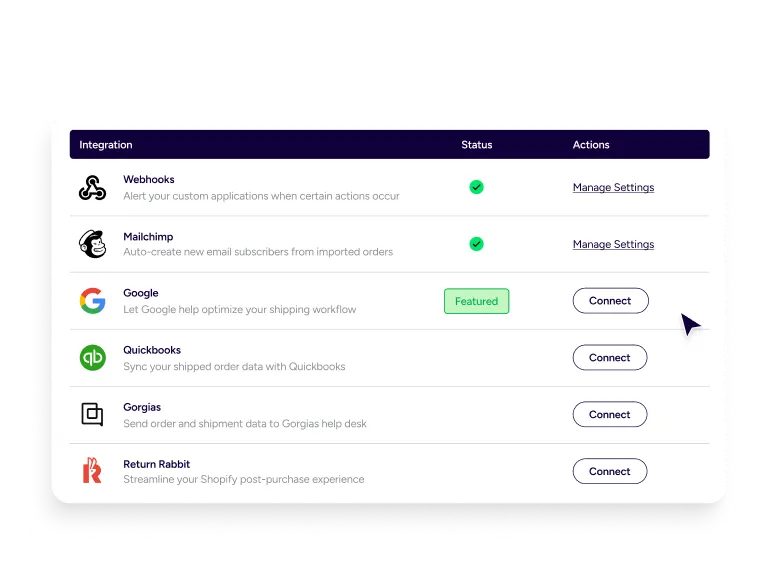
Integrations only matter if they reduce friction. ShipStation connects your ecosystem from order intake through delivery and returns. Built-in inventory tools reduce oversells and keep pick lists accurate. Branded tracking and notifications lower support tickets. A self-service returns portal streamlines exchanges and approvals, while analytics dashboards surface shipping costs and carrier performance trends. This is how integrations cut operational overhead — not add to it.

Shipping API integrations for scalability

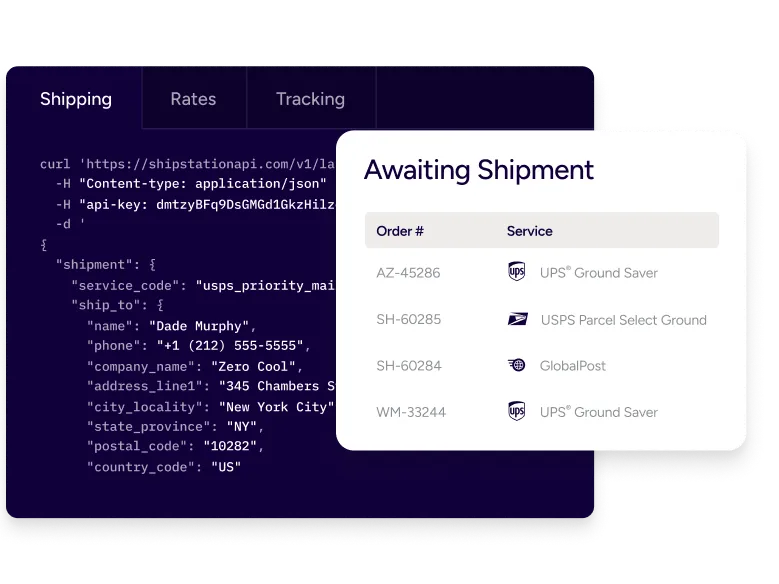
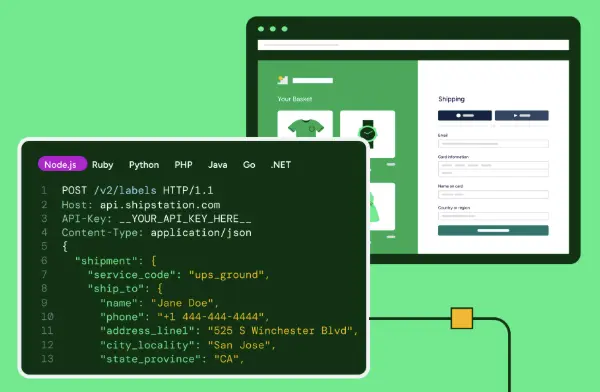
Some teams need out-of-the-box. Others need custom control. ShipStation’s APIs connect your ERP, WMS, and internal systems so your shipping logic stays consistent as you grow. Especially valuable for B2B, DTC, financial services fulfillment, and high-volume ecommerce operations, APIs let you pass shipment data to finance, trigger actions based on order tags, and extend automation across your stack—without breaking your workflow.

Integration flexibility for growing businesses

Growth introduces complexity. ShipStation keeps it manageable. As you add sales channels, fulfillment partners, or new carrier agreements, integrations plug into the same centralized system — not separate tools. Whether you’re expanding into 3PL support or connecting accounting platforms like Unify by Webgility, your shipping logic, reporting, and automation remain intact.

Shipping integrations FAQ

They eliminate copy-paste steps between sales channels and carrier sites. ShipStation pulls orders in automatically and standardizes fields, which helps avoid address errors. You also get rules to automate common shipping choices.
Yes. Many store connections are turnkey, so you can connect stores to shipping workflows in a few guided steps. Once connected, orders can auto-import, and you can set defaults for service, package type, and notifications.
It starts with one dashboard for orders, labels, and tracking, then adds automation and reporting as volume grows. For larger teams, it can extend into API connections and tighter controls. That supports an enterprise shipping integrations strategy without forcing an enterprise-only toolset on day one.
Yes. ShipStation supports bring-your-own-carrier connections, plus access to discounted rate options. That combination helps you compare services and choose what fits each shipment.
They do. ShipStation can send tracking back to your selling channels and power branded tracking pages and emails. You can also run a self-service returns portal that keeps customers informed and keeps your team in control.
ShipStation acts as the hub, so labels, costs, and tracking live in one place. That makes it easier to share clean shipment data with accounting, support, and ops tools. In other words, you can unify shipping and order data workflows instead of chasing reports in five systems.

One place for your business

Begin a free trial to see what’s possible with ShipStation.