Back
Back



































 Technology & Integrations
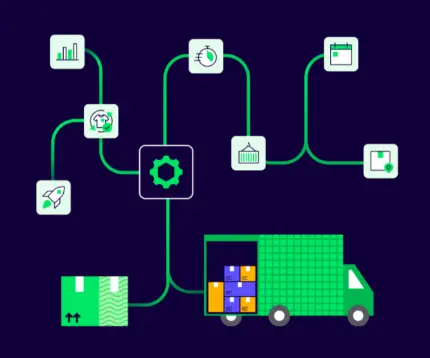
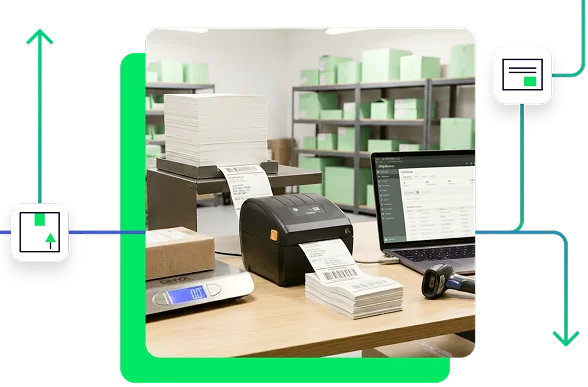



ShipStation vs Etsy shipping labels comes down to volume, control, and where you sell. If your Etsy shop ships a small number of Etsy orders from one store, Etsy shipping labels can work well. If you need to automatically import orders, compare shipping rates, batch print labels, or manage sellers shipping across channels, ShipStation gives you more room to grow.
Use Etsy shipping labels for simple, low-volume shipping. Use ShipStation when your workflow gets busy, your orders pile up, or you sell in more than one place. That’s the real split.
Etsy labels fit sellers who want to create a label inside their Etsy account and move on. It’s a clean option when one person handles every sold item, prints labels manually, and doesn’t need much automation.
ShipStation fits growth. You can pull Etsy orders into one dashboard, create labels faster, compare rates, and continue using the same system if you add Shopify, Amazon, eBay, or another store later. If you’re already thinking beyond one Etsy shop, that matters fast.
ShipStation connects directly to Etsy and automatically imports eligible Etsy orders. That means you don’t need to retype buyer details, item data, or shipment info for every order. Less copy-paste. Fewer mistakes.
Once the integration is live, new Etsy orders can flow into ShipStation so you can review, print, and ship from one queue. For many sellers, that’s the first big win. It cuts manual work and gives you one place to access orders, labels, tracking, and store settings.
A few details are key:
Etsy shipping labels make sense when your process is small, steady, and mostly manual. If you ship a few orders each week, sell only on Etsy, and don’t need advanced rules, Etsy can be enough.
This setup often works well for makers, part-time sellers, and new shops. You list an item, make a sale, buy a label, and mark it shipped in one place. If you offer free shipping on some items, keeping everything inside Etsy may also feel easier because you can watch each order closely.
Etsy labels may be the better fit when you:
If that sounds like your business today, there’s no need to force more software into the mix.
ShipStation makes more sense when shipping starts eating your day. If you ship often, sell across channels, or want fewer clicks between order import and label creation, ShipStation can save serious time.
ShipStation is for sellers who don’t want to process every order manually forever. You can batch printing for large runs, set automation rules, and manage multiple stores from one login. That matters when Etsy is only one part of your business.
ShipStation is usually the stronger choice when you want to:
If your order count jumps during holidays or promo days, those gains add up fast.
The best tool is not always the one with the cheapest single label. The better question is how often you ship, which service you use, and how much time you lose managing rates. Time is part of cost.
Etsy labels can work fine if you mainly buy one kind of postage, like Priority Mail, and rarely compare options. But if you want to shop rates across UPS®, USPS®, FedEx®, and DHL Express, ShipStation gives you more control in one screen. You can also connect your own accounts and keep negotiated rates.
That matters for sellers who:
If you also sell outside Etsy, rate shopping becomes even more useful because the same workflow can cover every store.
For Etsy orders, Etsy now handles customer shipment delivery notifications. If you ship an Etsy order through ShipStation, Etsy sends the buyer email updates, not ShipStation.
ShipStation still plays a key role. After you create the label, ShipStation sends shipment data back to Etsy, including shipped status, carrier, and tracking number. Etsy uses that data to update the order and notify the buyer. So the customer shipment delivery flow stays tied to Etsy, even when a third party shipping platform helps you create the label.
This setup is useful because you can:
One note: service details are not sent back the same way tracking number and carrier are.
Growing Etsy shops usually outgrow label printing before they outgrow selling. First comes more volume. Then more items. Then more channels. Soon one person can’t keep every order, label, export task, and tracking update straight without help.
That’s where ShipStation can pull ahead. You can connect multiple selling channels, add automation, and keep shipping from turning into an all-day job. If you expand into your own site, start wholesale, or add marketplace sales, you won’t need a brand-new shipping setup.
Common growth signals include:
At that stage, using a ShipStation third party workflow often feels less like extra software and more like needed structure.
A few edge cases can change your choice fast. They’re easy to miss until they create extra work.
If your Etsy shop has returns, Etsy return information can import into ShipStation once a return label has been created in Etsy. Those returns import in Completed status. If you expected ShipStation to fully own that return flow from the start, that detail matters.
If you run more than one Etsy store, ShipStation can help keep them together. If you create some orders by hand, ShipStation also supports orders entered manually. That can help when you take a phone order, sell an item in person, or need to create an order for a repeat buyer outside Etsy.
Keep these limits and use cases in mind:
Pick the tool that matches today’s complexity, then make sure it still works when order volume climbs. That’s the cleanest way to decide.
Choose Etsy labels if your workflow is simple, your volume is low, and you want everything inside your Etsy account. Choose ShipStation if you want automatically import, batch printing, better rate comparison, and a path that supports growth without more manual steps.
A simple rule helps:
The right answer is less about hype and more about daily shipping friction.
ShipStation vs Etsy shipping labels is really a choice between simple and scalable. Etsy works well for lighter volume and one-store workflows. ShipStation fits sellers who need faster label creation, stronger rate control, and one place to manage growing Etsy orders. If your shop is expanding, start a free trial and see how much faster shipping can feel.