 Back
Back







































Fulfillment Guide
The Peak Season Playbook
A guide to preparing for, executing, and learning from your biggest shipping season

What merchants need to know about peak season
Peak season is a design problem, not a calendar problem. Handling surge volume well requires making deliberate decisions about your operations months before the pressure hits.
Most merchants know it’s coming and still start too late. The merchants who start preparing earlier aren’t just less stressed—they’re better prepared with infrastructure that’s been stress-tested in advance.
Peak season is the year. 25% of merchants say peak season accounts for more than 40% of their annual revenue. The operation that runs peak largely determines the profitability.
The most common peak tactics don’t solve the underlying problem. Building inventory and hiring seasonal staff help at the margins, but don’t address the systems that determine whether volume moves or stacks.
Peak season isn’t over when the orders stop shipping. Leveraging the data generated on carrier performance, automation gaps, and customer behavior requires treating post-peak as its own phase rather than a recovery period.
INTRODUCTION
The difference between surviving and winning the peak season
Here's something worth sitting with: most ecommerce businesses spend the majority of peak season managing chaos and very little time getting ahead of it. The businesses that turn peak season shipping into their biggest revenue opportunity have that equation flipped.
Getting peak season right isn't a competitive advantage anymore. It's a baseline requirement.
Getting peak season right isn't a competitive advantage anymore. It's a baseline requirement.
Peak season stress is a design consequence, not an inevitable outcome. Businesses that handle surge order volume well aren't necessarily bigger, better-staffed, or more experienced. They made deliberate decisions about their fulfillment and shipping operations before the surge arrived. Decisions that looked optional in September became essential in November.
High-volume season is the most revealing test your ecommerce business faces.
It exposes every inefficiency you've tolerated, every manual process you haven't automated, every carrier relationship you haven't built, and every return workflow you've been meaning to set up.
When merchants were asked what they're most worried about heading into peak season, shipping capacity and delays topped the list.
Which of the following are you most concerned with heading into the peak season?
Check all that apply.
ShipStation's 2026 Merchant Insights Report
It also creates the clearest opportunity to build or optimize—because every big selling season generates data that reveals where your operation held firm, where it cracked, and what your customers did when something went wrong. That data, if you use it, makes every future peak better.
This guide is organized around that cycle. The Before section focuses on creating or improving the infrastructure that determines how well your operation handles volume. The During section covers executing under pressure. The After section centers on the post-purchase experience, returns period, and the intelligence it generates. Each phase informs the next.
Most businesses don't run this cycle deliberately. They prepare reactively, grind through it, and recover rather than analyze. The next year's preparation starts late because the previous year's insights were never captured. And then they do it again.
With the right strategy, peak season is something you've planned for and navigate with confidence.
BEFORE THE SURGE
Build it before you need it
Peak season preparation is the highest-leverage work you'll do all year. A strong ecommerce peak season strategy is made in the 60–90 days before you face. Build or refine your operational foundation, and peak season shipping runs on the systems you already established.
Skip this stage, and peak season becomes a very expensive lesson. This section highlights the five most important shipping preparations any ecommerce operation can make. They're the ones that show up most clearly in the gap between fulfillment that stays ahead of demand and fulfillment that struggles.

BEFORE THE SURGE
Know the timing of your actual peak season
The most common mistake in peak season planning is preparing for the wrong peak.
Most ecommerce operators have internalized Q4—Black Friday, Cyber Monday, the holiday countdown—as "peak season." And for many businesses, that's accurate. But it's not universal.
Spring peaks are just as real as holiday ones—and the businesses that handle them best treat them with the same level of advance preparation.
For a gardening brand, the surge hits in March and April. For a florist or wedding supplier, it's May through September. For a chocolatier, there are five distinct peaks in a calendar year: Valentine's Day, Easter, Mother's Day, Halloween, and the winter holidays. Each creates its own high-volume window with its own operational challenges.

"If you don't have the right system in place, a seasonal business like mine can fall behind very quickly during the busiest part of the year."
Then there's the peak that doesn't follow any calendar at all:
These peaks arrive without warning. Being ready for them calls for an operation that can absorb volume spikes at any time, not just during the windows you've anticipated.
The first step is to analyze data and gather insights that your assumptions may have overlooked. Pull two or three years of order data. Map your volume by week. Identify the spikes, not just the sustained peaks. Note the categories driving them. Are those spikes growing? Are new ones forming?
Design your preparation around three disruption categories that every peak-season fulfillment operation encounters:

Operational breakdowns
Carrier delays, weather events, warehouse capacity constraints, system outages, and off-schedule pickups. These are foreseeable, even when the specific timing isn't.
Visibility problems
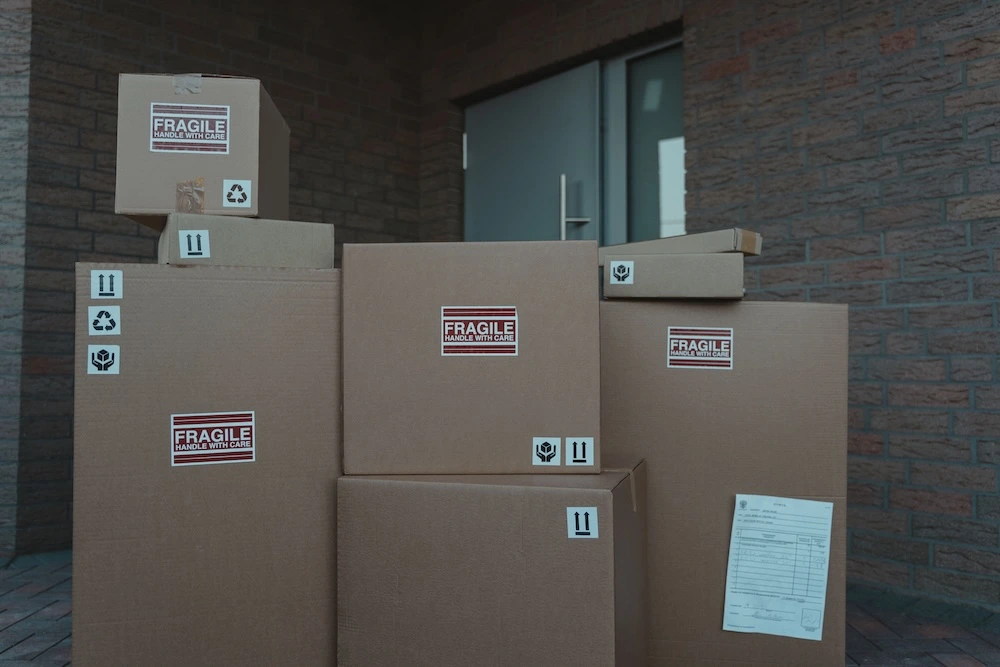
Packages that left the warehouse but can't be tracked, misrouted shipments, customs holds, wrong-address corrections, and orders stuck in carrier limbo with no update. These often feel invisible until a customer complaint surfaces them.
External shocks
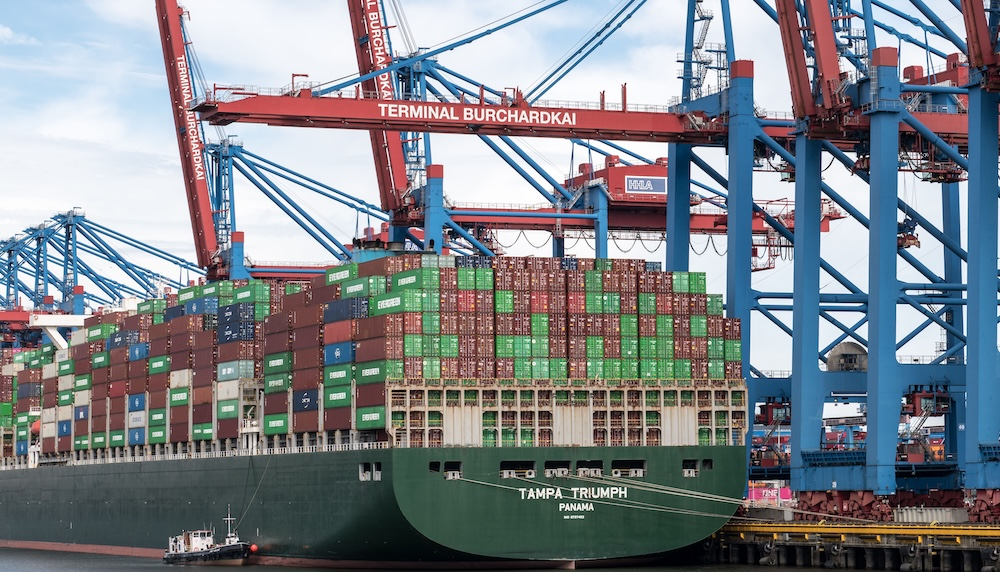
Tariffs, regulatory shifts, geopolitical disruptions, sudden carrier policy changes, or surcharges. You can't predict the specific event, but you can build contingency into your planning.
Mapping your peak profile and then adapting operations for these three categories turns fulfillment from reactive to proactive. The seasonal calendar is a starting point. Your actual peak calendar—and your disruption preparedness plan—is most important.
Both of these help at the margins, but neither addresses the underlying problem in the system.
The bottom line
Businesses blindsided by peak season often prepare for the wrong thing. They build inventory for November when their actual surge arrives in March. They plan for sustained volume when a single viral day drives the spike. They prepare for the peak they expect—and miss the one that arrives.
Pull two to three years of order data and map volume by week. The real pattern will tell you more than assumptions or industry calendars. You’ll uncover reactive spikes, identify the categories driving them, and spot new patterns. Build your operation around that profile, not the industry calendar.
Then prepare for operational breakdowns, visibility issues customers uncover first, and external shocks you can’t predict but can plan around.
Build preparation around your actual peak calendar and you stop reacting to the season and take control of it.
BEFORE THE SURGE
Stock up before demand outpaces your product inventory and shipping supplies
The most common peak-season tactic is also the one most likely to backfire without the right systems in place. Building inventory in advance is how a majority of merchants prepare for peak, which is the right instinct. But inventory you can't accurately track, sync across channels, or reorder at the right time creates its own surge problems.
The most common peak-season tactic is also the one most likely to backfire without the right systems in place. Building inventory in advance is how a majority of merchants prepare for peak, which is the right instinct. But inventory you can't accurately track, sync across channels, or reorder at the right time creates its own surge problems.
From hiring staff to negotiating carrier rates, merchants are pulling every lever they can, but building inventory tops them all.
How will your business handle increased peak season orders?
Check all that apply.
ShipStation's 2026 Merchant Insights Report
Overselling is the most visible failure mode. When inventory counts don't sync across channels in real time, you can sell products on your website that have already been committed to your Amazon or Etsy store. The customer places the order, you can't fulfill it, and you're left with a support ticket, a refund, and a negative review where a sale used to be.
Scaling Without Breaking
Demand forecasting is the other half of the equation. The same order data analysis you used to map your peak timing tells you which SKUs drive peak volume, how quickly they move, and how much lead time your suppliers need. That's what sets your reorder points—before the buying window opens, not after stockouts start.
A few inventory practices worth locking in before peak:
Product inventory is only part of the equation. The materials you use to fulfill it need the same preparation.
Shipping supplies—boxes, mailers, packing materials, labels—deplete at the same rate as your orders. Running out of boxes stops fulfillment just as completely as running out of product, and the fulfillment stack supply problem is one of the most preventable mid-surge disruptions.
At peak volume, a month's supply can disappear in a week. Build a buffer on materials the same way you build one on SKUs.
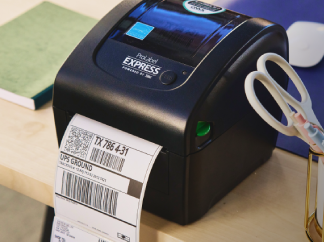
Finally, the stock you build before peak is only as valuable as your ability to manage and sync inventory, track it accurately, and deploy it without overselling.
The bottom line
Building inventory is the right move. But inventory without accurate tracking and real-time channel sync creates a different kind of problem.
Get your position right, your reorder points calibrated to peak velocity, and your channel sync running reliably before the buying window opens. The goal is to have the right product available at the right time—without selling what you don't have—and having the boxes, labels, and other shipping supplies you need to keep fulfilling orders.
Accurate counts, synced channels, calibrated reorder points, and stocked fulfillment materials support the infrastructure that determines whether your inventory investment translates into fulfilled orders or missed sales.
BEFORE THE SURGE
Expand your carrier network before capacity tightens
Most ecommerce businesses start with one carrier, which is practical. Setting up multiple carrier accounts before you have the volume to justify more carriers isn't an obvious priority. But the moment you actually need carrier flexibility, it's already become an issue.
Single-carrier dependency creates blind spots that drain profits and damage customer trust, precisely when reliability matters most. During high-volume periods, carriers hit capacity limits, pickup schedules compress, and service levels loosen. If you're committed to one carrier, you're subject to their capacity decisions, not your own.
Carrier strategy isn't just about having backup options. There's another layer that most sellers overlook: different carriers outperform in different geographies. Regional carriers often handle dense metropolitan corridors well. Larger nationals usually deliver more reliably in rural and low-density areas. International routes have their own carrier performance patterns by destination country. Building rules that route based on geography—not just cost—means each route is handled by your best-performing carrier.
International routes deserve their own carrier strategy. Carriers that perform reliably for domestic ground shipments may not be the right choice for cross-border volume, and the complexity compounds during peak when customs processing times lengthen.
Build international carrier accounts separately, establish which carriers perform best by destination region, and automate customs documentation—commercial invoices, harmonized tariff codes, declared values—so international orders clear with the same speed as domestic ones. Tariffs and import costs rank as the third-biggest peak concern among merchants heading into 2026.
Rules, Not Repetition
For businesses with meaningful cross-border volume, having a clear international carrier and compliance strategy in place before the surge is no longer optional.
The goal is a carrier mix of at least two to three providers, each with accounts set up, tested, and connected to your fulfillment system. This isn't about splitting volume evenly. It's about having multi-carrier shipping options when your primary carrier has delays, rate increases, or capacity constraints.
Multi-carrier rate shopping—comparing live rates across all connected carriers when each order is imported—turns carrier diversity into an ongoing cost-optimization opportunity.

Instead of manually checking carrier portals, multi-carrier rate shopping automatically evaluates all available options and recommends the cheapest, fastest, or best-value option based on your rules. Your team sees the optimal shipping options pre-selected, so all they have to do is review and print labels. The selection logic is consistent, and the savings are continuous. Merchants using rate shopping have increased shipment volume by more than 4.5x while maintaining efficient carrier selection.
The bottom line
Build geography into your carrier strategy rather than treating it as a fallback. Use route-based rules to assign regional carriers to urban corridors, national carriers to rural zones, and dedicated accounts to international shipments. Each shipment moves through the carrier that performs best on that route. At peak, that can mean the difference between consistent delivery and reacting to growing problem zones.
Rate shopping compounds that value. Once you connect two or three carriers, it makes carrier diversity operationally automatic. The system evaluates available options and selects the best carrier based on your criteria. Your team doesn’t have to make that decision manually as volume climbs. You capture savings, strengthen coverage, and reduce the vulnerabilities of relying on a single carrier.
BEFORE THE SURGE
Use shipping automation to handle the decisions that repeat thousands of times
Every ecommerce operation has a ceiling on manual throughput. Most don't discover that ceiling until it's the worst time to discover it.
The ceiling isn't about your team's capability. It's about the nature of manual work itself.
The hours consumed by manual work multiply fast, especially at 3–5x normal daily volume. Orders stack, the queue deepens, and errors appear. Your team is no longer doing fulfillment—they're managing a backlog.
The first instinct of most merchants when orders stack up is to add people to the problem.
Staffing is a mainstream peak tactic, but it only works if the fulfillment system scales. That's where automation comes in. Shipping automation doesn't eliminate your team from the process. It removes the repetitive decisions, so your team can focus on orders that genuinely require judgment, intervention, or customer contact. That's a more meaningful use of your team's time, and it's the only model that lets volume grow without a proportional increase in headcount. Fulfillment scales without breaking, and your team manages the exceptions.

"What used to take around 3–7 minutes per shipment now takes closer to 15–20 seconds."
The key is building your rules as early as possible. Start with the highest-frequency decision points, then address your biggest pain points with automation.
Some of the most common rules to include:
If you're selling across multiple channels, such as direct-to-consumer, Amazon, Etsy, and social commerce, orders from all of them flow into a single queue, with consistent automation rules applied. No logging into each platform separately or manual data transfer.

"There was one period where, over 30 days, we processed 25,000 orders. If we were still handwriting labels, we would have needed at least 20 people."
Something important to note: the temptation during peak is to override automation when things get busy and handle orders manually. That's backward. Manual handling during busy seasons creates errors, backlogs, and customer failures. Every decision automation makes consistently is one that a team member can't make inconsistently when three hours into a long shift.
The bottom line
The rules you build before peak help you survive as volume grows. Every automated decision removes another choice your team would otherwise make.
A carrier selection rule that saves 30 seconds per order saves 50 hours across 6,000 weekly orders. Address validation can prevent the customer service ticket, reshipment cost, and potential lost customer that follow. Automation increases throughput and eliminates errors manual processes create.
When volume surges, teams often feel tempted to override the system and handle more decisions manually. That instinct gets the process backward. You built those rules when you had time to analyze options and make deliberate decisions. A team member deep into a demanding peak shift doesn’t have that advantage.
Trust the rules you built before the volume arrived, and reserve your team’s judgment for exceptions that require it.
BEFORE THE SURGE
Bring your freight workflow into the same system as your parcel
When merchants describe their shipping operation, they almost always mean parcel— daily label generation, carrier pickups, and boxes moving out the door. But 78% of merchants already ship freight (ShipStation’s 2026 Merchant Insights Report). They just don't think of it that way.
Freight tends to enter the picture quietly. A supplier ships a pallet. A wholesale account places an order that doesn't make sense to break into individual parcels. A customer buys enough heavy items that routing them through standard carriers costs more than putting them on a truck. Less-than-truckload (LTL) freight—shipments too large for parcel but not large enough to warrant a dedicated truck—is already embedded in how most ecommerce operations work. It just isn't treated as part of the shipping stack.
Most merchants are managing parcel and freight across two disconnected platforms.
That gap becomes a real liability when volume spikes. For most businesses, freight runs through an entirely separate channel: a broker relationship, a 3PL portal, a series of phone calls. There's no shared visibility with the parcel platform. Two sets of tracking. Two invoices. Two places to look when a shipment goes missing. Both modes work better when they're not running in separate lanes.
The specific risk heading into peak: your inventory build—the restocking orders, supplier shipments, and pallets you pre-positioned months out—all moves on freight. If it's running through a disconnected system, you genuinely don't know when those shipments will arrive or whether they'll land before you need them.
The 2026 Merchant Insights Report
It's also worth reviewing whether some of your customer orders belong on freight rather than parcel—the crossover happens more often than most merchants realize. Once a shipment crosses roughly 150 pounds, or when a single order includes several heavy boxes, LTL is often the cheaper option and lowers the risk of damage during handling. That math is worth running before peak, and worth checking again at peak when a large bulk or wholesale order comes in.
Unifying parcel and freight onto a single platform before the season starts means one dashboard, one place to compare rates, and one source of tracking for everything in motion.
When you're operating at full capacity, the cost of a visibility gap—time spent tracking down shipments, reconciling two sets of invoices, managing exceptions across two systems—is much higher than it looks when things are quiet.
The bottom line
Most merchants are already running freight but haven't integrated it into their shipping operation. Supplier shipments, pallet restocks, large wholesale orders are processed through a broker relationship or a series of phone calls with no connection to their parcel platform. Two systems, two tracking sources, two invoices, no shared visibility.
That's manageable most of the year. At peak, when you're restocking inventory and fulfilling large outbound orders simultaneously, it's a genuine risk.
BEFORE THE SURGE
Get your ecommerce returns management in place before the wave arrives
Every year, retailers and ecommerce brands brace for what comes after peak season. Holiday returns flood warehouses, and margins shrink. A returns system that was "good enough" during normal volume becomes inadequate at three to five times the usual rate. And your team, which just survived November and December, has to absorb January, too.
Most businesses make the mistake of setting up returns handling just as returns are already arriving. At that point, you're not preparing for the wave—you're already in it.
Returns after peak season aren't a wind-down activity. They create a second surge. Build the infrastructure before the buying rush, so it's running reliably by the time the returns stack up.
The case is operational, but it's also about retention.
The customers returning items after peak season are, in many cases, your highest-value acquisition window. Customers include new buyers, gift recipients, and holiday shoppers who may have discovered your brand for the first time. Their return experience determines whether they come back.

"ShipStation's returns portal has the look and feel of top online stores. It's easy to set up and provides your customers with a top-notch experience."
Here's what peak-ready returns management looks like:
None of this is complicated to implement, but it's all painful to set up a month after peak.
The bottom line
Making the sale is the easy part. How you handle the return, exchange, and resolution defines whether a holiday shopper becomes a repeat customer or disappears. Customers who return something in January aren’t lost. They’re still engaged and waiting to see how you respond. Too many brands treat the return as a transaction to close rather than a relationship to continue.
If you add friction, you risk losing customers already on their way back. Brands that make returns fast and easy—and offer a clear path to an exchange—can turn returners into long-term loyalists.
Build your returns management system before the buying window opens. Complex workflows take time to set up, test, and refine. Build them now, while you have time to get them right, and January can become a retention opportunity instead of a recovery operation.
BEFORE THE SURGE
Plan for what goes wrong
Peak season planning that only accounts for things running smoothly isn't actual planning. Things will go wrong: carriers experience delays, weather disrupts shipping lanes, inventory counts are inaccurate, or a supplier ships late.
To keep operating at a high level during the busiest shipping periods of the year, businesses need to think through failure scenarios well in advance and decide how to handle each one before the pressure mounts.

Develop an exception playbook that answers core questions for each likely failure scenario:
Tag-based routing in your automation system is a practical tool for the exception playbook. Pre-configure tags before peak for the scenarios you expect, so your team doesn't have to debate options. The rule executes automatically and reliably.
Insurance thresholds are another decision worth making in advance. Determine which order values, product categories, or destination types warrant transit protection before the surge, then automate it.
The 2026 Merchant Insights Report
Your exception playbook should also clarify decision authority. Empowering frontline staff to apply pre-determined responses—switching to a backup carrier, sending a delay notification, or approving a replacement shipment—is one of the biggest drivers of future efficiency you can install before peak.
Walk your team through the playbook before the season. Make sure everyone knows what triggers what, who acts, and what customer communication applies.
Rehearsed disruption scenarios perform better during them because the decision framework is internalized.
The bottom line
No playbook predicts every situation, but every scenario you think through in advance is one less crisis to navigate in real time.
The work starts before the season. Write the playbook, configure tags, set insurance thresholds, and walk your team through scenarios while you have time to refine responses. Decisions that feel optional in September become essential in November. Every unresolved decision becomes a problem your team must solve under pressure while orders stack up.
Decision authority matters as much as the playbook. If every exception requires manager approval, response speed depends on manager availability. Give frontline staff authority to execute pre-built responses, and they can act at the speed the situation demands. Grant that authority before peak, not during a disruption.
It's not about avoiding problems. It's about responding quickly, communicating early, and being transparent.
DURING THE SURGE
Stay ahead of the chaos
Everything in the Before section centered around building or revamping your infrastructure before the pressure arrives. Now is when the investments you made get tested.
Peak season isn't won or lost on the busiest day of the year. It's won or lost in the weeks or months leading up to it. That said, execution under surge volume is its own discipline. Your team needs to know how to use the system you've created when the strain is real and the margin for error is thin.
Monitoring the right signals, proactively communicating with customers, and trusting your system are habits that determine whether your pre-season preparation pays off.
DURING THE SURGE
Monitor before you react
The instinct during peak is to move fast, tackle problems as they appear, and deal with the consequences when things settle down. But remember: peak season problems don't announce themselves loudly. They emerge gradually in data—a carrier's on-time performance ticking down, an error rate creeping up, or an order queue lengthening.
By the time a problem is visible to customers, it usually presents itself in your operational data hours or days earlier.
You have to pay close attention to the data, make sense of the numbers, and monitor it in real time. That lets you react and respond before the problem escalates or a customer feels it.

Here's what to watch during peak:
All of that visibility depends on having the data in one place. When carrier performance, queue status, error rates, and fulfillment analytics live in separate systems, monitoring becomes its own manual task—and the signals you need to catch early get buried in the noise.
A centralized intelligence layer that surfaces these metrics in real time, across all your channels and carriers, turns monitoring from an intention into a practice. The goal is a single view of what's happening operationally right now, so your team spends time responding to signals rather than hunting for them.
How 4 Customers Nailed Spring Peak Season Shipping
The goal is to catch a 2% drop in carrier on-time performance before it turns into a 12% decline and an influx of customer complaints. Your carrier performance data, exception analytics, and queue metrics all fluctuate before the customer experience does. Create the habit of looking at those metrics first.
When you spot a signal, execute your prepared response:
Visibility without a response plan is just stress. Monitoring becomes useful when it feeds into actions you've already decided on.
The bottom line
Peak season doesn't give you time to discover problems and then figure out what to do about them. Peak season rewards operations that treat monitoring as a discipline—not a reaction.
Watch your key performance signals in real time, know what changes should trigger action, and have a response plan ready before volume surges and problems become customer-facing. The earlier you spot a shift in carrier performance, fulfillment capacity, errors, or inventory, the more options you have to correct it without disrupting the customer experience.
DURING THE SURGE
Keep customers informed before they have to ask
One of the most predictable patterns in peak season operations is that customer communication gets deprioritized exactly when it matters most. Orders come in fast, and teams focus on getting packages out the door. The assumption is that if orders are shipping, customers are satisfied.
But they're usually not.
Most customers don't demand lightning-fast delivery. Instead, they want to trust that the package will arrive. Certainty, not speed, drives greater satisfaction. When a package is running late, and a customer finds out from their own tracking rather than from you, the damage is disproportionate.
A package that arrives a day late after proactive communication is a small inconvenience. A package that arrives two days late with no communication is a brand experience failure. Same outcome, entirely different customer response.
The solution is to have automated those communications before the peak arrived that run without requiring your team's attention:
When a milestone is reached—package picked up, label created, delivery exception identified—the customer automatically receives the communication.
Your team only handles situations that automation can't resolve: the customer whose package is genuinely lost, the gift that must arrive by a specific date, or the international order held at customs.
Two categories of communication deserve particular attention during peak:
The volume of 'Where is my order?' (WISMO) tickets a business receives is a reflection of how well its post-purchase communication is working—or isn't.
If you prevent WISMO contacts by keeping customers informed before they have to ask, you've also freed your support team to focus on the situations that actually require human judgment.
The bottom line
Communication isn't separate from fulfillment—it's part of the holistic experience.
During peak, automate the routine updates customers need most, from shipment confirmations to delay alerts, so they always know what to expect without adding work for your team. Proactive communication turns potential frustration into confidence, while freeing your support team to focus on the exceptions that genuinely need human attention.
And don't overlook your newly-acquired customers. Peak season is your highest-volume acquisition period, and for someone buying from you for the first time, the shipping and delivery experience is your brand. A branded tracking page, timely delivery confirmation, and post-delivery check-in gives them confidence to come back.
DURING THE SURGE
When things break, execute the plan
Things will go wrong during peak. That's not pessimistic—it's an operational expectation. The question is whether your team is positioned to respond without losing momentum.
In the Before section, you built the exception playbook. This is where that playbook gets used.
The most important principle during a disruption is that the decision should already be made.
Your team shouldn't be evaluating options or seeking approvals when volume is running high and a carrier is down. They should be executing a response that was designed with time to think it through.

When one carrier has an issue during peak, you have a backup that is already configured and ready to activate without manual intervention. Pre-built automation rules for carrier selection mean you pivot without burning team hours. And because you've built geography-specific routing in advance, the rules based on zip codes route shipments to the best-performing backup for that region, rather than to a generic second carrier.
Rules, Not Repetition
This is where clear decision authority at the operational level kicks in. When a carrier pickup doesn't happen, who makes the call to shift volume? When a customer escalation doesn't fit the standard resolution, who can authorize a different response? When an order type needs a new or updated automation rule, who has immediate access to make the change?
If all of these decisions require manager involvement, your throughput during a disruption is limited by your manager's availability. The pre-built playbook, pre-configured tags and automation rules, and pre-established authority to act all pay off here.
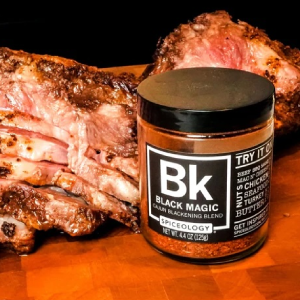
"During our peak holiday Black Friday sale, we could be shipping three times our normal daily volume. So, three times the output of a normal period. ShipStation's able to help us meet that demand with no issues."
Beyond disruptions, the same principle applies to your daily surge management. Your order management queue during peak should feature a prioritization system. Use tags, filters, and stores to surface orders that need attention first: time-sensitive commitments, high-value orders, expedited shipments with same-day cutoffs. When your queue is organized by priority rather than arrival order, your team's judgment goes where it matters most.
The operations that scale most efficiently through peak have shifted volume growth from the labor side to the systems side. When automation rules handle carrier selection, batch processing runs labels in bulk, and orders route automatically to the correct fulfillment path, your team's capacity is no longer the ceiling on throughput. Fulfillment scales, and your team manages the exceptions.
The bottom line
Peak season disruptions are inevitable, but scrambling to decide what to do doesn't have to be.
Build the playbook, configure the automation, and establish decision-making authority before peak, so your team can execute when something breaks rather than stop to figure out a response. When routine decisions and high-volume workflows are handled by systems, your team can focus its time and judgment on the exceptions that actually require it.
AFTER THE SURGE
Mine the data, capture the lessons
Peak season is over. Revenue is up. Your team is exhausted. But the work isn't done. Most businesses close out the season, let the team recover, and move on. The insights from peak expire quietly, and next year's preparation starts from scratch.
The returns wave is coming, typically peaking two to four weeks after the buying surge ends. And everything that just happened—carrier performance, automation behavior, team bottlenecks, and customer feedback—generated a dataset that will quickly lose its value if you don't act on it.
The weeks after peak season are some of the most valuable in your ecommerce calendar. They're your opportunity to manage the next operational surge while the lessons from the first one are still fresh.
Most businesses don't treat them that way. The instinct is to decompress and put the season behind you. But with every passing week, the context that makes the data useful—what happened, why it happened, who made which call—starts to fade.

AFTER THE SURGE
Treat returns like another wave
Every year, retailers and ecommerce brands brace for the January reckoning, when holiday returns flood warehouses, margins shrink, and balance sheets take a hit. This isn't a wind-down. It's a second operational surge with many of the same volume pressures as peak season.
The good news: if you built the infrastructure described in the Before section, the returns run on those systems. A self-service portal handles intake, RMA automation tracks every return from initiation through disposition, and exchange-first flow captures revenue that might otherwise be lost. Your team manages just the exceptions that the platform can't resolve.
Now your team must manage the physical reality of returns processing. Inspecting items for damage, grading quality, restocking, and disposing of unsellable inventory require human judgment that automation can't replace. Good warehouse management means having a dedicated returns zone, clear quality-grading criteria, and creating rapid disposition workflows so items don't sit unprocessed in a growing pile.

"We can pull in the returns and do exchanges directly through our return portal. And it's not manual, it just happens."
One nuance worth acknowledging: a small percentage of post-peak returns will be fraudulent, including wardrobing, missing-item claims, and switch fraud. Customer-level return policies configured earlier allow you to flag unusual patterns without penalizing legitimate customers. Behavior-based rules can protect your margins while keeping the experience frictionless for the overwhelming majority who are returning honestly.
The customers managing returns right now made up a significant portion of your peak revenue. How you handle this experience can determine whether a holiday purchase becomes a one-time transaction or the beginning of a longer customer relationship.
The bottom line
The end of peak season isn't the end of the volume. It’s the start of the returns period. Done well, it protects margins and turns a post-purchase problem into another opportunity to retain customers.
Treat the returns period as its own operational priority, staff the physical processing zone, run the disposition workflows, and let the automation handle the intake and tracking. Your team's attention goes where it matters: the exceptions that need judgment, and the customers who need a human response.
Best-in-class brands process them fast, convert the most exchanges, and leave customers with a reason to come back.
AFTER THE SURGE
Recover revenue with exchanges
A return is one of the highest-stakes moments in the customer relationship. The product wasn't right, so the customer is already uncertain. What happens next can determine whether that uncertainty resolves in your brand's favor or pushes the customer away.
There's an important opportunity here: a return doesn't have to end the relationship. When the process is fast, easy, and clearly focused on resolving the customer's problem, a difficult experience becomes an opportunity to build trust.
The return gives you a chance to show customers how your brand responds when something doesn't go as planned.

The default resolution in most ecommerce operations is a refund: process the return, issue the credit, and close the transaction. An exchange keeps the relationship going. The customer gets what they actually need (a different size, color, or product) while your brand remains part of the solution.

"We have been able to convert refunds into exchanges. Trying to keep that money back in the business has been really important. ShipStation has really enabled us to keep the money in Guardian."
When exchanges are designed to be the easiest path, customers are more likely to choose them because they solve the problem without requiring a completely new purchase.
Compelling customers to make exchanges starts with a few simple principles:
Economics compounds beyond the individual transaction. A customer who successfully exchanges an item has another opportunity to experience your product and brand. A customer who receives a refund may never have another reason to return. Every peak-season return is therefore more than a cost to process. It’s a chance to recover revenue and strengthen the customer relationship.
The bottom line
A return doesn't have to end the customer relationship. Make exchanges faster, easier, and more compelling than starting over with a refund, and you can recover revenue while giving customers a better resolution. Every well-handled return can solve the customer's problem and give them another reason to choose your brand.
Every peak-season return is therefore more than a cost to process. It’s a chance to recover revenue and strengthen the customer relationship.
AFTER THE SURGE
Analyze what just happened
Peak season generates more operational data than almost any other period of the year. It's the most concentrated test of your systems, carrier relationships, workflows, and decisions. The challenge is turning that data into useful changes while the context is still fresh.
Coming out of peak, don't just ask, "How did we do?" Ask specific operational questions that point to what needs to change before the next surge:
The important part is doing the analysis while the operational context is still fresh. Don't wait until next year's planning cycle to look back at what happened. Run the analysis now, connect the data to the events that produced it, and turn those lessons into specific changes for the next peak.

"Being able to see actual cost data by service level, analyze surcharge impact, and compare shipping costs across our box sizes gave us real leverage in contract negotiations."
The window for learning from peak is short. Use it before the details—and the opportunity to improve—fade.
The bottom line
Peak season reveals what worked, what broke, and what needs to change. Don't wait for a formal planning cycle to act. If a carrier underperformed in a specific zone, update the routing rules now. If your team spent hours on a manual exception, build the automation rule before next season. If exchange conversion fell short, change the portal flow while customer behavior is still fresh in your team's memory.
Analysis only matters if it produces changes, and changes made early hold up better than those made later. The faster you turn peak-season data into action, the easier the next peak becomes.
The businesses that improve from peak to peak connect findings to the decisions that produced them and make targeted changes before the next cycle begins. That discipline, repeated annually, is how a difficult peak season becomes a manageable one.
AFTER THE SURGE
Start the next cycle now
Each phase of peak season produces inputs that improve the next phase. The decisions you make in preparation determine the quality of your execution during the surge. Execution quality determines what happens to your customers—and, therefore, what data you have on what worked and what didn't. That data feeds your preparation for the next peak. The loop compounds and ensures you consistently reap the rewards of the busy season.
The window to start the next cycle is right now—in the weeks immediately after peak, while the operational experience is top of mind, the data is current, and the team can articulate specifically what they'd do differently. This is the time to capture the exception playbook updates, automation improvements, carrier relationship conversations, and returns process refinements revealed by the season.
Start with automation rules. Most operations build carrier selection and rate shopping first, since those touch every order from day one—then layer in rules to eliminate repeated manual clicks, address specific product categories, and handle exceptions. Build one or two, confirm they're working, then add more. Rules you build now will be fully tested and running reliably when the next peak arrives.
Scaling Without Breaking
The time to negotiate volume commitments is now. Carriers are coming off their own peak and assessing next year's capacity plans. You have leverage before everyone else is competing for it. The contract relationship that earns you priority capacity next November starts with a conversation today.
Review the exchange conversion data and identify the friction points. Customer expectations around post-purchase experience keep rising—fixing it during the off-season is far better than discovering the problem in January.
Peak season doesn't have to be the hardest part of your year. With the right preparation, it's proof that your operation is working.
The bottom line
The off-season isn't downtime. It's the highest-leverage window you have. It's the only time you can make changes to your fulfillment systems, carrier relationships, and returns infrastructure without the risk of breaking something while orders are moving. Use it deliberately. The teams that treat the weeks after peak as recovery time start the next cycle from the same place they started this one.
Every improvement you make now runs through an entire off-season before peak arrives again. Automation rules get tested and refined. Carrier relationships get negotiated from a position of data, not urgency. Returns flows get iterated until the exchange conversion moves. That's the compounding effect of treating peak season as a cycle rather than an event, and it starts with the decisions you make in the next few weeks.
Conclusion
Peak season ecommerce is a design problem, and you have the blueprint
The best peak seasons are built in the off-season
Peak season doesn't create problems in your ecommerce operation. It reveals them—faster, louder, and more expensively than normal volume ever does.
The operations that survive peak are the ones that implemented the right infrastructure before it arrived, extracted the intelligence it generated, and fed it back into the next preparation cycle. Not once, but every year.
How 4 Customers Nailed Spring Peak Season Shipping
The Before section is where the critical decisions are made: carrier relationships, freight workflows, automation rules, returns infrastructure, and exception planning.
The During section is where those decisions get tested, and where the ability to monitor, communicate, and respond without improvising separates prepared operations from reactive ones.
The After section is where the revenue opportunity of the post-peak period is captured or lost, and where the intelligence that determines how well your next peak goes either gets extracted or fades.
The most important thing to take from this guide isn't any single tactic. It's the shift from treating peak season as an event to treating it as a cycle. Events happen to you. Cycles are designed.
This year's peak is already in motion. Start building for it.
What it takes to be ready
Related Resources
Rules, Not Repetition
11 order fulfillment automation rules every high-volume shop should use to ship easier, faster, and cheaper.
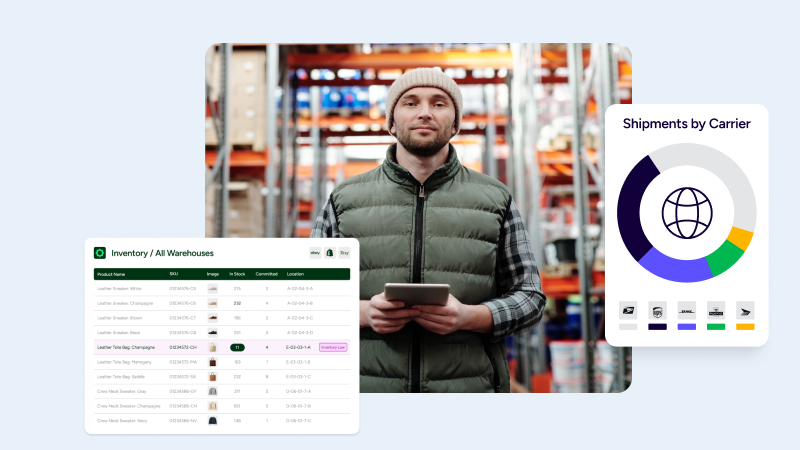
Scaling Without Breaking
How to solve the biggest shipping and fulfillment problems every growing business faces.

How 4 Customers Nailed Spring Peak
Four customers, four pressure points—and one pattern behind how they all held up.
ShipStation’s 2026 Merchant Insights Report
What merchants told us about where freight fragments from parcel, and the second workflow that never caught up.

5 Ecommerce Delivery Myths Busted by Experts
Debunking some of the most stubborn delivery myths via unfiltered, data-backed debate.

Automation in Action
Inside the automation and smart workflows real brands use to reduce labor costs, minimize errors, and grow with confidence.
Continue Reading
The Peak Season Playbook
"*" indicates required fields