Back
Back




































 Shipping & Fulfillment



A customer opens your returns page. The jacket didn’t fit. They’re disappointed, a little impatient, and one bad experience away from never buying from you again.
What happens next could determine whether they become a repeat customer—or move on to a competitor.
That’s because a return isn’t just the end of a sale. It’s another moment to earn the customer’s trust.
A fast, fair, easy return tells customers that you still care about their experience after you’ve already received their money. It takes some of the sting out of a disappointing purchase and gives them a reason to feel good about shopping with you again.
A frustrating return does the opposite. It can turn a minor problem—a wrong size, an unwanted gift, or a product that wasn’t quite right—into a reason to stop shopping with you altogether.
The numbers back that up: nearly 70% of shoppers will switch to a competitor that offers easier returns, while 57% of consumers say they wouldn’t shop with a retailer again after being charged for a return, according to ShipStation’s 2025 Breaking Benchmarks Report.
And the impact goes beyond the refund. Returns come with shipping, processing, inventory, and customer service costs. You can’t completely eliminate returns, but you can handle them in a way that protects your business and gives customers a reason to come back with best-in-class returns management.
Here’s what that looks like.
The first step in keeping a customer is making it easy for them to continue bebeing your customer.
Every extra step in a return is a chance for frustration to creep in. Find a box. Find tape. Find a printer. Figure out which carrier takes it. Email customer service. Wait for a response.
A self-service returns portal removes much of that friction. Customers can start the return themselves, select the items they’re sending back, and generate a label in seconds. They know what happens next instead of having to chase down answers.
Customers don’t judge your brand only by how things go when an order arrives. They remember how you treated them when something went wrong.
A smooth return can turn that moment around.
Make the experience feel like your store, too. A branded returns portal on your domain gives you control while reinforcing your brand identity with your own logo, colors, and messaging. Your email templates can match, so even after the sale, the experience still feels like your brand.
CUSTOMER STORY

Then take out the label—and sometimes the box.
Customers increasingly expect returns to fit into their lives, not the other way around. Labels can be created in one click, included in the original package, or generated by the customer through your portal.
With no-box, no-label returns, customers can show a barcode or QR code at drop-off instead of finding a printer and packaging materials.
The easier it is to complete the return, the sooner the customer can move on from the problem and get back to thinking about your brand.
The best return isn’t necessarily a refund. It’s another order.
An exchange gives you a second chance to get the original purchase right: a different size, another color, a better fit, or even a completely different product.
Instead of ending the relationship with “your money has been refunded,” you can end it with “here’s something that works better for you.”
That’s a fundamentally different customer experience.
An exchange also keeps the value of the original purchase with your business. You can suggest relevant alternatives based on the reason for the return, offer store credit, or make exchanges more appealing with a small incentive.
For example, a 5% to 10% credit bonus can make store credit feel like a benefit rather than a compromise. The customer gets more value to spend with a brand they already know, while you get another opportunity to earn their business.
The goal isn’t to make refunds difficult. It’s to make the alternatives compelling enough that customers want to stay.
CUSTOMER STORY
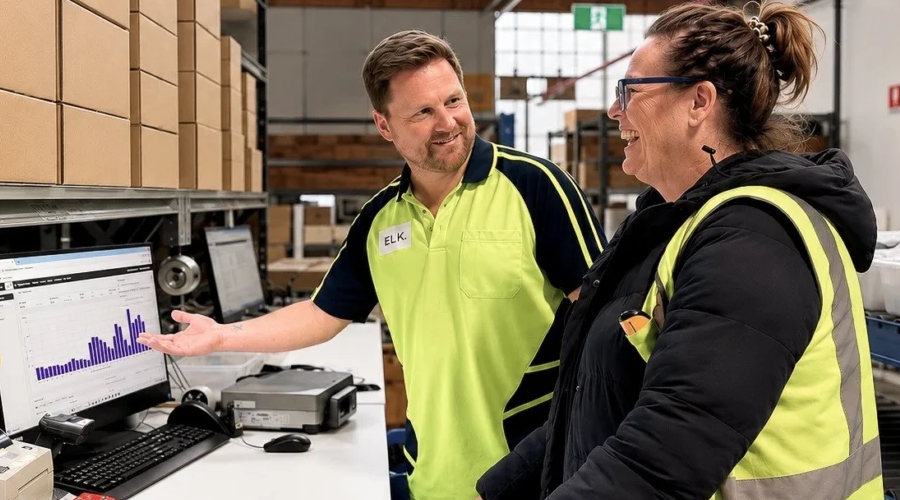
You stay in control of how it works. Define SKU-based exchange rules, choose who pays for return shipping, and use tags to block returns, offer free shipping, or restrict refunds in specific cases.
CUSTOMER STORY

The result is a returns experience designed around a simple idea: resolve the problem, and give the customer a reason to shop with you again.
A customer who doesn’t know what’s happening with their return doesn’t feel cared for.
They wonder:
Every unanswered question adds uncertainty to an experience that is already negative.
By assigning a unique return merchandise authorization (RMA) number to every return, you can link the order, return label, reason code, and refund or exchange status.
Your team sees what’s happening. Your customers can see where they stand. That’s more than an operational benefit. It’s reassurance.
Clear communication tells customers that their problem hasn’t disappeared. Someone—or something—is keeping track of it. That’s important when you’re trying to rebuild trust.
Make your return policy just as clear. Set expectations around return windows, eligible items, refund timing, exchange options, and shipping costs so customers know what they’re agreeing to before they send anything back. A customer shouldn’t have to fight your policy to get help.
A return usually starts with something that didn’t go according to plan. The customer ordered the wrong size. The product wasn’t what they expected. A gift didn’t work out. Something arrived damaged.
You can’t always prevent those things from happening, but you can control what happens next.
That’s why the returns experience matters so much. It’s a chance to show customers what your brand is like when things aren’t perfect.
Think about the difference between these two experiences.
In one, the customer has to search your website for the return policy, email customer service, wait for a response, print a label, figure out where to drop off the package, and then wonder when their refund will arrive.
In the other, they click a link, select the item, choose an exchange or refund, get a QR code, drop it off nearby, and receive updates along the way.
The outcome is the same: the original purchase didn’t work out. The customer’s impression of your brand isn’t.
A convenient return can actually reinforce the reason they bought from you in the first place. If your brand promises to make shopping easy, helpful, or customer-focused, the return is where you get to prove it.
Customers don’t necessarily expect every purchase to work out, but they do expect retailers to make the process of fixing it straightforward. Today’s shoppers increasingly view convenient returns as part of the basic ecommerce experience, not an extra perk.
There’s also a longer-term payoff. A customer who successfully navigated a return with your brand already knows how you handle problems. If the experience is easy, that creates confidence in placing the next order.
In other words, you’re not starting from scratch when they come back. You already proved that if something goes wrong, you’ll take care of it.
That can make the next purchase feel less risky, and reducing that senserisk is a powerful reason for customers to choose you again.
A great returns experience shouldn’t just resolve the current problem.
If a customer returns a shirt because it runs small, don’t just record the return and move on. Use that information to improve the size guidance they see next time.
If they exchange an item for a different product, make that replacement experience as seamless as possible.
If they choose store credit, make it easy to use.
And when the return is complete, don’t treat that as the end of the relationship. It’s the point where you can begin earning the next order.
The most successful returns strategies connect the operational side of returns with the customer experience. Self-service reduces the work required to complete a return. Exchanges keep customers engaged with your products. Return data helps you improve the next shopping experience. And clear communication reinforces trust throughout the process.
Each piece is relatively simple on its own. Together, they change what a return means for your business. Instead of a customer returning an order, you get a customer who had a problem, watched you solve it, and is willing to shop with you again.
That’s a much more valuable outcome.
The best retention strategy may be preventing the next return.
Every return tells you something. The trick is making sure you’re listening.
By defining return reasons, you can track specifics like fit, damage, or quality instead of a vague “didn’t like it.” Then look for patterns.
Fixing those problems does more than reduce your return rate. It makes the next purchase more likely to be successful.
And a customer whose second purchase goes right is much more likely to forget about the first one that didn’t.
CUSTOMER STORY
Make customers feel taken care of—not suspected
A generous returns policy can build trust, but retailers also need to protect themselves from abuse.
Use your returns data to identify unusual patterns. Customers with consistently high return rates may need different rules or additional review, while loyal, low-risk customers can continue to get the convenient experience you’ve promised.
That balance matters.
Customers shouldn’t feel like they’re being punished because someone else abused your policy. A good returns strategy protects the business without making your best customers pay for the behavior of your worst ones.
Everything above gets tested during the holidays.
More gifts, more sizing guesses, more shoppers with little patience—and the same team to handle it all. That’s exactly when a manual process breaks.
It’s also when a good returns experience can make the biggest impression.
A customer who has a great return experience during the busiest, most stressful shopping period of the year may remember that the next time they’re deciding where to shop.
Before peak season hits, test the experience from the customer’s perspective. Start a return. Generate a label. Try an exchange. Check the emails. Make sure your team knows what happens when a return arrives.
You’re in good shape if:
If you can’t check all six, start with the one that’s creating the most friction for customers—or taking the most time from your team.
A return doesn’t have to be the end of the customer relationship. It’s an opportunity to earn a long-term relationship.
Make the return easy to start. Give customers convenient ways to send things back. Offer exchanges and store credit as appealing alternatives to refunds. Keep customers informed. Use what you learn from returns to make the next purchase more likely to go right.
Because customers don’t expect every purchase to be perfect. They do expect you to make things right when it isn’t. That’s the real value of a good returns experience.
You’re not just processing a return. You’re earning the next order.
Ready to give customers a returns experience that brings them back? Start a free trial of ShipStation and see how returns and exchanges work for your store.