Back
Back



































 Shipping Basics

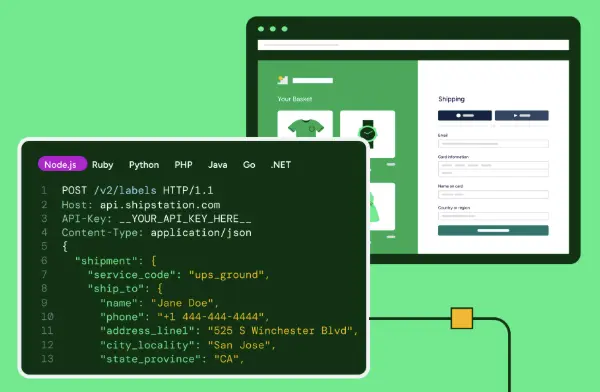


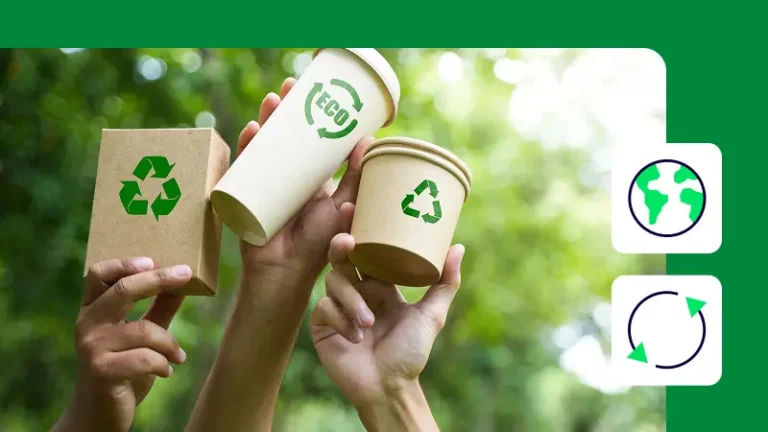
Sustainable ecommerce businesses are reshaping what “everyday essentials” look like—from shea butter sourced through women-led communities in Ghana, to bamboo tissue products replacing traditional paper, to dried petals grown on a family farm for weddings across the UK. This Earth Day, we’re proud to spotlight three ShipStation customers who are building businesses that put the planet first without losing sight of the people, products, and partnerships that keep them moving.
We asked each of these sustainable ecommerce businesses to share the environmental problem their business is helping to solve, the hardest part of prioritizing sustainability, and the small habits that keep them grounded. Here’s what they had to say.
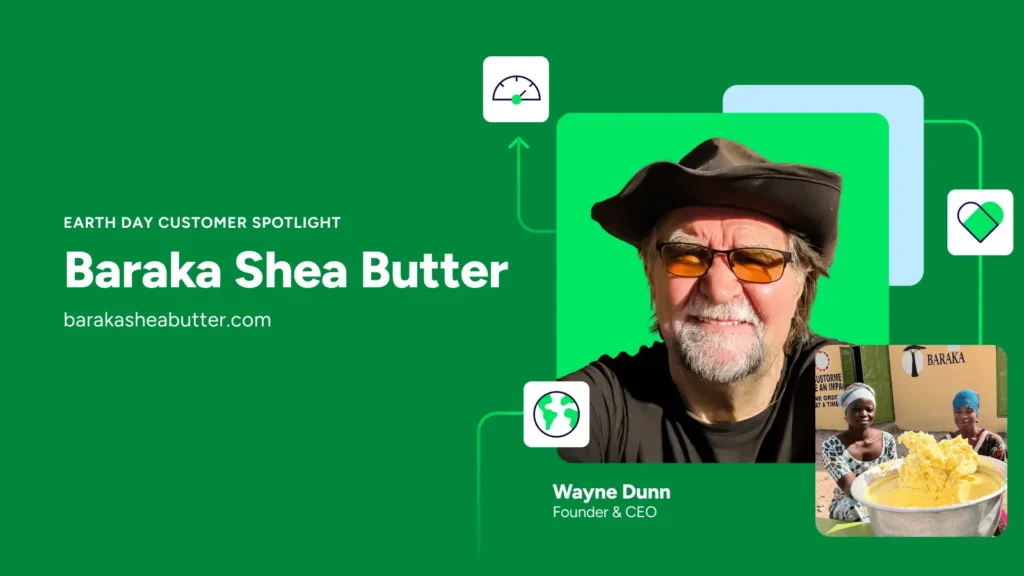
Baraka Shea Butter is a Canadian–Ghanaian social enterprise that delivers traditionally handcrafted shea butter and natural skincare ingredients from women-led communities in northern Ghana to customers across North America and beyond. Our model integrates social impact, environmental stewardship, and high-quality natural products.
Baraka began over 15 years ago from a simple idea: business works best when social impact, environmental stewardship, customer value, and profitability are aligned. We built direct partnerships with women producers in northern Ghana so every purchase creates real income and environmental benefits, while supporting customers in North America and globally who use our pure, traditionally made ingredients to create products they share with the world.
We focus on practical environmental solutions built into how we operate—reducing deforestation through energy-efficient processing equipment and waste-to-energy fuel systems, supporting organic shea collection that protects ecosystems, and packaging most of our products close to where they are produced.
The hardest part is balancing real-world costs with long-term impact and finding ways to make sustainability strengthen the business instead of adding costs. We’ve learned that sustainability works best when it strengthens the business instead of competing with it—when better environmental practices also improve efficiency, quality, and livelihoods, integrating environmental stewardship, social impact, and business value.
Start with practical improvements that fit your business. Sustainability doesn’t need to be complicated—small operational changes can create meaningful environmental and social benefits over time. Look for the places where environmental improvements and business value support each other.
Seeing how everyday business decisions can create real opportunities for women and communities.
Reducing waste and reusing materials whenever possible—at work and at home.
Earth Day is a reminder that business and environmental stewardship should work together, not against each other.
ShipStation helps us efficiently manage shipments across Canada and the US, allowing a small team to serve customers reliably while staying focused on quality and impact.
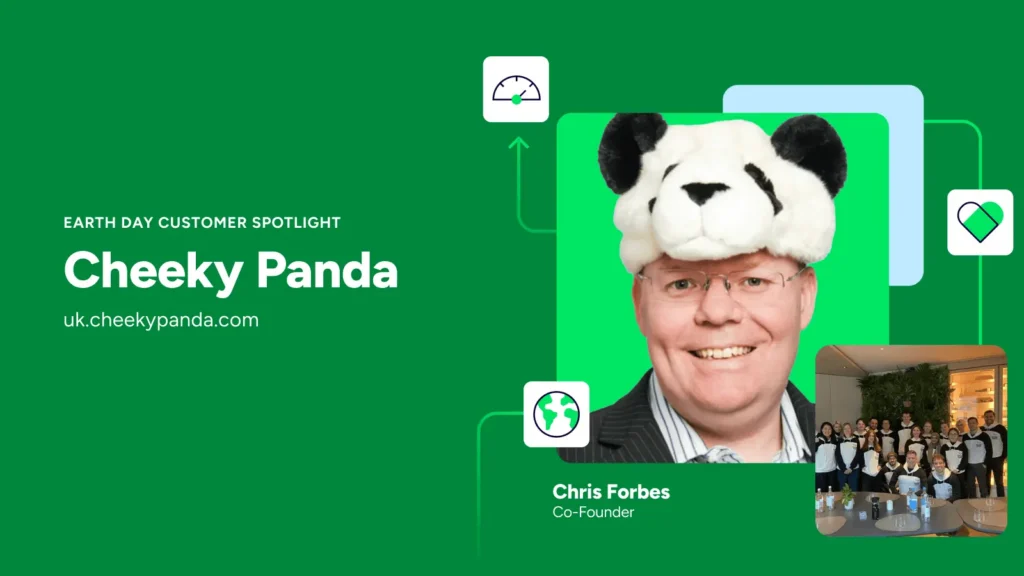
The Cheeky Panda creates sustainable tissue products made from fast-growing bamboo as an alternative to traditional tree-based paper. Our mission is to reduce deforestation and offer everyday essentials that are better for the planet.
The idea started after learning how many trees are cut down every day for toilet paper and tissues. We realised bamboo grows up to 30 times faster than trees and could be a far more sustainable solution for everyday paper products.
Deforestation caused by traditional paper production. By using bamboo instead of trees, we help protect forests while creating everyday household essentials.
Sustainable materials and ethical supply chains often cost more, especially when you’re challenging established industries. We’ve navigated this by staying transparent with customers and focusing on long-term impact rather than short-term shortcuts.
Start with the biggest impact areas in your business and improve step by step. Sustainability is a journey—progress matters more than perfection.
Knowing that small everyday choices can create big environmental change.
Choosing sustainable products and encouraging others to do the same.
A reminder that businesses and consumers both have the power to protect the planet.
ShipStation helps streamline our fulfilment process, allowing us to efficiently ship orders while focusing on growing our sustainable product range.
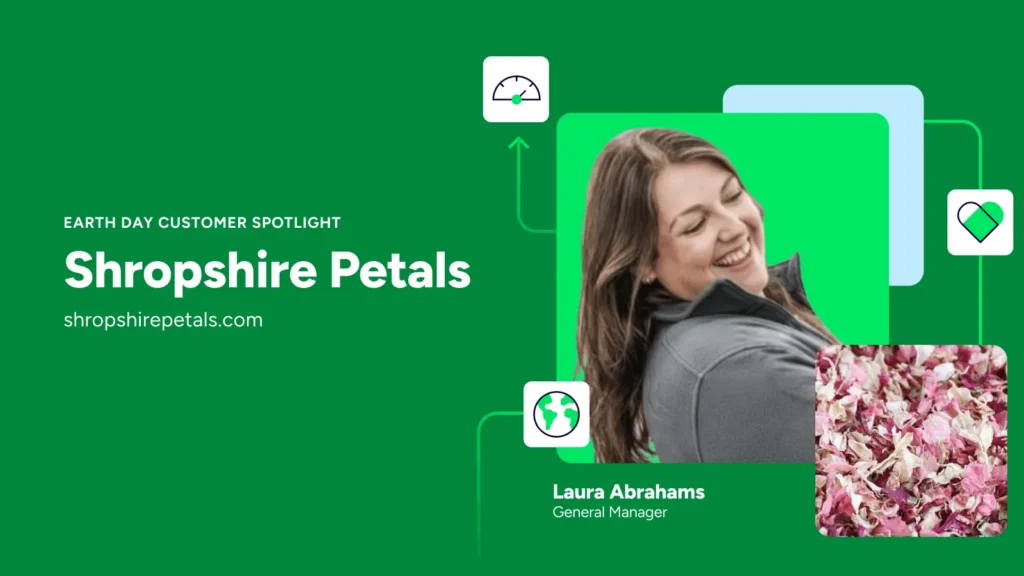
Shropshire Petals grows flowers on our Shropshire family farm for biodegradable real dried petal confetti, dried flower bunches, and dried flower arrangements.
Our business started in 1980 when the owner’s grandma, Daisy Bubb, aka Nanny Bubb, asked for some land to grow dried flowers for the local WI. The parents, Michael and Rose, took over in the 1990s, where they continued to grow dried flowers to sell all over. After a decline in dried flower popularity in the early 2000s, they diversified into selling petals off the stems to make petal confetti. In 2005, Shropshire Petals was born, and 20 years later, we are still going strong, being overseen by Michael and Rose’s sons, Jim and John.
We are aiming to be a more sustainable option to paper confetti and educating couples, photographers, and venues on why dried petal confetti is the better option.
Educating customers and others, especially when there are other cheaper options on the market.
Take small steps to get there, and eventually it will become everyday practice.
Protecting our future.
Reducing waste.
It makes us reflect on the impact we are making to our planet and how we can commit to do better for future generations.
ShipStation simplified our shipping processes massively, making us much more efficient in time and costs.
To every business owner choosing the harder, more thoughtful path in the name of our planet—this one’s for you. Happy Earth Day from ShipStation.
Ready to join the next wave of sustainable ecommerce businesses shipping smarter? Start your free trial with ShipStation today.