Back
Back










































 Carriers & Rates


If the past few years have taught us anything, it’s that shipping challenges are inevitable and often feel endless. From peak season volume surges and carrier capacity crunches, to geopolitical issues and rate volatility, shipping failures and disruptions are unfortunately consistent features of the delivery process.
Now more than ever, businesses need a resilient shipping solution to maintain delivery performance during chaotic times. However, even during the best of times, companies should plan for the future and mitigate risk before any new or emerging uncertainty arises.
The key to withstanding potential disruptions and optimizing for long-term success is using a diversified, flexible carrier network that gives you the power to easily switch between carriers and choose the right one for cost, speed, and customer experience—regardless of the circumstances.
By transitioning from single-carrier dependency to a simple multi-carrier shipping system, you can continue to ship in ways that best suit your business every time and thrive when merchants locked into a single carrier struggle to deliver.
It’s impossible to predict all the factors beyond your control that can arise suddenly and disrupt supply chains, leaving businesses scrambling to deliver on time.
Hurricanes, blizzards, flooding, wildfires, and other severe weather can cause outages or halt transportation routes. Strikes, labor slowdowns, and port closures lead to bottlenecks and significant delays. Customs delays, new trade restrictions, changes in tariffs, and regulatory policies can introduce additional confusion and complexity to the shipping process, driving up costs.
Relying on a single carrier leaves you vulnerable to carrier technology problems, which are becoming more frequent and damaging. Bugs, glitches, cyber attacks, and other technical issues can cripple your logistics, transportation, and other vital areas of your business.
External shocks to the shipping process can also result in operational breakdowns, such as visibility problems that limit your view of where items are stuck in your system and restrict your ability to gain shipping insights. Did the packages leave the warehouse? Were they misrouted? Did they get delayed by customs? You won’t know for sure.
Meanwhile, a dynamic network provides critical carrier redundancy and remains resilient in the face of disruptions, future-proofing your shipping strategy against delays by allowing you to pivot seamlessly to alternative carriers when one provider encounters operational issues.
Carrier flexibility not only reduces your company’s exposure to unexpected roadblocks but also adds efficiency, scalability, and cost savings to your operations.
Many start-ups and small businesses begin with a single primary carrier and a single contract. But early on—especially as the company grows or becomes more complex—it’s critical to start thinking about what’s ahead.
By leveraging a mix of carrier partnerships, you can optimize costs through competitive rate shopping, negotiate more favorable rates, and pass savings on to your customers.
And with technology that’s pre-programmed to select the best carrier and service based on cost, speed, and other levels of services, your team can focus on picking, packaging, and shipping rather than selecting carriers every time.
Geography also matters. Certain carriers are stronger in specific regions. For example, regional carriers often struggle in rural areas due to low volume, whereas specialized carriers tend to perform better in dense metropolitan areas and along international corridors.
A multi-carrier shipping strategy provides comprehensive coverage, so you’re not limited to a single network’s reach. Combining the strengths of different carriers adds scalability to your domestic and international expansion efforts, especially when you set up automation to use a specific carrier based on postal (zip) code.
Routing each package to the carrier best suited for its destination reduces delivery time. In fact, networks using multiple carriers achieved speeds of up to 37% faster on international routes, according to a recent study by ePost Global, which analyzed over 20 million customer shipment patterns from 2024.
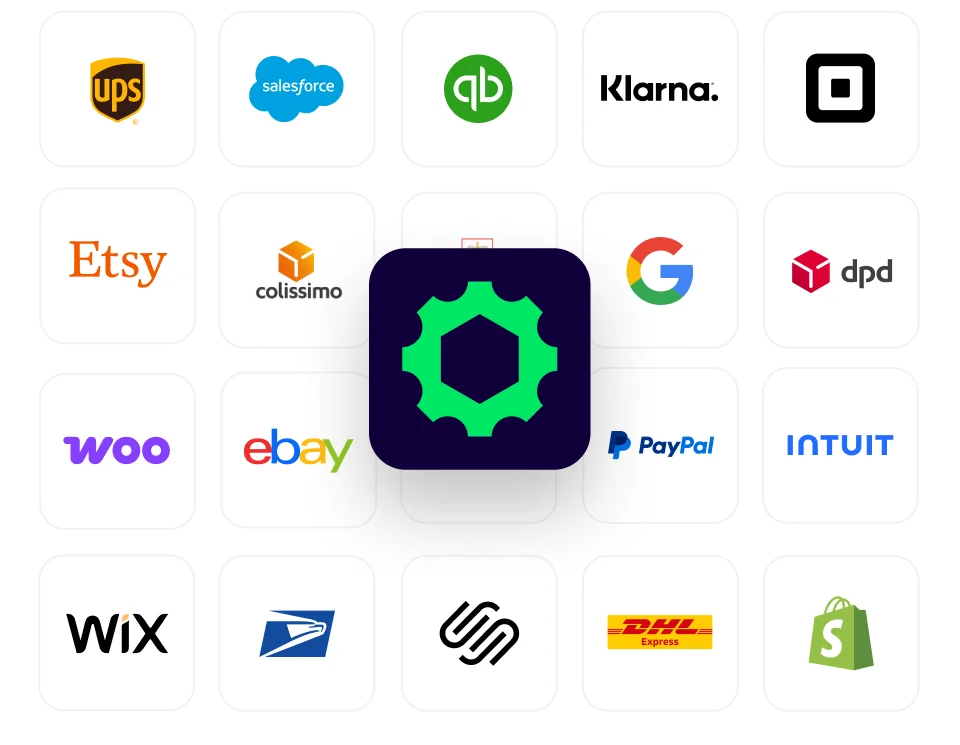
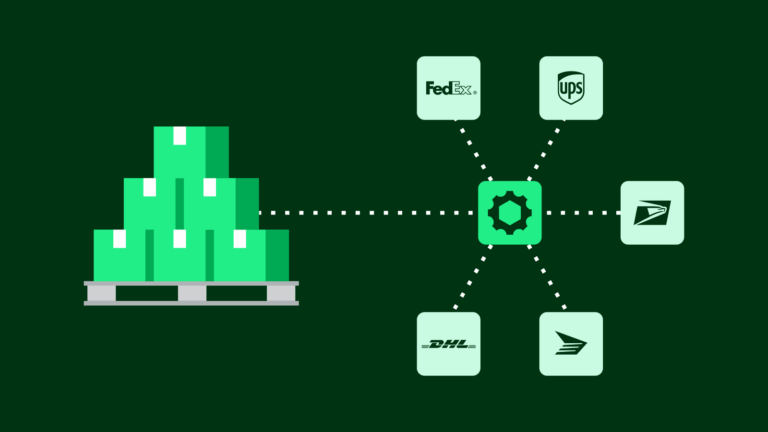
Plugging into a network that includes UPS, USPS, FedEx, DHL, Royal Mail, and other carriers within a single platform provides the service optimization, operational efficiency, and coverage your company needs to adapt and grow.
Carrier flexibility is more than an operational safeguard—it’s a customer experience strategy. After all, winning repeat business goes far beyond offering a great product. Customers now expect smooth, transparent, and reliable delivery experiences. It’s no longer just about speed and low cost. As expectations rise, businesses that innovate and adapt to those demands turn new buyers into repeat customers.
“You can always go for price, but there’s so much more than that,” said John McClymont, Founder of Operational Innovations during ShipStation’s Innovation Delivered virtual summit. “A flexible network is really about saying, ‘I now have the capability and the ability to design my execution and my customer experience exactly the way that I want it.'”
Think of your delivery experience as an extension of your brand that can make or break your reputation. The last thing you want is for a package to fail to be delivered, especially if it’s a customer’s first time engaging with your company.
“A flexible network is really about saying, ‘I now have the capability and the ability to design my execution and my customer experience exactly the way that I want it.'”
John McClymont, Founder of Operational Innovations
With carrier flexibility, you can minimize customer-facing delays, protecting the customer experience and trust you’ve worked hard to build.
“Single-carrier dependency creates blind spots that drain profits and damage customer trust—precisely when you need reliability most,” said Kelly Martinez, Co-Founder and President of ePost Global Shipping. “The shift from carrier loyalty to performance-based shipping isn’t strategic anymore. It’s survival.”
Embracing a mix of carriers also enhances capabilities and enables customers to present more options when placing an order. Today’s shoppers want to choose how and when their packages arrive—whether that’s express, eco-friendly, or budget-friendly. Some carriers excel at overnight shipping, while others specialize in cost-effective ground services. By offering both, your customers can choose what matters most: speed or savings. And when customers feel in control, they’re more likely to return.
A carrier network lets you provide more accurate timelines and anticipate delays earlier, so you can update customers with a revised delivery estimate if there’s a problem. Customers appreciate this level of proactive communication and transparency, which can turn a negative experience into a positive one.
“The shift from carrier loyalty to performance-based shipping isn’t strategic anymore. It’s survival.”
Kelly Martinez, Co-Founder and President of ePost Global Shipping
The ability to easily shift to other carriers in your network also safeguards you from potential collapses in carrier reputations. Carriers can quickly lose credibility, and you risk losing customers during the checkout process when they see you’re using a specific carrier that may not be their preferred choice.
In an era where switching brands is only a click away, the shipping experience can be the deciding factor in making or breaking your customer experience. By investing in carrier flexibility, you’re not just building resilience—you’re building customer loyalty.
While disruptions are stressful, they create opportunities to differentiate your brand. With a carrier network that strengthens rather than breaks under pressure, you can match the right carrier to the right package, respond quickly, communicate clearly, and deliver reliably every time.
The most innovative businesses don’t just react to carrier disruptions—they plan for them. A flexible carrier network that minimizes risk, protects the bottom line, and maintains customer trust is a crucial component of that plan. That level of flexibility and resilience is an enormous advantage for growing ecommerce businesses.