Back
Back






































 Shipping & Fulfillment
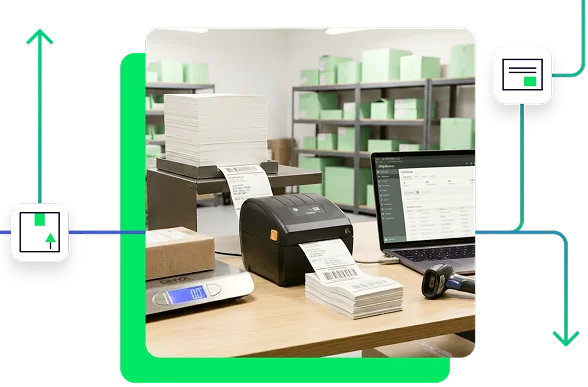



Delivery is one of the most visible and emotionally charged moments in the shopper journey. From the customer’s perspective, delivery is the moment when a promise is fulfilled—or broken. That means delivery is no longer a purely operational concern. It’s where brands either reinforce trust or undermine it.
This is why delivery has become such a critical touchpoint in modern retail. It’s the point at which operational execution and brand perception collide. Retailers are increasingly realizing that delivery is not just about moving goods. It’s about following through on commitments.
This recognition is transforming how leading ecommerce companies approach shipping and fulfillment.
This article shares insights from expert-backed sessions on ecommerce delivery, AI, sustainability, logistics, and more at The Delivery Conference 2026. Watch all of the event sessions on-demand.
Customers don’t separate ecommerce into stages like retailers do. They don’t think of marketing, checkout, warehousing, and last-mile as distinct processes. The entire delivery and shipping experience—from checkout to the moment a package arrives, and even through returns—plays a major role in how customers evaluate a business.
For many shoppers, delivery is the final step of the buying journey, and it often becomes the moment they remember most. Delivery performance reflects directly on the business. Reliable shipping becomes a key signal of trust. When customers believe a company will deliver what it promised, when it promised, they are much more likely to return and buy again.
Many companies invest heavily in attracting customers but neglect the post-purchase experience, which is where loyalty often forms.
“Businesses tend to optimize for the sale and then hope everything after checkout works,” said Tobias Buxhoidt, CEO of parcelLab, in the Beyond the Box session.
Fast delivery may seem appealing to customers, but it’s not enough on its own. Businesses often compete on speed, but customers increasingly value predictability more.
Speed still has value, especially in competitive markets, but predictability and reliability build confidence.
“Speed doesn’t win loyalty, reliability does,” said Luke Batten, Sales Director at Relay, in the Speed Doesn’t Win Loyalty session. “A delivery that’s fast but unpredictable just creates faster disappointment.”
An accurate, consistent delivery window allows customers to plan around it. When delivery times fluctuate, customers must create their own buffers. Companies that consistently deliver when they say they will earn a reputation for reliability.
Customers remember broken promises more than slightly longer delivery times. A dependable three-day delivery often creates more satisfaction than a one-day promise that frequently fails.
A slightly slower delivery that arrives exactly when promised is often preferred over a fast one.
“Speed doesn’t win loyalty, reliability does. A delivery that’s fast but unpredictable just creates faster disappointment.”
Luke Batten, Sales Director, Relay
Many deliveries require coordination. A customer may need to be home to receive a package, schedule staff to unload inventory, or plan the installation of a product. If delivery times keep changing, customers must adjust their plans, or risk missed shipments. A predictable delivery window removes that stress. Even if the delivery takes slightly longer, customers appreciate knowing exactly when it will happen.
“Some brands want to overdeliver. They say they’ll deliver on Monday, but they come on Saturday. But that might not be convenient,” said Clare Bailey, Founder of The Retail Champion, in The Experience Emphasis session. “Exceeding expectations might be more inconvenient to the customer than just doing what you said you would do. We organize our lives around these things. If they ring the doorbell a day early, it’s quite uncomfortable.”
Managing expectations is key. Customers may regularly track packages, contact support teams, or rearrange schedules when deliveries are delayed. Reliable delivery timelines reduce these problems and the costly customer service inquiries that follow. Customers spend less time worrying about their orders and more time focusing on how they will use the product.
For many customers, reliability simply feels fair. They do not expect perfection, but they do expect honesty and consistency. In this way, predictability becomes a key part of the overall customer experience.
Delivery can be a powerful experience, but also a fragile one. If the delivery goes smoothly, it reinforces the positive impression created during shopping. If it goes wrong, it can undermine everything that happened before.
Unclear tracking, unexpected costs, and delays can overshadow even an exceptional product. Customers may forget the checkout process entirely—but they remember when there’s a problem.
Even when retailers rely on third-party carriers, for example, customers rarely distinguish between the two. If there’s a problem, customers don’t blame the carrier. They blame the brand.
“Carrier selection is absolutely an extension of their customer experience,” said Morgan Rivers, District Marketing Director at UPS UK, Ireland, and Nordics, in The Psychology of Delivery session. “The customer doesn’t necessarily complain to UPS. It’s the retailer directly. So understanding that the carrier is a reflection of your brand is key.”
There’s an emotional dimension at play. Digital interactions can feel abstract, but delivery is physical. Customers have paid money for something they cannot yet see or touch. The period between checkout and delivery is a sensitive one.
Waiting for a package creates anticipation, and the moment it arrives becomes the payoff of the shopping experience. When delivery works well—on time, clearly communicated, and predictable—it produces satisfaction and even excitement. When it fails, the disappointment is equally strong.
Retailers often overlook how emotional this moment can be. Customers want clarity, visibility, and real-time updates. Clear communication is essential. Silence creates anxiety. The goal isn’t just reactive communication—it’s proactive reassurance.
“Carrier selection is absolutely an extension of their customer experience. Understanding that the carrier is a reflection of your brand is key.”
Morgan Rivers, District Marketing Director at UPS UK, Ireland, and Nordics
“Around half of consumers actively track their parcels. They’re not tracking it because they’re super keen and can’t wait. They’re tracking it because they are uncertain. What we need to do is intervene quickly when something goes wrong,” said Batten.
Some delivery failure is inevitable. When it happens, customers want three things: transparency, ownership, and resolution.
The ecommerce landscape is undergoing a fundamental shift. From checkout to doorstep, delivery defines the brand experience.
Retailers that understand this are redesigning their delivery strategies around customer expectations and preferences:
Get started with a free trial of ShipStation today to see how simple it can be to deliver reliably, communicate clearly, and create a post-purchase experience customers want to come back to.