Back
Back






































 Shipping Basics


Welcome to part 3 in our four part blog series, where we highlight what was covered in a recent webinar, which you can access on-demand.
The webinar was brought to you by experts from Lengow, Avalara, and of course, us here at ShipStation. Together, our three platforms can help you succeed in product feed management, cross-border duties and taxes, and shipping when expanding internationally.
Across this series, we explore the steps towards going global in new markets and essential business practices to consider.
So far in the series we have covered:
Cross-border ecommerce is something to take advantage of. The future of your company’s growth often depends on it. Here are the key takeaways from our webinar speakers:
Now it’s time to consider shipping, delivery and returns. ShipStation can help you navigate the challenges of international shipping to ensure a smooth process. In order to keep goods flowing freely across borders, you need to be aware of a few key things.
Before you make your first international sale, you’ll need to understand “Incoterms”, which stands for International Commercial Terms. These include Delivery Duty Unpaid (DDU), Duties at Place (DAP) and Delivery Duty Paid (DDP).
But what do they mean for your business, and the role you play as the seller?
These terms mean the same thing. They mean that import duties are not paid prior to arrival in the destination country. So the customer will have to pay them before it arrives at their address. As customs will hold on to their products until payments have been made, this could result in delays.
With the DDP shipping model, the seller pays all import duties before it gets to the buyer’s country. This can cost more, but it is generally faster than DDU, avoids issues like shipment abandonment and gives a better customer experience with no unexpected charges. ShipStation allows you to create easy DDP labels for international shipping.
Whichever shipping model you use, be sure to communicate expectations to the carrier and customer clearly to ensure there aren’t any nasty surprises and to create a reliable and trustworthy brand message that drives loyalty.
Since the coronavirus pandemic started, consumer expectations for shipping and delivery have changed.
Many now want more transparency and visibility prior to a purchase, and throughout the customer journey. And many are expecting multiple delivery options.
ShipStation’s recent global study, found:
As such, delivery offers a real opportunity for online retailers to differentiate themselves, as well as increase conversion rates and boost customer loyalty. And 66% of consumers choose an online store because of their delivery options alone.
What’s more, according to Tamebay’s shipping and delivery report:
So delivery options matter.
You need to be offering multiple options for delivery at checkout. Generally speaking, online shoppers prefer home delivery but each country has its own preferences. Delivery to the workplace is more popular in Spain, for example. But another option is the ability to buy online and pick up in-store (BOPIS) or click-and-collect, which is popular in some countries like the UK and France.
All of that said, the same Tamebay report as above also found that 54% of consumers said their shipping expectations changed when ordering from an international brand. And of those, 73% said they are more flexible with the delivery timeline, and 30% are willing to pay more for shipping.
So consumers tend to be understanding and lenient with their expectations when ordering products internationally.
Return shipping costs and restrictive return policies are key factors that result in a negative customer experience. Germany has a huge return culture where one in eight purchases are sent back, with consumers often buying products in multiple sizes and then simply returning the ones that don’t fit (with no cost to return).
Still, some companies are charging customers a return fee, which is not worth it when it can result in an even bigger cost to brand reputation! It’s just another opportunity for a potential bad experience. Try to alleviate this when selling internationally.
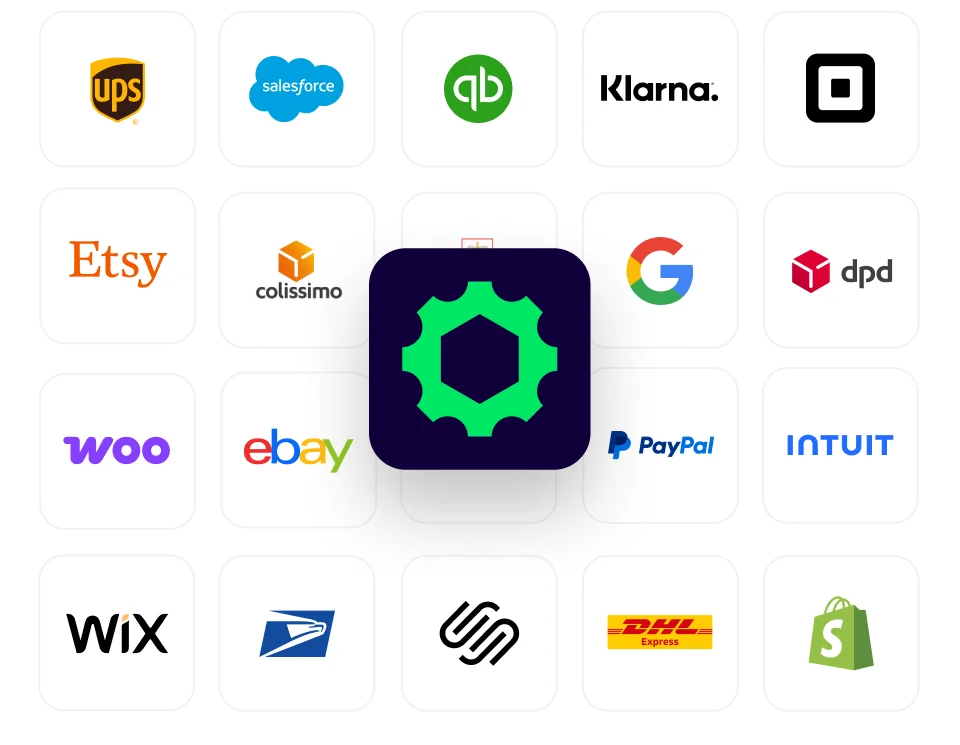
ShipStation is a multichannel order and delivery management platform that allows you to create easy labels, shipping and returns.
It supports businesses on their journey to international shipping through enabling them to configure international shipments, prepare packages for passage with the right documentation, print customs forms, and compare carriers — without headaches.
| Connect everything in one platform. Gain complete control and insight into all of your orders at every stage of the fulfillment process, across all of your selling channels. Manage inventory. Enjoy real-time insight into your inventory. View stock levels, set alerts, allocate stock, pick, pack and fulfil orders more efficiently. Use automation. To speed up processes, save time and money, and reduce human error. Use the platform when shipping internationally to: Configure international shipmentsUnderstand HS codes for your productsGenerate the right international shipping labels Create DDP labelsEnsure the right documentationPrint customs formsSelect the correct carrier serviceSimplify your returns process Contact ShipStation to find out how it can help with your international expansion. |
Want to find out more about business practices to consider when expanding internationally? Access the free, on-demand webinar for a more detailed look.
Stay tuned for our final blog in this series, which goes through the key things to consider for cross-border logistics, customs, taxes and legislation →