Back
Back




































 Ecommerce Growth


The ecommerce market is maturing. According to our 2025 Benchmark Report, growth slowed in 2024 — down from double digits to an average of 5.6%. At the same time, online penetration rates are leveling off, and consumers are returning to physical stores.
That’s why many brands are starting to pursue growth internationally. These markets are less mature than domestic ones, which gives them an advantage. But it’s one thing to want to expand your business internationally and another to solve the many challenges of doing so.
This guide will get you started. We’ll cover market selection, logistics concerns, compliance, and other topics for a successful ecommerce international expansion.
According to our 2025 Benchmark study, 73% of online businesses plan to explore new markets in the next 12 months. There are several reasons for this, including:
Many of these businesses are leveraging localized marketplaces to meet international consumers where they already shop. This is like selling as a third-party vendor on Amazon or Walmart, only internationally.
This trend is projected to continue well into the future. Global expansion isn’t just a new avenue for growth—it helps ecommerce brands navigate shifting demand patterns and strengthens resilience.
Scaling ecommerce with international growth can be a winning strategy for the next decade. But to get there, your business will first need to consider the following:
The first question is which international markets your brand will expand into. You’ll want to explore consumer behavior trends and purchasing power insights across your top options. You can begin with ShipStation’s 2025 Benchmark Report, which collected data from large consumer groups across many international markets.
It will also be important to evaluate the local competition and regulatory requirements for your products. The goal should be to identify a market with high demand for what you sell and few barriers to entry.
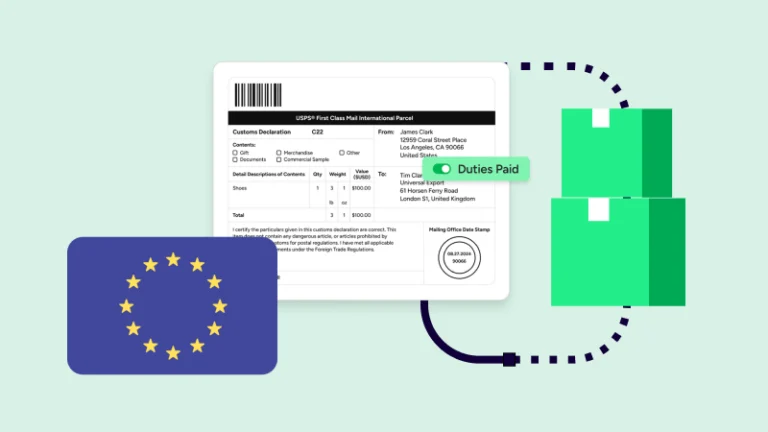
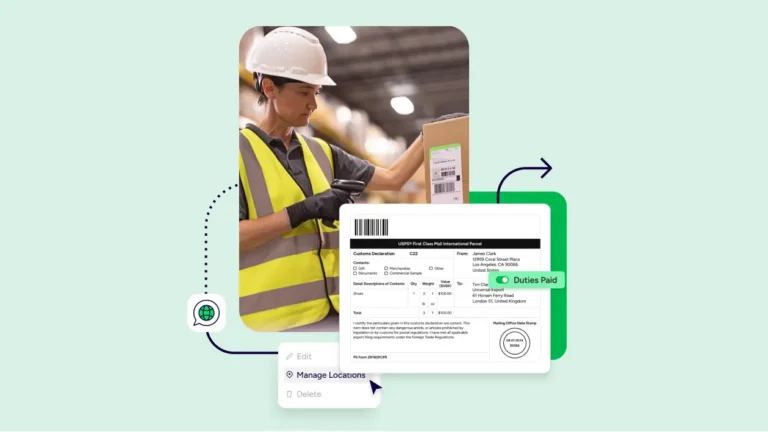
The next step is figuring out the cross-border logistics and fulfillment piece of your expansion plans. This starts with navigating international shipping complexities, like customs and duties.
Another key piece is choosing a fulfillment solution. Many brands end up comparing marketplace fulfillment to third-party logistics (3PL) solutions. The first option means selling your products through a marketplace with existing demand, while 3PLs provide more of a direct-to-consumer model.
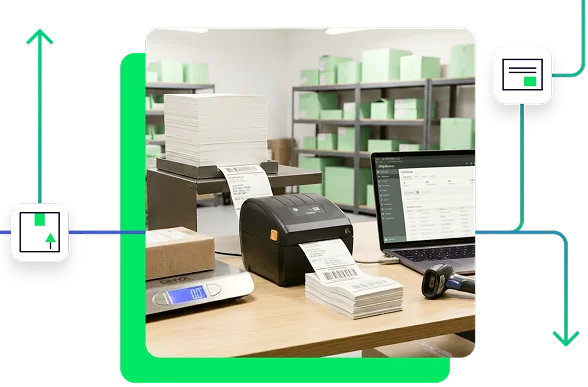
Both fulfillment routes have merit, and it could make sense to use them together. For example, your brand could leverage ShipStation for easier multi-marketplace fulfillment. We make it easy to import orders from every channel, speed up labeling, and reduce errors while you push for expansion.
Many ecommerce companies also leverage regional warehouses and micro-fulfillment centers throughout their new territory. This can reduce delivery speed, making it easier to compete with domestic brands that have the advantage of existing logistics infrastructure.
After you’ve chosen a market and solved logistics, the final step is localizing your shopping experience for your new target audience. You want shopping at your store to feel effortless. That means:
As you work toward global expansion, you’re likely to face challenges similar to those of your peers. Here are three key examples of challenges your brand may face, and what to do about them.
First, entering a new market means learning rules and regulations. These include tax laws, data privacy legislation, and trade regulations.
You can reduce the learning curve by using an automated logistics solution like ShipStation. Our technology auto-fills things like local taxes and duties, so you don’t have to calculate them all by hand and risk costly errors or fines.
Next, many ecommerce brands struggle with cross-border returns and reverse logistics. Consumers expect this process to be hassle-free, but that can be hard to do when you’re shipping between countries.
The solution is partnering with local return centers and 3PL providers. They can act as your “boots on the ground,” making sure regional customers have a good experience while liaising with your home office in the United States.
Finally, there are significant variations in consumer expectations across markets. Cultural preferences can influence everything from what your branding should look like to how you should talk to consumers through ads.
The best way to overcome this challenge is with a top-tier market research strategy. The more you learn about your target consumer, the easier it will be to reach your international sales goals. Consider the following questions:
Once you’ve broken into cross-border ecommerce, the next step is scaling your growth to reach your long-term goals. That process can include each of the following steps:

Expanding internationally can help your ecommerce brand achieve sustained growth while improving its resilience to market fluctuations. But that process is complicated, requiring in-depth market research and a coordinated logistics strategy.
ShipStation is here to help you get started with logistics software that makes international expansion easier. You can also download the Ecommerce Delivery Benchmark Report 2025 to learn more about the current state of international ecommerce and what it will take to succeed.