 Back
Back



































Shipping tracking API for real-time delivery updates
Provide clear, real-time delivery updates with shipment tracking built for modern ecommerce. ShipStation API lets you track shipments across multiple carriers, see every carrier update in one place, and turn your tracking page into a powerful, branded experience that stops order inquiries before they start.

Driving fulfillment for the world’s leading brands










Give every customer a better shipment tracking experience
ShipStation API tracking keeps customers informed, gives support teams full shipment context, and helps you resolve delivery issues sooner. Event-driven updates and webhooks push status changes instantly—so no one waits for answers.

Keep shoppers informed at every step
Stop leaving customers in the dark after they click Buy. With ShipStation tracking webhooks, you can trigger branded email or SMS alerts at key milestones, from label creation to delivery. Customers always know where their order is. That builds trust and cuts down on status-check tickets.

Turn tracking into a branded experience
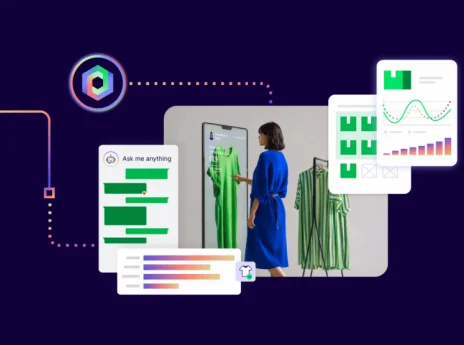
Do more than link to a carrier page. Use our shipping tracking API to embed tracking tools on your site, fully styled to your brand. Add product recommendations, FAQs, or support links alongside shipment status. Tracking becomes a high-value touchpoint instead of a dead end.

Resolve issues faster with better insight
Give your support team the full story behind every shipment. ShipStation API surfaces carrier messages, status codes, and historical events in one place. Agents can quickly see what happened, reassure customers with accurate information, and decide when to wait, reship, or refund.
Tracking features built for multiple carriers and channels
Track any shipment with a single API
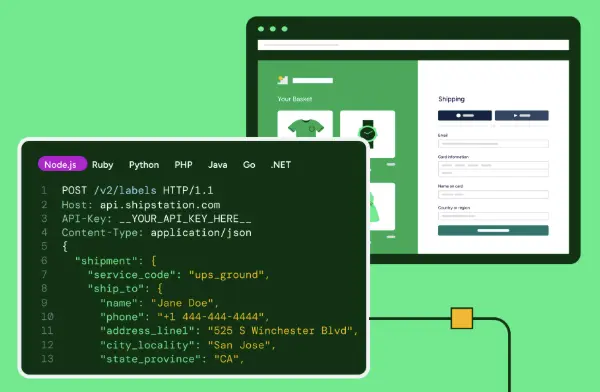
Retrieve tracking details for any package using one consistent tracking API. Call the tracking endpoint with a carrier code and tracking number to see the current status, events, and delivery information. You can even track shipments whose shipping label wasn’t created through ShipStation API, as long as the carrier account is connected.
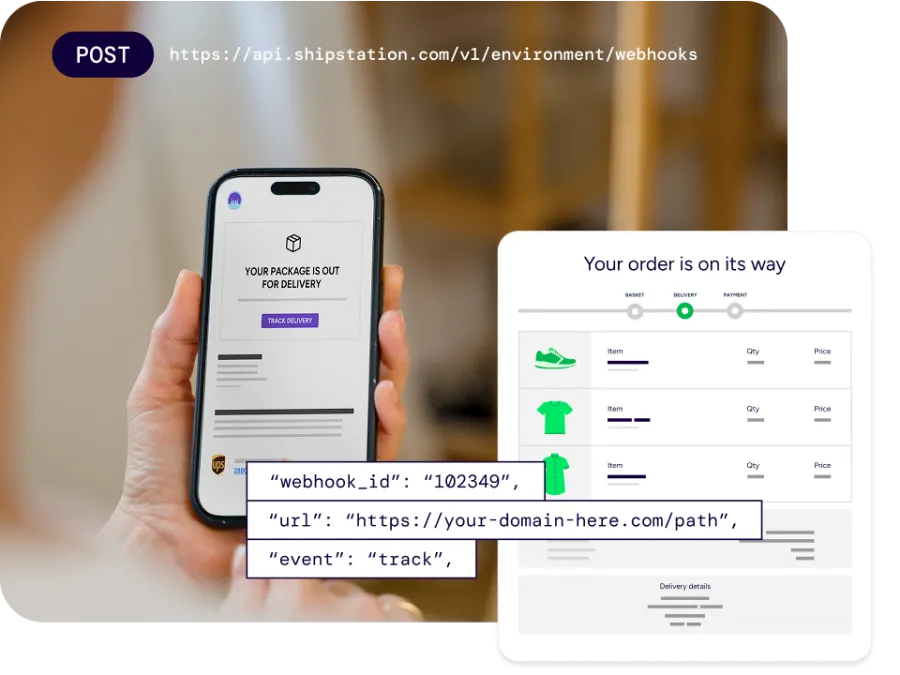
Webhooks for real-time notifications
Eliminate constant polling and receive shipment updates the moment they happen. Configure tracking webhooks so ShipStation API pushes notifications whenever a shipment moves, is delayed, or is delivered. Use these real-time events to trigger email or SMS alerts, update order status pages instantly, and sync tracking data directly into your CRM or support platforms—keeping customers informed and operations aligned without manual effort.
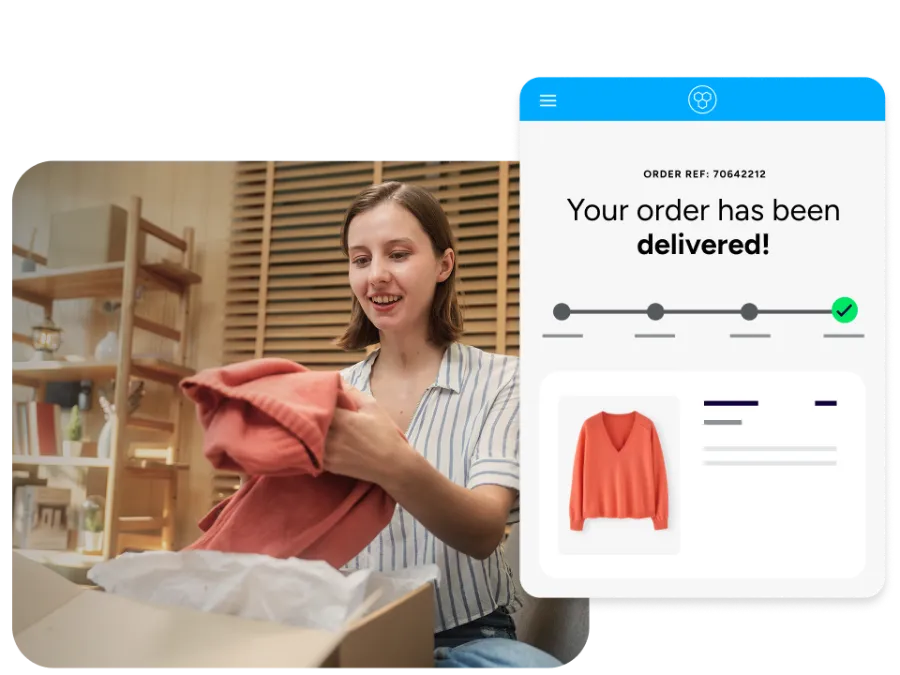
Rich event history and status codes
Go beyond simple “in transit” updates. Each tracking response includes detailed events with timestamps, locations, and carrier messages, as well as normalized status codes. You can easily tell whether a package is accepted, in transit, delivered, or in exception. Then automate workflows around each state instead of guessing from freeform text.
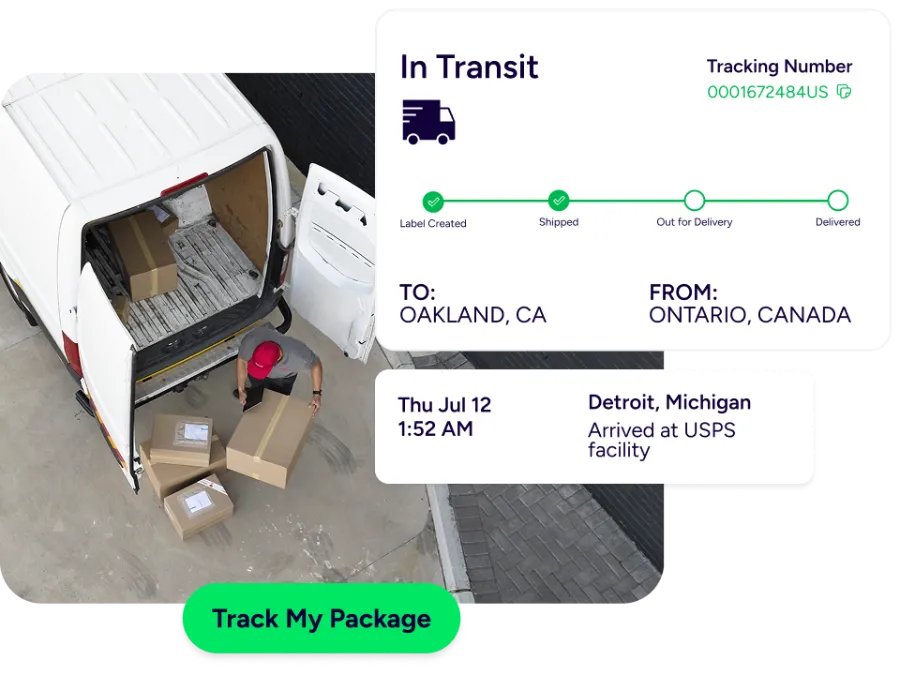
Coverage across leading carriers
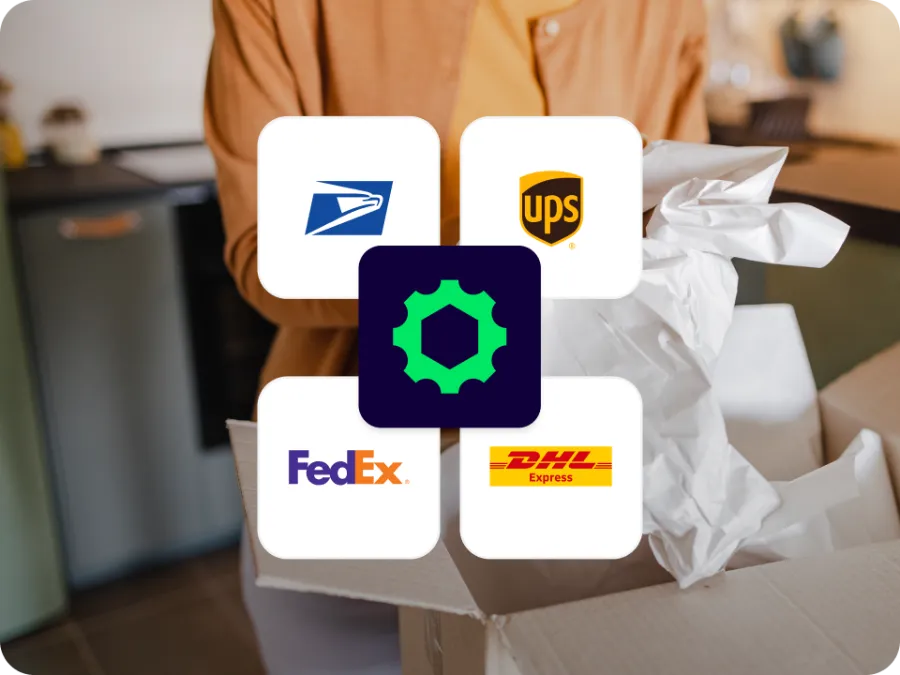
Support customers wherever they’re shipping. ShipStation API connects tracking for USPS®, UPS®, FedEx®, DHL Express, and many other regional and international carriers through a single integration. Your team doesn’t have to juggle multiple carrier portals. Your customers get a consistent tracking experience.
RELATED CONTENT
Helpful Shipping Resources
Browse additional articles, guides, and insights related to shipping and fulfillment. These resources provide practical advice and best practices to support your day-to-day operations.

The Cheapest Way to Ship Packages
Finding the cheapest way to ship a package doesn’t mean sacrificing quality. Affordable shipping rates are available to anyone that knows where to look.

Calculate Shipping Costs and Start Saving Now
Whether you’re shipping a single order or managing high-volume ecommerce fulfillment, ShipStation’s shipping cost calculator helps you get fast, reliable quotes from top carriers so you can save time and money with every label.

USPS Flat Rate Boxes, Envelopes, and Prices
USPS Flat Rate boxes and envelopes allow you to ship up to 70 lbs with USPS Priority Mail® at one low rate to anywhere in the US. The advantage of Flat Rate is that regardless of how much you fit into the packaging, it’s allowable.
Ready to get started?
ShipStation API removes the complexities of shipping. Scale your business with our industry-leading API, comprehensive documentation, and vast carrier network.
Shipping tracking API FAQs
How does ShipStation’s shipping tracking API work with multiple carriers?
You integrate once with ShipStation API. Then connect your carrier accounts inside ShipStation. From there, you can request tracking for many different carriers using a single endpoint, relying on normalized fields and status codes instead of learning each carrier’s unique tracking format.
Can I use the tracking API if my shipping label was created elsewhere?
Yes. As long as the carrier account is connected to your ShipStation API setup, you can track shipments created outside ShipStation. You pass the carrier code and tracking number, and ShipStation API returns real-time tracking details, which you can display in your own applications or branded tracking pages.
What is the difference between tracking by Label ID and tracking by carrier code?
Labels created in ShipStation can be tracked by their Label ID. When labels are generated by another system, you track using the carrier code and tracking number instead. Both methods provide access to the same rich set of tracking events and status information.
One place for your business
Begin a free trial to see what’s possible with ShipStation.