 Back
Back

































We tested the best e-commerce softwares to go from product idea to first sale


ZDNET tested the most reliable e-commerce software to help you build your store, manage payments, automate shipping, and scale your business faster in 2026.
Running an online business is more than just setting up a store. You have to design your brand, attract the right audience, handle payments, manage orders, and still find time to think about growth. I’ve spent enough time around e-commerce founders to know that most don’t struggle with ideas, but with keeping everything connected.
The e-commerce software market is projected to exceed $18.5 billion by 2030, which says a lot about how serious online business has become. From design to delivery, I broke down how each part of e-commerce software fits into your workflow and how it helps you build a business that actually scales. Together, these platforms form a complete e-commerce solution that supports every stage of your store’s growth.
ShipStation: Best e-commerce software for shipping and fulfillment
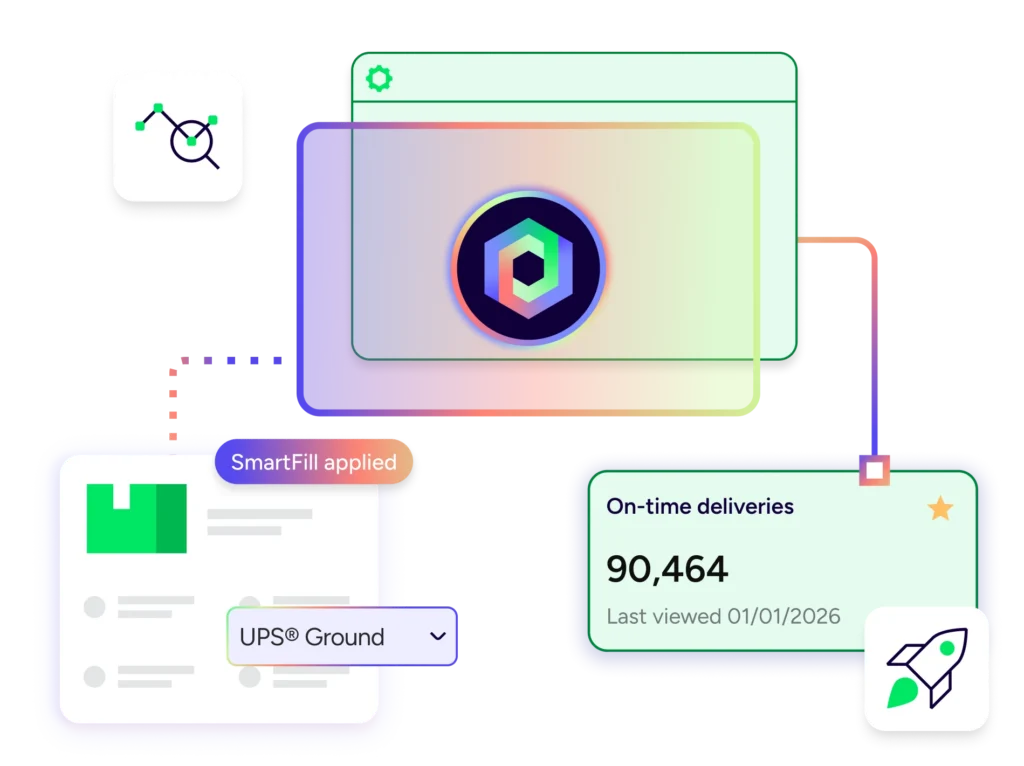
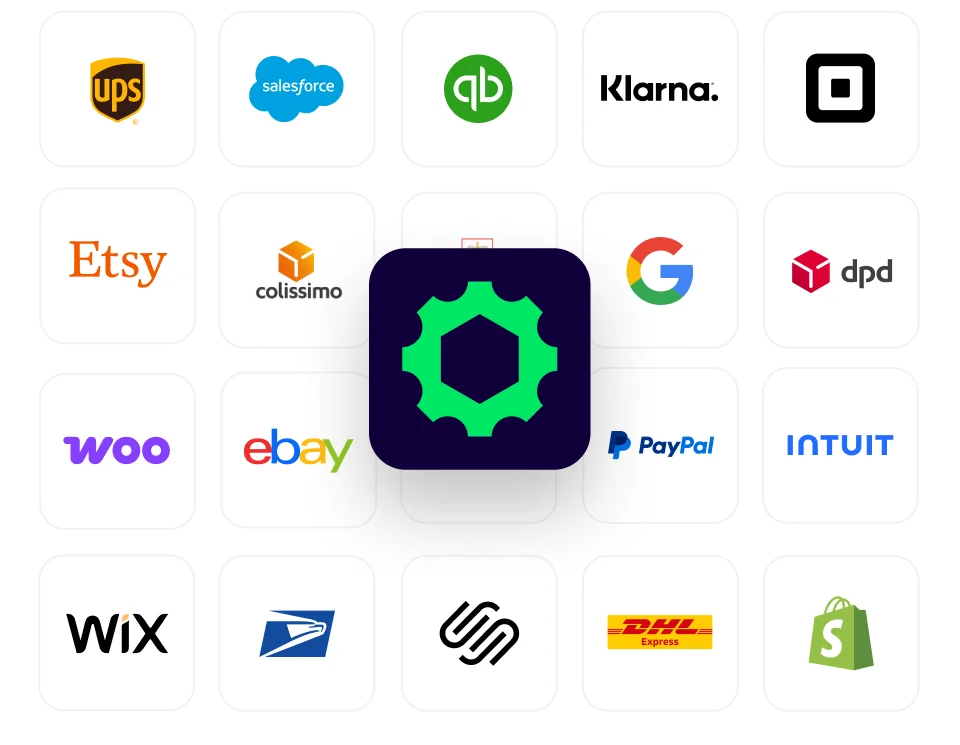
When you’re selling on Shopify, Etsy, and Amazon simultaneously, you need something like ShipStation that centralizes every order into a single dashboard. Think of it as a space where you can compare rates, manage orders, and track deliveries in real time.
Start by connecting your stores and carrier, and from there, automation does most of the work. You can tag international orders, split multi-item shipments, and print hundreds of labels at once. For example, during a Black Friday rush, ShipStation can batch-print every label, sort them by carrier, and send tracking updates automatically.
ShipStation also compares live rates from carriers like FedEx, USPS, DHL, and UPS and picks the most affordable or fastest route per shipment. Discounts can go as high as 90%, which means you can stay competitive on pricing without losing margin.
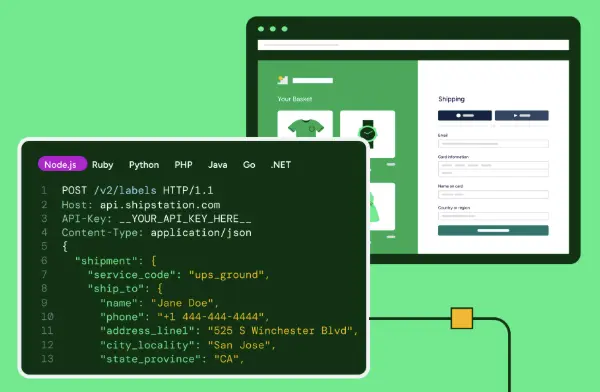
Even global shipping feels simple, because ShipStation generates customs documents, duties, and tracking pages and sends them to customers under your brand name. Once you’re shipping hundreds of orders a month, ShipStation will automate labels, carriers, and tracking so you don’t waste hours managing deliveries.
If you’re a content creator, you can even set up a TikTok store and connect it with ShipStation. You can sell directly through videos or live sessions while ShipStation handles packing, shipping, and tracking. It is as easy as it can get.
ShipStation has a free plan if you just want to test the waters with up to 10 shipments a month. As you grow, the Starter plan, at $15 per month, adds automations and return labels. The Standard brings unlimited orders and carrier integrations for $30 per month. Big teams can jump to Premium for $350 per month to access inventory tools and advanced warehouse management.
ShipStation features: Extensive integrations | Automated rate shopping | User group meet up | Batch printing for 500+ labels | Order Management Systems | Branded tracking and returns | Warehouse and inventory management | Shipment Notifications

